Pulmonary Contusion: What Patients Need to Know

A pulmonary contusion is bleeding and swelling within lung tissue after blunt or penetrating chest trauma. Symptoms may include chest pain, shortness of breath, cough, and low oxygen levels, but they do not always appear immediately.
Key Takeaways
- A pulmonary contusion is bleeding and swelling within lung tissue after blunt or penetrating chest trauma.
- Symptoms may include chest pain, shortness of breath, cough, and low oxygen levels, but they do not always appear immediately.
- Diagnosis usually involves a physical exam, oxygen assessment, and imaging such as chest X-ray or CT scan.
- Treatment focuses on oxygen support, pain control, monitoring, and managing associated injuries.
- Recovery depends on the severity of the lung injury and whether other chest injuries are present.
Pulmonary contusion is a bruise of the lung caused by chest injury. It can affect breathing right away or worsen over several hours, so medical evaluation is important even when symptoms seem mild at first.
Overview
Pulmonary contusion means a bruise of the lung. After a blow to the chest, a fall, a car accident, or another significant injury, the small blood vessels and air sacs inside the lung can become damaged. This leads to bleeding and swelling within the lung tissue, which can make it harder for oxygen to move into the bloodstream.
Unlike a skin bruise, a pulmonary contusion cannot be seen from the outside. A person may look relatively well at first, yet symptoms can develop or worsen over the next several hours as inflammation increases. That is why doctors treat chest trauma carefully, even when the initial injury does not seem severe.
A pulmonary contusion may happen on its own, but it often occurs together with other chest injuries such as rib fractures, a collapsed lung, or injuries to nearby organs. Because of this, evaluation usually looks at the whole chest, not only the lung bruise itself. In patients with more complex trauma, related problems such as pneumothorax may also need urgent attention.
How a Pulmonary Contusion Affects Breathing
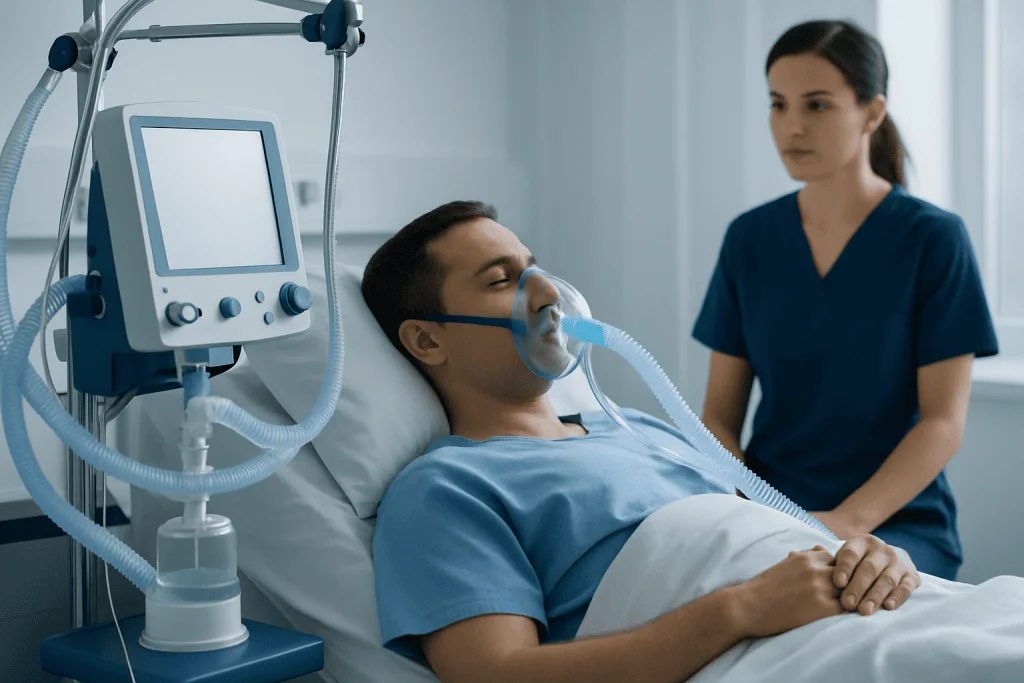
The lungs are made of tiny air sacs called alveoli. These sacs normally fill with air and pass oxygen into the blood. In a pulmonary contusion, trauma damages the lung tissue and small vessels, allowing blood and fluid to collect in and around the air sacs.
When this happens, the injured part of the lung becomes less efficient at exchanging oxygen. A person may feel short of breath, breathe faster, or need extra oxygen. The body may try to compensate, but if the injury is more extensive, oxygen levels can fall.
Another challenge is pain. If the chest wall also hurts because of bruising or broken ribs, the person may take shallow breaths and avoid coughing. This can reduce lung expansion and increase the risk of mucus buildup or infection during recovery.
Symptoms and Signs
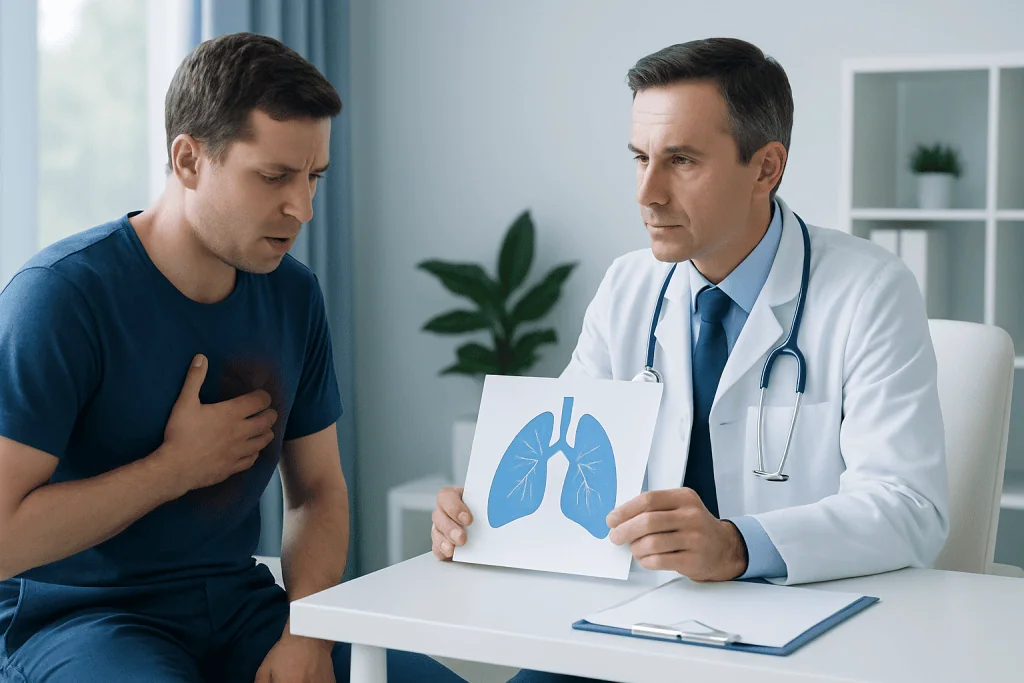
Symptoms of pulmonary contusion vary with the size of the injury and whether other trauma is present. Some people have mild discomfort and only slight breathing changes, while others develop more noticeable respiratory distress. Symptoms may begin immediately or become more obvious over the first 24 to 48 hours.
Common symptoms and signs can include:
- Chest pain or tenderness
- Shortness of breath
- Rapid breathing
- Cough, sometimes with blood-streaked sputum
- Low oxygen levels
- Bruising over the chest wall
- Wheezing or crackling sounds heard with a stethoscope
Because pulmonary contusion often happens after trauma, symptoms from other injuries may occur at the same time. Rib fractures, chest wall injuries, or internal bleeding can affect how a patient feels and how urgently care is needed. Any difficulty breathing after a chest injury should be taken seriously.
Causes and Risk Factors
The most common cause of pulmonary contusion is blunt chest trauma. This can happen in motor vehicle collisions, sports injuries, falls, workplace accidents, or direct blows to the chest. Penetrating trauma can also injure lung tissue, although the pattern of damage may differ.
The risk may be higher when the impact is forceful or when the chest wall is compressed suddenly. Older adults, people with frailty, and those with underlying lung disease may have more difficulty tolerating even a moderate lung injury. Children can also develop pulmonary contusion because their chest wall is more flexible, which can transfer force to the lungs without obvious rib fractures.
Other chest injuries frequently occur alongside pulmonary contusion. These may include broken ribs, rib fractures, chest wall bruising, or bleeding around the lung. In more severe trauma, doctors may need a broad assessment that includes emergency imaging and continuous monitoring.
How Doctors Diagnose It
Diagnosis begins with a careful history of the injury and a physical examination. Doctors assess breathing, oxygen levels, heart rate, blood pressure, and signs of chest wall injury. They also listen to the lungs and look for evidence of associated trauma.
Imaging is often needed because a pulmonary contusion cannot be confirmed by symptoms alone. A chest X-ray may show areas of lung opacity, but early on it can appear normal. A CT scan is more sensitive and may detect a contusion sooner or show the full extent of the injury, especially after high-impact trauma. Imaging may also help identify related problems such as CT scan evaluation findings for chest injuries or a collapsed lung.
Additional tests may include pulse oximetry to measure oxygen saturation and, in some cases, blood tests or an arterial blood gas. The goal is not only to identify the lung bruise but also to determine how much it is affecting breathing and whether other urgent injuries are present.
Treatment and Hospital Care
There is no single medicine that “cures” a pulmonary contusion. Treatment focuses on supporting breathing while the lung heals and on preventing complications. Many patients need observation because symptoms can evolve over time, particularly during the first day or two after injury.
Common treatments include supplemental oxygen, pain control, breathing exercises, and close monitoring of oxygen levels. Good pain relief matters because it helps a person breathe deeply and cough effectively. In more serious cases, hospital care may include admission for monitoring, respiratory therapy, or help with breathing using noninvasive support or mechanical ventilation if necessary.
Doctors also treat any associated injuries. A person with major trauma may need intensive care support, while complications such as fluid or air around the lungs may require procedures. If severe chest trauma causes persistent breathing failure or other structural problems, specialized thoracic assessment and thoracic surgery may sometimes be part of overall care, although many pulmonary contusions improve with supportive treatment alone.
Recovery, Self-care, and Prevention
Recovery depends on how much of the lung was injured and whether other injuries occurred at the same time. Mild pulmonary contusions may improve over several days, while more significant injuries can take longer and may require hospital-based recovery. Follow-up is important if symptoms continue, oxygen needs persist, or new fever, cough, or worsening pain develops.
At home, self-care usually centers on rest, taking prescribed medicines as directed, doing breathing exercises if recommended, and avoiding smoking or secondhand smoke. Patients should not ignore increasing breathlessness, bluish lips, confusion, or chest pain that feels worse. These can signal that the injury is not healing as expected or that a complication has developed.
Prevention mainly means reducing the risk of chest trauma. Seat belts, appropriate sports protection, workplace safety equipment, and fall prevention can all help. For people recovering from chest injuries, gradual return to activity and medical guidance are safer than trying to push through pain too quickly.
When to Seek Medical Care
Anyone with breathing difficulty after a blow to the chest should seek prompt medical care. It is especially important to be evaluated after a high-speed collision, a significant fall, or an injury that causes severe chest pain, fainting, coughing up blood, or visible chest wall bruising.
Emergency care is needed if the person is struggling to breathe, has blue lips, feels confused, cannot stay awake, or has rapidly worsening pain or shortness of breath. These symptoms can reflect low oxygen levels or another serious chest injury that needs immediate attention.
Even if symptoms seem mild at first, they should not be dismissed after chest trauma. Pulmonary contusions can progress over time. Near the end of recovery planning, patients may also benefit from coordinated care; Acibadem International’s multidisciplinary specialists in JCI-accredited hospitals diagnose and treat chest injuries for international patients when advanced evaluation is needed.
Frequently asked questions
What is a pulmonary contusion in simple terms?
A pulmonary contusion is a bruise of the lung caused by chest trauma. The injury leads to bleeding and swelling inside the lung tissue, which can interfere with normal breathing and oxygen exchange.
Can pulmonary contusion symptoms appear later?
Yes. Symptoms may be mild right after the injury and become more noticeable over the next several hours. That is one reason doctors may monitor patients after chest trauma even when early findings seem limited.
Is a pulmonary contusion the same as a collapsed lung?
No. A pulmonary contusion is bruising within the lung tissue, while a collapsed lung happens when air collects around the lung and prevents it from expanding normally. Both can occur after trauma, and sometimes they happen together.
How is pulmonary contusion treated?
Treatment is mainly supportive. It may include oxygen, pain control, breathing exercises, and monitoring in the hospital if the injury is more serious or if symptoms are worsening.
How long does it take to recover from a pulmonary contusion?
Recovery time varies with the severity of the injury and whether other chest injuries are present. Mild cases may improve within days, while more severe injuries can take longer and may require hospital care and follow-up.
When should someone go to the emergency room after a chest injury?
Emergency evaluation is important for shortness of breath, severe chest pain, blue lips, confusion, fainting, or coughing up blood. People should also seek urgent care after major chest trauma, even if symptoms do not seem severe at first.
References
- American College of Surgeons
- National Heart, Lung, and Blood Institute
- Merck Manual Professional Edition
- Mayo Clinic
- MedlinePlus
This article is for general information only and is not a substitute for professional medical advice. Please consult a qualified doctor about your individual situation.
Explore treatments in Turkey — costs, top hospitals & a free quote
JCI-accredited · board-certified surgeons · reply within 24h
Add us as a Preferred Source to see more of our trusted health content across Google Search, AI Overviews and Discover.
Check your numbers in seconds
BMI, calories, due date, blood pressure and 30+ more clinical calculators — free, instant, doctor-reviewed ranges.