Burning Sensation in Upper Abdomen Female: An Evidence-Based Guide for Patients

Upper abdominal burning in women is often caused by reflux, gastritis, ulcers, or gallbladder disease. Symptoms such as nausea, bloating, sour taste, pain after meals, or pain radiating to the back can help narrow the cause.
Key Takeaways
- Upper abdominal burning in women is often caused by reflux, gastritis, ulcers, or gallbladder disease.
- Symptoms such as nausea, bloating, sour taste, pain after meals, or pain radiating to the back can help narrow the cause.
- Persistent, worsening, or recurrent symptoms deserve medical evaluation, especially if there is vomiting, weight loss, black stools, or chest pain.
- Diagnosis may involve a medical history, physical exam, blood tests, ultrasound, or endoscopy depending on the suspected cause.
- Treatment depends on the underlying reason and may include diet changes, acid-reducing medicines, treating infection, or gallbladder care.
A burning sensation in the upper abdomen in women is commonly linked to acid reflux, indigestion, gastritis, peptic ulcers, or gallbladder problems, though other causes are possible. The pattern of symptoms, associated signs, and personal risk factors help doctors decide whether the cause is digestive, hormonal, medication-related, or sometimes more urgent.
What a Burning Sensation in the Upper Abdomen May Mean
A burning sensation in upper abdomen female patients describe is most often related to the digestive system. Common causes include acid reflux, indigestion, inflammation of the stomach lining, peptic ulcers, and gallbladder disease. In many cases, the discomfort is treatable and not dangerous, but it should not be ignored if it is frequent, severe, or linked with other concerning symptoms.
The upper abdomen includes the area below the ribs and above the belly button. Burning may be felt in the center, slightly to the left, or on the right side. Some women notice it after meals, when lying down, during stress, around menstruation, or after taking pain-relieving medicines such as NSAIDs. These details can help a doctor understand the likely source.
Women may also experience upper abdominal burning in ways that overlap with bloating, nausea, fullness, or chest discomfort. Because symptoms can vary, the goal is not only to calm the burning but to identify why it is happening. A symptom that sounds simple may have more than one possible explanation.
Common Symptoms That Can Occur Alongside Burning
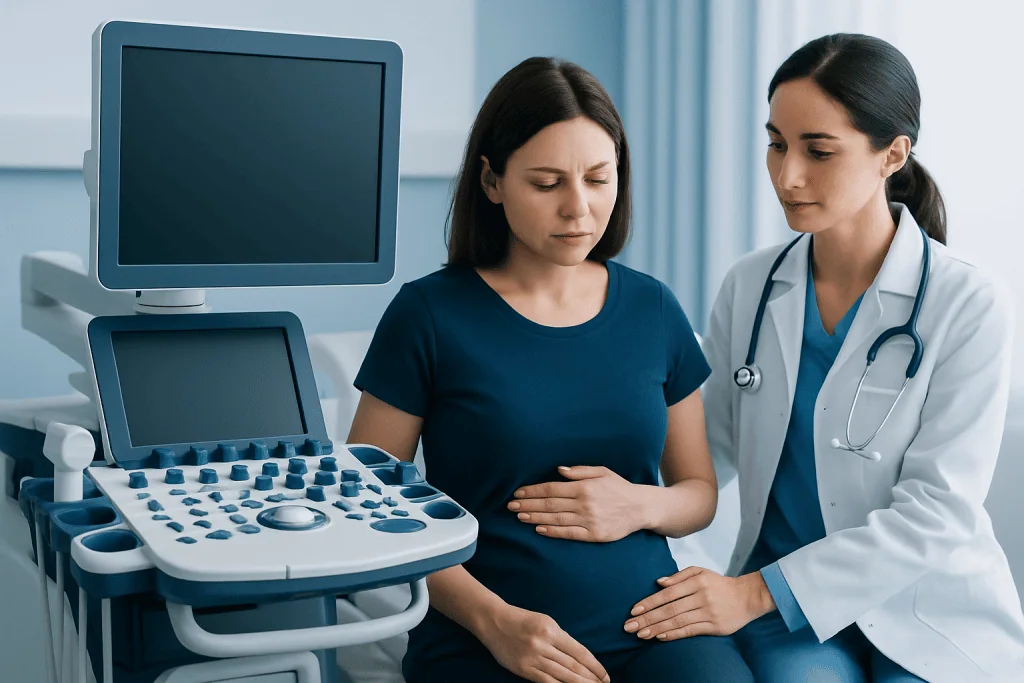
The sensation itself may feel like heat, rawness, stinging, or discomfort that rises upward from the upper stomach. Some women describe a sour or bitter taste in the mouth, especially if acid reflux is involved. Others notice pressure, belching, nausea, or a feeling of food sitting heavily after eating.
Associated symptoms often give useful clues. For example, burning that gets worse when lying down or after large meals can point toward reflux. Pain that improves or worsens with eating may be seen with gastritis or an ulcer. Burning on the right upper side after fatty foods may suggest a gallbladder problem. If the discomfort comes with bloating or changes in bowel habits, doctors may also consider functional digestive conditions.
Symptoms that deserve extra attention include vomiting, trouble swallowing, black or tarry stools, unexplained weight loss, fever, jaundice, shortness of breath, or chest pain. These features do not always mean a serious condition, but they do make prompt medical evaluation important.
- Burning after meals or at night
- Acid taste, heartburn, or regurgitation
- Nausea, bloating, belching, or early fullness
- Right-sided upper abdominal pain after fatty foods
- Pain spreading to the back or chest
Likely Causes in Women

Reflux disease is one of the most common explanations for upper abdominal burning. In reflux, stomach contents move back toward the esophagus, causing irritation and a burning feeling that may be felt in the upper stomach or chest. This may happen more often after large meals, during pregnancy, with obesity, or when lying down soon after eating. Related symptoms are discussed on the page about reflux.
Another common cause is gastritis, which means inflammation of the stomach lining. Gastritis may be triggered by infection with Helicobacter pylori, regular use of anti-inflammatory pain medicines, alcohol, smoking, or severe physical stress. Peptic ulcers can cause a similar burning pain and may be linked to the same risk factors. If ulcer disease is suspected, evaluation may overlap with care for stomach conditions, especially when there are alarm symptoms such as bleeding, anemia, or weight loss.
Gallbladder disease can also cause upper abdominal pain or burning, especially on the right side or in the middle upper abdomen. Women are affected more often than men, and symptoms may appear after fatty meals, sometimes with nausea or pain reaching the shoulder or back. Gallstones are a common reason for this pattern. Less commonly, upper abdominal burning may be linked to pancreatitis, liver disease, food intolerance, functional dyspepsia, or even non-digestive causes such as heart disease, which can sometimes present atypically in women.
Hormonal and life-stage factors can matter too. Pregnancy can increase reflux because of hormonal changes and pressure on the stomach. Some women notice worsening indigestion around menstruation. Midlife medication use, including iron supplements, some antibiotics, or anti-inflammatory drugs, may also irritate the stomach.
How Doctors Diagnose the Cause
Diagnosis begins with a careful history. A doctor will usually ask where the burning is felt, how long it has been happening, what triggers it, whether it relates to meals, and whether there are other symptoms such as vomiting, fever, bowel changes, or menstrual or pregnancy-related factors. A list of medicines and supplements is also important because several can irritate the stomach lining or worsen reflux.
A physical examination can help identify tenderness, bloating, or signs that further testing is needed. Depending on the symptoms, the doctor may recommend blood tests, stool tests, or a breath test for H. pylori infection. If gallbladder disease is suspected, ultrasound is often one of the first imaging tests used.
When symptoms are persistent, recurrent, or linked to alarm features, an upper endoscopy may be advised. This test allows direct assessment of the esophagus, stomach, and first part of the small intestine. It can help diagnose gastritis, ulcers, inflammation, or other structural problems and may be part of a broader endoscopy evaluation when symptoms do not improve as expected.
Treatment Options Based on the Underlying Problem
Treatment depends on the cause rather than the symptom alone. If reflux is responsible, doctors often recommend lifestyle measures along with medicines that reduce stomach acid. Gastritis and ulcers may also improve with acid suppression, but if H. pylori infection is present, it usually requires specific antibiotic treatment prescribed by a clinician. If a medicine such as an NSAID is irritating the stomach, the treatment plan may include stopping or changing it under medical guidance.
For gallbladder-related pain, treatment varies with the severity and findings on imaging. Some people need only symptom management and dietary adjustments, while others may benefit from surgical evaluation. When gallstones are causing repeated symptoms or complications, a doctor may discuss gallbladder surgery as a definitive option.
If testing shows persistent reflux, severe inflammation, or ulcer complications, more specialized gastroenterology care may be needed. In selected cases, treatment planning may include gastroenterology assessment for complex digestive symptoms. At the end of the diagnostic pathway, the goal is to treat the source, ease discomfort, and prevent recurrence or complications.
Acibadem International’s multidisciplinary specialists and JCI-accredited hospitals diagnose and treat digestive conditions for international patients when a more detailed evaluation is needed.
Self-Care and Prevention Strategies
Simple measures can often reduce upper abdominal burning, especially when reflux or indigestion plays a role. Eating smaller meals, avoiding late-night eating, and staying upright for a few hours after meals may help. Some people benefit from limiting foods that clearly trigger symptoms, such as very fatty meals, spicy foods, alcohol, chocolate, or heavily caffeinated drinks.
It can also help to avoid smoking and to review medicine use with a doctor or pharmacist. Regular use of nonsteroidal anti-inflammatory drugs can contribute to gastritis or ulcers, especially when taken on an empty stomach. Weight management, stress reduction, and good sleep habits may reduce symptoms in people whose discomfort is made worse by reflux or functional digestive disorders.
Pregnant women or women with chronic conditions should be cautious about self-medicating. Over-the-counter remedies may help some people, but persistent symptoms should still be assessed so that important causes are not missed. Home care is most useful when it supports, rather than replaces, proper medical evaluation.
When to Seek Medical Care
Medical care is advisable if a burning sensation in the upper abdomen lasts more than a few days, keeps returning, interrupts sleep, or affects eating and daily life. A clinician can help distinguish common conditions such as reflux or gastritis from problems that need more specific treatment.
Urgent assessment is important if the burning is severe or sudden, or if it occurs with black stools, vomiting blood, fainting, yellowing of the skin or eyes, fever, dehydration, difficulty swallowing, chest pain, or shortness of breath. Women should be especially cautious because heart-related symptoms can sometimes feel like indigestion or upper abdominal discomfort rather than classic chest pain.
If symptoms occur during pregnancy, after starting a new medicine, or with repeated right upper abdominal pain after meals, it is sensible to arrange medical review promptly. Early assessment can often shorten recovery and reduce the chance of complications.
Frequently asked questions
Is a burning sensation in the upper abdomen common in women?
Yes. It is a common symptom and is often related to reflux, indigestion, gastritis, or ulcers. Women may also experience it with gallbladder disease, pregnancy-related reflux, or medicine-related stomach irritation.
Can hormones or pregnancy cause upper abdominal burning?
They can. Pregnancy often increases reflux because hormones relax the valve between the esophagus and stomach, and the growing uterus adds pressure. Some women also notice digestive symptoms changing around menstruation, although persistent burning still deserves medical review.
How can someone tell if the cause is reflux or gallbladder disease?
Reflux often causes burning after meals or when lying down, sometimes with a sour taste or chest discomfort. Gallbladder pain is more likely to be felt in the right upper abdomen or middle upper abdomen, especially after fatty foods, and may spread to the back or shoulder. Because symptoms can overlap, diagnosis should not rely on self-assessment alone.
When is upper abdominal burning an emergency?
It needs urgent care if it comes with chest pain, shortness of breath, fainting, vomiting blood, black stools, severe dehydration, or sudden intense pain. These symptoms can point to bleeding, heart problems, infection, or other urgent conditions.
Will diet changes alone fix the problem?
Sometimes mild reflux or indigestion improves with smaller meals, avoiding triggers, and not lying down after eating. However, diet changes alone may not be enough if there is an ulcer, H. pylori infection, significant reflux disease, or gallbladder disease. Ongoing symptoms should be checked by a doctor.
What tests might a doctor order for this symptom?
The first steps are usually a medical history and physical exam. Depending on the pattern of symptoms, a doctor may suggest blood tests, H. pylori testing, ultrasound, or upper endoscopy. The exact tests depend on the location of pain, triggers, and any warning signs.
References
- National Institute of Diabetes and Digestive and Kidney Diseases
- American College of Gastroenterology
- National Health Service
- Mayo Clinic
- World Gastroenterology Organisation
This article is for general information only and is not a substitute for professional medical advice. Please consult a qualified doctor about your individual situation.
Persistent digestive symptoms? Get evaluated in Turkey
JCI-accredited · board-certified surgeons · reply within 24h
Add us as a Preferred Source to see more of our trusted health content across Google Search, AI Overviews and Discover.