Pustular Folliculitis: Diagnosis, Outlook, and Modern Treatment Approaches
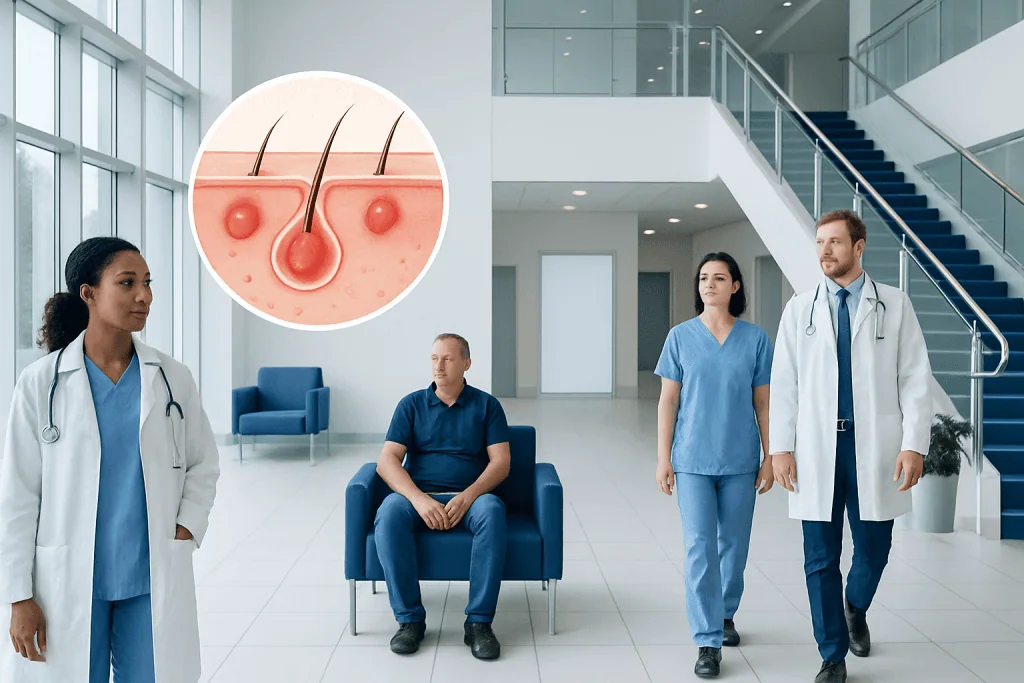
Pustular folliculitis causes small pustules centered on hair follicles, often on the face, scalp, chest, back, buttocks, or areas exposed to shaving and friction. The condition may be caused by bacteria, yeast, irritation, ingrown hairs, occlusion, or certain medicines, so treatment depends on the underlying trigger.
Key Takeaways
- Pustular folliculitis causes small pustules centered on hair follicles, often on the face, scalp, chest, back, buttocks, or areas exposed to shaving and friction.
- The condition may be caused by bacteria, yeast, irritation, ingrown hairs, occlusion, or certain medicines, so treatment depends on the underlying trigger.
- Diagnosis is usually clinical, but recurrent or severe cases may need skin swabs, fungal testing, or other evaluation.
- Most cases respond to hygiene measures, avoidance of triggers, and topical or oral treatment selected by a clinician.
- Medical review is important if the rash is spreading, painful, associated with fever, or not improving as expected.
Pustular folliculitis is a skin condition in which hair follicles become inflamed, often producing small pus-filled bumps that can itch, sting, or feel tender. In many cases it improves with the right skin care and targeted treatment, but persistent, widespread, or recurrent cases should be assessed by a doctor to confirm the cause and rule out look-alike conditions.
Overview: what pustular folliculitis means
Pustular folliculitis is inflammation of the hair follicles that produces small pus-filled bumps on the skin. These bumps often resemble acne, but they are centered around individual follicles and may be accompanied by redness, itching, burning, or tenderness. The condition can appear almost anywhere hair grows, including the scalp, beard area, chest, back, arms, thighs, and buttocks.
The term describes the appearance of the rash rather than a single cause. In some people, pustular folliculitis is linked to bacterial infection, especially with common skin bacteria. In others, it may be related to yeast overgrowth, friction, shaving, sweating, blocked follicles, hot tubs, or irritation from products and clothing.
The outlook is generally good when the cause is identified and addressed. Mild cases may settle with simple skin care and trigger avoidance, while more persistent or extensive cases may need prescription treatment. Because several skin conditions can look similar, a careful diagnosis is useful when symptoms keep returning or do not improve as expected.
How it looks and feels
Pustular folliculitis usually causes clusters of small white or yellow-topped bumps on a red base. Each spot tends to arise from a hair follicle, which helps distinguish it from some other rashes. The surrounding skin may feel warm, irritated, or sensitive, and scratching can worsen discomfort.
Symptoms vary depending on the cause and location. Some people mainly notice itching, while others feel burning or soreness, especially in areas exposed to pressure, sweat, or repeated shaving. On the scalp or beard area, the rash may be mistaken for dandruff, acne, or razor bumps. On the trunk, it may resemble heat rash or body acne.
Common features include:
- Small pustules or pimple-like bumps around hair follicles
- Redness and mild swelling of the surrounding skin
- Itching, stinging, or tenderness
- Crusting after pustules break
- Recurrence in areas of friction, shaving, or sweating
Severe pain, deeper nodules, large boils, or scarring are less typical and may suggest a more intense infection or a different skin disorder. In those situations, prompt medical assessment is sensible.
Why it happens: causes and risk factors

Pustular folliculitis develops when a hair follicle becomes irritated, blocked, inflamed, or infected. Bacteria are a common cause, particularly when the skin barrier is disrupted by shaving, scratching, tight clothing, or prolonged moisture. Another important cause is yeast-related folliculitis, which often produces itchy, fairly uniform bumps on the chest, shoulders, back, or forehead.
Not every case is infectious. Friction from sportswear, heavy sweating, occlusive skin products, oils, and repeated hair removal can trigger inflammation without a true infection. Ingrown hairs may also create follicle-centered bumps, especially in curly hair or in areas shaved closely. Certain medicines, including some acne or immunosuppressive treatments, may increase susceptibility in some patients.
Factors that can raise the risk include:
- Frequent shaving, waxing, or hair removal
- Heat, sweating, and humid environments
- Tight clothing or equipment that traps moisture
- Hot tub exposure if water sanitation is inadequate
- Oily or occlusive skin products
- Diabetes, reduced immunity, or chronic skin irritation
Because folliculitis can overlap with acne, eczema, fungal rashes, and other skin diseases, self-diagnosis is not always straightforward. Identifying the trigger is important, since the best treatment for bacterial folliculitis differs from care for yeast-related or irritation-related cases.
Diagnosis and how doctors tell it apart from similar conditions
Diagnosis usually begins with a skin examination and a discussion of symptoms, timing, and possible triggers. Doctors often ask about shaving practices, sweating, exercise, new skin products, hot tub use, recent antibiotics, and any history of acne, eczema, or immune problems. The pattern, location, and appearance of the lesions often provide strong clues.
In straightforward cases, no special test is needed. However, if pustular folliculitis is severe, widespread, recurrent, or not responding to first-line care, a clinician may take a swab or sample for bacterial culture, fungal testing, or microscopic examination. These tests can help guide treatment and reduce the chance of using the wrong medication.
Conditions that may resemble pustular folliculitis include acne vulgaris, pseudofolliculitis from ingrown hairs, fungal rashes, contact dermatitis, heat rash, and inflammatory scalp disorders. Occasionally, what seems like ordinary folliculitis is part of another problem that needs a more specialized approach. If the diagnosis is uncertain, dermatology evaluation and, in selected cases, dermatology care can help clarify the cause and treatment plan.
Modern treatment approaches
Treatment is tailored to the cause, the extent of the rash, and whether episodes are recurring. Mild bacterial folliculitis may improve with gentle cleansing, warm compresses, avoiding shaving for a time, and a prescribed topical antiseptic or antibiotic if needed. More extensive or stubborn bacterial cases may require oral medication chosen by a doctor based on the clinical picture and, when available, test results.
If yeast is suspected, antibacterial treatment alone may not help. In that situation, clinicians may recommend antifungal washes, creams, or oral antifungal treatment in selected cases. When folliculitis is mainly driven by friction, occlusion, sweat, or ingrown hairs, treatment focuses on reducing irritation and changing skin care or grooming habits rather than escalating antibiotics.
Some patients benefit from support for associated conditions or procedures when repeated inflammation leaves marks or is linked to chronic skin problems. Depending on the situation, a doctor may discuss options connected to skin treatments or evaluation of acne-like eruptions that mimic acne. If an abscess, boil, or deeper infection develops, more urgent treatment may be needed to drain or control the infection safely.
It is best to avoid picking, squeezing, or repeatedly scrubbing the bumps. These habits can push inflammation deeper, increase irritation, and make post-inflammatory marks more likely. A clinician can explain which products are helpful and which may worsen the condition.
Outlook, recurrence, and skin recovery
The outlook for pustular folliculitis is usually favorable. Many people improve within days to weeks once the trigger is removed and the appropriate treatment is started. Superficial cases often heal without scarring, though temporary darkening or redness of the skin can linger for some time, especially in individuals with darker skin tones or after scratching.
Recurrence is not unusual if the underlying cause remains in place. For example, continued close shaving, heavy sweating under tight clothing, oily products, or untreated yeast overgrowth can lead to repeated flares. Recurrent episodes do not necessarily mean a serious illness, but they do signal that the treatment plan or prevention strategy may need adjustment.
People who have diabetes, a weakened immune system, or frequent deeper infections may need a broader medical review. In persistent cases, doctors may look for contributing factors such as nasal carriage of bacteria, medication effects, or another skin disorder. Acibadem International’s multidisciplinary specialists and JCI-accredited hospitals diagnose and treat skin conditions for international patients when a more individualized assessment is needed.
Prevention and self-care
Prevention focuses on reducing irritation, moisture, and follicle blockage. Gentle cleansing after heavy sweating, prompt removal of damp clothing, and choosing breathable fabrics can help lower risk. Skin products labeled non-comedogenic or non-occlusive may be preferable for people whose flares are linked to oils or heavy creams.
Hair removal habits matter. Using a clean razor, shaving in the direction of hair growth, avoiding very close shaving, and not sharing personal grooming items may reduce follicle trauma. For some people with repeated razor-related flares, trimming rather than shaving closely can help. If folliculitis repeatedly follows shaving or waxing, it is reasonable to ask a doctor about alternative approaches, including laser hair removal in selected patients.
Helpful self-care steps include:
- Wash gently rather than scrubbing the rash
- Avoid picking or squeezing pustules
- Use clean towels, razors, and sports equipment
- Shower after exercise and hot weather sweating
- Wear looser, breathable clothing when possible
- Stop any new product that seems to trigger irritation and seek advice if unsure
Home care should not replace medical treatment when symptoms are extensive, painful, or recurrent. If over-the-counter products are being used, it is wise to stop anything harsh or highly fragranced that seems to make the rash sting or spread.
When to seek medical care
Medical review is recommended if pustular folliculitis is spreading, very painful, repeatedly coming back, or not improving after basic skin care. A doctor should also assess the rash if there is fever, marked swelling, drainage from deeper lumps, or signs that the infection may be extending beyond the follicles.
Prompt assessment is especially important for people with diabetes, reduced immunity, or widespread skin disease. Children, older adults, and anyone with facial swelling near the eyes should also be evaluated carefully. Early diagnosis can shorten symptoms and help prevent complications such as deeper infection, persistent pigmentation changes, or unnecessary antibiotic use.
When symptoms are mild, scheduling a routine appointment is usually appropriate. If there is rapid worsening, severe pain, or extensive redness and warmth, urgent medical care is the safer choice.
Frequently asked questions
Is pustular folliculitis the same as acne?
No. Pustular folliculitis and acne can look similar, but folliculitis starts in hair follicles and is often related to infection, yeast, friction, or shaving. Acne typically involves blackheads, whiteheads, and deeper inflammatory lesions linked to oil and clogged pores.
Can pustular folliculitis go away on its own?
Mild cases sometimes improve with gentle skin care, avoiding friction, and stopping the trigger. However, persistent or recurrent cases often need medical treatment because the cause may be bacterial, fungal, or irritation-related. If it is not improving, a doctor can help identify the reason.
Is pustular folliculitis contagious?
The condition itself is not always contagious because many cases are caused by irritation or yeast balance rather than direct spread. However, if bacteria are involved, sharing razors, towels, or poorly cleaned equipment may contribute to transmission. Good hygiene and not sharing personal items are sensible precautions.
What makes folliculitis keep coming back?
Recurrence may happen when the original trigger remains, such as close shaving, sweating under tight clothing, oily products, or repeated friction. Sometimes the initial treatment did not match the true cause, for example when a yeast-related rash was treated only as a bacterial one. Recurrent episodes deserve a medical review.
Should pustular folliculitis be squeezed or scrubbed?
No. Squeezing or aggressive scrubbing can worsen inflammation, push infection deeper, and increase the risk of marks or scarring. Gentle cleansing and following a doctor's treatment plan are safer and usually more effective.
When should someone worry about pustular folliculitis?
Medical attention is important if the rash becomes very painful, rapidly spreads, forms large boils, or is associated with fever or significant swelling. It is also wise to seek care if symptoms keep returning, occur in someone with diabetes or reduced immunity, or do not improve with basic measures.
References
- American Academy of Dermatology
- National Health Service
- Merck Manual Consumer Version
- Mayo Clinic
- British Association of Dermatologists
This article is for general information only and is not a substitute for professional medical advice. Please consult a qualified doctor about your individual situation.
Folliculitis in Turkey — costs, top hospitals & a free quote
JCI-accredited · board-certified surgeons · reply within 24h
Add us as a Preferred Source to see more of our trusted health content across Google Search, AI Overviews and Discover.

More from the Health Library



Related Specialists

Assoc. Prof. Dr. Arzu Yurci
Gynecology & Obstetrics
Tuğçe Doğan
Physical Medicine & Rehabilitation
Assoc. Prof. Dr. F. Arda Atar
Urology
Prof. Dr. Korhan Özkan
Orthopedic Surgery & Traumatology