Surgeries for Peptic Ulcer: A Complete Medical Overview

Most peptic ulcers are treated successfully without surgery. Surgery is mainly considered for bleeding, perforation, blockage, or ulcers that do not respond to medical treatment.
Key Takeaways
- Most peptic ulcers are treated successfully without surgery.
- Surgery is mainly considered for bleeding, perforation, blockage, or ulcers that do not respond to medical treatment.
- The type of operation depends on the ulcer’s location, the complication, and the patient’s overall health.
- Treating Helicobacter pylori infection and avoiding NSAID overuse can help prevent recurrence.
- Prompt medical care is important for severe abdominal pain, vomiting blood, black stools, or fainting.
Surgeries for peptic ulcer are usually reserved for emergencies or complications such as bleeding, perforation, or gastric outlet obstruction, because most ulcers heal with medicines and treatment of the underlying cause. Understanding when surgery is needed, which procedures may be used, and what recovery involves can help patients make informed decisions with their care team.
Overview: When Are Surgeries for Peptic Ulcer Needed?
Surgeries for peptic ulcer are not the first-line treatment for most patients. Today, many stomach and duodenal ulcers heal with acid-suppressing medicines, treatment for Helicobacter pylori infection, and changes such as stopping nonsteroidal anti-inflammatory drugs (NSAIDs) when possible. Because of these advances, surgery is now used mainly when an ulcer causes a serious complication or fails to improve with appropriate medical treatment.
A peptic ulcer is a sore in the lining of the stomach or the first part of the small intestine, called the duodenum. Ulcers can cause pain, nausea, bloating, and, in some cases, dangerous problems such as internal bleeding, a hole in the stomach or intestine wall, or scarring that blocks food from passing normally. In these situations, surgery may be necessary to control the complication and protect overall health.
The exact operation depends on the cause of the ulcer, whether it is in the stomach or duodenum, and whether the situation is urgent. Some operations are focused on repairing a hole or stopping bleeding, while others remove the diseased area or reduce acid production. The care plan is individualized and often guided by gastroenterologists and general surgeons working together.
Understanding Peptic Ulcers and Their Complications
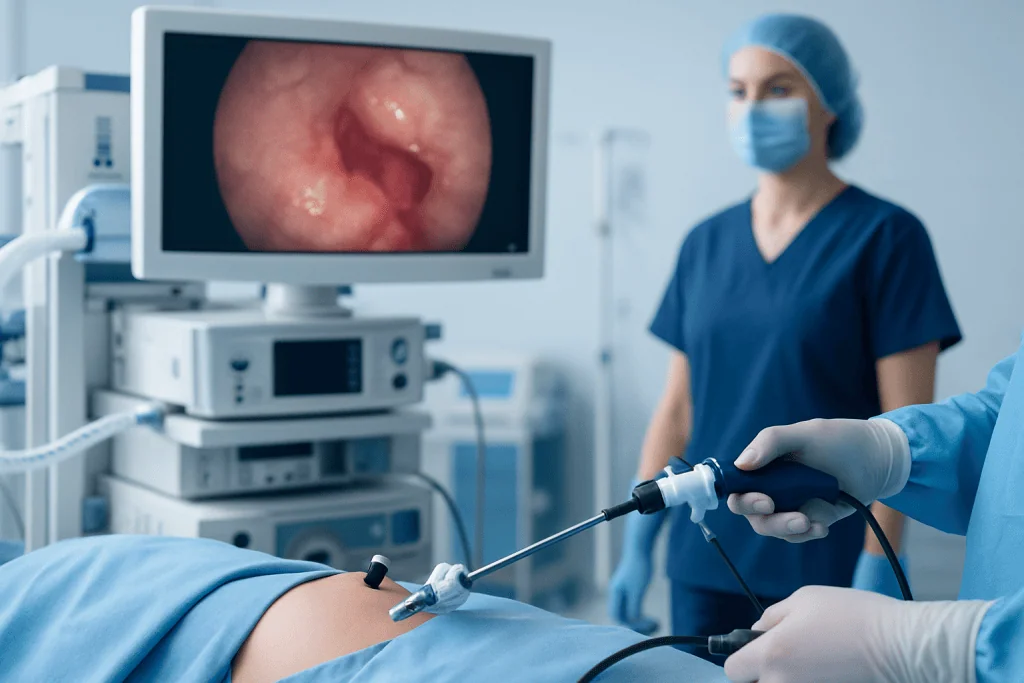
Peptic ulcers usually develop when the protective lining of the stomach or duodenum is damaged and digestive acid irritates the tissue underneath. The most common causes are H. pylori infection and frequent use of NSAIDs such as ibuprofen, naproxen, or aspirin. Less commonly, ulcers may be linked to severe illness, smoking, heavy alcohol use, or rare conditions that increase acid production.
Many ulcers cause burning or gnawing pain in the upper abdomen, but some produce only mild symptoms or no symptoms at all. Others may cause fullness after meals, nausea, poor appetite, or unexplained tiredness if slow bleeding leads to anemia. Because symptoms vary, the seriousness of an ulcer cannot be judged by discomfort alone.
Complications are the main reason surgery enters the discussion. These include:
- Bleeding: An ulcer may erode into a blood vessel and cause vomiting blood, black tarry stools, weakness, or dizziness.
- Perforation: A hole can form in the stomach or duodenal wall, allowing contents to leak into the abdomen and trigger severe pain and infection.
- Penetration: The ulcer may extend into a nearby organ, such as the pancreas.
- Gastric outlet obstruction: Swelling or scarring can narrow the outlet of the stomach, causing persistent vomiting and difficulty eating.
Patients who want to understand the underlying condition may also find it helpful to read about peptic ulcer disease, since surgery is only one part of the broader treatment picture.
Who May Need Peptic Ulcer Surgery?
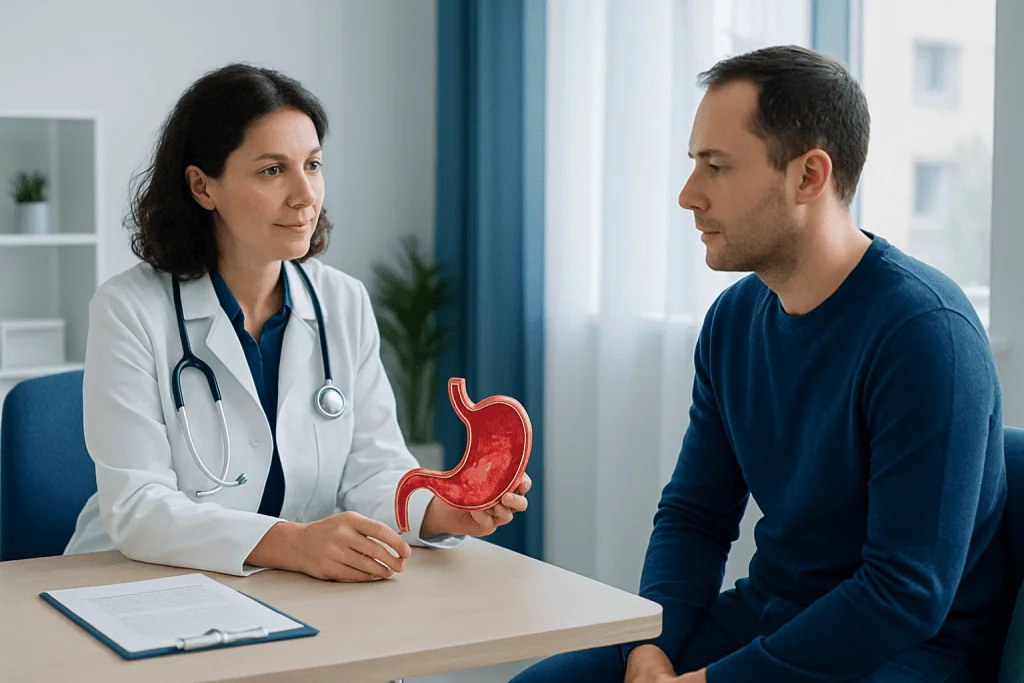
The strongest reasons for surgery are urgent complications. A perforated ulcer often requires emergency surgery because leakage into the abdominal cavity can quickly become life-threatening if not treated. Ongoing or recurrent bleeding may also lead to surgery when endoscopic therapy and medicines do not control the problem or when bleeding returns repeatedly.
Another common reason is obstruction. If an ulcer causes severe swelling or long-term scarring near the pylorus, food may not pass out of the stomach normally. This can lead to repeated vomiting, dehydration, weight loss, and electrolyte imbalance. Some people improve with medical therapy and endoscopic treatment, but surgery may be needed when the narrowing is severe or persistent.
In a smaller number of cases, surgery is considered for ulcers that do not heal despite appropriate treatment. This may happen if the diagnosis is uncertain, if a stomach ulcer raises concern for cancer, if medicine cannot be tolerated, or if the underlying cause continues. Before surgery, doctors usually reassess factors such as H. pylori status, NSAID exposure, smoking, and whether there may be another condition contributing to the ulcer.
Because some symptoms can overlap with other digestive conditions, clinicians may also evaluate for problems such as gastritis when appropriate.
Types of Surgeries for Peptic Ulcer
The procedure used depends on the ulcer complication and the patient’s condition. In an emergency, the immediate goal is often to repair the damage and stabilize the patient. In non-emergency settings, the aim may be to remove the diseased area, relieve obstruction, or lower acid production if needed.
Common surgical approaches include:
- Simple closure with an omental patch: Often used for a perforated duodenal or gastric ulcer. The surgeon closes the hole and reinforces it with a small piece of fatty tissue from inside the abdomen.
- Partial gastrectomy: Removal of part of the stomach may be considered for certain gastric ulcers, recurrent ulcers, uncontrolled bleeding, or when cancer cannot be ruled out.
- Vagotomy: This operation cuts branches of the vagus nerve to reduce acid secretion. It is used less often today because medical therapy is effective, but it may still be considered in selected cases.
- Pyloroplasty or bypass procedures: These may help when obstruction prevents food from leaving the stomach properly.
Some patients may be treated with minimally invasive techniques depending on the urgency, the surgeon’s assessment, and the patient’s stability. If part of the stomach needs to be removed, this may overlap with procedures described under gastrectomy in broader surgical care. In other situations, the first step to evaluate or treat bleeding is not surgery but an endoscopic procedure such as endoscopy.
Surgery is chosen carefully because it can be highly effective when necessary, but it also carries risks and recovery demands. The medical team usually explains why one option is preferred over another and whether the operation is intended as definitive treatment or emergency control of a complication.
Diagnosis and Decision-Making Before Surgery
When peptic ulcer surgery is being considered, doctors first confirm the diagnosis and define the complication as clearly as possible. This often starts with a medical history, physical examination, blood tests, and imaging. Blood tests may look for anemia, infection, kidney function, and electrolyte imbalances, especially if the patient has been vomiting or bleeding.
Upper gastrointestinal endoscopy is a key tool in many cases because it allows the doctor to see the ulcer directly, take tissue samples if needed, and sometimes stop bleeding without surgery. If there is sudden severe abdominal pain and a perforation is suspected, imaging such as an upright chest X-ray or CT scan may be used to look for free air or fluid in the abdomen. In severe obstruction, imaging and endoscopy can help determine where and how much narrowing is present.
Decision-making also includes reviewing the patient’s age, other medical conditions, current medications, and how stable they are. A person with active bleeding, shock, or signs of widespread infection may need emergency treatment very quickly. A patient with a chronic nonhealing ulcer may have more time to discuss options, second opinions, and the likely benefits and risks of surgery compared with continued medical care.
Specialists in gastroenterology and surgery often work together to make this decision. At centers such as Acibadem International, multidisciplinary specialists in JCI-accredited hospitals diagnose and treat digestive conditions for international patients, including complex ulcer complications when surgery is needed.
Recovery, Risks, and Long-Term Outlook
Recovery after peptic ulcer surgery depends on the procedure performed, whether it was an emergency, and the patient’s general health. After surgery, patients are monitored for pain control, hydration, bowel function, and signs of infection or ongoing bleeding. Eating usually resumes gradually, beginning with fluids and advancing as tolerated under the guidance of the medical team.
Possible risks vary by operation but may include wound infection, leakage from the repair site, pneumonia, blood clots, delayed stomach emptying, or complications related to anesthesia. When part of the stomach is removed or its function is altered, some patients may develop nutritional issues, changes in appetite, or symptoms such as early fullness, diarrhea, or dumping syndrome. These problems can often be managed with dietary adjustments and medical follow-up.
The long-term outlook is often good when the underlying cause of the ulcer is addressed. If H. pylori infection is present, it should be treated completely. If NSAIDs contributed to the ulcer, a doctor may recommend avoiding them or using alternatives when possible. Ongoing acid suppression may be needed in some cases, especially after a complicated ulcer.
Follow-up care matters just as much as the operation itself. Patients may need repeat endoscopy, blood tests, and discussions about nutrition, pain medicine, and smoking cessation. These steps help reduce the chance of recurrence and support a smoother recovery.
Prevention and Self-Care After an Ulcer
Even though surgery can treat a serious ulcer complication, prevention remains essential. The most effective strategy is to identify and treat the underlying cause. For many people, that means testing for and treating H. pylori, avoiding unnecessary NSAID use, and taking prescribed ulcer medicines exactly as directed.
Helpful self-care measures may include:
- Not smoking, as smoking can interfere with healing and increase recurrence risk.
- Limiting alcohol if a doctor advises this, especially during recovery.
- Reviewing all medicines with a clinician, including over-the-counter pain relievers.
- Eating smaller, balanced meals if appetite is reduced after treatment.
- Attending all follow-up appointments and reporting new symptoms promptly.
Some people wonder whether diet alone causes ulcers. In most cases, it does not. However, certain foods may worsen discomfort in some individuals, so it can help to notice personal triggers and avoid meals that increase symptoms. Self-care should support, not replace, medical treatment.
For patients recovering from a major digestive operation, a doctor may also recommend nutritional counseling or a structured gastroenterology follow-up plan to support healing and symptom control.
When to Seek Medical Care
Medical advice should be sought promptly for ongoing upper abdominal pain, nausea, vomiting, poor appetite, unexplained weight loss, or symptoms that keep returning despite treatment. A doctor should also review any history of ulcer disease in someone who needs regular NSAIDs or aspirin, because preventive treatment may be appropriate.
Urgent medical care is especially important if a person vomits blood, passes black or maroon stools, feels faint, develops sudden severe abdominal pain, has a rigid abdomen, or cannot keep fluids down. These symptoms can suggest bleeding, perforation, or obstruction and should not be ignored.
Early treatment often prevents complications and may reduce the likelihood that surgery will be needed. If surgery is required, timely evaluation helps the care team choose the safest and most effective approach for the individual patient.
Frequently asked questions
Is surgery common for peptic ulcers?
No. Most peptic ulcers are treated successfully with medicines, treatment of H. pylori infection, and stopping ulcer-causing drugs when possible. Surgery is now mainly used for complications such as bleeding, perforation, blockage, or ulcers that do not heal.
What is the most common emergency surgery for a perforated ulcer?
A common emergency approach is surgical closure of the hole, often reinforced with an omental patch. The exact method depends on where the ulcer is located, how large the perforation is, and the patient’s overall condition.
Can bleeding ulcers be treated without surgery?
Often, yes. Many bleeding ulcers can be treated during endoscopy with techniques that stop the bleeding, along with intravenous medicines and supportive care. Surgery may be needed if endoscopic treatment fails or bleeding keeps coming back.
How long does recovery take after peptic ulcer surgery?
Recovery varies based on the type of operation and whether it was performed urgently or as a planned procedure. Some patients recover over a few weeks, while others need longer follow-up, especially after more extensive stomach surgery.
Will surgery cure the ulcer permanently?
Surgery can treat the immediate complication and may greatly reduce recurrence risk, but the underlying cause still needs attention. Treating H. pylori, reviewing NSAID use, and following medical advice are important to prevent future ulcers.
Are there long-term effects after ulcer surgery?
Some people recover without major long-term problems, while others may notice changes in appetite, fullness, bowel habits, or nutrition depending on the procedure. Follow-up care helps detect and manage these issues early.
References
- National Institute of Diabetes and Digestive and Kidney Diseases
- American College of Gastroenterology
- National Health Service
- Merck Manual Consumer Version
- World Gastroenterology Organisation
This article is for general information only and is not a substitute for professional medical advice. Please consult a qualified doctor about your individual situation.
Peptic Ulcer in Turkey — costs, top hospitals & a free quote
JCI-accredited · board-certified surgeons · reply within 24h
Add us as a Preferred Source to see more of our trusted health content across Google Search, AI Overviews and Discover.

Gastroenterology
Diagnosis and treatment of the digestive system and liver, with advanced endoscopy.
43 specialists in this unitMore from the Health Library



Related Specialists

Dr. Atilla Damlacık
Radiology
Dr. Süveyda Yeşilaras
Emergency Service
Dr. Sırrı Baştürk
Orthopedic Surgery & Traumatology
Psk. Zeynep Şevval Ekşi
Psychology