Lightening Hair in the Sun: An Evidence-Based Guide for Patients
Sunlight can gradually lighten hair by altering melanin, especially in lighter hair colors. The effect is unpredictable and often comes with dryness, brittleness, frizz, and scalp irritation.
Key Takeaways
- Sunlight can gradually lighten hair by altering melanin, especially in lighter hair colors.
- The effect is unpredictable and often comes with dryness, brittleness, frizz, and scalp irritation.
- Hair itself does not get sunburned, but the scalp can, particularly along part lines and thinning areas.
- Gentle cleansing, conditioning, hats, and UV-protective hair products can help limit damage.
- Medical advice is important if there is scalp burning, rash, hair loss, or sudden changes in hair or skin.
Lightening hair in the sun is possible because ultraviolet radiation can break down hair pigment over time. However, the same exposure that makes hair look lighter can also dry the hair shaft, weaken it, and irritate the scalp, so a balanced, protective approach is important.
Overview: Can the Sun Really Lighten Hair?
Yes. Lightening hair in the sun can happen because ultraviolet (UV) radiation changes the hair’s natural pigment, called melanin. Over repeated exposure, hair may appear a few shades lighter, especially if it is naturally blonde, light brown, gray, or fine in texture. The effect is usually gradual rather than dramatic.
At the same time, sunlight does not selectively lighten hair without consequences. UV radiation can also break down proteins and surface lipids in the hair shaft, leading to dryness, roughness, fading, and increased breakage. For many people, what looks like “natural highlights” may also be early sun-related hair damage.
This matters because hair health and scalp health are closely linked. A person may be focused on color change but overlook scalp redness, flaking, sensitivity, or hair fragility. An evidence-based approach considers both cosmetic goals and protection, especially during prolonged outdoor exposure.
How Sunlight Changes Hair Color

Hair color depends largely on melanin, the same broad family of pigments that contributes to skin color. UV light can oxidize and degrade melanin in the hair shaft. When pigment molecules break down, the hair reflects light differently and may look lighter, warmer, duller, or more brassy than before.
The degree of change depends on several factors, including natural hair color, previous coloring or bleaching, hair thickness, sun intensity, and how long the hair is exposed. Hair that has already been chemically processed often lightens and fades more unevenly because the cuticle is more porous.
Sun exposure can also change the texture of hair. UV radiation may weaken keratin, the main structural protein in hair, while heat, wind, chlorine, and salt water can add further stress. This is one reason hair may feel dry or coarse after a sunny holiday even when the color change seems mild.
People sometimes combine sun exposure with acidic ingredients or peroxide-based products to speed up lightening. This can intensify the effect, but it also increases the chance of cuticle damage, split ends, and scalp irritation. A safer goal is to minimize cumulative damage rather than chase rapid color change.
Who Is Most Likely to Notice Sun-Lightened Hair?
Lightening hair in the sun is usually most noticeable in people with naturally lighter hair shades. Blonde and light brown hair often show visible fading first, while gray or white hair may develop yellowing or dullness rather than a brighter tone. Very dark hair can lighten as well, but the change is often subtler and may appear reddish or brassy.
Hair condition also matters. Fine, dry, porous, or chemically treated hair tends to change more quickly because the outer cuticle offers less protection. Children and people who spend many hours outdoors may also notice more visible fading over the summer months.
Scalp coverage is another important consideration. Individuals with thinning hair, a wide part line, or a shaved scalp may have greater sun exposure where skin is visible. In these cases, protection should focus not only on hair appearance but also on preventing scalp irritation and sunburn.
If hair changes are accompanied by increased shedding, patchy hair loss, scaling, or inflammation, the issue may not be simple sun fading. Conditions affecting the scalp and hair follicles may need medical assessment, including alopecia or inflammatory scalp disorders.
Potential Risks: Hair Damage and Scalp Irritation
The main downside of lightening hair in the sun is damage to the hair shaft. UV exposure can reduce moisture, roughen the cuticle, and weaken the protein structure of hair. As a result, hair may become frizzy, tangled, brittle, or more likely to split at the ends.
The scalp is also vulnerable. Unlike hair, the scalp is living skin and can burn. Redness, tenderness, flaking, itching, or peeling after sun exposure may indicate irritation or sunburn, particularly on the crown, temples, or along the part line. Repeated UV exposure to the scalp can contribute to premature skin aging and raise concern for skin cancer over time.
Chemically treated hair deserves extra caution. Bleached, highlighted, relaxed, or permed hair already has a more fragile cuticle. Additional sun exposure may intensify color fading and make breakage more likely. In some cases, people mistake broken short hairs for shedding from the root.
People with eczema, psoriasis, seborrheic dermatitis, or a history of sensitive skin may find that sun, sweat, fragranced products, and salt water worsen symptoms. Ongoing irritation should not be ignored, especially if there is crusting, pain, or persistent scaling.
Safer Ways to Protect Hair and Scalp Outdoors
A practical approach is to enjoy time outdoors while reducing unnecessary UV stress. Physical protection is often the simplest and most effective measure. A wide-brimmed hat, cap, scarf, or umbrella can protect both the hair shaft and the scalp, especially during the strongest midday sun.
Hair-care products can also help. Leave-in conditioners, silicone-based serums, and sprays labeled for UV or heat protection may reduce moisture loss and surface roughness. These products do not make sun exposure risk-free, but they can support the hair barrier and improve manageability after time outside.
General scalp and skin protection is equally important. Sunscreen should be used on exposed skin, and some formulations are made specifically for the scalp or part line. People who are concerned about broader skin protection may also benefit from advice similar to preventive dermatology care, and in selected situations a specialist may discuss dermatology evaluation for scalp symptoms or recurrent sun-related irritation.
- Limit long periods of direct midday sun when possible.
- Rinse hair after swimming in salt water or chlorinated pools.
- Use gentle shampoo and a moisturizing conditioner.
- Avoid combining intense sun exposure with harsh DIY lightening methods.
- Trim split ends if hair becomes rough or breaks easily.
What to Do if Hair Feels Dry, Dull, or Fragile
If hair feels damaged after sun exposure, simple restorative measures are often helpful. Reducing heat styling, using a nourishing conditioner, and applying a leave-in product can improve softness and reduce breakage. Washing less aggressively and avoiding very hot water may also help preserve natural oils.
It is wise to pause additional stressors for a time. This includes bleaching, frequent straightening, high-heat blow drying, or repeated use of strong clarifying products. When the cuticle is already compromised, less manipulation generally supports recovery.
If scalp discomfort is part of the problem, care should focus on skin as well as hair. Fragrance-free products, gentle cleansing, and avoidance of scratching can reduce irritation. Persistent flaking, redness, or itching may overlap with common scalp conditions such as seborrheic dermatitis, which can mimic simple dryness.
When symptoms are ongoing or the diagnosis is unclear, specialist input may be appropriate. Assessment in hair and scalp clinics or by a dermatologist can help distinguish cosmetic damage from medical causes of hair thinning, scalp inflammation, or structural hair fragility.
When to Seek Medical Care
Medical advice is appropriate if there is significant scalp redness, blistering, severe tenderness, or a rash after sun exposure. These features may suggest a sunburn, contact reaction, infection, or another inflammatory problem rather than simple dryness.
A clinician should also evaluate sudden or excessive hair shedding, patchy hair loss, scaly plaques, sores that do not heal, or changes in a mole on the scalp. These are not expected effects of normal seasonal lightening and deserve professional attention.
People with a history of skin cancer, autoimmune disease, chronic scalp conditions, or repeated sun sensitivity may benefit from earlier review. In some cases, a doctor may recommend examination by dermatology, trichology, or other specialists depending on the pattern of symptoms.
For international patients who need evaluation, Acibadem International’s multidisciplinary specialists and JCI-accredited hospitals diagnose and treat hair, scalp, and skin concerns, with access to services that may include skin cancer treatment when clinically indicated.
Frequently asked questions
Does sunlight naturally lighten hair?
Yes. Sunlight can gradually lighten hair by breaking down melanin, the pigment inside the hair shaft. The effect is usually strongest in lighter or more porous hair and often comes with some dryness or roughness.
Is lightening hair in the sun safe?
It is not completely harmless. While some people notice a mild natural lightening effect, UV exposure can dry the hair, weaken the cuticle, and irritate or burn the scalp. Protection such as hats and scalp sunscreen helps reduce these risks.
Why does my hair feel dry after being in the sun?
UV radiation, heat, wind, and water exposure can all reduce moisture and damage the hair surface. This makes hair feel rougher, frizzier, or more brittle. Conditioning products and reduced heat styling often help improve texture.
Can the sun damage the scalp even if hair covers it?
Yes. The scalp can still be exposed, especially along the part line, hairline, crown, or thinning areas. Repeated exposure may lead to redness, peeling, tenderness, and long-term sun damage to the skin.
Will the sun lighten dark hair too?
It can, but the change may be subtler. Dark hair may develop warmer, reddish, or brassy tones rather than a clearly lighter blonde effect. The visible result depends on natural pigment, hair condition, and length of exposure.
When should someone see a doctor about sun-related hair or scalp changes?
Medical care is important if there is scalp burning, blistering, a persistent rash, unusual hair loss, or sores that do not heal. A doctor should also assess any changing scalp mole or ongoing scaling and inflammation.
References
- American Academy of Dermatology
- National Institutes of Health
- World Health Organization
- American Academy of Pediatrics
- British Association of Dermatologists
This article is for general information only and is not a substitute for professional medical advice. Please consult a qualified doctor about your individual situation.
Hair transplant in Turkey — costs, graft counts & a free assessment
JCI-accredited · board-certified surgeons · reply within 24h
Add us as a Preferred Source to see more of our trusted health content across Google Search, AI Overviews and Discover.

More from the Health Library
Related Specialists
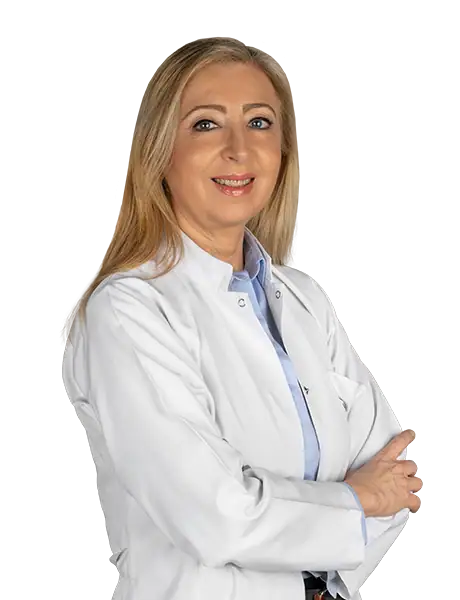
Prof. Dr. Zeynep Güven
Physical Medicine & Rehabilitation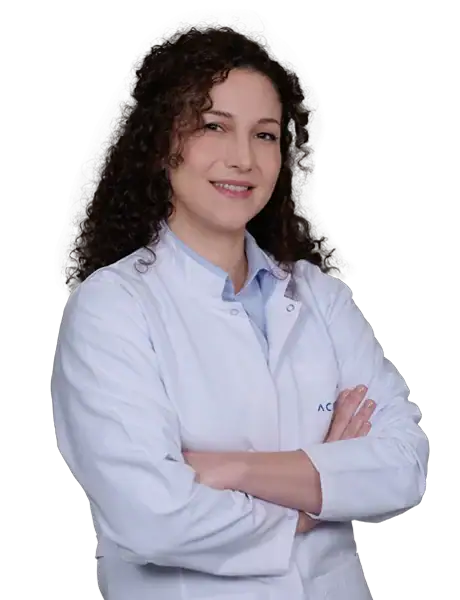
Assoc. Prof. Dr. Ece Uysal
Neurosurgery
Dr. Safiye Küçükgül
Ophthalmology
Dr. Mustafa Mutlu
Inpatient Clinic Physicians Clinical Service