Neck and Shoulder Ache: Possible Causes and When to Seek Care

Most neck and shoulder aches are mechanical, meaning they arise from muscles, joints, tendons, or everyday strain. The location and pattern of symptoms can help distinguish neck-related pain from a shoulder joint problem.
Key Takeaways
- Most neck and shoulder aches are mechanical, meaning they arise from muscles, joints, tendons, or everyday strain.
- The location and pattern of symptoms can help distinguish neck-related pain from a shoulder joint problem.
- Numbness, tingling, weakness, severe headache, fever, or pain after significant trauma may require timely medical evaluation.
- Gentle activity, posture changes, heat or cold therapy, and ergonomic adjustments can support recovery from uncomplicated aches.
- A clinician may recommend examination, imaging, physiotherapy, medication, or specialist care when symptoms persist or suggest a specific condition.
Neck and shoulder ache is commonly related to muscle tension, prolonged posture, awkward sleeping positions, or overuse, and it often improves with gentle movement and self-care. However, pain following an injury, pain with arm weakness or numbness, or pain accompanied by chest symptoms should be assessed promptly.
What Can Cause a Neck and Shoulder Ache?
A neck and shoulder ache is often caused by irritation or strain in the muscles, joints, ligaments, tendons, or nerves that connect the neck, upper back, and shoulder. These areas work closely together during daily activities, so discomfort may begin in one location and be felt in the other. For example, tight neck muscles may create aching across the top of the shoulder blade, while a shoulder problem may make the neck muscles tense as they compensate.
In many cases, the ache develops gradually after long periods of computer work, driving, phone use, lifting, repetitive movement, stress, or sleeping in an uncomfortable position. It may feel dull, tight, heavy, burning, or stiff, and can become more noticeable at the end of the day. A simple muscle-related ache commonly improves over days to a few weeks with appropriate self-care and activity modification.
Not all neck and shoulder pain has the same source. Pain that worsens when turning the head may be more likely to involve the neck, whereas pain brought on by reaching overhead or lying on one shoulder may point toward the shoulder itself. A careful assessment is useful when pain is severe, recurrent, or does not follow a typical recovery pattern.
Common Patterns and Associated Symptoms
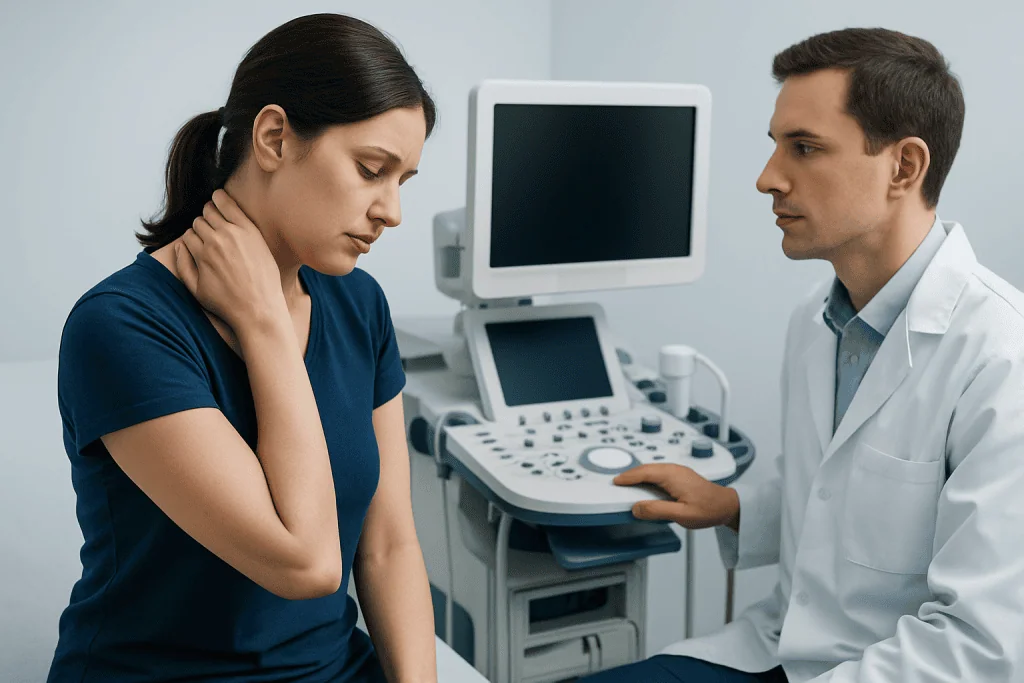
Muscle tension or strain can cause soreness, stiffness, tenderness, and a limited ability to turn the head or lift the arm comfortably. Some people notice trigger points, which are tender areas in a muscle that can send pain toward the shoulder blade, upper arm, or head. Stress, fatigue, and poor sleep may increase muscle tension and make these symptoms more noticeable.
When a nerve in the neck is irritated or compressed, symptoms may travel from the neck into the shoulder, arm, hand, or fingers. This may be described as sharp, electric, shooting, or burning pain. Tingling, numbness, reduced sensation, or weakness in the arm or hand can also occur. These symptoms should not be ignored, especially if they are progressing or affecting daily function.
Shoulder conditions may cause pain at the outer shoulder or upper arm, particularly with lifting, reaching behind the back, dressing, or sleeping on the affected side. Reduced shoulder range of motion, clicking, weakness, or pain during specific movements can provide useful clues. In some cases, neck and shoulder symptoms occur together because both regions are affected.
- Stiffness after sitting, driving, or sleeping may suggest muscular or joint-related irritation.
- Pain spreading below the elbow with tingling may suggest nerve involvement from the neck.
- Pain mainly during overhead reaching may suggest a shoulder tendon, bursa, or joint issue.
- Sudden severe pain after a fall, collision, or sports injury may indicate an injury requiring assessment.
Possible Causes and Risk Factors

Everyday mechanical causes are the most frequent explanation for a neck and shoulder ache. These include muscle strain from lifting, carrying heavy bags, exercise without adequate conditioning, repetitive work, or maintaining one posture for too long. Poor workstation setup, holding a phone between the ear and shoulder, and using a laptop without suitable support can place extra stress on the neck and upper back.
Age-related changes in the cervical spine can also contribute. The discs and small joints in the neck may gradually change over time, sometimes leading to stiffness or narrowing around nerve pathways. Cervical radiculopathy is a term used when a neck nerve root becomes irritated and causes pain, tingling, numbness, or weakness down the arm. Neck symptoms can also be related to conditions such as cervical disc herniation when a disc affects a nearby nerve.
Shoulder-specific causes include rotator cuff tendinopathy or tears, bursitis, osteoarthritis, instability, and frozen shoulder. These can arise from overuse, injury, aging, diabetes, or periods of reduced shoulder movement. A clinician may also consider inflammatory conditions, infections, or referred pain from internal organs when symptoms and examination findings do not fit a typical musculoskeletal pattern.
Risk factors that may make symptoms more likely include low physical activity, repetitive overhead work, weak upper-back and shoulder muscles, smoking, stress, insufficient sleep, and previous neck or shoulder injuries. These factors do not mean a serious condition is present, but addressing modifiable factors may support recovery and reduce recurrence.
How Neck and Shoulder Pain Is Evaluated
Assessment usually begins with a discussion about when the ache started, whether there was an injury, which movements worsen it, and whether pain spreads into the arm. A clinician will also ask about numbness, weakness, headaches, fever, weight changes, chest discomfort, breathing symptoms, and medical history. This helps identify whether the pain is likely to be mechanical or whether another cause should be investigated.
During the physical examination, the clinician may check posture, neck and shoulder movement, muscle tenderness, strength, reflexes, sensation, and arm function. Certain movements or tests can help determine whether symptoms are coming mainly from the neck, shoulder, or both. The examination is also important for identifying signs of nerve compression or a significant injury.
Imaging is not always needed for a new, uncomplicated ache. X-rays may be considered after trauma or when bone or joint changes are suspected. Magnetic resonance imaging, or MRI, can provide more detail about discs, nerves, tendons, and other soft tissues when symptoms persist, neurological findings are present, or surgery is being considered. Blood tests may be used if inflammation, infection, or another systemic condition is a concern.
Treatment and Recovery Options
Treatment depends on the likely cause, severity, and duration of symptoms. For uncomplicated muscle strain or posture-related pain, the initial approach often includes staying gently active, avoiding movements that sharply worsen pain, and gradually returning to normal activities. Complete rest for prolonged periods is usually not helpful because it can increase stiffness and reduce muscle conditioning.
Heat may help relax tight muscles and ease stiffness, while a cold pack may be more comfortable soon after a minor strain or flare-up. Non-prescription pain relief or anti-inflammatory medicines may be suitable for some people, but should be chosen with advice from a pharmacist or clinician, particularly for people with stomach, kidney, heart, bleeding, pregnancy, or medication-related considerations. A doctor may recommend other medicines for selected situations, but treatment should be individualized.
Physiotherapy can help improve neck and shoulder mobility, strengthen supporting muscles, address movement patterns, and guide a safe exercise plan. It may be particularly useful for persistent symptoms, recurring pain, or recovery after injury. Treatment for a confirmed shoulder tendon condition, frozen shoulder, or nerve-related neck problem may also include targeted rehabilitation, injections in selected cases, or specialist procedures when conservative care is not enough.
Most people do not need surgery for neck and shoulder pain. Surgery may be considered when there is a structural problem causing persistent severe symptoms, substantial weakness, worsening nerve impairment, instability, or pain that has not improved with appropriate non-surgical treatment. Decisions should be made after specialist evaluation and shared discussion of expected benefits and risks.
Prevention and Self-Care at Home
Small changes in daily habits can reduce strain on the neck and shoulders. When working at a desk, the screen should generally be positioned around eye level, with the back supported and shoulders relaxed. Keeping frequently used items close by can reduce repeated reaching. During phone use, holding the device higher and taking regular breaks may help avoid prolonged neck bending.
Gentle movement is often more beneficial than rigidly holding the neck still. Short walks, careful shoulder rolls, and comfortable range-of-motion exercises may reduce stiffness. Exercises should not produce sharp pain, increasing tingling, or weakness. A physiotherapist can provide individualized guidance, especially after injury or when symptoms have lasted several weeks.
Sleep positioning may also matter. A pillow that supports the natural curve of the neck without lifting the head too high or allowing it to drop may improve comfort. Side sleepers may find that supporting the upper arm or placing a pillow between the arms reduces shoulder pressure. Regular activity, gradual strengthening, stress management, and adequate sleep can all support muscle health.
- Take brief movement breaks during long periods of sitting or driving.
- Warm up before unfamiliar exercise, lifting, or repetitive tasks.
- Increase activity and strength training gradually rather than suddenly.
- Avoid carrying heavy bags on one shoulder whenever possible.
- Seek professional guidance before starting exercises if symptoms include numbness or weakness.
When to Seek Medical Care
Medical advice is recommended if a neck and shoulder ache lasts longer than a few weeks, repeatedly returns, interferes with sleep or work, or does not improve with reasonable self-care. An appointment is also appropriate if there is increasing limitation in neck or shoulder movement, visible swelling, persistent pain at night, or symptoms that began after an injury.
Urgent medical assessment is needed for new or worsening arm or hand weakness, loss of coordination, numbness that is spreading, or severe pain after a major fall, road traffic collision, or other trauma. Prompt care is also important if neck pain occurs with fever, a severe unusual headache, confusion, unexplained weight loss, or a history of cancer, immune suppression, or serious infection.
Emergency care should be sought for neck, shoulder, upper-back, or arm pain accompanied by chest pressure, shortness of breath, sweating, nausea, fainting, or pain spreading to the jaw. These symptoms can sometimes be associated with heart-related conditions and should not be assumed to be a muscle problem. Acibadem International’s multidisciplinary specialists and JCI-accredited hospitals can evaluate neck and shoulder conditions for international patients when specialist assessment is needed.
Frequently asked questions
Why do my neck and shoulder hurt at the same time?
The neck, upper back, and shoulder share muscles and movement patterns, so strain in one area can lead to tension or pain in another. Common triggers include prolonged sitting, phone use, awkward sleeping positions, repetitive work, and lifting. A clinician can help identify whether symptoms are mainly from the neck, shoulder, or both.
Can a pinched nerve cause neck and shoulder ache?
Yes. Irritation of a nerve root in the neck can cause pain that travels into the shoulder, arm, hand, or fingers. Tingling, numbness, burning pain, or weakness may occur as well. New or worsening weakness should be assessed promptly.
Should I use heat or ice for neck and shoulder pain?
Heat may be helpful for muscle tightness and stiffness, while cold packs may feel more comfortable after a recent minor strain or when an area feels inflamed. Both should be wrapped in a cloth rather than applied directly to the skin. The best choice is often the method that provides the most relief.
How long does a muscle-related neck and shoulder ache last?
A mild strain or posture-related ache often starts improving within several days and may settle over a few weeks. Recovery can take longer if the area continues to be strained or if movement becomes very limited. Medical advice is sensible if pain persists, worsens, or repeatedly returns.
Can stress cause neck and shoulder pain?
Stress can increase muscle tension, particularly around the neck, shoulders, and upper back. It can also affect sleep and pain sensitivity, which may make an existing ache feel more intense. Stress management, regular movement, and adequate rest can be useful alongside medical care when needed.
When is neck and shoulder pain an emergency?
Emergency care is needed if the pain occurs with chest pressure, breathlessness, sweating, nausea, fainting, or pain spreading to the jaw or arm. It is also important to seek urgent help after major trauma or with rapidly worsening weakness, severe numbness, confusion, fever, or a severe unusual headache. These symptoms need prompt evaluation to rule out potentially serious causes.
References
- American Academy of Orthopaedic Surgeons
- National Institute of Neurological Disorders and Stroke
- National Health Service
- Mayo Clinic
- World Health Organization
This article is for general information only and is not a substitute for professional medical advice. Please consult a qualified doctor about your individual situation.
Joint and spine care in Turkey — expert assessment & treatment
JCI-accredited · board-certified surgeons · reply within 24h
Add us as a Preferred Source to see more of our trusted health content across Google Search, AI Overviews and Discover.

More from the Health Library



Related Specialists

Dt. Bilge Baş
Oral & Dental Health
Prof. Dr. Mehmet Akif Sargin
Gynecology & Obstetrics
Assoc. Prof. Dr. Ahmet Arnaz
Cardiovascular Surgery
Prof. Dr. Fatih Ata Genç
General Surgery