Burning Sensation in Back: An Evidence-Based Guide for Patients

Burning back discomfort may arise from muscles, joints, nerves, skin, or nearby internal organs. Pain that travels into an arm, leg, chest, or abdomen may suggest nerve involvement and deserves medical assessment.
Key Takeaways
- Burning back discomfort may arise from muscles, joints, nerves, skin, or nearby internal organs.
- Pain that travels into an arm, leg, chest, or abdomen may suggest nerve involvement and deserves medical assessment.
- Gentle movement, posture changes, heat or cold therapy, and avoiding prolonged inactivity may help uncomplicated symptoms.
- New weakness, numbness around the groin, bladder or bowel changes, fever, or chest pain require urgent medical attention.
- Persistent, recurrent, or unexplained burning back pain should be evaluated by a qualified healthcare professional.
A burning sensation in the back can result from muscle tension, irritated nerves, skin conditions, or less commonly an underlying medical problem. The pattern, location, duration, and accompanying symptoms can help a clinician identify the cause and recommend appropriate care.
What Does a Burning Sensation in the Back Mean?
A burning sensation in the back is a type of discomfort that may feel hot, stinging, tingling, raw, or electric. It can occur anywhere from the neck and shoulder blades to the lower back. In many cases, it is related to temporary muscle strain, prolonged sitting, awkward posture, or irritation of a nerve. The sensation itself does not identify one specific diagnosis, so its timing and associated symptoms are important.
Muscle-related discomfort is often localized and may worsen with particular movements, lifting, bending, or remaining in one position for too long. Nerve-related discomfort may feel sharper or more electric and can spread along a pathway into the buttock, leg, arm, ribs, or chest. A clinician considers the location of symptoms, recent activities or injuries, medical history, and examination findings before deciding whether tests are needed.
Most new back symptoms improve with simple measures over days to a few weeks. However, burning pain that is severe, persistent, worsening, or accompanied by neurological or general symptoms should not be self-diagnosed. Prompt assessment can help rule out conditions that need targeted treatment.
Common Patterns and Accompanying Symptoms
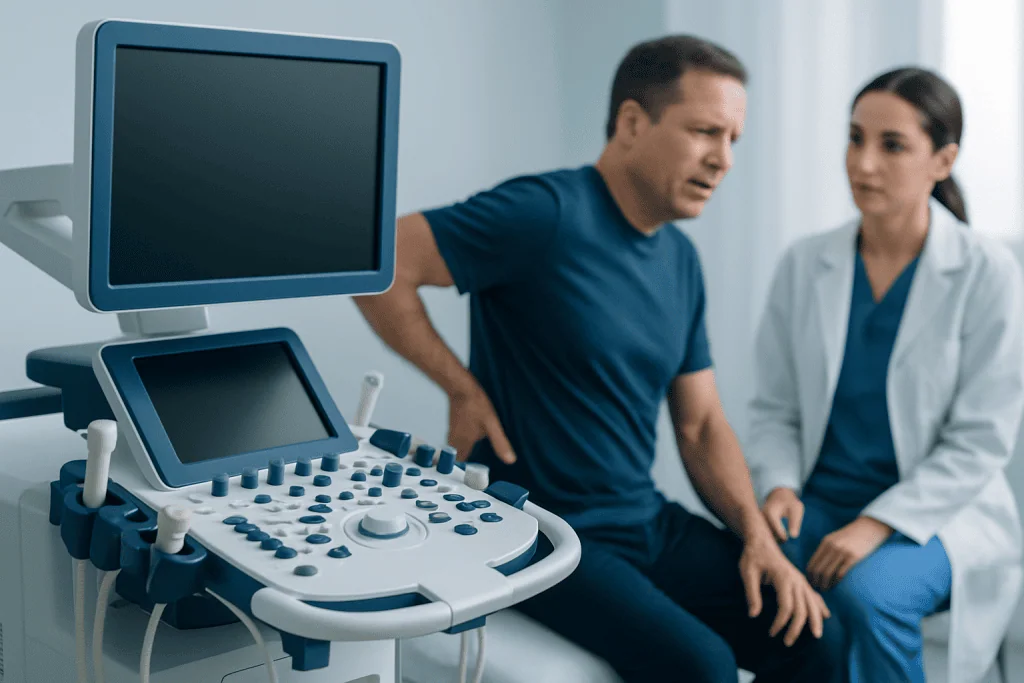
The description of burning back pain can provide useful clues. Pain in the upper back or between the shoulder blades may occur with muscle tension, repetitive arm activity, poor workstation ergonomics, or irritation of joints and nerves in the thoracic spine. Lower-back burning may follow lifting, prolonged sitting, sports activity, or irritation of nerves that travel into the buttocks and legs.
When a nerve is involved, the burning may be accompanied by tingling, pins-and-needles, reduced sensation, or shooting pain. For example, irritation of a lower spinal nerve can cause symptoms that extend into one leg, sometimes called sciatica. A skin rash, tenderness to touch, or blisters may point toward a skin or nerve-related infection such as shingles, particularly when symptoms occur in a band on one side of the body.
Symptoms that can accompany back discomfort include:
- Muscle stiffness, spasms, or reduced range of motion
- Pain after lifting, twisting, coughing, or sitting for long periods
- Tingling, numbness, or weakness in an arm or leg
- Headache or neck discomfort when upper-back and shoulder muscles are tense
- Fever, fatigue, unexplained weight loss, or night pain in less common but important situations
The intensity of pain does not always indicate how serious the cause is. Still, a change in normal function, such as difficulty walking or using an arm, should be discussed with a healthcare professional.
Possible Causes of Burning Back Pain

Mechanical causes are among the most frequent explanations. These include muscle strain, ligament irritation, joint stiffness, and overuse from lifting, exercise, repetitive work, or sudden unaccustomed activity. Reduced physical conditioning, stress-related muscle tension, and spending long periods at a desk or behind the wheel can contribute. These problems often improve gradually with activity modification and supportive self-care.
Nerve irritation is another common cause. A spinal disc may bulge or herniate, or age-related changes in the spine may narrow spaces around nerves. These changes can lead to burning, radiating, or tingling sensations. Nerves may also be affected outside the spine by injury, inflammation, diabetes, or other conditions. Not every disc change seen on imaging causes symptoms, which is why imaging results must be interpreted alongside the person’s clinical examination.
Other possible causes include arthritis affecting spinal joints, compression fractures in people with fragile bones, and inflammatory conditions. Skin conditions, including shingles, can produce burning pain before or alongside a rash. Less often, pain felt in the back may be referred from the chest, abdomen, kidneys, or other organs. For this reason, pain associated with breathing difficulty, chest pressure, urinary symptoms, abdominal pain, fever, or feeling unwell needs timely medical review.
Risk Factors and Everyday Triggers
Back symptoms can affect people at many ages, but certain factors make mechanical strain or nerve irritation more likely. These include repetitive bending or twisting, heavy lifting without good technique, sudden increases in exercise, prolonged computer use, driving, and inadequate recovery after activity. A poorly adjusted chair, screen, mattress, or work setup can also place extra strain on the neck, shoulders, and back.
General health factors can influence back comfort as well. Low activity levels may weaken muscles that support the spine, while high-impact or repetitive activities can overload tissues if training progresses too quickly. Smoking, poor sleep, ongoing stress, excess body weight, and some long-term health conditions may affect pain perception, healing, or spinal health. These factors do not mean a person will develop chronic back pain, but addressing them can support recovery and overall wellbeing.
People should avoid assuming that a familiar trigger explains every new episode. A burning sensation that begins without an apparent physical cause, follows a significant fall or accident, or differs substantially from previous back pain should be assessed. This is especially important for people with osteoporosis, cancer history, immune suppression, long-term steroid use, or recent serious infection.
How a Doctor Evaluates Back Burning
A medical evaluation usually starts with a detailed conversation. The clinician may ask when the burning began, whether it followed an injury or illness, what makes it better or worse, and whether it travels to other areas. Questions about sleep, work activities, medicines, fever, weight changes, bladder or bowel symptoms, and previous medical conditions help identify possible warning signs.
The physical examination may include observing posture and movement, gently checking the spine and surrounding muscles, and testing strength, reflexes, sensation, and walking. If a rash is present, the skin will also be examined. In many uncomplicated cases, imaging is not needed immediately because early scans may show common age-related changes that are not the cause of pain.
Blood tests, X-rays, magnetic resonance imaging (MRI), computed tomography (CT), or nerve tests may be considered when symptoms suggest infection, fracture, inflammatory disease, significant nerve compression, or another underlying condition. The choice of test depends on the individual situation. A clear diagnosis is not always available at the first visit, but follow-up allows the care plan to be adjusted if symptoms do not improve as expected.
Treatment Options and Supportive Care
Treatment depends on the likely cause, severity, duration, and effect on daily activities. For uncomplicated mechanical back pain, healthcare professionals commonly encourage remaining gently active rather than prolonged bed rest. Short periods of relative rest may be useful after a flare-up, but gradual movement often helps prevent stiffness and loss of strength. A clinician or pharmacist can advise whether appropriate pain-relief medicines are safe based on a person’s health history and other medications.
Heat may relax tight muscles, while a cold pack can be helpful shortly after a strain or when an area feels acutely inflamed. Either should be wrapped in a cloth and used for brief periods to protect the skin. Gentle stretching, walking, and gradual return to usual activities can be useful. Physiotherapy may help people improve mobility, build strength, learn pacing strategies, and adjust movement patterns for work, sport, or home activities.
If nerve compression, shingles, arthritis, fracture, or another specific condition is identified, treatment may include targeted medication, rehabilitation, specialist care, or procedures in selected cases. Surgery is not required for most episodes of back pain, but it may be considered when there is significant structural compression, progressive weakness, or symptoms that do not respond to appropriate non-surgical care. Acibadem International’s multidisciplinary specialists and JCI-accredited hospitals assess and treat back and nerve-related conditions for international patients.
Prevention and Self-Care for Everyday Back Health
It is not possible to prevent every episode of back discomfort, but consistent habits can reduce strain. Regular physical activity that includes walking, swimming, cycling, or other enjoyable movement supports general fitness. Strengthening the trunk, hips, and upper back under appropriate guidance can improve support for daily activities. New exercise routines should be increased gradually, especially after a period of inactivity.
At work or home, changing position regularly is often more helpful than trying to maintain one “perfect” posture all day. A chair that supports the lower back, a screen positioned at a comfortable height, and keeping frequently used items within easy reach may reduce unnecessary strain. When lifting, keeping an object close to the body, bending through the hips and knees, and avoiding twisting while carrying can be safer than lifting with the back alone.
Sleep, stress management, balanced nutrition, and avoiding tobacco also contribute to musculoskeletal health. People with recurring symptoms may benefit from keeping a brief record of triggers, activity levels, and what provides relief. This information can be useful during a medical appointment and may help identify practical changes that are sustainable over time.
When to Seek Medical Care
Medical advice is appropriate when a burning sensation in the back lasts longer than a few weeks, keeps returning, limits normal activities, or is not improving with sensible self-care. An appointment should also be arranged for pain that radiates into an arm or leg, causes ongoing numbness or tingling, occurs at night, or begins after an injury. A new rash with burning pain should be assessed promptly, as early treatment may be important for some causes.
Urgent medical care is needed for back pain with new or worsening leg weakness, numbness in the groin or around the buttocks, or loss of bladder or bowel control. These symptoms can indicate significant pressure on spinal nerves. Urgent assessment is also important if burning back pain occurs with chest pain, shortness of breath, fainting, severe abdominal pain, high fever, confusion, or sudden illness.
People should seek timely professional advice if they have a history of cancer, osteoporosis, immune system suppression, recent infection, or unexplained weight loss along with new back pain. These situations do not necessarily mean a serious condition is present, but they warrant careful evaluation. A clinician can provide individualized guidance and explain which symptoms should prompt follow-up or emergency care.
Frequently asked questions
Is a burning sensation in the back usually serious?
A burning sensation in the back is often caused by muscle strain, posture-related tension, or nerve irritation and is not usually an emergency. However, persistent, worsening, unexplained, or radiating pain should be evaluated by a healthcare professional. Urgent care is needed if it occurs with weakness, loss of bladder or bowel control, chest symptoms, or fever.
Can stress cause a burning feeling in the back?
Stress can contribute to muscle tightening, altered posture, poor sleep, and increased sensitivity to pain, all of which may worsen back discomfort. It is important not to assume stress is the only cause, particularly when symptoms are new, severe, or associated with numbness or weakness. A clinician can help assess possible physical causes.
Does burning back pain mean a pinched nerve?
Burning, tingling, electric, or shooting pain can be associated with nerve irritation, but these sensations do not always mean there is a pinched nerve. Muscle and joint problems, skin conditions, and other causes can produce similar symptoms. A medical assessment can determine whether nerve involvement is likely.
What can help a mild burning sensation in the lower back at home?
For mild symptoms without warning signs, gentle movement, short walks, careful stretching, and avoiding long periods in one position may help. Heat or cold packs used with a protective cloth can provide temporary comfort. A person should consult a clinician or pharmacist before using medicines, especially if they have chronic health conditions or take regular medication.
Why does my upper back burn between the shoulder blades?
Burning between the shoulder blades may result from muscle tension, desk work, repetitive reaching, neck or thoracic spine irritation, or less commonly a skin or internal medical condition. The pattern matters: pain with movement may be musculoskeletal, while symptoms with chest discomfort, shortness of breath, or feeling unwell need urgent assessment. Persistent symptoms should be discussed with a doctor.
When should I have imaging for burning back pain?
Imaging is not routinely needed for recent uncomplicated back pain because it may not change early treatment. A doctor may recommend an X-ray, MRI, CT scan, or other tests when there has been major trauma, significant neurological symptoms, suspected infection or fracture, cancer-related concerns, or symptoms that do not improve. The decision should be individualized after clinical assessment.
References
- National Institute of Neurological Disorders and Stroke
- National Institute of Arthritis and Musculoskeletal and Skin Diseases
- American Academy of Orthopaedic Surgeons
- National Health Service
- Centers for Disease Control and Prevention
This article is for general information only and is not a substitute for professional medical advice. Please consult a qualified doctor about your individual situation.
Joint and spine care in Turkey — expert assessment & treatment
JCI-accredited · board-certified surgeons · reply within 24h
Add us as a Preferred Source to see more of our trusted health content across Google Search, AI Overviews and Discover.

More from the Health Library



Related Specialists

Prof. Dr. Nesliar Eser Kutsal
Gastroenterology
Fzt. İkra Tigis
Physical Medicine & Rehabilitation
Prof. Dr. Tolga Tüzüner
Orthopedic Surgery & Traumatology
Prof. Dr. Özlem Aydın
Pathology