

Can You Sweat Out a Fever? Causes, Explanations, and Next Steps

Sweating does not remove an infection from the body or make a fever go away faster. A person may sweat when the brain resets the body’s temperature target downward and the fever begins to break.
Key Takeaways
- Sweating does not remove an infection from the body or make a fever go away faster.
- A person may sweat when the brain resets the body’s temperature target downward and the fever begins to break.
- Avoid deliberately overheating with heavy blankets, hot baths, or intense exercise, as these can worsen dehydration and discomfort.
- Fluids, light clothing, rest, and appropriate fever medicine can support comfort during many mild illnesses.
- Infants, older adults, pregnant people, and people with weakened immune systems may need earlier medical advice for fever.
- Urgent care is needed for warning signs such as trouble breathing, confusion, severe headache, stiff neck, seizures, or signs of serious dehydration.
Sweating during a fever is common and is often a sign that the body is cooling down, but it does not “sweat out” the infection or other cause of the fever. Most mild fevers improve with rest, fluids, and monitoring, while certain symptoms and higher-risk situations need prompt medical assessment.
Can You Sweat Out a Fever?
No. A person cannot sweat out a fever in the sense of sweating away the infection, inflammation, or other condition causing it. Sweating can occur naturally when a fever starts to come down, and this is usually harmless. It may make someone feel temporarily better, but the immune system and appropriate medical care—not forced sweating—address the underlying cause.
A fever is a temporary rise in body temperature, usually caused by the immune system responding to an infection. Most short-lived fevers linked to common viral illnesses settle with supportive care. However, the temperature number is only one part of the picture: age, medical history, duration of fever, and accompanying symptoms help determine whether medical review is needed.
Trying to force sweating with extra clothing, thick bedding, saunas, hot baths, or exercise is not recommended during a fever. These measures can make a person more uncomfortable, raise body temperature further, and increase fluid loss. A more helpful approach is to stay comfortably cool, drink fluids, rest, and watch for changes in symptoms.
Why Fever Can Cause Chills, Then Sweating
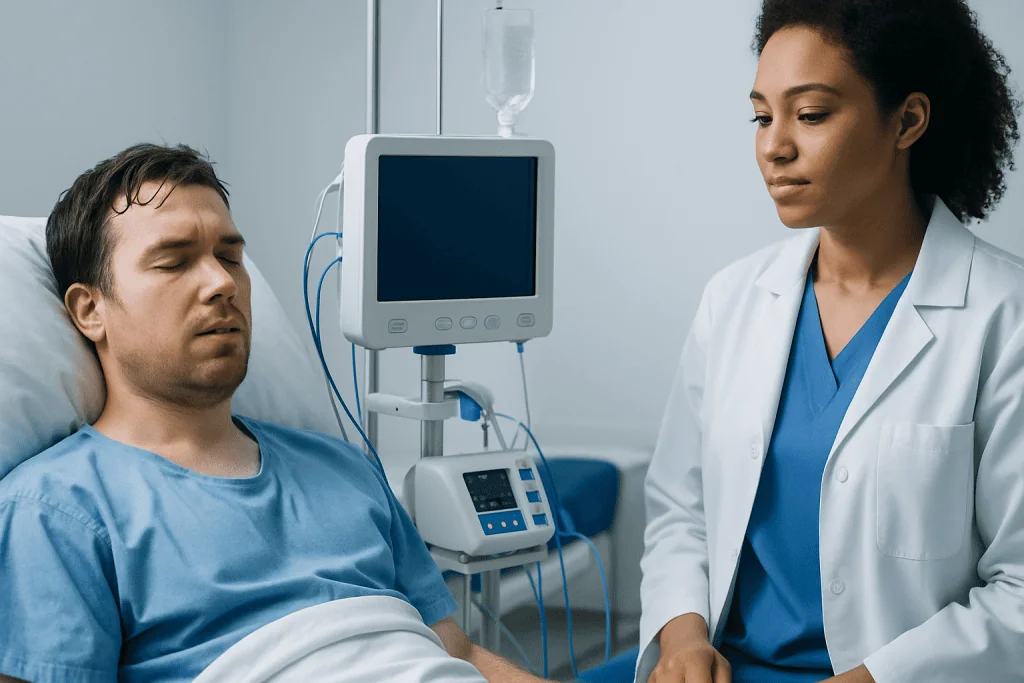
Body temperature is regulated by an area of the brain called the hypothalamus. During an infection, immune signals can raise the body’s internal temperature “set point.” When this happens, a person may feel cold even though their temperature is rising. Chills, shivering, and wanting blankets are the body’s ways of generating and conserving heat to reach that new set point.
As the illness improves or fever-reducing medicine takes effect, the hypothalamus may lower the set point back toward normal. The body then needs to release heat. Blood vessels near the skin widen, and sweat glands become active, which can lead to warm skin and noticeable sweating. This is often described as a fever “breaking.”
Sweating varies widely from person to person. Some people sweat heavily, while others do not sweat much even as their fever resolves. A lack of sweat alone does not mean a fever is dangerous or that the body is failing to recover. The overall trend in symptoms, hydration, alertness, and breathing is more important.
Common Causes of Fever and Night Sweats

Viral infections are among the most frequent causes of fever. Colds, influenza, COVID-19, and stomach viruses may bring fever, fatigue, aches, cough, sore throat, or digestive symptoms. Many improve over several days, although the expected course differs by illness and by the person’s age and health.
Bacterial infections can also cause fever and may require assessment and, in some cases, antibiotics. Examples include some throat infections, urinary tract infections, pneumonia, skin infections, and certain gastrointestinal infections. Antibiotics do not help viral infections, so a clinician may need to determine the likely cause before prescribing treatment.
Not every fever is caused by infection. Inflammatory conditions, reactions to medicines, heat-related illness, and less common medical conditions may also raise body temperature. Recurrent or persistent fever, drenching night sweats without an obvious short-term illness, unexplained weight loss, or symptoms that keep returning should be discussed with a qualified doctor.
- Symptoms such as cough, congestion, sore throat, vomiting, diarrhea, burning during urination, or a rash can offer clues to the cause.
- Travel, insect bites, recent surgery, new medicines, and contact with sick people are also relevant details for a medical assessment.
- People with chronic conditions or reduced immune function may have different risks and should seek advice earlier.
Safe Ways to Feel Better During a Fever
For many otherwise healthy adults and older children with a mild fever, comfort and hydration are the main goals. Resting, drinking water or other suitable fluids, and eating light meals if tolerated can help support recovery. Clear urine or pale yellow urine is often a reassuring sign of adequate hydration, although this can vary with medicines and diet.
Wear light, breathable clothing and use a light sheet or blanket if needed for comfort. A room that is comfortably cool—not cold—may help. Lukewarm washing or a lukewarm bath can feel soothing for some people, but ice baths, alcohol rubs, and very cold water are not recommended because they may trigger shivering and increase discomfort.
Over-the-counter fever-reducing medicines may be appropriate for some people, particularly when fever causes pain, poor sleep, or difficulty drinking. A pharmacist or doctor can advise on a suitable option based on age, weight, allergies, pregnancy, liver or kidney disease, stomach conditions, and other medicines. Children and teenagers should not be given aspirin for viral illnesses unless specifically directed by a clinician because of the risk of Reye’s syndrome.
When to Seek Medical Care
Medical care should be sought urgently for fever with difficulty breathing, chest pain, confusion, fainting, a seizure, severe weakness, a severe headache with a stiff neck, a new widespread rash, blue or gray lips, or severe persistent vomiting. These symptoms can signal a condition that needs prompt evaluation. Emergency assessment is also appropriate if a person is difficult to wake, appears seriously unwell, or cannot keep fluids down.
Parents and caregivers should seek prompt medical advice for any fever in a baby younger than 3 months, as well as for children who are unusually sleepy, inconsolable, dehydrated, struggling to breathe, or have a seizure. Signs of dehydration include very little urine, dry mouth, no tears when crying, dizziness, or unusual lethargy. A healthcare professional can advise on the appropriate setting and timing for assessment.
Adults should contact a doctor if fever is very high, lasts more than a few days, improves and then returns, or occurs alongside worsening symptoms. Earlier assessment is sensible for people who are pregnant, older, receiving cancer treatment, taking immune-suppressing medicine, living with significant heart, lung, kidney, or liver disease, or who have a weakened immune system.
What a Doctor May Check
A doctor will usually begin by asking about the timing of the fever, the highest measured temperature, recent illnesses and exposures, travel, medicines, and other symptoms. They may examine the ears, throat, lungs, abdomen, skin, joints, and nervous system, depending on the person’s concerns. This clinical history and examination often guide the next steps.
Tests are not always needed for a brief, uncomplicated viral illness. When indicated, a clinician may order blood tests, urine testing, throat or nasal swabs, or imaging such as a chest X-ray. These investigations can help identify bacterial infections, respiratory illnesses, urinary infections, dehydration, inflammation, or other possible explanations.
Treatment is based on the cause and the person’s overall condition. It may include hydration support, symptom-relieving medication, antiviral treatment in selected situations, or antibiotics only when a bacterial infection is suspected or confirmed. Keeping a simple record of temperature, symptoms, fluid intake, and medicines taken can be useful at an appointment.
Prevention and Practical Monitoring
Good hand hygiene, staying home when acutely unwell where possible, covering coughs and sneezes, and keeping recommended vaccinations up to date can reduce the risk of many infections that cause fever. Food safety, safe drinking water during travel, and appropriate protection from insects may also be important depending on location and activities.
When monitoring a fever at home, use a reliable thermometer and follow its instructions. Temperature readings can differ slightly depending on whether they are measured orally, in the ear, on the forehead, or rectally. Rather than focusing only on a single reading, consider how the person looks and feels, whether they are drinking and urinating, and whether symptoms are improving or worsening.
If fever or sweats are persistent, unexplained, or affecting daily life, medical review can provide reassurance and identify treatable causes. Acibadem International’s multidisciplinary specialists and JCI-accredited hospitals can assess fever-related concerns for international patients when in-person evaluation is appropriate.
Frequently asked questions
Does sweating mean a fever is breaking?
Sweating can happen when a fever begins to come down because the body is releasing excess heat. However, it is not a guaranteed sign of recovery, and some people recover from a fever with little or no sweating. It is best to monitor the person’s overall symptoms and hydration as well.
Should someone cover up to sweat out a fever?
No. Heavy blankets, extra layers, hot baths, and saunas do not treat the cause of fever and may increase discomfort or dehydration. Light clothing and a comfortably cool room are generally safer choices.
Is it good to sweat during a fever?
Natural sweating is usually normal, especially as body temperature falls. The main concern is replacing lost fluids and avoiding overheating. If sweating is extreme, recurrent, or paired with concerning symptoms, a doctor should be consulted.
Can dehydration make a fever worse?
Fever can increase fluid loss through sweating and faster breathing, while vomiting or diarrhea can add further losses. Dehydration may make a person feel worse and can cause dizziness, dry mouth, reduced urination, and weakness. Frequent small sips of fluid can be helpful when tolerated.
When is a fever dangerous in adults?
A fever needs urgent evaluation if it occurs with trouble breathing, confusion, severe headache and stiff neck, chest pain, seizures, a concerning rash, or severe dehydration. A doctor should also assess fever that persists, returns after improving, or affects someone with a weakened immune system or significant long-term health condition.
What temperature counts as a fever?
In adults and children, a temperature of 100.4°F (38°C) or higher is commonly considered a fever when measured accurately. Normal temperature varies somewhat by person, time of day, activity, and measurement method. In young infants, any fever should be discussed promptly with a healthcare professional.
This article is for general information only and is not a substitute for professional medical advice. Please consult a qualified doctor about your individual situation.
Explore treatments in Turkey — costs, top hospitals & a free quote
JCI-accredited · board-certified surgeons · reply within 24h
Add us as a Preferred Source to see more of our trusted health content across Google Search, AI Overviews and Discover.

More from the Health Library

Does Creatine Cause Hair Loss? Here Is What the Evidence Says

Are Dates Good for You? A Doctor-Reviewed Answer

Does Peanut Butter Cause Constipation? Here Is What the Evidence Says

Is ALS Genetic? Causes, Explanations, and Next Steps

Does Rubbing Alcohol Kill Bed Bugs? Causes, Explanations, and Next Steps

What Is the Best Sleep Schedule? Here Is What the Evidence Says
Infectious Diseases & Clinical Microbiology Specialists at Acibadem

Dr. Ersen Hürmüzlü
Infectious Diseases & Clinical Microbiology
Dr. Fatma Erbay Apaydın
Infectious Diseases & Clinical Microbiology
Dr. Hakan Kutlu
Infectious Diseases & Clinical Microbiology
Dr. Hande Aygün
Infectious Diseases & Clinical Microbiology