Tea for High Blood: Normal Ranges, High and Low Results Explained

For most adults, a normal blood pressure is below 120/80 mmHg, although an individual target may differ based on health needs. High blood pressure is usually diagnosed from repeated readings, not one isolated measurement.
Key Takeaways
- For most adults, a normal blood pressure is below 120/80 mmHg, although an individual target may differ based on health needs.
- High blood pressure is usually diagnosed from repeated readings, not one isolated measurement.
- Green and black tea may have modest cardiovascular benefits, but tea is not a replacement for prescribed blood pressure treatment.
- Very low blood pressure is not always harmful, but new symptoms such as fainting, dizziness or confusion need medical assessment.
- Correct home measurement technique and a record of readings help clinicians make reliable decisions.
Tea for high blood pressure can be part of a balanced lifestyle for many people, but no tea should be relied on to diagnose, prevent or treat hypertension. Blood pressure readings are most useful when interpreted as repeated measurements, alongside a person’s age, health history, symptoms and medicines.
Tea for High Blood Pressure: The Short Answer
Tea for high blood pressure may be a pleasant addition to a heart-healthy routine, particularly unsweetened green or black tea, but it is not a treatment for hypertension. Research suggests that regular tea drinking may be associated with small improvements in blood pressure for some people; however, the effect is generally modest and does not replace prescribed medicines, regular monitoring, physical activity, a balanced diet or medical follow-up.
Blood pressure is reported as two numbers in millimetres of mercury (mmHg). The upper number, systolic pressure, reflects pressure in the arteries when the heart contracts. The lower number, diastolic pressure, reflects pressure when the heart relaxes between beats. A reading below 120/80 mmHg is generally considered normal for most adults, while readings of 130/80 mmHg or higher may be considered high depending on the setting and guideline used.
Caffeine can temporarily raise blood pressure in some people, especially those who do not consume it regularly. People with hypertension do not necessarily need to avoid tea, but they may wish to choose decaffeinated options, limit highly caffeinated drinks, and check how their readings respond. Sugary bottled teas and herbal products containing licorice root are less suitable choices for blood pressure management.
Understanding Normal, High and Low Blood Pressure Results
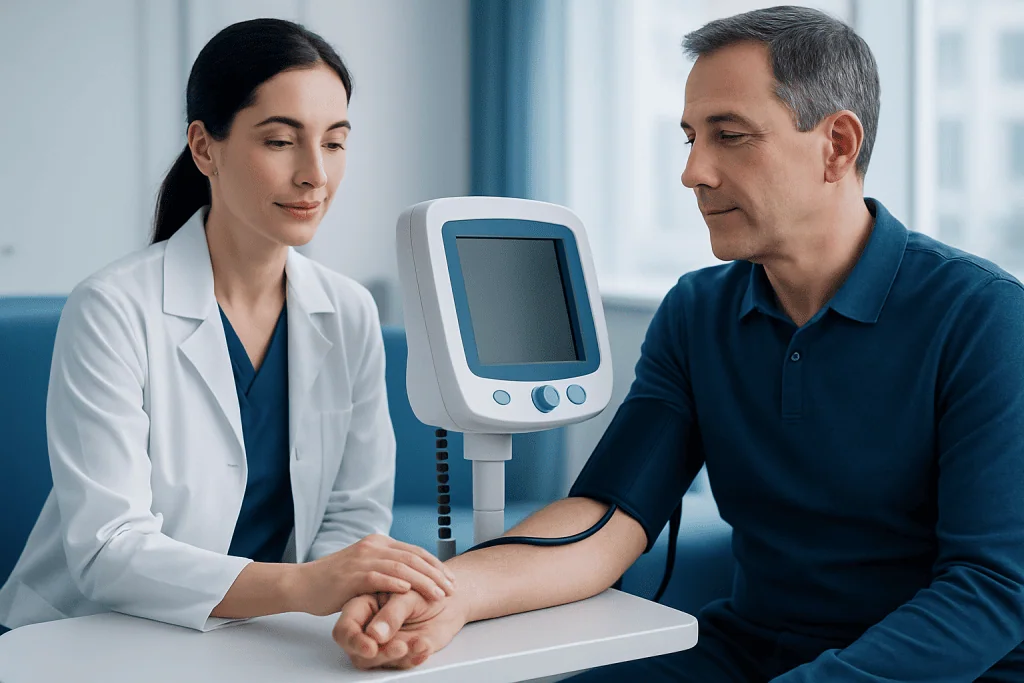
For most adults, blood pressure below 120/80 mmHg is regarded as normal. A systolic reading of 120 to 129 mmHg with a diastolic reading below 80 mmHg is often described as elevated. High blood pressure, also called hypertension, is commonly classified as 130/80 mmHg or above in some clinical guidelines. A clinician may use slightly different thresholds depending on the country, the measurement method and a person’s overall cardiovascular risk.
A single reading does not usually establish a diagnosis. Blood pressure naturally changes through the day and can rise temporarily with stress, pain, exercise, caffeine, smoking, a full bladder or talking during measurement. Readings obtained in a clinic can also be higher because of anxiety, sometimes called the white-coat effect. Home monitoring or 24-hour ambulatory monitoring may help clarify whether blood pressure is persistently elevated.
Low blood pressure, or hypotension, does not have one universal cutoff. A reading below 90/60 mmHg is often called low, but it may be normal for a healthy person who has no symptoms. It becomes more medically important when it is new or associated with dizziness, fainting, blurred vision, weakness, nausea, confusion, chest discomfort or shortness of breath.
- Normal for most adults: below 120/80 mmHg
- Elevated: systolic 120 to 129 mmHg and diastolic below 80 mmHg
- High blood pressure: persistent readings around 130/80 mmHg or higher may require assessment
- Urgently high: 180/120 mmHg or higher needs prompt reassessment and may require emergency care, especially with symptoms
Why Blood Pressure Ranges Vary Between People

Blood pressure is not interpreted by numbers alone. Age, pregnancy, kidney disease, diabetes, heart disease, stroke risk and the medicines a person uses can all affect what range is most appropriate. Blood pressure tends to increase with age because arteries can become less flexible, but high readings should never be dismissed simply as a normal part of ageing.
There is no separate routine adult blood pressure range based only on sex. However, health conditions and life stages can alter risk. During pregnancy, blood pressure deserves particular attention because new high readings may indicate pregnancy-related hypertension or pre-eclampsia. Children and teenagers are assessed using age-, sex- and height-based percentiles rather than the adult thresholds.
Context also matters. A correctly measured home reading may be lower than a clinic reading. In addition, some people have masked hypertension, meaning their clinic readings appear acceptable but readings at home or work are high. This is why clinicians may request a series of home readings rather than reacting to one result.
What Can Cause High or Low Blood Pressure?
High blood pressure often develops gradually and may have no noticeable symptoms. Family history, older age, excess body weight, low physical activity, a high-salt eating pattern, regular excess alcohol intake, smoking, poor sleep and chronic stress can contribute. Kidney disease, hormone disorders, sleep apnea and certain medicines, including some anti-inflammatory medicines, decongestants and hormonal treatments, can also raise blood pressure.
Low blood pressure can occur with dehydration, prolonged bed rest, blood loss, infection, heart rhythm problems, endocrine conditions or side effects from medicines. It may happen after standing up suddenly, known as orthostatic hypotension. In older adults, in particular, a medication review can be important when dizziness or falls occur.
Tea is not usually a cause of persistent hypertension. Still, caffeine may briefly affect readings, and herbal teas or supplements are not always harmless. Licorice root can raise blood pressure and lower potassium levels in susceptible individuals. Herbal products may also interact with blood pressure medicines, blood thinners or other prescriptions, so a pharmacist or clinician should be consulted before using them regularly.
How to Check Blood Pressure Accurately
Reliable blood pressure measurement starts with a validated upper-arm monitor and a cuff that fits the arm correctly. Wrist monitors can be less reliable unless used precisely. Before measuring, a person should avoid smoking, exercise and caffeinated drinks for at least 30 minutes when possible, empty the bladder, and sit quietly for five minutes.
The back should be supported, both feet placed flat on the floor and the arm supported at heart level. The cuff should be placed on bare skin, not over clothing. Talking, scrolling on a phone or crossing the legs can alter a reading. Taking two readings one minute apart and recording both is often more informative than relying on the first number.
For home monitoring, clinicians commonly recommend measurements at similar times each day over several days. The record should include the date, time, readings, pulse if available, symptoms, caffeine intake and relevant medicines. A doctor can then assess the average pattern and decide whether lifestyle changes, further tests or treatment are needed.
Tea, Lifestyle and Treatment Options
Unsweetened tea can fit into a healthy eating pattern. Green and black tea contain plant compounds called flavonoids, which are being studied for potential effects on blood vessel function and cardiovascular health. The available evidence does not show that tea can reliably lower blood pressure enough to control hypertension on its own. Choosing tea instead of sugar-sweetened drinks may be more beneficial than adding tea to an otherwise unhealthy routine.
For people who are sensitive to caffeine, decaffeinated tea or non-caffeinated herbal teas without licorice may be reasonable options. It is sensible to avoid adding large amounts of sugar, syrup or cream. People taking medicines should not stop or reduce them because they have started drinking tea. Any concerns about caffeine, supplements or herb-drug interactions should be discussed with a qualified clinician.
Evidence-based blood pressure care may include reducing excess dietary salt, eating more vegetables, fruits, whole grains and other nutrient-rich foods, staying physically active, maintaining a weight appropriate for the individual, limiting alcohol, avoiding tobacco and sleeping well. When blood pressure remains high, medicines may be recommended to lower the risk of heart attack, stroke, kidney disease and other complications. Treatment is tailored to the individual and often works best alongside sustainable lifestyle measures.
Acibadem International’s multidisciplinary specialists and JCI-accredited hospitals assess and treat blood pressure concerns for international patients, with care plans based on clinical evaluation and individual health needs.
When to Seek Medical Care
A routine medical appointment is appropriate for repeated home readings at or above 130/80 mmHg, particularly when there is diabetes, kidney disease, cardiovascular disease, pregnancy or a strong family history of hypertension. A clinician can confirm the pattern, review medicines and assess whether additional testing is needed. High blood pressure often causes no symptoms, so waiting to feel unwell is not a reliable approach.
Immediate medical assessment is needed if a blood pressure reading is 180/120 mmHg or higher and remains high when repeated after a few minutes of quiet rest. Emergency help should be sought without delay if this occurs with chest pain, severe headache, sudden weakness or numbness, difficulty speaking, severe shortness of breath, confusion, vision changes or fainting.
Medical advice is also important for low blood pressure that is new, persistent or accompanied by fainting, repeated falls, confusion, signs of dehydration, black or bloody stools, chest symptoms or shortness of breath. During pregnancy, a new high blood pressure reading, severe headache, visual disturbance, upper abdominal pain or sudden swelling should be assessed urgently.
Frequently asked questions
Can tea lower high blood pressure?
Tea may have a small beneficial effect on blood pressure for some people, especially when it replaces sugary drinks and is part of an overall healthy lifestyle. However, it cannot be relied upon to treat hypertension or replace medicines prescribed by a clinician. Regular blood pressure monitoring and medical advice remain important.
Which tea is best for high blood pressure?
Unsweetened green tea, black tea or decaffeinated tea can be reasonable choices for many people. There is not enough evidence to recommend one tea as a treatment for high blood pressure. People who are caffeine-sensitive may prefer decaffeinated varieties, and teas containing licorice root should be avoided unless a clinician says they are safe.
What is a normal blood pressure reading by age?
For most adults, a reading below 120/80 mmHg is considered normal, regardless of age. Blood pressure targets may be individualized for older adults and for people with conditions such as diabetes, kidney disease or cardiovascular disease. Children use different age-, sex- and height-based ranges.
Is 140/90 mmHg high blood pressure?
Yes, a reading of 140/90 mmHg is high and should be discussed with a healthcare professional if it is repeated. One reading may be affected by temporary factors such as stress, caffeine or recent activity, so repeated measurements are important. A clinician may recommend home monitoring to confirm the usual level.
What should someone do if blood pressure is 180/120 mmHg?
The person should sit quietly and repeat the measurement after a few minutes using correct technique. If the reading remains at or above 180/120 mmHg, prompt medical advice is needed. Emergency care is required immediately if there are symptoms such as chest pain, breathlessness, severe headache, weakness, speech difficulty, confusion or vision changes.
Can drinking tea make blood pressure rise?
Caffeinated tea can cause a short-term increase in blood pressure in some people, particularly those who do not consume caffeine regularly. This effect is usually temporary, but individuals can check their response by measuring blood pressure before and after caffeine at different times. Persistent high readings should be assessed by a clinician.
References
- American Heart Association
- Centers for Disease Control and Prevention
- National Heart, Lung, and Blood Institute
- World Health Organization
- National Institute for Health and Care Excellence
This article is for general information only and is not a substitute for professional medical advice. Please consult a qualified doctor about your individual situation.
Heart care in Turkey — expert evaluation and treatment
JCI-accredited · board-certified surgeons · reply within 24h
Add us as a Preferred Source to see more of our trusted health content across Google Search, AI Overviews and Discover.
Check your numbers in seconds
BMI, calories, due date, blood pressure and 30+ more clinical calculators — free, instant, doctor-reviewed ranges.