Arthrosis vs Arthritis: Key Differences and How Doctors Tell Them Apart

Arthrosis is commonly another name for osteoarthritis, especially in Europe and other regions outside the United States. Arthritis is an umbrella term; some forms are inflammatory, while osteoarthritis is primarily degenerative but can still involve low-grade inflammation.
Key Takeaways
- Arthrosis is commonly another name for osteoarthritis, especially in Europe and other regions outside the United States.
- Arthritis is an umbrella term; some forms are inflammatory, while osteoarthritis is primarily degenerative but can still involve low-grade inflammation.
- Symptoms that are worse after activity and improve with rest may suggest arthrosis, while prolonged morning stiffness and swollen joints can suggest inflammatory arthritis.
- Doctors use the symptom pattern, joint examination, blood tests when appropriate, and imaging to distinguish possible causes.
- Early assessment is important when joint pain is persistent, swelling is present, or daily activities become difficult.
Arthrosis and arthritis both cause joint pain and stiffness, but they do not always mean the same thing. Arthrosis usually refers to osteoarthritis, a condition involving gradual changes in joint cartilage and surrounding structures, whereas arthritis is a broader term that includes many inflammatory, autoimmune, infectious, and crystal-related joint conditions.
Arthrosis vs Arthritis: A Side-by-Side Comparison
Arthrosis usually means osteoarthritis: a common joint condition in which cartilage, bone, and other joint tissues gradually change over time. Arthritis means inflammation of one or more joints and is a broad medical term that includes osteoarthritis as well as rheumatoid arthritis, psoriatic arthritis, gout, septic arthritis, and other conditions. In everyday use, the words may be used differently across countries, which can cause understandable confusion.
| Feature | Arthrosis (usually osteoarthritis) | Inflammatory arthritis |
|---|---|---|
| Main process | Gradual changes in cartilage, bone, and joint mechanics | Inflammation driven by the immune system, crystals, infection, or another cause |
| Typical pattern | Often affects knees, hips, hands, spine, or the base of the thumb | May affect small hand and foot joints, several joints, or joints throughout the body |
| Stiffness | Often brief after rest or on first moving | May last longer, particularly in the morning |
| Effect of activity | Pain may worsen with repeated use or weight-bearing | Movement can sometimes ease stiffness, though symptoms vary by condition |
| Visible swelling | May occur, usually mild or bony around the joint | Can be soft, warm, and tender due to active inflammation |
| Tests | Often assessed with examination and X-rays when needed | May require blood tests, joint-fluid analysis, ultrasound, or other imaging |
The comparison is helpful but not a diagnosis. Osteoarthritis can cause inflammation inside a joint, and inflammatory arthritis can coexist with osteoarthritis, especially later in life. A clinician considers the whole pattern rather than relying on one symptom alone.
What Arthrosis Means
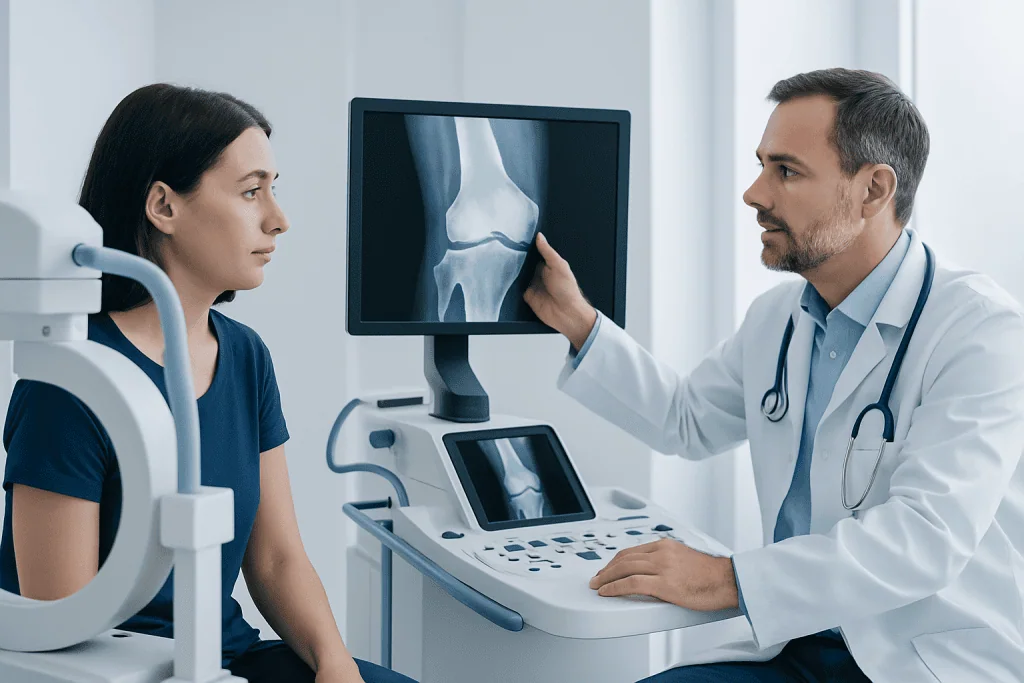
Arthrosis is a term frequently used for osteoarthritis, also called degenerative joint disease. It develops when the joint’s tissues change gradually. Cartilage may become thinner or less smooth, bone beneath the cartilage may remodel, and ligaments, muscles, and the joint lining can also contribute to pain and reduced movement.
It is not simply a matter of a joint being “worn out.” Age is one influence, but joint injury, repetitive high joint loading, muscle weakness, excess body weight in weight-bearing joints, family history, and differences in joint shape may all play a role. Many people have X-ray changes without severe symptoms, while others have pain that is significant despite relatively modest changes on imaging.
Arthrosis often develops slowly. Common experiences include pain during or after activity, stiffness after sitting still, reduced flexibility, grating or clicking sensations, and difficulty with tasks such as climbing stairs, walking longer distances, opening jars, or getting up from a chair. Symptoms can fluctuate, with better and worse periods.
What Arthritis Can Mean

Arthritis literally means joint inflammation, but it is not one single disease. Some types result from autoimmune activity, in which the immune system attacks joint tissues; rheumatoid arthritis and psoriatic arthritis are examples. Other causes include uric acid crystals in gout, infection within a joint, inflammatory bowel disease, or reactions following certain infections.
Inflammatory arthritis may cause joints to feel swollen, warm, tender, and stiff. Stiffness can be particularly noticeable after waking and may persist for a prolonged period. Symptoms may affect matching joints on both sides of the body, such as both hands or both feet, although this pattern is not present in every form of arthritis.
Some people also have symptoms beyond the joints, depending on the cause. These can include fatigue, skin psoriasis, eye inflammation, fever, or changes in the nails. These features do not confirm a diagnosis on their own, but they help a doctor identify whether referral to a rheumatology specialist may be appropriate.
How a Clinician Tells Them Apart
The diagnostic process begins with a detailed history. A clinician asks when the pain began, whether it started after an injury, which joints are involved, how long stiffness lasts, what makes symptoms better or worse, and whether there are associated concerns such as rashes, fatigue, fever, bowel symptoms, or a family history of autoimmune disease.
During the examination, the clinician assesses swelling, warmth, tenderness, range of motion, muscle strength, walking pattern, and the distribution of affected joints. Bony enlargement around finger joints may support osteoarthritis, while soft tissue swelling in several small joints may raise concern for inflammatory disease. However, examination findings must always be interpreted in context.
Tests are selected based on the suspected cause. X-rays can show features commonly associated with osteoarthritis, such as changes in joint space and bone shape. Ultrasound or magnetic resonance imaging may help identify inflammation or soft-tissue changes. Blood tests can support the assessment for certain inflammatory conditions, but no single blood test can diagnose every type of arthritis. If a joint is suddenly very swollen, a sample of joint fluid may be examined for crystals or infection.
What to Do for Each Condition
For arthrosis, treatment usually focuses on relieving symptoms, supporting joint function, and helping a person remain active. A tailored exercise program can strengthen muscles around the joint, improve mobility, and reduce strain during daily activities. Physiotherapy, activity pacing, supportive footwear or braces when suitable, and weight management where relevant may also be useful.
Medication may be considered to manage pain, but the best choice depends on a person’s age, other medical conditions, and current medicines. Clinicians may recommend topical treatments, oral pain-relieving medicines, or injections for selected patients. When pain and disability remain substantial despite non-surgical care, joint replacement or other orthopedic procedures may be discussed for appropriate cases.
For inflammatory arthritis, prompt medical evaluation is important because treatment may reduce inflammation and help prevent joint damage. Depending on the diagnosis, care can include anti-inflammatory medicines, medicines that modify immune activity, treatment for gout, antibiotics for joint infection, rehabilitation, and monitoring for effects beyond the joints. A rheumatologist commonly coordinates care for autoimmune inflammatory arthritis.
Prevention and Everyday Joint Care
Not every case of arthrosis or arthritis can be prevented, but practical joint care can support comfort and long-term function. Regular low-impact activity, such as walking, cycling, swimming, or guided strengthening exercises, can help maintain movement and muscle support. The right activity depends on the affected joint and a person’s overall health.
People with joint symptoms may benefit from balancing activity and recovery rather than avoiding movement altogether. Breaking demanding tasks into smaller steps, gradually increasing exercise, using ergonomic tools, and choosing supportive shoes can reduce joint strain. Heat may ease stiffness for some people, while a cool pack may temporarily soothe a swollen or painful joint.
A nutritious eating pattern, sufficient sleep, and avoiding smoking support general health and may be especially valuable for people with inflammatory conditions. Supplements and restrictive diets should not replace evidence-based treatment. Before starting a new exercise program, supplement, or over-the-counter medicine, it is sensible to discuss it with a qualified healthcare professional, particularly for people with kidney, stomach, heart, or liver conditions.
When to Seek Medical Care
Medical assessment is advisable for joint pain or stiffness that persists for several weeks, recurs often, interferes with sleep or daily activities, or is accompanied by swelling. Earlier review is particularly important when morning stiffness is prolonged, several joints are affected, symptoms involve the small joints of the hands or feet, or there are signs such as a rash, unusual fatigue, or eye discomfort.
Urgent medical care is needed for a joint that becomes suddenly very painful, hot, swollen, or difficult to move, especially when there is fever, chills, or feeling unwell. These symptoms can have several causes, including infection, and should not be managed by self-treatment alone. New inability to bear weight after an injury also needs prompt assessment.
For international patients needing coordinated assessment, Acibadem International’s multidisciplinary specialists and JCI-accredited hospitals diagnose and treat joint conditions, with care plans guided by the individual diagnosis and clinical needs.
Frequently asked questions
Is arthrosis the same as osteoarthritis?
In most clinical settings, arthrosis refers to osteoarthritis. The term is especially common in parts of Europe and may be used interchangeably with degenerative joint disease. A doctor can clarify the terminology used in an individual medical record.
Is osteoarthritis a type of arthritis?
Yes. Osteoarthritis is the most common type of arthritis, even though its main features differ from autoimmune inflammatory arthritis. It involves changes throughout the joint and may include episodes of local inflammation.
Can blood tests diagnose arthrosis?
There is no routine blood test that confirms osteoarthritis. Blood tests may be used to look for inflammation, autoimmune disease, infection, or other possible explanations for joint symptoms. Diagnosis often relies on the symptom pattern, examination, and sometimes imaging.
Does long morning stiffness always mean inflammatory arthritis?
No. Morning stiffness can occur with many joint and muscle conditions, including osteoarthritis. However, stiffness that is prolonged, frequent, and associated with swollen or warm joints should be assessed by a healthcare professional.
Can a person have arthrosis and inflammatory arthritis together?
Yes. A person can have osteoarthritis in one or several joints and also develop an inflammatory arthritis such as rheumatoid arthritis or psoriatic arthritis. This is one reason a careful evaluation is important when symptoms change or new swelling develops.
Should joint pain be treated with rest or exercise?
Both rest and movement can have a role. Short periods of rest may help during a flare of pain, while regular, appropriately chosen activity usually helps maintain strength and flexibility. A clinician or physiotherapist can advise on safe exercise for the affected joint and diagnosis.
This article is for general information only and is not a substitute for professional medical advice. Please consult a qualified doctor about your individual situation.
Arthritis in Turkey — costs, top hospitals & a free quote
JCI-accredited · board-certified surgeons · reply within 24h
Add us as a Preferred Source to see more of our trusted health content across Google Search, AI Overviews and Discover.

Physical Medicine & Rehabilitation
Restoring movement and function after injury, surgery or neurological conditions.
152 specialists in this unitMore from the Health Library

Why Am I So Gassy on My Period? Causes, Explanations, and Next Steps

Rash on Arm After Swimming: Common Causes, Related Conditions, and When to See a Doctor

Why Is My Neck So Itchy? Skin Causes and Care

Does Nicotine Cause ED? Effects on Blood Flow

How Long Does It Take for Ozempic to Work? Here Is What the Evidence Says

Can You Eat Sweet Potato Skin? Causes, Explanations, and Next Steps
Physical Medicine & Rehabilitation Specialists at Acibadem

Ferît Pekgöz
Physical Medicine & Rehabilitation
Dr. Feyza Arslan
Physical Medicine & Rehabilitation
Fzt. Fırat Çenberci
Physical Medicine & Rehabilitation
Fzt. A.Sercan Soyarslan
Physical Medicine & Rehabilitation