Why Am I So Gassy on My Period? Causes, Explanations, and Next Steps

Hormone changes before and during a period can slow bowel movement, alter fluid balance, and make gas more noticeable. Prostaglandins, the chemicals involved in menstrual cramps, can also affect the intestines and cause diarrhea, constipation, or cramping.
Key Takeaways
- Hormone changes before and during a period can slow bowel movement, alter fluid balance, and make gas more noticeable.
- Prostaglandins, the chemicals involved in menstrual cramps, can also affect the intestines and cause diarrhea, constipation, or cramping.
- Food choices, swallowing air, stress, and pre-existing digestive conditions may intensify period-related gas.
- Tracking symptoms across several cycles can help identify patterns and support a medical assessment if needed.
- Severe pain, blood in the stool, ongoing bowel changes, fever, vomiting, or unexplained weight loss require medical advice.
Gas, bloating, and changes in bowel habits are common around menstruation and are usually linked to normal shifts in hormones that affect the digestive tract. Symptoms that are severe, new, persistent, or accompanied by pelvic pain, bleeding changes, or weight loss should be assessed by a clinician.
Why Periods Can Make Gas More Noticeable
Many people notice more gas, abdominal fullness, burping, or bloating in the days before a period and during bleeding. In most cases, this is a harmless part of the menstrual cycle. The digestive system and reproductive organs sit close together in the pelvis, and hormonal changes can influence how quickly food moves through the intestines and how the abdomen feels.
Symptoms may feel stronger even when the amount of intestinal gas has not changed greatly. Fluid retention, uterine cramping, constipation, and heightened sensitivity to pressure in the abdomen can make ordinary digestive activity more uncomfortable. These symptoms often improve after menstruation begins or ends, although the exact timing varies from person to person.
Period-related gas is different from passing gas caused solely by a particular meal, but the two can overlap. A person may be more sensitive to foods or habits that usually cause mild gas during the premenstrual and menstrual phases of the cycle.
The Hormonal and Digestive Connection
Estrogen and progesterone rise and fall throughout the menstrual cycle. In the days before a period, higher progesterone levels may slow intestinal movement in some people. When stool moves more slowly, constipation can develop, and bacteria in the bowel have more time to produce gas. This can contribute to a feeling of pressure, swelling, or incomplete bowel emptying.
As menstruation starts, progesterone levels fall. At the same time, the body produces prostaglandins, substances that help the uterus contract and shed its lining. Prostaglandins can also affect nearby intestinal muscles. This may lead to looser stools, more frequent bowel movements, intestinal cramping, or urgency in addition to gas.
These normal cycle-related effects explain why some people alternate between constipation before a period and diarrhea during it. They can also explain why abdominal symptoms appear reliably at the same point in each cycle. However, symptoms should not automatically be attributed to hormones if they are severe or interfere with daily life.
Other Factors That Can Worsen Period Gas

Hormones are only one part of the picture. Diet and daily habits can make gas more noticeable around a period. Carbonated drinks, chewing gum, eating quickly, drinking through a straw, and smoking can increase swallowed air. Foods that are more likely to ferment in the bowel, such as beans, certain vegetables, dairy products for people with lactose intolerance, and some high-fiber foods, may also contribute.
Saltier foods may increase fluid retention and worsen the sensation of bloating. Changes in appetite, sleep, activity, and stress around menstruation can affect digestion as well. For example, reduced physical activity may worsen constipation, while anxiety can alter gut movement and make abdominal sensations feel more intense.
Some people have an underlying digestive condition that becomes more apparent during menstruation. Irritable bowel syndrome can cause recurrent abdominal pain with constipation, diarrhea, or both, and symptoms may fluctuate with the menstrual cycle. Food intolerances, celiac disease, inflammatory bowel disease, and medication side effects are other possible contributors that a clinician may consider based on the overall symptom pattern.
When Gas May Point to a Gynecologic Condition
Most menstrual gas is not a sign of a serious condition. Still, digestive symptoms that consistently occur with significant pelvic pain or unusually heavy periods may deserve evaluation. Conditions affecting the pelvis can produce symptoms that overlap with bowel disorders because the uterus, ovaries, bladder, and intestines are located close together.
For example, endometriosis may cause painful periods, pain during or after sex, pain with bowel movements, fatigue, and digestive symptoms that worsen around menstruation. Fibroids can also contribute to heavy bleeding, pelvic pressure, constipation, or a feeling of abdominal fullness. These conditions cannot be diagnosed from gas alone, but the timing and combination of symptoms can provide important clues.
A clinician can help distinguish ordinary cycle-related digestive symptoms from conditions needing treatment. Keeping track of bleeding, pain, bowel habits, diet, and symptom timing for two or three cycles can make that discussion more useful.
How a Doctor Evaluates Ongoing Symptoms
A medical visit usually begins with questions about the menstrual cycle, bowel patterns, diet, medicines, pregnancy possibility, family history, and the duration and severity of symptoms. A clinician may ask whether discomfort occurs only during menstruation or throughout the month, whether it improves after passing stool or gas, and whether there are changes in bleeding or pelvic pain.
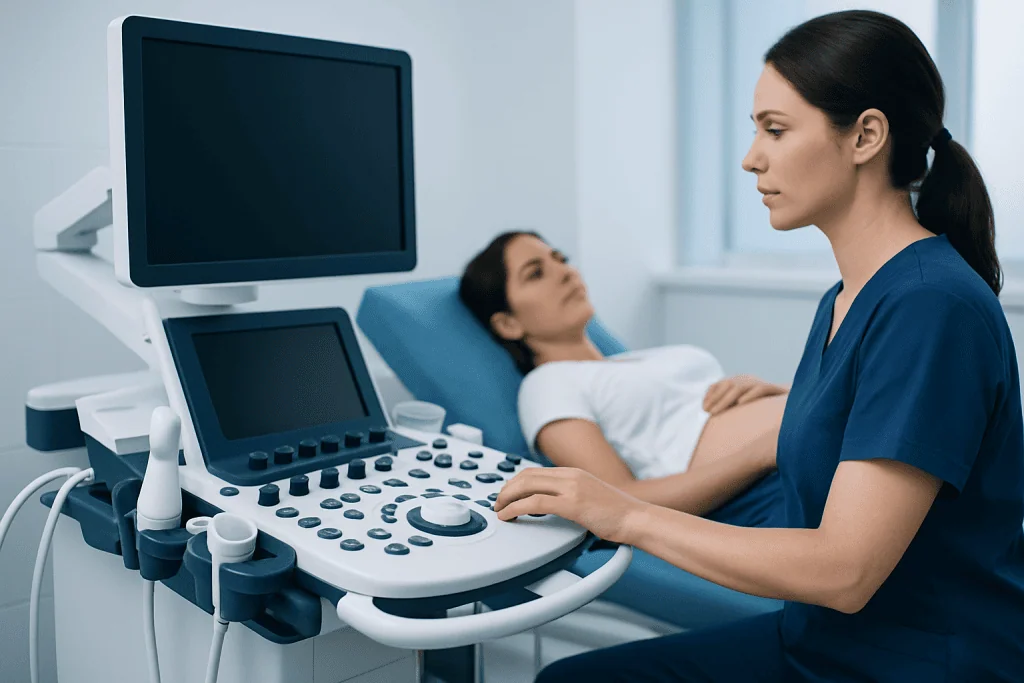
The assessment may include an abdominal examination and, when appropriate, a pelvic examination. Depending on the symptoms, a doctor may recommend blood tests, stool tests, pregnancy testing, pelvic ultrasound, or further gastrointestinal evaluation. Testing is selected based on the individual situation rather than being necessary for everyone with period-related gas.
It is especially helpful to describe any pattern of symptoms linked to meals, constipation, diarrhea, sexual activity, or menstruation. This information can guide whether the focus should be on menstrual health, digestive health, or both.
Practical Ways to Ease Gas and Bloating
Gentle measures are often enough for mild, predictable symptoms. Regular meals, adequate fluids, light movement such as walking, and allowing time for bowel movements can support digestion. A warm compress or heating pad may ease menstrual cramping and abdominal discomfort for some people.
It may help to reduce carbonated drinks and foods that repeatedly trigger symptoms during the days when gas is most troublesome. This does not mean that everyone needs to avoid fiber. Fiber is important for bowel health, but increasing it gradually and drinking enough water may reduce the chance of extra gas. If constipation is common, a clinician or pharmacist can advise on safe options tailored to the individual.
Over-the-counter products may provide relief for some people, but they should be chosen carefully, particularly during pregnancy, while breastfeeding, or when there are medical conditions or regular medicines. If menstrual pain is also significant, a doctor can discuss evidence-based approaches, including treatment options for menstrual pain, where appropriate.
When to Seek Medical Care
Medical review is advisable when gas or bloating is new, severe, persistent outside the menstrual period, or increasingly disruptive. An appointment should also be arranged for very painful periods, heavy or irregular bleeding, pain during sex, persistent constipation or diarrhea, or symptoms that do not improve with simple measures.
Prompt medical care is important for severe or worsening abdominal pain, fever, repeated vomiting, fainting, a swollen abdomen that does not settle, blood in the stool, black stools, or unexplained weight loss. These symptoms may have causes unrelated to menstruation and should not be managed by self-care alone.
For international patients needing assessment of menstrual and digestive symptoms, Acibadem International’s multidisciplinary specialists and JCI-accredited hospitals can evaluate and treat relevant gynecologic and gastrointestinal conditions. A qualified clinician can help identify the cause and create an appropriate care plan.
Frequently asked questions
Is it normal to be gassy during a period?
Yes. Gas and bloating are common menstrual symptoms and often result from hormonal changes that affect bowel movement and fluid retention. They usually improve as the cycle progresses, but severe or persistent symptoms should be discussed with a clinician.
Why do I have gas before my period but diarrhea during it?
Progesterone can slow digestion before menstruation, which may lead to constipation and gas. During a period, prostaglandins can stimulate the intestines as well as the uterus, contributing to looser or more frequent stools.
Can period gas cause lower abdominal pain?
Gas can cause cramping, pressure, and discomfort in the lower abdomen. However, severe pain, pain that limits normal activities, or pain accompanied by heavy bleeding or bowel symptoms should be medically assessed.
What foods can make period bloating and gas worse?
Triggers differ between individuals, but carbonated drinks, very salty foods, large meals, and foods that commonly produce gas may worsen symptoms. Keeping a brief food and symptom diary can help identify personal triggers without unnecessary dietary restriction.
Could endometriosis cause gas during a period?
Endometriosis can be associated with digestive symptoms that become worse around menstruation, including bloating, altered bowel habits, and pain with bowel movements. Gas alone does not diagnose endometriosis, so evaluation is important when symptoms occur with significant pelvic pain, heavy bleeding, or fertility concerns.
When should period gas be checked by a doctor?
A doctor should assess symptoms that are severe, new, getting worse, present throughout the month, or affecting quality of life. Urgent care is needed for severe abdominal pain, fever, vomiting, blood in the stool, black stools, fainting, or unexplained weight loss.
This article is for general information only and is not a substitute for professional medical advice. Please consult a qualified doctor about your individual situation.
Persistent digestive symptoms? Get evaluated in Turkey
JCI-accredited · board-certified surgeons · reply within 24h
Add us as a Preferred Source to see more of our trusted health content across Google Search, AI Overviews and Discover.

More from the Health Library

HIV Rash Explained: Common Triggers and Red Flags

Does Cheese Have Carbs? Causes, Explanations, and Next Steps

Headache When Bending Over: Possible Causes and When to Seek Care

Can You Eat Raw Oats? Here Is What the Evidence Says

Are Apples Acidic? A Doctor-Reviewed Answer