

Morning Headaches: Possible Causes and When to Seek Care

A headache on waking may be linked to disrupted sleep, sleep apnea, teeth grinding, muscle tension, migraine, or withdrawal from caffeine or pain medicines. Keeping a brief record of headaches, sleep, meals, medicines, and associated symptoms can help identify patterns.
Key Takeaways
- A headache on waking may be linked to disrupted sleep, sleep apnea, teeth grinding, muscle tension, migraine, or withdrawal from caffeine or pain medicines.
- Keeping a brief record of headaches, sleep, meals, medicines, and associated symptoms can help identify patterns.
- A new severe headache, headache after injury, or headache with neurological symptoms needs urgent medical assessment.
- Regular sleep habits, hydration, stress management, and attention to jaw or neck tension may reduce some morning headaches.
- Frequent use of pain-relieving medicines can itself contribute to recurring headaches in some people.
Morning headaches are common and often related to sleep quality, jaw clenching, neck tension, dehydration, migraine, or medication and caffeine patterns. Although most are not caused by a serious condition, frequent, worsening, or unusual headaches should be assessed by a qualified healthcare professional.
Morning headaches: what they can mean
Morning headaches are headaches that are present on waking or develop shortly after getting out of bed. They may feel like pressure across the head, a tight band around the forehead, pain at the back of the head or neck, or a one-sided throbbing pain. For many people, they improve within an hour or two; for others, they can persist through the day.
The timing of a headache can offer useful clues, but it does not identify a cause on its own. Sleep position, interrupted sleep, changes in breathing during sleep, jaw clenching, stress, migraine biology, alcohol, dehydration, and changes in caffeine intake can all play a part. A healthcare professional considers the whole pattern, including how long the problem has been present and whether there are accompanying symptoms.
Most morning headaches are not a sign of an emergency. However, a persistent change in a person’s usual headache pattern, headaches that become more frequent or severe, or symptoms affecting vision, speech, balance, strength, or alertness should not be ignored.
Common patterns and associated symptoms
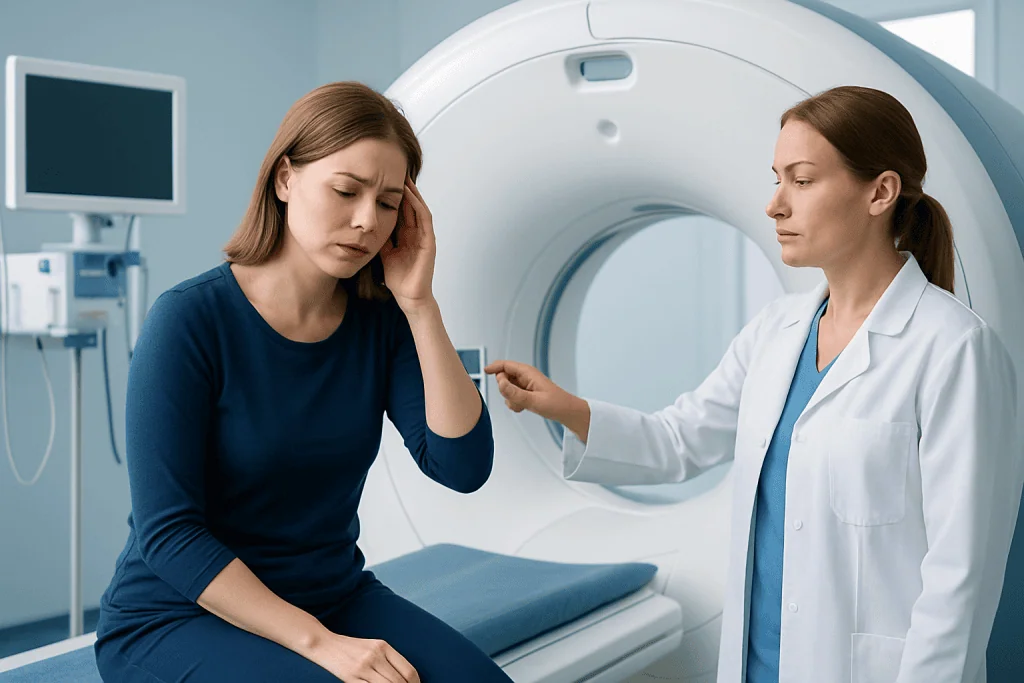
Some morning headaches resemble tension-type headaches. These often cause a steady, pressing sensation on both sides of the head and may occur with tight neck, shoulder, scalp, or jaw muscles. Sleeping in an awkward position, using an unsupportive pillow, prolonged screen use, stress, or clenching the jaw overnight may contribute.
Migraine can also begin during the night or be noticeable on waking. It commonly causes moderate to severe throbbing pain, often on one side, and may be accompanied by nausea, sensitivity to light or sound, or worsening with routine movement. Some people have warning symptoms, known as aura, before a migraine, although many do not.
Headaches related to poor sleep may occur alongside loud snoring, repeated waking, gasping or choking during sleep, dry mouth, daytime sleepiness, difficulty concentrating, or waking unrefreshed. Morning headache can be one possible symptom of obstructive sleep apnea, a condition in which breathing repeatedly narrows or pauses during sleep. Not everyone who snores has sleep apnea, and not everyone with sleep apnea snores.
- Jaw soreness, tooth sensitivity, or worn teeth may suggest nighttime teeth grinding or clenching.
- Blocked nose, facial pressure, reduced smell, or thick nasal discharge may point to a nasal or sinus problem, particularly when symptoms follow a cold or allergy flare.
- Feeling shaky, irritable, or unusually tired on waking can sometimes occur with missed meals, alcohol use, medication effects, or caffeine withdrawal.
Possible causes and risk factors

Sleep disruption is a frequent contributor. Sleeping too little, sleeping much longer than usual, shift work, jet lag, insomnia, and an irregular sleep schedule can lower the threshold for headaches, especially migraine. Alcohol can fragment sleep and cause dehydration, making headache more likely the next morning.
Obstructive sleep apnea deserves consideration when morning headaches occur with snoring, witnessed breathing pauses, gasping, obesity, high blood pressure, daytime drowsiness, or a large neck circumference. During sleep apnea, repeated breathing interruptions can reduce sleep quality and affect oxygen and carbon dioxide balance. A sleep assessment can clarify whether this condition is present.
Teeth grinding, also called bruxism, and temporomandibular joint problems can strain the jaw and surrounding muscles overnight. Neck pain or arthritis in the cervical spine may also contribute to pain that begins in the neck or back of the head and is felt on waking. Emotional stress, anxiety, and depression can influence sleep and muscle tension and may increase headache frequency.
Medication and substance patterns matter. Frequent use of pain-relieving medicines may lead to medication-overuse headache, particularly in people with an existing migraine or headache disorder. Missing usual caffeine intake can trigger a withdrawal headache, while excessive caffeine can disrupt sleep. Some prescribed medicines may also cause headache as a side effect, so a person should discuss concerns with the prescriber rather than stopping a medication independently.
How morning headaches are assessed
A clinician usually begins with a detailed history. Helpful questions include when the headaches began, how often they occur, where the pain is located, how long it lasts, what it feels like, and what makes it better or worse. They will also ask about sleep habits, snoring, stress, alcohol, caffeine, meals, menstrual cycles where relevant, injuries, current medicines, and family history of migraine.
A headache diary can make patterns easier to see. For two to four weeks, it may be useful to note bedtime and wake time, sleep quality, headache timing and severity, foods and drinks, alcohol, caffeine, medicines, exercise, stress level, and symptoms such as nausea, light sensitivity, jaw pain, or snoring reported by a partner. This information can guide a more focused evaluation.
The examination may include blood pressure measurement and assessment of the eyes, nerves, balance, strength, neck movement, jaw, and nasal passages. Depending on the symptoms, a doctor may recommend a dental assessment, sleep study, blood tests, eye examination, or imaging. Brain imaging is not necessary for every headache; it is generally considered when there are warning signs, an abnormal examination, a new or changing pattern, or other clinical reasons.
Treatment options depend on the cause
Effective treatment is based on the underlying headache type and contributing factors. For tension-related pain, the plan may include improving sleep ergonomics, gentle neck and shoulder exercises, physical therapy, relaxation techniques, and strategies to reduce stress. A dentist may assess suspected grinding or jaw-joint problems and may recommend measures to protect the teeth or reduce jaw strain.
For migraine, a clinician may advise acute treatments to use early in an attack and, if headaches are frequent or disabling, preventive treatment. Identifying personal triggers, maintaining regular sleep and meals, and avoiding overuse of pain-relieving medicines can be important parts of migraine care. The right plan is individualized because headache medicines are not suitable for everyone.
If testing confirms obstructive sleep apnea, treatment can improve both sleep quality and associated morning symptoms. Options may include weight management when appropriate, positional strategies, treatment for nasal blockage, an oral appliance for selected patients, or positive airway pressure therapy. Managing high blood pressure and other related health conditions is also important.
People should avoid increasing the frequency or dose of over-the-counter pain medicines without medical guidance. Regular use can sometimes perpetuate headache cycles, and certain medicines may be unsuitable for people with stomach, kidney, liver, heart, bleeding, or pregnancy-related concerns.
Practical self-care and prevention steps
Simple routine changes can reduce morning headaches for some people. A consistent sleep and wake schedule, including on non-working days, supports the body’s sleep rhythm. Adults generally benefit from enough sleep to feel rested, while excessive time in bed may worsen headaches for certain people. A cool, dark, quiet bedroom and limiting screens shortly before bed may also help sleep quality.
Hydration should be maintained through the day, particularly in warm weather or after exercise. Regular meals can help avoid headaches related to fasting or low blood sugar in susceptible individuals. Those who use caffeine may find it helpful to keep intake moderate and consistent rather than consuming large amounts late in the day or abruptly stopping after habitual use.
Attention to posture may be valuable when pain starts in the neck or shoulders. A pillow that keeps the neck in a comfortable, neutral position, avoiding sleeping face-down where possible, and taking breaks from prolonged desk or phone use may lessen muscle strain. Relaxation exercises, regular physical activity suited to the individual, and addressing stress can also support headache prevention.
It is sensible to avoid alcohol close to bedtime if it is associated with headaches or fragmented sleep. People who suspect teeth grinding can discuss it with a dentist. Snoring, gasping during sleep, or marked daytime fatigue should be raised with a doctor rather than managed only with home measures.
When to seek medical care
Medical advice is recommended for morning headaches that occur repeatedly, interfere with daily life, do not improve with reasonable self-care, or represent a clear change from a person’s usual pattern. Assessment is especially important when headaches are associated with loud snoring, breathing pauses, daytime sleepiness, jaw pain, persistent neck pain, high blood pressure, or increasing reliance on pain medicines.
Urgent medical assessment is needed for a sudden, extremely severe headache that reaches maximum intensity quickly; a headache following a head injury; or headache with fainting, confusion, fever and a stiff neck, seizure, persistent vomiting, new weakness or numbness, trouble speaking, vision loss, or difficulty walking. These symptoms can have causes that require prompt evaluation.
People who are pregnant or recently gave birth, are over age 50 with a new headache, have cancer or a weakened immune system, or take blood-thinning medication should seek timely professional guidance for new or changing headaches. Acibadem International’s multidisciplinary specialists and JCI-accredited hospitals diagnose and treat headache-related conditions for international patients.
Frequently asked questions
Why do I wake up with a headache every morning?
Repeated morning headaches can be related to poor or disrupted sleep, sleep apnea, teeth grinding, neck tension, migraine, alcohol, dehydration, caffeine withdrawal, or medication overuse. The exact cause cannot be determined from timing alone. A clinician can assess the headache pattern and related symptoms to identify likely contributors.
Can sleep apnea cause morning headaches?
Yes. Morning headache can occur in people with obstructive sleep apnea, often alongside snoring, witnessed breathing pauses, gasping during sleep, dry mouth, and daytime sleepiness. A sleep study may be recommended when symptoms suggest sleep apnea.
Are morning headaches a sign of high blood pressure?
Most headaches are not caused by routine high blood pressure. However, severely elevated blood pressure can be associated with headache and needs prompt assessment, particularly if there are chest symptoms, shortness of breath, confusion, vision changes, or neurological symptoms. Blood pressure should be measured rather than assumed to be the cause.
Can dehydration cause a headache after sleeping?
Dehydration may contribute to a headache on waking, especially after alcohol use, sweating, illness, or inadequate fluid intake the previous day. Drinking fluids regularly during the day can help, but persistent morning headaches should not automatically be attributed to dehydration. Other sleep- or headache-related causes may need evaluation.
How can teeth grinding cause morning headaches?
Clenching or grinding the teeth during sleep can overwork the jaw, temple, and facial muscles. This may cause headache, jaw stiffness, facial tenderness, tooth sensitivity, or discomfort around the ears on waking. A dentist can assess signs of bruxism and discuss appropriate management.
When is a morning headache an emergency?
Emergency care is appropriate for a sudden severe headache unlike previous headaches, particularly if it occurs with confusion, fainting, seizure, fever and neck stiffness, weakness, numbness, speech difficulty, vision loss, repeated vomiting, or after a head injury. These symptoms need urgent assessment because they may indicate a serious medical problem.
References
- American Migraine Foundation
- American Academy of Sleep Medicine
- National Institute of Neurological Disorders and Stroke
- Mayo Clinic
- World Health Organization
This article is for general information only and is not a substitute for professional medical advice. Please consult a qualified doctor about your individual situation.
Explore treatments in Turkey — costs, top hospitals & a free quote
JCI-accredited · board-certified surgeons · reply within 24h
Add us as a Preferred Source to see more of our trusted health content across Google Search, AI Overviews and Discover.
Check your numbers in seconds
BMI, calories, due date, blood pressure and 30+ more clinical calculators — free, instant, doctor-reviewed ranges.

More from the Health Library



Related Specialists

Dr. Ünsal Arif Turan
Anesthesiology
Dr. Zehra Filiz Gündoğan Turan
Anesthesiology
Prof. Dr. Bora Peynircioğlu
Interventional Radiology
Prof. Dr. Celaletdin Camcı
Internal Medicine