Chadwick Sign: An Evidence-Based Guide for Patients

Chadwick sign refers to bluish-purple discoloration of genital and cervical tissues, often seen in early pregnancy. Increased pelvic blood flow and blood vessel congestion are responsible for the color change.
Key Takeaways
- Chadwick sign refers to bluish-purple discoloration of genital and cervical tissues, often seen in early pregnancy.
- Increased pelvic blood flow and blood vessel congestion are responsible for the color change.
- The sign may appear from around 6 to 8 weeks of pregnancy, although timing varies.
- A clinician usually identifies Chadwick sign during a pelvic examination; it cannot reliably be checked at home.
- Chadwick sign alone cannot diagnose pregnancy because similar color changes may have other causes.
- Pregnancy testing, clinical assessment, and sometimes ultrasound provide more reliable confirmation.
Chadwick sign is a bluish or purplish change in the color of the cervix, vagina, or vulva that may develop during early pregnancy because blood flow to the pelvic tissues increases. It is a supportive clinical finding, not a reliable pregnancy test, and a pregnancy test or ultrasound is needed to confirm pregnancy.
What Is Chadwick Sign?
Chadwick sign is a clinical term for a bluish, violet, or deep purplish discoloration of the cervix, vaginal walls, and sometimes the vulva. It can occur in pregnancy as circulation to the uterus and surrounding pelvic tissues increases. The change is named after the physician James Read Chadwick, who described it as a possible early sign of pregnancy.
Although it is often discussed as an early pregnancy sign, Chadwick sign does not confirm pregnancy on its own. Not every pregnant person develops a noticeable color change, and the finding can be subtle. A healthcare professional may observe it during a pelvic examination, but pregnancy is confirmed more reliably with a urine or blood pregnancy test and, when appropriate, ultrasound imaging.
Chadwick sign is sometimes grouped with other historical examination findings, including Goodell sign, which is softening of the cervix, and Hegar sign, which is softening of the lower uterine segment. These findings can support an overall clinical assessment, but modern pregnancy testing has a much more central role in diagnosis.
Why Does Chadwick Sign Happen?
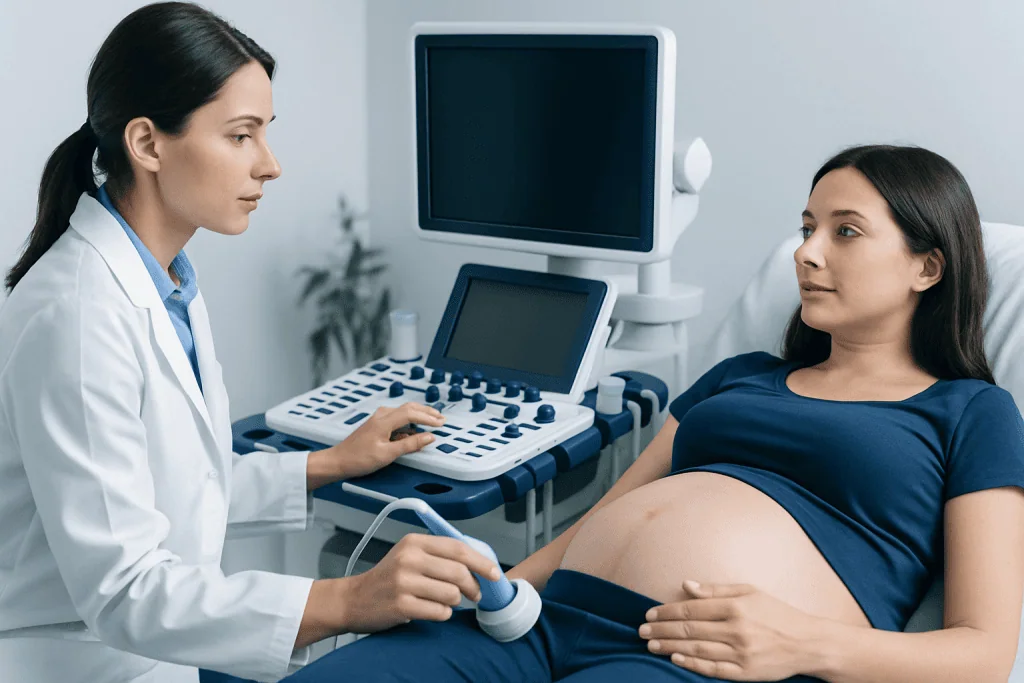
In early pregnancy, hormonal changes lead to increased blood flow to the uterus, cervix, vagina, and vulva. Estrogen and other pregnancy-related changes help widen blood vessels and increase the amount of blood circulating through pelvic tissues. Veins in these tissues can become fuller, creating the characteristic bluish or purplish appearance.
The color is related to venous congestion: blood that has delivered oxygen to tissues appears darker through the surface lining. This is similar to why veins may look blue beneath the skin, although the anatomy and lighting of an examination can affect what a clinician sees.
The presence or intensity of Chadwick sign does not indicate how healthy a pregnancy is, predict pregnancy outcomes, or estimate the exact stage of pregnancy. It is simply one possible physical change associated with the body’s normal adaptation to pregnancy.
When Does Chadwick Sign Appear?

Chadwick sign may be noticed as early as about 6 to 8 weeks after the last menstrual period. However, there is considerable individual variation. In some people it may be present earlier or become more apparent later, while in others it may not be observed at all.
The sign is generally assessed during a clinician-performed pelvic examination rather than by the person themselves. Looking at the cervix at home is not recommended, as it can be difficult to do safely, may cause irritation or injury, and does not provide a reliable way to assess pregnancy status.
Early pregnancy symptoms such as a missed period, breast tenderness, nausea, fatigue, or more frequent urination may occur around a similar time. These symptoms can also have non-pregnancy causes. A home urine pregnancy test used after a missed period is usually a more useful first step when pregnancy is possible.
Is Chadwick Sign a Reliable Pregnancy Test?
No. Chadwick sign is considered a presumptive sign of pregnancy, meaning it may suggest pregnancy but cannot establish it with certainty. A presumptive sign is based on symptoms or physical changes that may also occur for other reasons. Modern tests that detect human chorionic gonadotropin, often called hCG, are much more accurate for confirming pregnancy.
Home urine pregnancy tests can be useful when used according to the instructions, particularly after a missed menstrual period. If the result is negative but pregnancy is still suspected, repeating the test after several days or discussing blood testing with a clinician may be appropriate. Testing too early, using diluted urine, or variations in ovulation timing can contribute to a false-negative home result.
A healthcare professional may confirm an intrauterine pregnancy with ultrasound at the appropriate stage. Ultrasound is especially important when there is pelvic pain, bleeding, uncertainty about pregnancy dates, or a risk of ectopic pregnancy. Clinical examination findings, including Chadwick sign, are interpreted alongside symptoms, medical history, pregnancy test results, and imaging when needed.
Other Causes of Bluish Pelvic Tissue Changes
Pregnancy is a common reason for increased pelvic vascularity, but a bluish appearance in genital tissues is not exclusive to pregnancy. Normal differences in skin and mucosal pigmentation, individual anatomy, hormonal changes, and temporary changes in circulation can influence the appearance of the vulva, vagina, or cervix.
Pelvic congestion, varicose veins in the vulvar area, inflammation, injury, or certain gynecologic conditions may also affect tissue color or vascular appearance. A clinician considers the location of the change, associated symptoms, pregnancy test results, menstrual history, and examination findings before deciding whether further evaluation is needed.
New discoloration accompanied by pain, a lump, sores, itching, unusual discharge, fever, or bleeding should not be assumed to be Chadwick sign. Such symptoms deserve medical assessment so that infection, vascular concerns, dermatologic conditions, and other possible explanations can be considered.
How Pregnancy Is Confirmed and Monitored
If pregnancy is possible, a urine pregnancy test is often the first practical step. A positive test should be followed by contact with a qualified healthcare professional to discuss prenatal care. Depending on the person’s history and symptoms, the clinician may recommend a blood hCG test, pelvic examination, ultrasound, or a combination of these assessments.
Ultrasound can help confirm the location and development of a pregnancy once it is expected to be visible. It is not always necessary immediately after a positive home test in an uncomplicated situation, but timing and follow-up should be individualized. A clinician can also review current medications, existing health conditions, vaccination needs, nutrition, and prenatal vitamin use.
People who are trying to conceive or who have a positive pregnancy test may benefit from early prenatal guidance. Avoiding alcohol, tobacco, and non-prescribed drugs is important, and medications should not be stopped abruptly without medical advice. A clinician or pharmacist can help assess whether prescribed and over-the-counter medicines are appropriate during pregnancy.
When to Seek Medical Care
A person who suspects pregnancy should arrange routine medical care after a positive test or if repeated tests are unclear despite a missed period or ongoing symptoms. Early assessment is particularly helpful for people with previous ectopic pregnancy, recurrent pregnancy loss, fertility treatment, an intrauterine device in place, or significant medical conditions.
Urgent medical assessment is important during a possible or confirmed pregnancy if there is heavy vaginal bleeding, severe or worsening abdominal or pelvic pain, shoulder-tip pain, fainting, marked dizziness, fever, or feeling very unwell. These symptoms can have several causes and should be evaluated promptly, including to rule out ectopic pregnancy or pregnancy loss.
For non-urgent concerns about changes in genital color, discharge, discomfort, or menstrual patterns, a gynecologist or primary care clinician can provide an examination and appropriate testing. Acibadem International’s multidisciplinary specialists and JCI-accredited hospitals diagnose and treat gynecologic and pregnancy-related concerns for international patients.
Frequently asked questions
What does Chadwick sign look like?
Chadwick sign appears as a bluish, violet, or purplish color change in the cervix, vaginal walls, or vulva. It results from increased blood flow and fuller veins in pelvic tissues. The appearance can be subtle and is usually identified during a pelvic examination.
Does Chadwick sign mean someone is pregnant?
Chadwick sign can occur in pregnancy, but it does not prove that pregnancy is present. Not all pregnant people have this sign, and color changes can occur for other reasons. A urine or blood pregnancy test, with ultrasound when indicated, is needed for reliable confirmation.
How early can Chadwick sign occur?
It may appear at approximately 6 to 8 weeks after the last menstrual period. The exact timing varies, and some people may never have a visible or detectable change. Its presence cannot accurately date a pregnancy.
Can Chadwick sign be checked at home?
It is not recommended to try to inspect the cervix at home. The cervix can be difficult to visualize safely, and its color is not a reliable basis for diagnosing pregnancy. A home pregnancy test is a safer and more accurate initial option.
What is the difference between Chadwick sign and a positive pregnancy test?
Chadwick sign is a physical finding that may be observed during an examination, whereas a positive pregnancy test detects hCG, a hormone produced during pregnancy. Tests that detect hCG are more reliable for confirming pregnancy. A clinician may use examination findings as part of a broader assessment.
Should bluish discoloration in the genital area be checked by a doctor?
New or unexplained discoloration should be discussed with a healthcare professional, especially if it occurs with pain, swelling, bleeding, itching, sores, unusual discharge, or fever. During a possible pregnancy, pelvic pain or bleeding requires timely medical advice. Severe pain, heavy bleeding, fainting, or shoulder-tip pain warrants urgent assessment.
References
- American College of Obstetricians and Gynecologists
- Merck Manual Consumer Version
- Mayo Clinic
- National Library of Medicine
This article is for general information only and is not a substitute for professional medical advice. Please consult a qualified doctor about your individual situation.
Explore treatments in Turkey — costs, top hospitals & a free quote
JCI-accredited · board-certified surgeons · reply within 24h
Add us as a Preferred Source to see more of our trusted health content across Google Search, AI Overviews and Discover.
Check your numbers in seconds
BMI, calories, due date, blood pressure and 30+ more clinical calculators — free, instant, doctor-reviewed ranges.