Seminoma Cancer: Symptoms, Causes, and Treatment Options

Seminoma is a germ cell tumor that usually develops in one testicle and tends to grow more slowly than non-seminomatous germ cell tumors. A painless lump, swelling, heaviness, or change in testicle size should be assessed promptly by a doctor.
Key Takeaways
- Seminoma is a germ cell tumor that usually develops in one testicle and tends to grow more slowly than non-seminomatous germ cell tumors.
- A painless lump, swelling, heaviness, or change in testicle size should be assessed promptly by a doctor.
- Diagnosis commonly involves an examination, scrotal ultrasound, blood tests for tumor markers, and imaging to determine the stage.
- Surgery to remove the affected testicle is the usual first treatment and may be followed by active surveillance, chemotherapy, or radiotherapy in selected cases.
- Most people can maintain normal hormone levels, sexual function, and fertility potential with one healthy testicle, although fertility preservation can be considered before treatment.
Seminoma cancer is a type of testicular cancer that begins in germ cells, the cells involved in sperm production. It commonly affects younger and middle-aged adults and is often highly treatable, particularly when diagnosed before it has spread.
What Is Seminoma Cancer?
Seminoma cancer is a form of testicular cancer that arises from germ cells. Germ cells are the cells that normally develop into sperm. Seminomas most often occur in one testicle and are part of a wider group called testicular germ cell tumors. They are generally considered sensitive to treatment and often have a favorable outlook, including when treatment is needed beyond surgery.
There are two broad categories of testicular germ cell tumors: seminoma and non-seminoma. Pure seminoma is made entirely of seminoma cells, while some tumors contain a mixture of seminoma and non-seminoma components. This distinction matters because the recommended monitoring and treatment approach can differ. A specialist reviews the tumor tissue after surgery to confirm the diagnosis and guide care.
Seminoma commonly develops in adults between approximately 25 and 55 years of age, although it can occur outside this range. It may remain confined to the testicle for some time, but it can also spread, most often first to lymph nodes in the back of the abdomen. Regular assessment and timely treatment are important because early-stage disease can be managed very effectively.
Symptoms and Changes to Notice
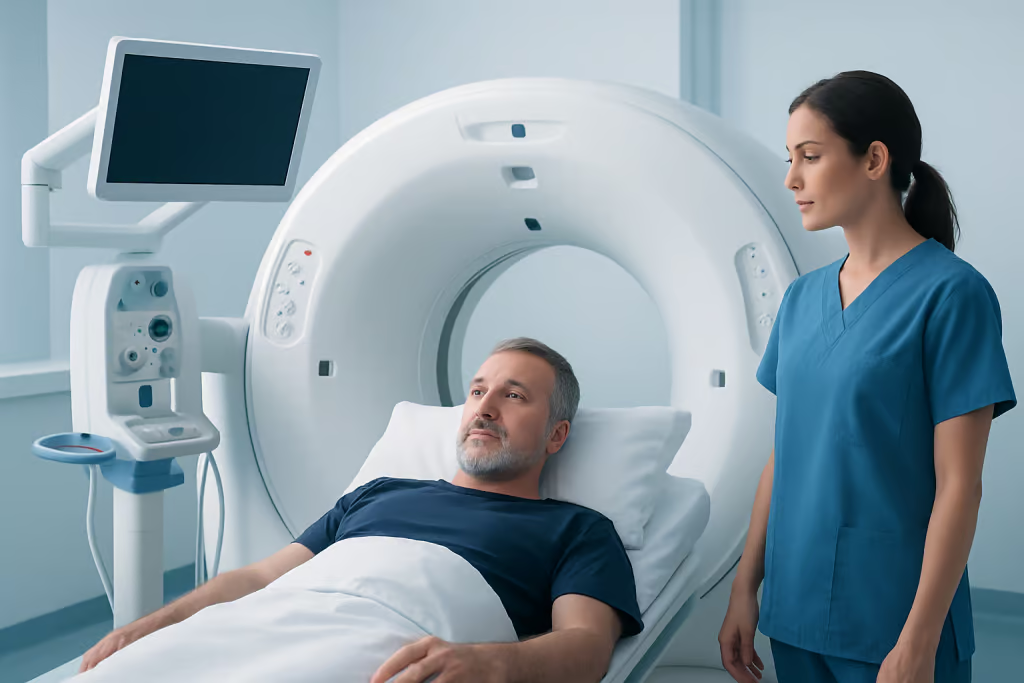
The most common sign of seminoma cancer is a painless lump, firm area, enlargement, or swelling in a testicle. Some people notice that one testicle feels heavier, larger, or different from the other. These changes are not always caused by cancer; infections, fluid collections, cysts, and injury can also affect the scrotum. However, any new or persistent testicular change should be checked by a qualified clinician.
Some people experience a dull ache in the lower abdomen, groin, or scrotum. Less commonly, there may be sudden discomfort from bleeding within a tumor or from another testicular problem. Seminoma itself does not usually cause severe pain. A sudden, intense testicular pain needs urgent assessment because testicular torsion, in which the testicle twists and loses its blood supply, is a medical emergency.
If seminoma has spread, symptoms may depend on the area involved. Enlarged abdominal lymph nodes may occasionally cause back pain or abdominal discomfort. Persistent cough, shortness of breath, unexplained weight loss, or ongoing fatigue should be discussed with a doctor, especially when they occur together with a testicular lump. Many people with early seminoma have no symptoms beyond a change in the testicle.
Causes and Risk Factors
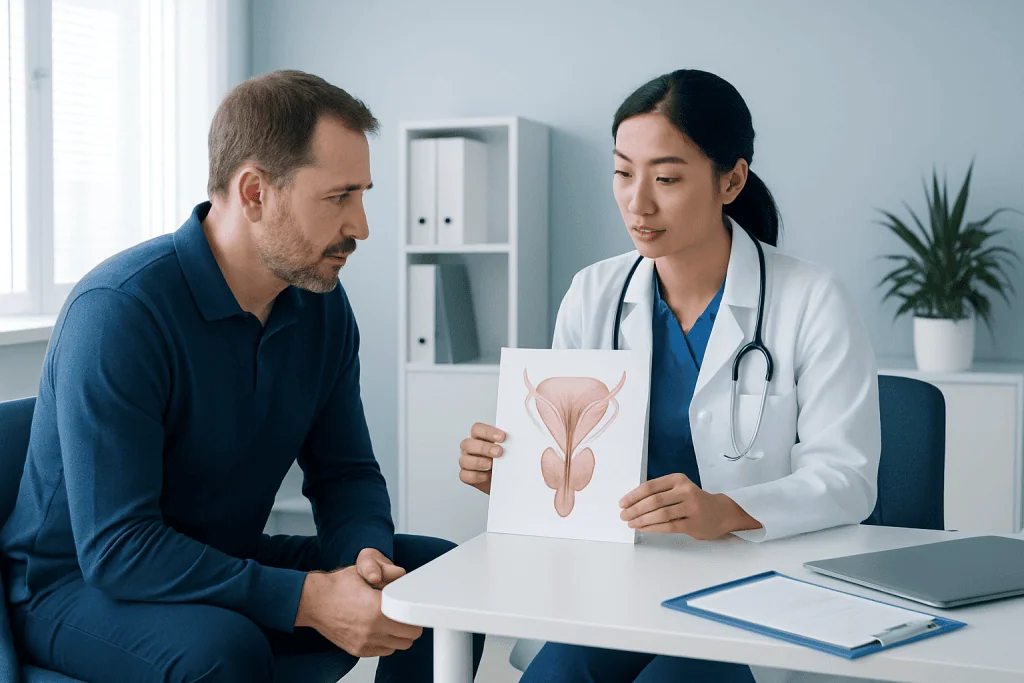
The exact cause of seminoma cancer is not fully understood. It develops when germ cells acquire genetic changes that allow them to grow and divide abnormally. It is important to understand that testicular cancer is not caused by everyday activities, sexual activity, exercise, or a minor injury. An injury may simply make a pre-existing lump more noticeable.
The strongest known risk factor is an undescended testicle, also called cryptorchidism. This is a condition in which one or both testicles did not move into the scrotum before birth. Surgical correction during childhood lowers some risks and supports testicular health, but people with a history of an undescended testicle should remain aware of changes and seek assessment promptly if they notice a lump.
Other factors linked with a higher likelihood include a personal history of cancer in the other testicle, a family history of testicular cancer, and certain differences in testicular development or fertility. Having a risk factor does not mean a person will develop seminoma, and many people diagnosed with the condition have no identifiable risk factors. There is no proven screening test for the general population, but familiarity with one’s usual testicular appearance can help changes be recognized earlier.
How Seminoma Cancer Is Diagnosed and Staged
A doctor will usually begin with a medical history and physical examination of the testicles, groin, abdomen, and nearby lymph nodes. A scrotal ultrasound is the main imaging test used to evaluate a testicular lump. It is painless, does not use radiation, and can help distinguish a mass within the testicle from conditions affecting tissues around it.
Blood tests may measure tumor markers, including alpha-fetoprotein (AFP), beta-human chorionic gonadotropin (beta-hCG), and lactate dehydrogenase (LDH). AFP should not be elevated in pure seminoma. If AFP is raised, doctors may consider that a non-seminoma component could be present, even if imaging suggests seminoma. Tumor marker levels are interpreted alongside scans and pathology results, rather than used alone to make a diagnosis.
When cancer is suspected, the usual diagnostic and initial treatment procedure is removal of the affected testicle through an incision in the groin, called radical inguinal orchiectomy. A biopsy through the scrotum is generally avoided because it may alter lymphatic drainage and is not the standard approach. The removed tissue is examined by a pathologist. CT scans of the chest, abdomen, and pelvis, and sometimes other tests, help determine whether the cancer has spread and establish its stage.
Treatment Options and Follow-Up Care
Radical inguinal orchiectomy is the standard first treatment for most seminoma cancers. Removing one testicle generally does not prevent the remaining testicle from producing testosterone or sperm. Some people choose a testicular prosthesis for cosmetic reasons, which can be discussed before surgery. The treatment plan after surgery depends on the stage, pathology findings, tumor markers, overall health, and personal preferences.
For stage I seminoma, where the cancer appears limited to the testicle, active surveillance is often recommended after surgery. This means scheduled examinations, blood tests, and scans to identify any recurrence early. Surveillance avoids unnecessary treatment for people whose cancer will not return, but it requires reliable attendance at follow-up appointments. In selected situations, a short course of chemotherapy may be considered to reduce recurrence risk. Radiotherapy is used less often than in the past because clinicians aim to limit long-term treatment effects where possible.
For seminoma that has spread to lymph nodes or more distant sites, treatment may include chemotherapy and, in selected lower-volume cases, radiotherapy. The choice depends on the location and extent of disease. After treatment, follow-up continues for several years because recurrence, although often treatable, is most likely to be found through planned monitoring. Care is typically coordinated by urologists, medical oncologists, radiation oncologists, radiologists, pathologists, and fertility specialists when needed.
Before chemotherapy or radiotherapy, people who may want children in the future can ask about sperm banking. Treatment can temporarily or permanently affect fertility in some cases. Doctors may also monitor testosterone levels, sexual health, emotional wellbeing, and long-term cardiovascular health as part of survivorship care. Acibadem International’s multidisciplinary specialists at JCI-accredited hospitals diagnose and treat seminoma cancer for international patients.
Living Well During Recovery and Reducing Uncertainty
There is no established way to prevent seminoma cancer, and no diet, supplement, or lifestyle change has been proven to eliminate the risk. However, prompt assessment of a new testicular lump is one of the most meaningful actions a person can take. People with a prior undescended testicle, a previous testicular tumor, or a strong family history may benefit from asking their doctor about individualized awareness and follow-up advice.
After orchiectomy, most people return gradually to usual activities as healing allows. The surgical team gives specific guidance about wound care, lifting, driving, exercise, and sexual activity. It is normal to have questions about body image, fertility, sexual confidence, or fear of recurrence. Discussing these concerns with the clinical team, a counselor, or a support organization can be helpful.
During surveillance or after additional treatment, it is important to attend scheduled appointments even when a person feels well. Follow-up testing is designed to detect recurrence early and to monitor recovery. People should also tell their care team about new symptoms, medication changes, plans for pregnancy, or concerns about low testosterone, such as persistent fatigue, reduced libido, depressed mood, or difficulty maintaining muscle mass.
When to Seek Medical Care
A person should arrange a medical appointment as soon as possible if they notice a new lump, hard area, enlargement, shrinking, persistent swelling, heaviness, or unexplained ache in either testicle. It is also sensible to seek assessment for a persistent groin or lower abdominal ache when the cause is unclear. These symptoms are often due to non-cancerous conditions, but only an examination and appropriate testing can identify the cause.
Urgent medical care is needed for sudden, severe testicular or scrotal pain, particularly when it is accompanied by nausea, vomiting, swelling, or a high-riding testicle. These symptoms can indicate testicular torsion and need immediate evaluation to protect the testicle. Fever, redness, or significant tenderness may suggest infection and should also be assessed promptly.
Anyone previously treated for seminoma should contact their oncology or urology team if they develop concerning symptoms between planned visits, such as persistent back pain, unexplained cough, shortness of breath, ongoing abdominal discomfort, or unintentional weight loss. Early communication does not necessarily mean the cancer has returned, but it allows the team to decide whether examination, blood tests, or imaging are appropriate.
Frequently asked questions
Is seminoma cancer curable?
Seminoma cancer is often highly treatable, and many people are cured, especially when it is diagnosed at an early stage. Even when it has spread, effective treatment options are available. The expected outlook depends on the stage, tumor features, response to treatment, and overall health.
How fast does seminoma cancer grow?
Seminomas often grow more slowly than many non-seminomatous germ cell tumors, but growth rates vary between individuals. A slow-growing tendency does not mean a lump can be safely watched without medical advice. Any new testicular change should be assessed promptly.
Can seminoma occur in both testicles?
Seminoma usually develops in one testicle. Cancer in both testicles is uncommon, but a person who has had testicular cancer has a slightly increased risk of developing a new tumor in the remaining testicle. Follow-up care and reporting new changes are therefore important.
Will removing one testicle affect testosterone or sexual function?
For most people, one healthy testicle produces enough testosterone to maintain normal sexual function and typical male characteristics. Some people may experience emotional or physical concerns after surgery, and these can be discussed with the care team. Blood tests can check hormone levels if symptoms suggest low testosterone.
Can a person have children after seminoma treatment?
Many people remain fertile after removal of one testicle, particularly if the other testicle is healthy. Chemotherapy, radiotherapy, and pre-existing fertility problems can affect sperm production. Sperm banking before treatment is an option that should be discussed when future fertility is important.
Does seminoma always need chemotherapy?
No. Surgery to remove the affected testicle is usually the first treatment, and many people with stage I seminoma then have active surveillance alone. Chemotherapy or radiotherapy may be recommended when the risk of recurrence is higher or when the cancer has spread.
References
- National Cancer Institute
- American Cancer Society
- European Association of Urology
- National Health Service
- American Urological Association
This article is for general information only and is not a substitute for professional medical advice. Please consult a qualified doctor about your individual situation.
Oncology care in Turkey — second opinion and treatment plan
JCI-accredited · board-certified surgeons · reply within 24h
Add us as a Preferred Source to see more of our trusted health content across Google Search, AI Overviews and Discover.