Upper Gi Series: A Complete Medical Overview

An upper GI series uses real-time X-ray imaging, called fluoroscopy, after a person drinks a contrast material. The test evaluates the esophagus, stomach and duodenum, but it does not directly examine the lower bowel.
Key Takeaways
- An upper GI series uses real-time X-ray imaging, called fluoroscopy, after a person drinks a contrast material.
- The test evaluates the esophagus, stomach and duodenum, but it does not directly examine the lower bowel.
- Preparation commonly includes avoiding food and drink for several hours, with individualized medication instructions from the care team.
- Most people can return home shortly after the examination; drinking fluids afterward may help prevent constipation from barium.
- An upper GI series may identify structural or movement-related concerns, while endoscopy may be needed for biopsies or a closer tissue examination.
An upper GI series is a diagnostic imaging test that uses X-rays and a contrast liquid, usually barium, to show the esophagus, stomach and first part of the small intestine. It can help clinicians investigate symptoms such as swallowing difficulty, persistent heartburn, nausea, vomiting, or upper abdominal discomfort.
What Is an Upper GI Series?
An upper GI series, also called an upper gastrointestinal series or upper GI X-ray, is an imaging examination of the upper digestive tract. It uses a contrast material and X-ray imaging to create moving and still images of the esophagus, stomach, and duodenum, which is the first section of the small intestine. The test is often performed when a clinician needs information about the shape, movement, or passage of material through these organs.
During the examination, the person drinks a chalky liquid containing barium sulfate. Barium coats the inside lining of the digestive tract and appears clearly on X-rays. A radiologist uses fluoroscopy, a type of real-time X-ray, to observe the contrast as it travels through the upper digestive system. In some cases, gas-producing crystals may also be used to gently expand the stomach and improve detail on the images.
An upper GI series is different from an endoscopy. Endoscopy involves passing a flexible camera through the mouth into the digestive tract and can allow tissue samples to be collected. An upper GI series does not involve a scope or biopsy, but it can provide useful information about swallowing, digestive movement, narrowing, and certain structural changes.
Why an Upper GI Series May Be Recommended
A clinician may recommend an upper GI series to investigate symptoms that could be related to the upper digestive tract. These may include trouble swallowing, a sensation that food is sticking, frequent regurgitation, persistent heartburn, unexplained nausea or vomiting, upper abdominal pain, bloating, or early fullness after meals. The examination may also be used to assess symptoms following certain digestive surgeries.
The test can help show conditions that change the contour or function of the esophagus, stomach, or duodenum. For example, it may help identify a hiatal hernia, areas of narrowing called strictures, swallowing coordination problems, some ulcers, or delayed stomach emptying. It may also show features that suggest gastroesophageal reflux, although reflux is often assessed alongside symptoms and other tests rather than through one imaging study alone.
Results from an upper GI series are interpreted in the context of a person’s medical history, examination, and other tests. If images suggest a condition requiring closer inspection, the clinician may recommend endoscopy, laboratory tests, CT imaging, or other investigations. A normal study can also be valuable by helping narrow the possible causes of symptoms.
How to Prepare for the Test
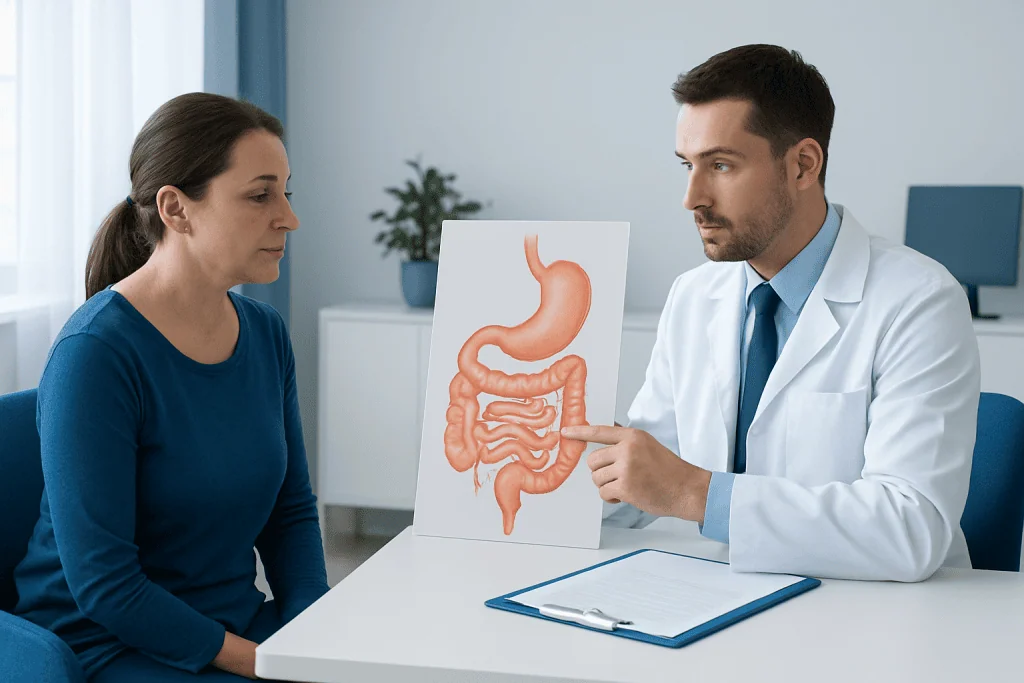
Preparation instructions vary slightly by imaging center and by the reason for the examination. In many cases, a person will be asked not to eat or drink for a period before the test, often after midnight or for several hours beforehand. An empty stomach allows the contrast material to coat the lining more evenly and can make images easier to interpret.
It is important to tell the care team about all medicines, supplements, allergies, previous digestive surgery, and current medical conditions. People with diabetes, those taking medicines that need to be taken with food, and those using certain blood-thinning medicines should ask for individualized instructions before fasting. A clinician may advise whether usual morning medicines can be taken with a small sip of water.
Pregnancy or a possible pregnancy should be discussed before scheduling or undergoing the examination because the test uses X-ray radiation. The imaging team can determine whether the test should be postponed, modified, or replaced by another approach. Patients should also report severe constipation, known bowel blockage, difficulty swallowing liquids, or a history of aspiration, as these details can affect the choice of contrast material and safety planning.
What Happens During an Upper GI Series?
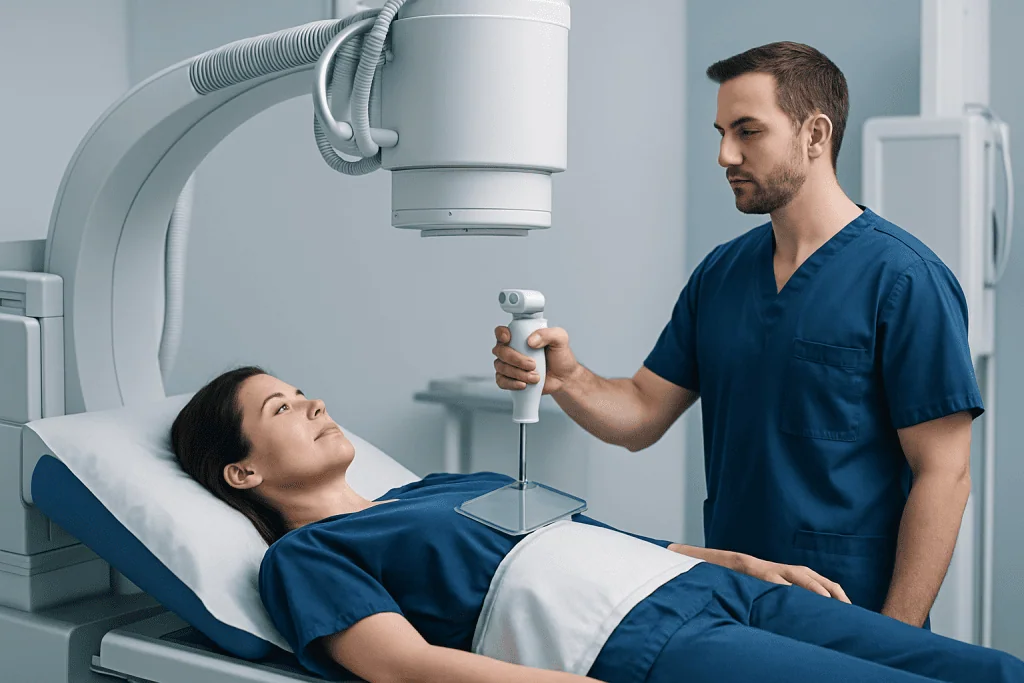
An upper GI series is usually performed in a radiology or imaging department by a radiologic technologist and a radiologist. Before the test, the person may be asked to remove jewelry or clothing with metal near the chest or abdomen and change into a gown. The team will explain how and when to drink the contrast liquid and answer practical questions before imaging begins.
The examination often starts with the person standing or sitting while taking swallows of barium. The radiologist watches the movement of contrast through the throat and esophagus using fluoroscopy. The person may then lie on an X-ray table and be asked to change positions, such as turning onto one side or rolling slightly, so the contrast can coat different parts of the stomach and duodenum.
Some people notice a thick or slightly gritty taste from the barium, and the gas-producing crystals used in certain studies can create temporary fullness or a need to burp. The imaging team may ask the person to hold their breath briefly while individual images are taken. The procedure is generally painless, although maintaining certain positions can be mildly uncomfortable for someone with pain or limited mobility.
The test length depends on how quickly contrast moves through the digestive tract and what images are needed. Many examinations are completed within about 30 minutes to an hour, though some can take longer. Afterward, the person can usually leave the department without observation unless another procedure or medical issue requires it.
Understanding Results, Benefits and Limitations
A radiologist reviews the images and sends a report to the clinician who ordered the test. The report may describe whether contrast passes normally, whether there are changes in the shape of the digestive tract, and whether there are signs of narrowing, reflux, a hernia, ulcer-related changes, or altered movement. The ordering clinician discusses what the findings mean for the individual and whether further testing or treatment is appropriate.
One benefit of an upper GI series is that it shows movement in real time. This can be especially useful for evaluating the swallowing process and how contrast passes through the esophagus and stomach. It is also non-surgical and does not require sedation in most cases. However, it cannot provide a tissue sample or detect every cause of digestive symptoms.
For example, small areas of inflammation or early tissue changes may be better assessed with endoscopy. If a suspicious area, bleeding concern, or ulcer is identified or strongly suspected, endoscopy may be recommended because it allows direct visualization and biopsy when needed. Symptoms of reflux may be managed with lifestyle measures and medical assessment; persistent symptoms should be evaluated because they can overlap with other digestive conditions.
Imaging findings are not a diagnosis on their own. A person should avoid interpreting a report without discussing it with their clinician, who can consider symptoms, risk factors, prior tests, and the full clinical picture.
Aftercare and Possible Side Effects
Most people can resume normal daily activities after an upper GI series unless they receive different instructions from their care team. Drinking additional water over the next day or two can help the barium move through the intestines. Stools may appear pale, gray, or white for a short time after the examination; this is an expected effect of barium and generally resolves once it has passed.
Constipation can occur, particularly in people who are already prone to it or do not drink enough fluids after the test. The imaging center may provide written instructions about fluid intake, diet, or a laxative if appropriate. A person should follow the specific advice provided by their own clinical team, especially if they have kidney disease, heart failure, fluid restrictions, or another condition affecting fluid intake.
Serious complications are uncommon. Rarely, barium can become impacted in the bowel, be inhaled into the lungs during swallowing, or cause problems if there is an unrecognized tear or blockage in the digestive tract. For this reason, clinicians may use a different, water-soluble contrast agent when perforation is suspected. The radiation dose is kept as low as reasonably achievable while obtaining clinically useful images.
Promptly contact the medical team if there is no bowel movement for more than a few days after the test, severe or increasing abdominal pain, marked bloating, repeated vomiting, fever, or difficulty breathing. These symptoms are not expected after a routine upper GI series and deserve medical advice.
When to Seek Medical Care
Persistent digestive symptoms should be discussed with a qualified clinician, especially if they interfere with eating, sleep, work, or daily life. An appointment is appropriate for ongoing swallowing difficulty, frequent reflux symptoms, repeated nausea or vomiting, unexplained upper abdominal pain, or a sensation that food does not pass normally. A clinician can decide whether an upper GI series, endoscopy, or another test is most suitable.
Urgent medical assessment is important for vomiting blood, passing black or bloody stools, severe chest or abdominal pain, fainting, signs of dehydration, inability to swallow liquids, or persistent vomiting. These symptoms can have several causes and should not be managed by self-diagnosis. Emergency services should be used when symptoms are sudden, severe, or accompanied by breathing difficulty or loss of consciousness.
For patients traveling for evaluation, Acibadem International’s multidisciplinary specialists and JCI-accredited hospitals can assess digestive symptoms and coordinate appropriate diagnostic imaging and follow-up care for international patients. The most appropriate investigation is selected after a medical review rather than based on symptoms alone.
Frequently asked questions
Is an upper GI series painful?
An upper GI series is usually not painful. Drinking the contrast liquid may be unpleasant for some people, and changing positions on the X-ray table may cause temporary discomfort. No incision or sedation is typically needed.
How long does an upper GI series take?
Many upper GI series examinations take about 30 minutes to an hour. The timing can vary depending on how quickly the contrast moves through the digestive tract and whether additional images are needed. The imaging center can provide a more specific estimate before the appointment.
What can an upper GI series detect?
The test can show changes involving the esophagus, stomach, and duodenum, including some narrowing, hiatal hernias, swallowing problems, ulcers, and changes in digestive movement. It may also show reflux during the examination. Further tests may still be needed to confirm the cause of symptoms.
Can a person eat before an upper GI series?
Usually, people are asked not to eat or drink for several hours before the test. Exact fasting instructions vary by facility and medical circumstances. People who have diabetes or need regular medicines should request personalized guidance before the examination.
What should a person expect after drinking barium?
Barium can temporarily make stools look light-colored or whitish. It may also cause constipation, so drinking fluids after the test is often encouraged unless a clinician has advised fluid restriction. Severe abdominal pain, persistent vomiting, or no bowel movement for several days should be reported to a healthcare professional.
Is an upper GI series the same as an endoscopy?
No. An upper GI series uses contrast and X-ray imaging to observe the digestive tract from the outside, while endoscopy uses a camera passed through the mouth to view the lining directly. Endoscopy can also obtain biopsies, which an upper GI series cannot do.
References
- Radiological Society of North America
- American College of Radiology
- National Institute of Diabetes and Digestive and Kidney Diseases
- MedlinePlus, U.S. National Library of Medicine
- Mayo Clinic
This article is for general information only and is not a substitute for professional medical advice. Please consult a qualified doctor about your individual situation.
Persistent digestive symptoms? Get evaluated in Turkey
JCI-accredited · board-certified surgeons · reply within 24h
Add us as a Preferred Source to see more of our trusted health content across Google Search, AI Overviews and Discover.