Understanding Acute Disseminated Encephalomyelitis: A Complete Patient Guide

ADEM is an immune-mediated inflammatory condition affecting the brain, spinal cord, and sometimes the optic nerves. It is more common in children but can occur at any age, often after a viral or other infection.
Key Takeaways
- ADEM is an immune-mediated inflammatory condition affecting the brain, spinal cord, and sometimes the optic nerves.
- It is more common in children but can occur at any age, often after a viral or other infection.
- New confusion, weakness, balance problems, vision changes, or seizures require urgent medical assessment.
- Diagnosis involves clinical evaluation, brain imaging, and tests to exclude infections and other neurological conditions.
- Treatment usually includes high-dose corticosteroids and supportive care, with other immune therapies used when needed.
- Most people recover well, although rehabilitation and follow-up may be important for ongoing symptoms.
Acute disseminated encephalomyelitis, often called ADEM, is a rare condition in which inflammation affects the brain and sometimes the spinal cord. It commonly develops after an infection, causes symptoms that begin suddenly over hours to days, and usually improves with timely medical care.
Overview: What Is Acute Disseminated Encephalomyelitis?
Acute disseminated encephalomyelitis (ADEM) is a rare inflammatory disorder of the central nervous system, which includes the brain and spinal cord. In ADEM, the immune system mistakenly attacks myelin, the protective fatty covering around nerve fibers. This inflammation can interfere with how nerves send signals and may lead to a combination of neurological symptoms.
The word acute means that symptoms develop relatively quickly, usually over hours to a few days. Disseminated describes inflammation occurring in more than one area of the nervous system, while encephalomyelitis refers to inflammation involving the brain and spinal cord. ADEM often occurs one to several weeks after an infection, although a clear trigger is not always identified.
ADEM is most often seen in children, but teenagers and adults can also develop it. It is generally considered a one-time, or monophasic, illness rather than a long-term progressive disease. With early evaluation and appropriate treatment, many people make a good recovery, although recovery time and remaining symptoms can vary from person to person.
How ADEM May Affect the Body
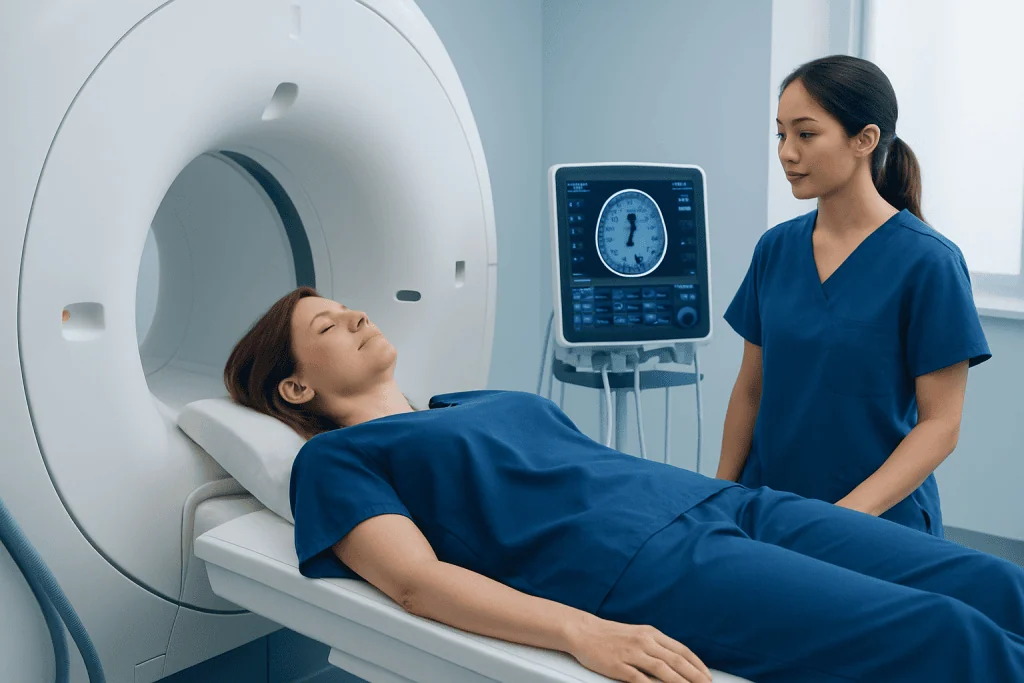
ADEM can affect different parts of the central nervous system, so symptoms differ according to the areas involved. A key feature is encephalopathy, meaning an altered level of awareness or thinking. A person may become unusually sleepy, confused, irritable, less responsive, or have changes in behavior. In younger children, these changes may be noticed as unusual fussiness, reduced interaction, or difficulty staying awake.
Other symptoms may include headache, fever, nausea or vomiting, weakness in an arm or leg, numbness, tingling, problems with coordination, unsteady walking, dizziness, slurred speech, or difficulty swallowing. Some people develop blurred vision, eye pain with movement, double vision, or loss of vision if the optic nerves are affected. Seizures can also occur, particularly in children.
Symptoms can worsen during the first several days before stabilizing. Because these symptoms may overlap with those of infections, stroke, seizures, migraine, and other inflammatory neurological disorders, they should not be self-diagnosed. A person with sudden neurological symptoms needs prompt assessment by a qualified medical team.
- Confusion, marked drowsiness, or a significant behavior change
- New weakness, numbness, or problems walking
- Seizures or loss of consciousness
- Sudden vision changes, severe headache, or repeated vomiting
Causes and Risk Factors

ADEM is believed to result from an abnormal immune response. After the body responds to an infection, immune cells may, in rare cases, react against myelin in the nervous system because some components may resemble infectious proteins. This is sometimes described as immune cross-reactivity. It does not mean that the infection has necessarily spread into the brain or spinal cord.
Many people with ADEM have had a respiratory illness, fever, sore throat, stomach illness, or another infection in the preceding days or weeks. Viruses are commonly reported before the condition, but no single virus causes all cases. Bacterial infections may also occasionally be linked. In some individuals, no recent illness is recalled.
Rarely, ADEM has been reported after vaccination. However, infections themselves are much more commonly associated with neurological inflammation, and vaccines remain an important way of reducing the risk of serious infectious diseases. A clinician can assess a person’s individual history without assuming that a recent vaccine or infection was the direct cause.
ADEM is not contagious and is not inherited in a simple predictable way. There is no reliable method to identify in advance who will develop it. Having a healthy lifestyle supports general wellbeing, but it cannot fully prevent an uncommon immune-mediated condition such as ADEM.
How Doctors Diagnose ADEM
There is no single test that confirms ADEM in every person. Diagnosis is based on the pattern of symptoms, a neurological examination, imaging findings, laboratory results, and careful exclusion of other possible causes. Doctors will ask about recent illnesses, medications, vaccinations, the timing of symptoms, and any previous neurological episodes.
MRI scans of the brain and sometimes the spinal cord are central to the assessment. In ADEM, MRI may show multiple areas of inflammation in the brain’s white matter, deeper brain structures, or spinal cord. The appearance can support the diagnosis, but it must be interpreted alongside symptoms and other test findings.
A lumbar puncture, also called a spinal tap, may be recommended. This test examines cerebrospinal fluid for signs of inflammation and helps doctors look for infections or other disorders. Blood tests, infection testing, and electroencephalography (EEG) may also be used, particularly when seizures or altered consciousness are present.
Doctors may need to distinguish ADEM from multiple sclerosis, myelin oligodendrocyte glycoprotein antibody-associated disease (MOGAD), neuromyelitis optica spectrum disorder, viral encephalitis, and other conditions. Follow-up is important because the course over time, repeat MRI findings, and selected antibody tests can clarify the diagnosis when the initial presentation is uncertain.
Treatment Options and Hospital Care
ADEM usually requires hospital-based assessment and treatment, especially when symptoms include confusion, weakness, seizures, swallowing problems, or breathing concerns. The initial priority is to stabilize the person, manage urgent symptoms, and rule out infections that may need specific treatment. Care may involve neurologists, pediatric specialists for children, infectious disease clinicians, rehabilitation professionals, and critical care teams when necessary.
High-dose corticosteroids are commonly used as first-line treatment to reduce inflammation. These medicines are usually given intravenously at first, followed by a gradually reduced course of oral corticosteroids when appropriate. The exact plan depends on the person’s age, weight, symptoms, response to treatment, and medical history.
If symptoms are severe or do not improve adequately with corticosteroids, doctors may consider intravenous immunoglobulin (IVIG) or plasma exchange. These treatments aim to modify harmful immune activity. Seizures, pain, bladder difficulties, or muscle stiffness may also be treated with supportive medicines and therapies tailored to the individual.
Once the acute inflammation is controlled, rehabilitation can be an important part of care. Physiotherapy may help restore strength and balance, occupational therapy can support everyday activities, and speech and language therapy may help with communication or swallowing. The treatment plan should be reviewed regularly as recovery progresses.
Recovery, Follow-Up, and Everyday Support
Recovery from ADEM varies. Some people improve noticeably within days after treatment begins, while others recover more gradually over weeks or months. Fatigue, reduced concentration, headaches, weakness, emotional changes, or difficulties at school or work can continue for a period even after the most serious symptoms improve.
Follow-up appointments are important to monitor recovery, review medications, assess vision and movement, and decide whether repeat MRI scans are needed. For children, communication between families, clinicians, and school staff can help identify learning, attention, mood, or fatigue-related needs during the return to education.
At home, a gradual return to usual activities is often more manageable than trying to resume everything at once. Adequate sleep, balanced meals, hydration, prescribed rehabilitation exercises, and planned rest periods may support recovery. Family members can help by noting changes in symptoms and bringing questions to follow-up appointments.
A recurrence is uncommon in classic ADEM, but any new neurological symptoms should be evaluated promptly. In some cases, repeat episodes or particular test results lead clinicians to consider another inflammatory condition rather than monophasic ADEM. This is why ongoing neurological follow-up is valuable even when a person is feeling much better.
When to Seek Medical Care
Urgent medical care is needed for sudden confusion, unusual sleepiness, a seizure, fainting, new weakness, difficulty speaking, loss of balance, severe persistent headache, repeated vomiting, or significant changes in vision. These symptoms can have many causes, including conditions that need immediate treatment, so emergency assessment is the safest approach.
Parents and caregivers should seek prompt evaluation if a child becomes difficult to wake, stops interacting normally, develops a new limp or weakness, has trouble walking, or experiences a seizure. It is helpful to share details about recent infections, fever, travel, medications, immunizations, and the exact time symptoms began.
People recovering from ADEM should contact their medical team if symptoms worsen, new symptoms appear, medication side effects are troublesome, or rehabilitation needs change. Ongoing concerns about memory, mood, fatigue, school performance, or daily functioning also deserve discussion rather than being managed alone.
Acibadem International’s multidisciplinary specialists and JCI-accredited hospitals support international patients requiring assessment and treatment for complex neurological inflammatory conditions, including ADEM. Care decisions should always be individualized through consultation with an appropriately qualified clinician.
Frequently asked questions
Is acute disseminated encephalomyelitis the same as multiple sclerosis?
No. ADEM and multiple sclerosis both involve inflammation and damage to myelin, but they are distinct conditions. ADEM usually develops as a single episode, often after an infection, and is more likely to include confusion or reduced alertness at the beginning. Doctors use symptoms, MRI patterns, laboratory tests, and follow-up over time to distinguish them.
Can adults develop ADEM?
Yes. ADEM is more common in children, but adults can develop it as well. Adults with suspected ADEM need careful evaluation because other neurological and infectious conditions can cause similar symptoms.
How long does recovery from ADEM take?
Recovery can take days, weeks, or months depending on the severity of inflammation and the symptoms involved. Many people improve substantially, particularly with timely treatment. Some may need rehabilitation or continued support for fatigue, concentration, balance, or weakness during recovery.
Is ADEM contagious?
ADEM itself is not contagious. It may occur after an infection, and some infections can spread between people, but the immune-mediated inflammation of ADEM cannot be passed from one person to another.
Can ADEM come back after recovery?
Classic ADEM is usually monophasic, meaning it occurs once. However, new neurological symptoms after recovery should always be reviewed by a neurologist. Repeat symptoms may require further testing to evaluate for recurrent ADEM or another inflammatory neurological condition.
What tests are used to diagnose ADEM?
Doctors commonly use a neurological examination and MRI of the brain, and sometimes the spinal cord. Blood tests and a lumbar puncture may help identify inflammation, rule out infection, and assess for related immune conditions. Repeat imaging or specialist follow-up may be needed when the diagnosis is not immediately clear.
References
- National Institute of Neurological Disorders and Stroke
- National Multiple Sclerosis Society
- Mayo Clinic
- MS International Federation
- American Academy of Neurology
This article is for general information only and is not a substitute for professional medical advice. Please consult a qualified doctor about your individual situation.
Joint and spine care in Turkey — expert assessment & treatment
JCI-accredited · board-certified surgeons · reply within 24h
Add us as a Preferred Source to see more of our trusted health content across Google Search, AI Overviews and Discover.

More from the Health Library



Related Specialists

Assoc. Prof. Dr. Fatih Şimşek
Anesthesiology
Dr. Mehmet Erem
Otorhinolaryngology
Dt. Memduha Merve Kara
Oral & Dental Health
Prof. Dr. A. Sibel Erdamar Çetin
Gastrointestinal Oncology Unit Clinical Service