Claw Toe: An Evidence-Based Guide for Patients

Claw toe most often affects the second through fifth toes and can be flexible at first but become rigid over time. Muscle and tendon imbalance, ill-fitting footwear, nerve conditions, arthritis and diabetes-related nerve damage can contribute to claw toe.
Key Takeaways
- Claw toe most often affects the second through fifth toes and can be flexible at first but become rigid over time.
- Muscle and tendon imbalance, ill-fitting footwear, nerve conditions, arthritis and diabetes-related nerve damage can contribute to claw toe.
- Corns, calluses, skin breakdown and pain in shoes are common consequences of persistent toe pressure.
- Wide, deep toe-box shoes, pads, stretching and treatment of underlying conditions may ease symptoms in flexible cases.
- A clinician should assess sores, redness, numbness or worsening pain promptly, especially in people with diabetes or poor circulation.
Claw toe is a toe deformity in which one or more of the smaller toes bend upward at the base and downward at the middle and end joints, creating a claw-like position. Early care can often reduce pressure and discomfort, while fixed or painful deformities may need specialist treatment.
Claw Toe at a Glance
Claw toe is a deformity affecting one or more of the smaller toes, usually the second, third, fourth or fifth toe. The toe bends upward at the joint where it meets the foot and bends downward at the middle and end joints. This creates a curled, claw-like appearance that can make shoes uncomfortable and place extra pressure on the top, tip and ball of the foot.
In its early stages, claw toe may be flexible, meaning the toe can still be gently straightened by hand. Without attention to the causes and pressure points, the tissues around the joints can tighten and the toe may become fixed in position. A fixed claw toe is more likely to cause persistent rubbing, corns, calluses and difficulty finding comfortable footwear.
Claw toe is different from hammertoe, although the terms are sometimes used interchangeably. A hammertoe mainly bends at the middle toe joint, while claw toe typically involves bending at all three joints of a smaller toe. An examination by a qualified clinician can clarify the type of deformity and guide care.
How Claw Toe Can Feel and Look
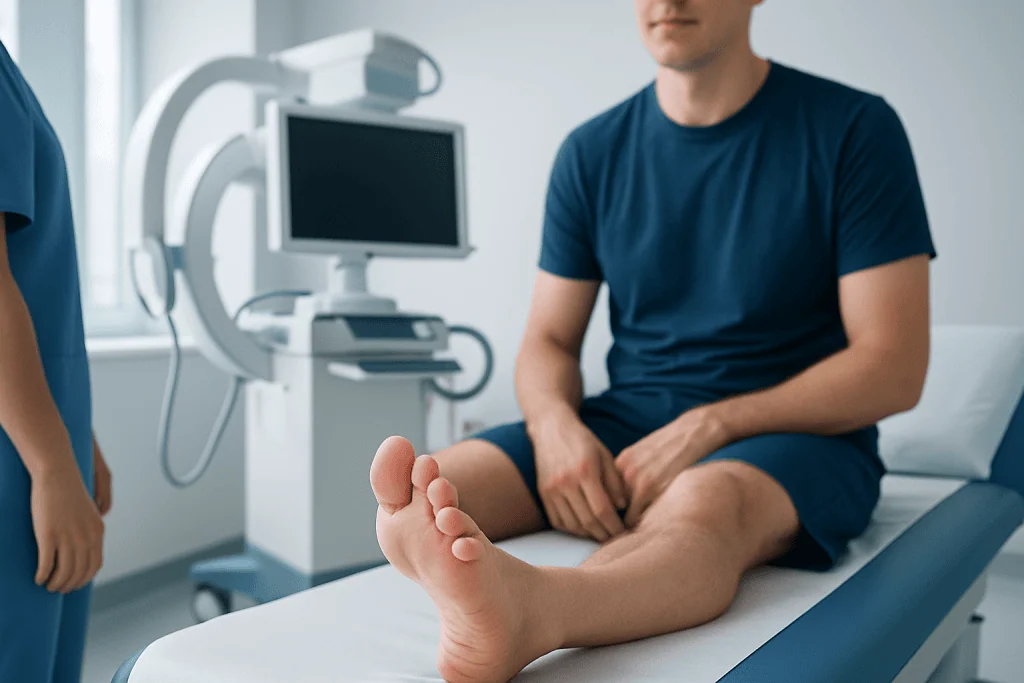
The visible change in toe shape is often the first sign of claw toe. The base of the toe may lift upward, while the middle and tip curl toward the sole. The top of the bent toe may rub against the shoe, and the toe tip may press into the ground or inside of the shoe during walking.
Symptoms vary depending on whether the deformity is flexible or fixed and whether there is repeated friction. Some people have little pain, whereas others notice aching, burning, tenderness or sharp pressure when standing, walking or wearing closed shoes. Symptoms can also arise from related pressure changes at the ball of the foot.
- Corns or thickened skin on the top, tip or underside of the toe
- Calluses under the ball of the foot
- Redness, swelling or tenderness over toe joints
- Difficulty fitting into ordinary shoes
- Reduced balance or discomfort when walking
- Occasional numbness or tingling when a nerve problem is contributing
Skin changes should not be ignored. Persistent pressure can sometimes lead to a blister or open sore, particularly when sensation is reduced. People with diabetes, peripheral neuropathy or circulation problems may not feel early damage and should inspect their feet regularly.
Why Claw Toe Develops
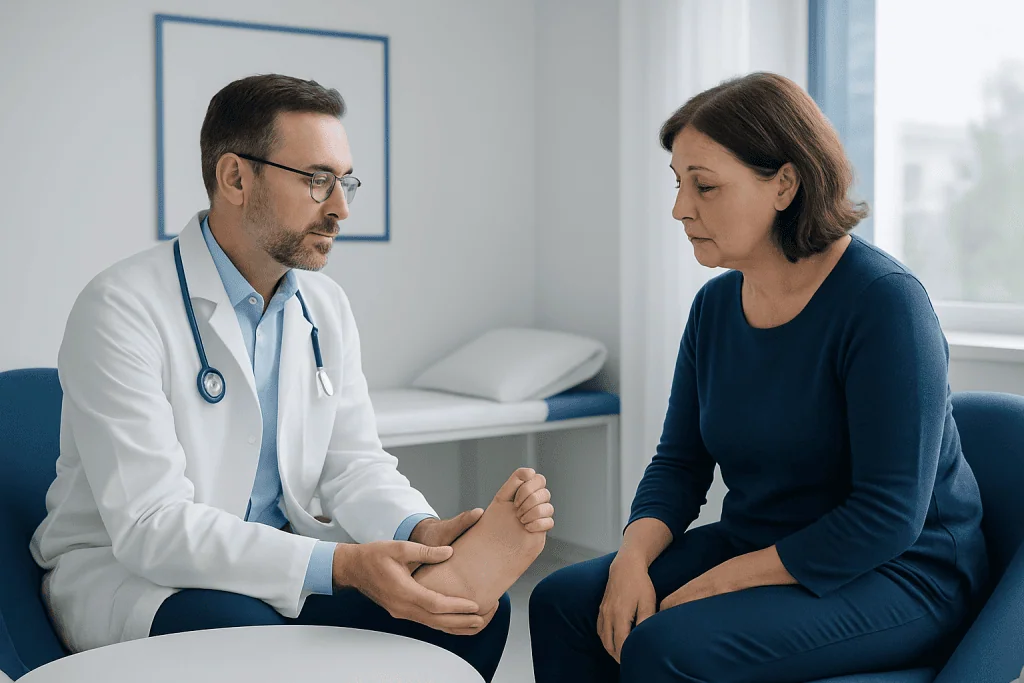
Claw toe develops when the muscles, tendons and joints that normally keep the toes aligned are no longer in balance. Muscles that pull the toe upward may become relatively stronger than those that pull it downward, or the tendons and joint capsule may gradually tighten. Over time, this can draw the toe into its characteristic bent position.
Several health conditions can contribute to this imbalance. Nerve-related conditions, including peripheral neuropathy, may weaken foot muscles or alter how they work. Diabetes can cause neuropathy in some people, while neurological disorders, previous injuries and certain spinal or nerve problems can also affect foot muscle control. Inflammatory arthritis and osteoarthritis may change joint structure and contribute to toe deformities.
Foot shape and mechanics matter as well. High arches, an unstable forefoot, bunions and other alignment differences can shift pressure onto the smaller toes. Shoes with a narrow toe box, a shallow front or high heels do not usually cause claw toe on their own, but they can crowd the toes, worsen discomfort and speed the development of rigid pressure areas.
Claw toe can occur at any age, but it becomes more common as connective tissues lose flexibility and foot mechanics change over time. A careful assessment is important because identifying and managing an underlying cause may help prevent progression or complications.
Assessment and Diagnosis
A doctor, podiatrist or orthopedic foot and ankle specialist can often diagnose claw toe through a clinical examination. They will ask when the toe shape changed, whether pain occurs in particular shoes or activities, and whether there has been injury, numbness, weakness, diabetes, arthritis or a neurological condition.
During the examination, the clinician checks whether the toe can be straightened, evaluates foot alignment and looks for corns, calluses, blisters or ulcers. They may assess circulation, sensation and muscle strength, especially when diabetes or neuropathy is possible. Examining both feet can help identify a broader pattern of muscle imbalance or structural change.
X-rays are not always needed, but they may be useful when the toe is stiff, painful, associated with arthritis or injury, or being considered for surgery. Imaging can show joint alignment, bone changes and other foot deformities that influence treatment planning. Blood tests or neurological evaluation may be recommended when symptoms suggest an underlying medical condition.
Accurate diagnosis also helps distinguish claw toe from hammertoe, mallet toe, curled toes due to tendon tightness, and other causes of forefoot pain. This distinction matters because the most appropriate treatment depends on the joints involved, flexibility of the toe and the person’s overall health.
Treatment Options: Reducing Pressure and Restoring Function
Treatment for claw toe is tailored to symptoms, flexibility of the deformity, skin health and contributing conditions. A flexible claw toe may respond well to non-surgical measures, particularly when started early. The aims are to reduce rubbing and pain, protect the skin, improve shoe comfort and limit further tightening of the joints.
Footwear is often a central part of care. Shoes with a wide, deep toe box give curled toes more room and can reduce pressure on prominent joints. Soft uppers, low heels and adjustable fastenings may improve comfort. A clinician may recommend cushioning pads, toe sleeves, custom insoles or orthotic devices to redistribute pressure; these should fit properly and be checked regularly to avoid creating new areas of rubbing.
Gentle toe stretches and foot exercises may help preserve mobility in a flexible deformity. Depending on the foot mechanics, a physiotherapist or foot specialist may suggest exercises to strengthen relevant muscles and maintain joint movement. Treating contributing conditions, such as arthritis or neuropathy, is also an important part of a complete plan.
When claw toe is rigid, causes ongoing pain, repeatedly breaks down the skin or does not improve with conservative care, surgery may be discussed. Procedures differ according to the affected joints and may involve releasing or balancing tendons, removing a small portion of bone, fusing a joint or correcting related forefoot alignment. A specialist can explain expected recovery, footwear needs and potential risks in the context of the individual’s health and goals.
Daily Foot Care and Prevention
Not every case of claw toe can be prevented, particularly when it is linked to a neurological disorder, arthritis or inherited foot shape. However, practical daily measures can reduce discomfort and help prevent pressure-related skin problems. Choosing shoes based on fit rather than size alone is especially valuable: there should be space in front of the longest toe and enough depth so the upper does not press on curled joints.
Feet should be checked regularly for redness, hard skin, blisters and areas of rubbing. After washing, drying carefully between the toes helps protect the skin. Moisturizer can be used on dry skin, but it is generally best not to apply it between toes where excess moisture may increase skin irritation. Corns and calluses should not be cut at home with blades or sharp tools.
People with diabetes, reduced sensation, poor circulation or a history of foot ulcers should have an individualized foot-care plan from their healthcare team. They should avoid using medicated corn removers unless a clinician specifically advises it, because these products can damage surrounding skin. Properly fitted socks without tight seams can also reduce friction.
Maintaining a healthy activity level, addressing balance concerns and seeking advice about persistent foot pain may support long-term mobility. If an exercise causes sharp pain or increased skin rubbing, it should be stopped and discussed with a clinician rather than pushed through.
When to Seek Medical Care
Medical assessment is appropriate when a toe is becoming increasingly bent, painful or difficult to fit into shoes. Early evaluation is useful because flexible deformities are often easier to manage than rigid ones. A clinician can also identify whether arthritis, nerve damage or another condition may be contributing.
Prompt medical care is important for any open sore, blister that is not healing, spreading redness, warmth, swelling, drainage or fever. These signs may indicate infection or significant tissue injury. Urgent assessment is also advised after a foot injury if there is severe pain, obvious deformity, inability to bear weight or a toe that becomes pale, blue or cold.
People with diabetes, neuropathy, poor circulation or immune suppression should contact their healthcare professional promptly about any new cut, color change, pressure area or unexplained swelling on the foot, even when it is not painful. Loss of sensation can allow small injuries to become more serious before they are noticed.
For international patients, Acibadem International’s multidisciplinary specialists and JCI-accredited hospitals can assess foot deformities, contributing health conditions and appropriate treatment options. Decisions about care should always be made following an in-person clinical evaluation and discussion of individual needs.
Frequently asked questions
Can claw toe be corrected without surgery?
Flexible claw toe may improve in comfort and function with roomy footwear, pads or orthoses, stretching and treatment of contributing conditions. These measures may not fully straighten an established deformity, but they can reduce pressure and slow progression. A rigid or persistently painful claw toe may require surgical assessment.
Is claw toe painful?
Claw toe can be painless, especially early on, but many people develop discomfort from shoe pressure and altered walking mechanics. Corns, calluses and inflammation over bent joints can make standing or walking painful. Pain that persists or interferes with daily activities should be assessed.
What shoes are best for claw toe?
Shoes with a broad, deep toe box are generally most comfortable because they avoid pressing on elevated or curled toe joints. Soft materials, low heels and adjustable closures may further reduce friction. A clinician can advise whether pads, inserts or custom footwear would be helpful.
Can diabetes cause claw toe?
Diabetes itself does not directly cause every case of claw toe, but diabetes-related nerve damage can weaken small foot muscles and contribute to toe deformities. Reduced sensation can also make pressure sores less noticeable. Regular foot checks and timely clinical care are especially important for people with diabetes.
Should a corn on a claw toe be removed at home?
It is safest not to cut or shave a corn at home, as this can cause bleeding, infection or skin injury. Medicated corn-removal products may also be unsafe for people with diabetes, neuropathy or poor circulation. A podiatrist or other qualified clinician can recommend safe treatment and pressure-relieving options.
Does claw toe get worse over time?
Claw toe can gradually become more fixed as tendons and joint tissues tighten, particularly if pressure and the underlying muscle imbalance continue. Progression is not identical for everyone, and early footwear changes and clinical guidance may help manage symptoms. New or worsening deformity should be evaluated to identify its cause.
References
- American Orthopaedic Foot & Ankle Society
- American Podiatric Medical Association
- National Institute of Arthritis and Musculoskeletal and Skin Diseases
- Mayo Clinic
- Centers for Disease Control and Prevention
This article is for general information only and is not a substitute for professional medical advice. Please consult a qualified doctor about your individual situation.
Joint and spine care in Turkey — expert assessment & treatment
JCI-accredited · board-certified surgeons · reply within 24h
Add us as a Preferred Source to see more of our trusted health content across Google Search, AI Overviews and Discover.

More from the Health Library



Related Specialists

Dr. Nesrin Yılmaz Baıramov
Physical Medicine & Rehabilitation
Prof. Dr. Tansel Erol
Cardiology
Dr. Salih Gülten
Kidney Transplant Center
Prof. Dr. Dilaver Kaya
Neurology