Tarceva Insulin: A Complete Medical Overview

Tarceva is erlotinib, a targeted anti-cancer medicine, not insulin. It is mainly used for cancers with specific epidermal growth factor receptor (EGFR) changes.
Key Takeaways
- Tarceva is erlotinib, a targeted anti-cancer medicine, not insulin.
- It is mainly used for cancers with specific epidermal growth factor receptor (EGFR) changes.
- People with diabetes may need closer blood glucose monitoring while taking Tarceva.
- Diarrhea, rash, appetite changes, infection, and some medicines can influence blood sugar control.
- Tarceva should be taken exactly as prescribed, with oncology and diabetes teams coordinating care when needed.
Tarceva insulin is a common but inaccurate phrase: Tarceva is not a form of insulin or a diabetes medicine. Tarceva is the brand name for erlotinib, a targeted therapy used for certain cancers, and it can sometimes affect blood glucose levels in people with diabetes.
Tarceva Insulin: What Does the Term Mean?
Tarceva insulin usually refers to an online search about whether Tarceva and insulin are related. They are different medicines with different purposes. Tarceva is the brand name for erlotinib, a prescription targeted therapy used in selected cancer settings. Insulin is a hormone and medicine used to manage diabetes by helping glucose move from the blood into cells.
Although Tarceva is not insulin, the two may become relevant to the same person. Cancer treatment, illness, changes in diet, diarrhea, infection, and other medicines can make blood glucose harder to manage. In addition, product information for erlotinib reports that high blood sugar can occur in some people. Anyone using insulin or other diabetes medicines should tell their oncology team before starting Tarceva and should not change insulin doses without clinical advice.
This article explains how Tarceva works, why blood sugar may need attention during treatment, and when to seek medical support. Individual treatment decisions depend on the cancer type, tumor testing, general health, and other medicines being taken.
What Tarceva Is and How It Works
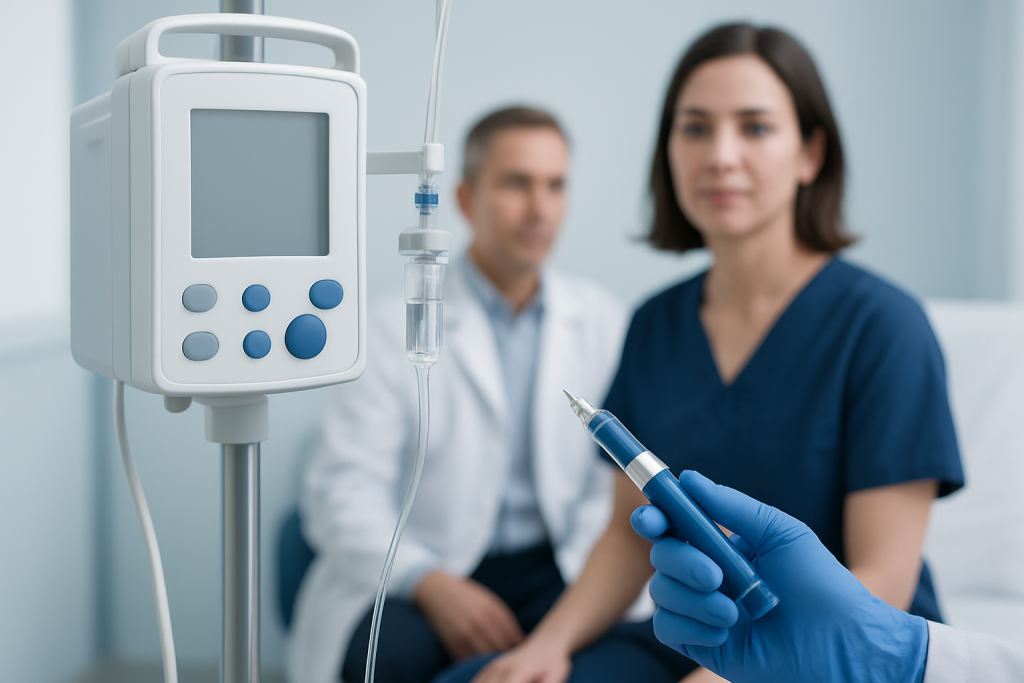
Tarceva contains erlotinib, a medicine known as an epidermal growth factor receptor tyrosine kinase inhibitor, often shortened to EGFR-TKI. EGFR is a protein involved in signaling pathways that can tell cells to grow and divide. In some cancers, abnormal EGFR activity contributes to cancer growth.
Erlotinib blocks EGFR signaling. This can slow or stop the growth of cancer cells that depend on this pathway. It is not chemotherapy in the traditional sense, although it is still a systemic anti-cancer treatment and can cause important side effects. Its use is guided by a specialist who considers pathology results, molecular testing, prior treatments, and the person’s overall condition.
Tarceva has been used particularly in certain forms of non-small cell lung cancer and in some pancreatic cancer treatment plans. The exact approved uses may differ by country and may change as cancer research and treatment guidance evolve. A person should ask their oncologist why erlotinib is being recommended in their particular situation.
Why Blood Sugar Can Matter During Tarceva Treatment

Tarceva does not replace insulin, lower blood glucose like insulin, or treat diabetes. However, people taking erlotinib may experience high blood sugar, also called hyperglycemia. This is not among the most common concerns for every patient, but it is clinically relevant for people with diabetes, prediabetes, or a history of glucose control difficulties.
Blood glucose can also change for reasons that are not directly caused by Tarceva. Cancer itself, emotional stress, reduced activity, dehydration, infection, weight loss, poor appetite, vomiting, diarrhea, and medicines such as corticosteroids can all affect glucose levels. For people using insulin, eating less than usual can raise the risk of low blood sugar if insulin is not adjusted appropriately by their diabetes clinician.
Before treatment begins, the oncology team should know about diabetes, glucose-monitoring devices, insulin pumps, and all diabetes medicines. Depending on the individual situation, clinicians may recommend more frequent home glucose checks or periodic laboratory testing. Shared care between oncology, primary care, and endocrinology can help keep cancer treatment and diabetes management coordinated.
How Tarceva Is Taken and Monitored
Tarceva is taken by mouth as a tablet. It should be taken precisely according to the prescribing clinician’s instructions, including guidance about timing in relation to food. Taking more than prescribed, taking doses closer together, or stopping suddenly can increase risks or reduce the intended benefit.
Regular monitoring helps clinicians assess both effectiveness and safety. This may include appointments to discuss symptoms, blood tests, imaging studies, review of other medicines, and evaluation of skin, lung, liver, and digestive symptoms. The monitoring schedule is individualized and may change during treatment.
Smoking can lower erlotinib levels in the body and may reduce its effectiveness. Some prescription medicines, non-prescription products, herbal supplements, and acid-reducing medicines can also alter how erlotinib works. Patients should provide an updated medication list at every visit and check with their cancer team before starting or stopping any product.
- Take Tarceva only as directed by the prescribing team.
- Report diabetes medicines and home glucose readings if requested.
- Ask before using antacids, supplements, antibiotics, or herbal remedies.
- Do not smoke, and seek support if stopping smoking is difficult.
Possible Side Effects and Practical Self-Care
Skin rash and diarrhea are among the better-known side effects of erlotinib. Other possible effects include tiredness, loss of appetite, nausea, mouth irritation, dry or itchy skin, nail changes, eye irritation, and changes in liver blood tests. Side effects vary widely: some people have mild symptoms, while others need treatment adjustments or additional supportive care.
Gentle skin care may be helpful. This can include using fragrance-free moisturizers, limiting direct sun exposure, using broad-spectrum sunscreen, and avoiding harsh or drying skin products. A rash should be reported rather than treated independently, because the oncology team may recommend specific care. Diarrhea should also be reported early, especially if it is persistent, severe, or accompanied by reduced fluid intake.
For people with diabetes, illness-related changes in eating and hydration deserve particular attention. Drinking fluids as advised, following a suitable meal plan when possible, and monitoring glucose according to the care plan may help. If a person cannot keep food or fluids down, has repeated diarrhea, or notices consistently unusual glucose readings, they should contact their medical team promptly.
When to Seek Medical Care
Patients should contact their oncology team promptly for a new or worsening rash, persistent diarrhea, vomiting, fever, signs of infection, mouth sores that make eating difficult, unusual fatigue, or difficulty managing blood glucose. Early reporting often allows side effects to be addressed before they become more disruptive.
Urgent medical assessment is needed for sudden or worsening shortness of breath, chest pain, severe weakness, confusion, fainting, severe abdominal pain, signs of significant dehydration, or severe eye pain or vision changes. These symptoms do not always mean Tarceva is the cause, but they require timely evaluation.
People with diabetes should seek urgent help for symptoms of serious high or low blood sugar, especially if they include confusion, drowsiness, loss of consciousness, rapid breathing, persistent vomiting, or inability to drink fluids. They should follow their established diabetes sick-day plan where available and contact a qualified clinician for individualized guidance.
Questions to Discuss With the Care Team
Before starting Tarceva, it can be useful to ask whether the cancer has the molecular features most likely to respond to erlotinib, what the treatment goals are, and how response will be assessed. Patients may also ask what side effects are most relevant to their health history and who to contact outside routine clinic hours.
People who use insulin or other glucose-lowering medicines can ask how often to monitor blood sugar, what readings should prompt a call, and whether treatment-day routines should change if appetite is poor. A written plan can be especially useful for patients who use insulin pumps, continuous glucose monitors, or multiple daily injections.
Acibadem International’s multidisciplinary specialists and JCI-accredited hospitals support international patients who need cancer assessment, treatment planning, and management of related health conditions such as diabetes. Decisions about Tarceva should always be made with the treating oncologist and, when appropriate, a diabetes specialist.
Frequently asked questions
Is Tarceva an insulin medicine?
No. Tarceva is the brand name for erlotinib, a targeted medicine used in certain cancers. Insulin is used to manage diabetes, so Tarceva should not be used as a substitute for insulin or any other diabetes treatment.
Can Tarceva affect blood sugar?
Tarceva may be associated with high blood sugar in some people. Blood glucose can also change during cancer treatment because of reduced appetite, infection, dehydration, stress, diarrhea, or other medicines. People with diabetes should discuss a glucose-monitoring plan with their care team.
Should a person stop insulin when taking Tarceva?
No. Insulin should not be stopped or adjusted without advice from the clinician managing diabetes. The safest approach is to inform both the oncology and diabetes teams so they can coordinate treatment and respond to changing glucose readings.
What are common Tarceva side effects?
Commonly reported effects include skin rash, diarrhea, tiredness, reduced appetite, nausea, and dry or irritated skin. Not everyone experiences these effects, and their severity can differ. New or worsening symptoms should be reported to the oncology team.
Can Tarceva be taken with food?
Tarceva should be taken according to the specific instructions provided by the prescriber and pharmacy team, including instructions about food. Food can affect how some medicines are absorbed. Patients should ask their clinician or pharmacist if they are uncertain about timing.
When should someone taking Tarceva call their doctor?
They should call promptly for persistent diarrhea, vomiting, fever, worsening rash, breathing problems, eye symptoms, or difficulty eating or drinking. People with diabetes should also contact their team for unusually high or low glucose readings or symptoms that suggest glucose is not under control.
References
- U.S. Food and Drug Administration
- National Cancer Institute
- European Medicines Agency
- American Cancer Society
- American Diabetes Association
This article is for general information only and is not a substitute for professional medical advice. Please consult a qualified doctor about your individual situation.
Oncology care in Turkey — second opinion and treatment plan
JCI-accredited · board-certified surgeons · reply within 24h
Add us as a Preferred Source to see more of our trusted health content across Google Search, AI Overviews and Discover.
Check your numbers in seconds
BMI, calories, due date, blood pressure and 30+ more clinical calculators — free, instant, doctor-reviewed ranges.