IBS Symptoms Men: Common Causes, Related Conditions, and When to See a Doctor

IBS is a disorder of gut-brain interaction that causes recurring bowel symptoms without visible structural damage to the digestive tract. Men with IBS may experience abdominal pain, bloating, diarrhea, constipation, urgency, or a feeling of incomplete bowel emptying.
Key Takeaways
- IBS is a disorder of gut-brain interaction that causes recurring bowel symptoms without visible structural damage to the digestive tract.
- Men with IBS may experience abdominal pain, bloating, diarrhea, constipation, urgency, or a feeling of incomplete bowel emptying.
- Symptoms can overlap with conditions such as celiac disease, inflammatory bowel disease, infections, medication effects, and pelvic floor disorders.
- Unexplained weight loss, rectal bleeding, anemia, fever, or symptoms that begin later in life require prompt medical assessment.
- Dietary adjustments, stress management, physical activity, and clinician-guided medicines can help many people manage IBS.
IBS symptoms in men can include recurring abdominal pain linked to bowel movements, bloating, constipation, diarrhea, or alternating bowel habits. Although IBS affects people of all genders, men may be less likely to discuss bowel symptoms or seek assessment, making it important to recognize persistent changes and rule out other causes.
IBS Symptoms in Men: An Overview
IBS symptoms in men most often include recurrent abdominal pain or cramping together with a change in bowel habits. A person may have diarrhea, constipation, or episodes of both, often alongside bloating, excess gas, urgency to use the toilet, or a sensation that the bowel has not emptied fully.
Irritable bowel syndrome (IBS) is a common disorder of gut-brain interaction. This means that the communication between the digestive tract and nervous system becomes more sensitive or disrupted, causing genuine symptoms even when routine tests do not show inflammation, ulcers, blockage, or another structural disease.
IBS can affect men at any age, although symptoms often start in adolescence or early adulthood. Research suggests that men may be diagnosed less often than women in some settings, possibly because bowel symptoms can be underreported or attributed to diet, work stress, or temporary stomach upset. Symptoms are manageable, but an appropriate assessment is important before assuming that persistent digestive symptoms are IBS.
Common IBS Symptoms Men May Experience
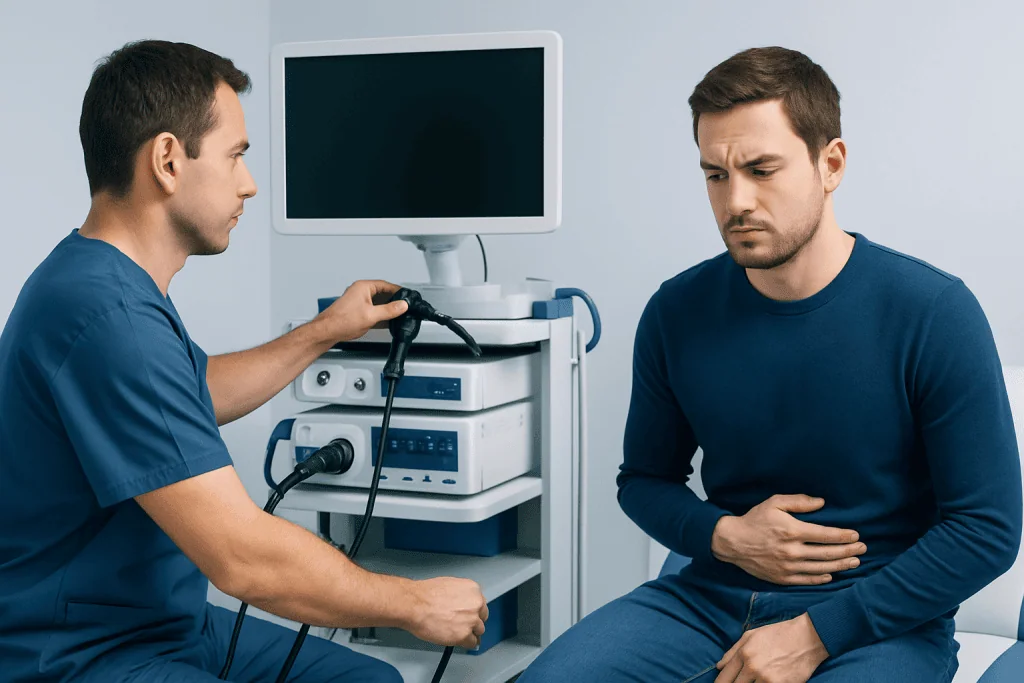
The defining symptom of IBS is recurrent abdominal pain that is related to passing stool or a change in how often stools occur or what they look like. Pain may improve after a bowel movement, although this does not happen for everyone. Symptoms often fluctuate, with quieter periods followed by flare-ups.
IBS is commonly grouped according to the usual bowel pattern. IBS with constipation (IBS-C) involves hard, infrequent, or difficult-to-pass stools. IBS with diarrhea (IBS-D) involves loose or watery stools, urgency, and sometimes concern about finding a toilet quickly. IBS with mixed bowel habits (IBS-M) includes both constipation and diarrhea at different times.
- Abdominal cramping, aching, or discomfort
- Bloating or a visibly swollen-feeling abdomen
- Increased gas or flatulence
- Diarrhea, constipation, or alternating stool patterns
- Mucus in the stool
- Urgency or a feeling of incomplete evacuation
- Symptoms that worsen after particular meals or during stress
Some men also report fatigue, sleep disturbance, nausea, or pelvic discomfort. These symptoms can occur alongside IBS, but they are not specific to it. Persistent pain in the pelvis, testicles, urinary tract, or lower back should be discussed with a clinician, particularly if it is new or severe.
Why IBS Develops and What Can Trigger Symptoms

There is no single cause of IBS. It is thought to develop through a combination of altered gut sensitivity, changes in bowel movement patterns, communication between the brain and digestive tract, immune activity after an infection, and changes in the gut microbiome. IBS is not caused by a visible injury to the bowel, and it is not a sign that symptoms are imagined.
Symptoms may begin after a gastrointestinal infection, sometimes called post-infectious IBS. They may also occur during periods of major stress, anxiety, poor sleep, or life change. Stress does not cause IBS in every person, but it can affect intestinal movement and pain sensitivity through the gut-brain connection.
Food triggers vary considerably. Large or fatty meals, alcohol, caffeine, carbonated drinks, spicy foods, and certain fermentable carbohydrates can worsen symptoms for some people. Lactose or other individual intolerances may also contribute. Rather than eliminating many foods at once, it is usually more helpful to identify personal patterns with a symptom and food diary and seek professional guidance if a structured dietary plan is needed.
Smoking, limited physical activity, irregular meals, and some medicines can influence bowel habits as well. For example, certain pain medicines may contribute to constipation, while some antibiotics, supplements, or diabetes medicines can cause diarrhea. A clinician can review whether medicines or supplements may be playing a role.
Related Conditions That Can Resemble IBS
IBS symptoms overlap with many digestive and non-digestive conditions. A clinician will consider the overall symptom pattern, personal and family history, age at onset, medicines, travel, diet, and any warning signs before confirming an IBS diagnosis. Having IBS does not prevent someone from developing another condition, so new or changing symptoms should not automatically be attributed to a previous diagnosis.
Conditions that may cause similar symptoms include celiac disease, lactose intolerance, inflammatory bowel disease, microscopic colitis, bowel infections, diverticular disease, thyroid disorders, and medication-related bowel changes. Persistent diarrhea can also result from bile acid diarrhea or pancreatic conditions, while constipation may be related to slow bowel transit or pelvic floor dysfunction.
In men, urinary or pelvic conditions can sometimes add to lower abdominal or pelvic symptoms. Chronic prostatitis/chronic pelvic pain syndrome may cause pelvic discomfort and urinary symptoms, and it can coexist with bowel symptoms. A clinician may recommend evaluation by a gastroenterology, urology, or pelvic health specialist depending on the symptoms present.
Colorectal cancer is much less likely to explain typical IBS symptoms in a younger person without warning signs, but it must be considered when there is bleeding, anemia, unexplained weight loss, a family history of colorectal cancer, or a new bowel change later in adulthood. Screening should also be followed according to a person’s age, risk factors, and local recommendations.
How IBS Is Diagnosed
IBS is usually diagnosed from a careful clinical history and physical examination rather than from one specific test. Clinicians commonly use symptom-based criteria, including recurrent abdominal pain that has occurred on average at least one day per week in recent months and is associated with bowel movements or a change in stool frequency or form. Symptoms generally need to have started at least several months before diagnosis.
The goal of testing is to identify signs of another condition when appropriate, not to subject every person to extensive investigations. Depending on the symptoms, a clinician may request blood tests for anemia or inflammation, testing for celiac disease, stool tests, or other assessments. Colonoscopy or imaging may be advised when warning signs are present, screening is due, or the clinical picture is unclear.
Keeping a short record of pain, bowel movements, stool appearance, meals, stress levels, sleep, and medicines can make the consultation more informative. It may help to note whether symptoms wake the person from sleep, whether there is blood in the stool, and whether symptoms follow travel, an infection, or a medication change.
A clear diagnosis can be reassuring because it allows treatment to focus on the symptoms that have the greatest effect on daily life. IBS is a long-term condition for many people, but symptom severity can change over time and can often be improved with an individualized plan.
Treatment and Everyday Symptom Management
IBS treatment is tailored to the main symptoms, likely triggers, and personal preferences. Many people benefit from regular meals, adequate fluid intake, gradual changes in dietary fiber, regular physical activity, and sleep routines. Soluble fiber may help some people with constipation and overall IBS symptoms, while rapidly increasing fiber can increase gas and bloating in others.
A clinician or registered dietitian may suggest a time-limited, structured dietary approach, such as a low-FODMAP plan, for selected people. This approach should include a careful reintroduction phase to identify tolerated foods and avoid unnecessary long-term restriction. It is not intended to be a universal diet or a substitute for assessing warning symptoms.
Medicines may be considered for constipation, diarrhea, abdominal cramping, pain, or bloating. The choice depends on the IBS subtype and other health conditions. Some people may also benefit from gut-directed psychological therapies, such as cognitive behavioral therapy or hypnotherapy, which can reduce symptom burden by addressing gut-brain signaling; this does not mean IBS is “all in the mind.”
Stress-reduction practices, including breathing exercises, mindfulness, counseling, and regular enjoyable activity, may be useful additions to medical care. Acibadem International’s multidisciplinary specialists and JCI-accredited hospitals evaluate digestive symptoms and provide individualized care for international patients when assessment or treatment is needed.
When to Seek Medical Care
A medical appointment is appropriate for persistent abdominal pain, a bowel habit change lasting several weeks, symptoms that interfere with work or sleep, or uncertainty about whether symptoms are IBS. A clinician can assess for other causes and help create a safe management plan rather than relying on long-term self-treatment.
Prompt medical assessment is particularly important if any warning signs occur. These include rectal bleeding or black stools, unexplained weight loss, fever, persistent vomiting, anemia, a new abdominal mass, severe or worsening pain, or diarrhea that regularly wakes a person from sleep.
Medical advice is also important when symptoms begin for the first time later in adulthood, there is a close family history of colorectal cancer, inflammatory bowel disease, or celiac disease, or symptoms occur after significant travel or infection. Urgent care may be needed for severe abdominal pain with vomiting, marked abdominal swelling, fainting, or inability to pass stool or gas.
Most digestive symptoms do not indicate a serious disease, but warning signs deserve timely attention. Early assessment can provide reassurance, identify treatable causes, and support an effective plan for long-term symptom control.
Frequently asked questions
Are IBS symptoms different in men?
The core symptoms of IBS are similar in men and women: recurrent abdominal pain with constipation, diarrhea, or both. Individual symptoms and triggers vary more from person to person than by gender. Men may be less likely to seek help for bowel symptoms, so persistent changes should still be assessed.
Can IBS cause pain in the lower abdomen or pelvis in men?
Yes, IBS can cause cramping or discomfort in the lower abdomen, and some people describe pelvic pressure or discomfort. However, pelvic pain can also come from urinary, prostate, muscle, or other digestive conditions. New, severe, or persistent pelvic pain should be evaluated by a healthcare professional.
Does IBS cause blood in the stool?
IBS itself does not usually cause rectal bleeding or black stools. Blood may come from conditions such as hemorrhoids, fissures, inflammation, polyps, or other causes that need assessment. Anyone noticing blood in the stool should contact a clinician promptly.
Can stress cause IBS symptoms in men?
Stress can worsen IBS symptoms because the brain and digestive tract communicate closely. It can affect bowel movement patterns, pain sensitivity, sleep, and food choices. Stress management can be helpful, but it should be used alongside medical assessment and practical symptom treatment.
What foods commonly trigger IBS symptoms?
Common triggers include fatty meals, alcohol, caffeine, carbonated drinks, spicy foods, and some fermentable carbohydrates. These foods do not affect everyone in the same way. A food and symptom diary can help identify patterns, while major dietary restriction is best planned with a qualified clinician or dietitian.
How long can an IBS flare last?
An IBS flare may last from hours to days, and some people experience symptoms for longer periods. Flare duration can be affected by diet, stress, sleep, infections, and bowel habits. Symptoms that are new, progressively worsening, or accompanied by warning signs should not be assumed to be an IBS flare.
References
- National Institute of Diabetes and Digestive and Kidney Diseases
- American College of Gastroenterology
- National Institute for Health and Care Excellence
- International Foundation for Gastrointestinal Disorders
- Mayo Clinic
This article is for general information only and is not a substitute for professional medical advice. Please consult a qualified doctor about your individual situation.
Persistent digestive symptoms? Get evaluated in Turkey
JCI-accredited · board-certified surgeons · reply within 24h
Add us as a Preferred Source to see more of our trusted health content across Google Search, AI Overviews and Discover.