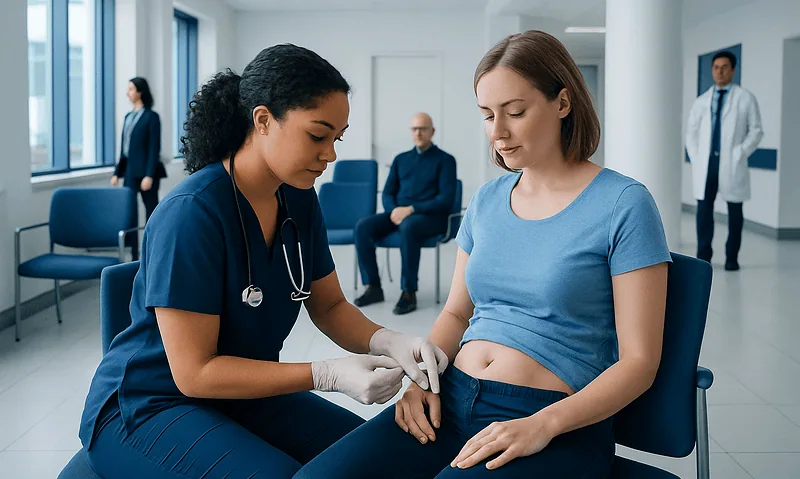
Pacemakers: An Evidence-Based Guide for Patients

A pacemaker is most often used to treat a heartbeat that is too slow, irregular, or interrupted by pauses. The device includes a pulse generator and, for many types, one or more leads that connect it to the heart.
Key Takeaways
- A pacemaker is most often used to treat a heartbeat that is too slow, irregular, or interrupted by pauses.
- The device includes a pulse generator and, for many types, one or more leads that connect it to the heart.
- Implantation is usually a planned procedure performed with local anesthetic and sedation, followed by regular device checks.
- Most household electronics are safe, but patients should follow individual advice about magnets, medical procedures, and work-related equipment.
- New or worsening fainting, chest pain, breathing difficulty, fever, or problems at the implant site need prompt medical assessment.
Pacemakers are implanted devices that monitor the heart’s electrical activity and deliver tiny electrical impulses when the heartbeat is too slow or pauses. They can improve symptoms and protect health for people with certain rhythm disorders, while allowing most people to return to an active daily life.
Overview: What Is a Pacemaker?
Pacemakers are small medical devices used to help the heart maintain a suitable rhythm. They continuously sense the heart’s natural electrical signals. If the heart beats too slowly, pauses for too long, or does not respond appropriately to activity, the device can send a very small electrical impulse that prompts a heartbeat.
A pacemaker does not usually replace every heartbeat. In many people, it works only when needed and remains inactive when the heart’s own rhythm is adequate. It is different from an implantable cardioverter-defibrillator (ICD), which is designed to identify and treat certain dangerous fast rhythms, sometimes by delivering a stronger shock.
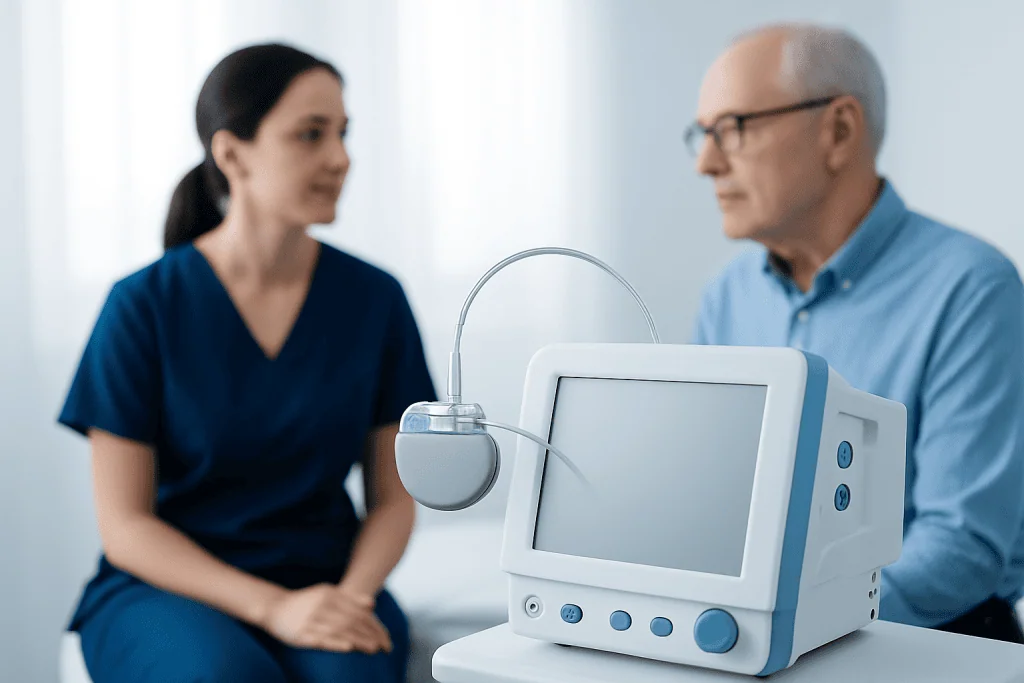
Most permanent pacemakers consist of a battery-powered pulse generator placed beneath the skin, usually below the collarbone, and insulated wires called leads. The leads are positioned within the heart and carry signals between the heart and generator. Some people may be suitable for a leadless pacemaker, a smaller device placed directly inside the heart through a catheter.
Why Pacemakers Are Recommended
A cardiologist may recommend a pacemaker when symptoms are linked to bradycardia, meaning a slow heart rate, or to interruptions in the electrical pathway that coordinates the heartbeat. The decision is based on the person’s symptoms, rhythm recordings, overall health, and the expected benefit of treatment—not on one heart-rate number alone.
Common reasons include sinus node dysfunction, in which the heart’s natural pacemaker does not work reliably, and heart block, in which electrical signals travel slowly or fail to pass from the upper to lower chambers of the heart. These conditions can occur with aging, heart disease, previous heart surgery, inflammation, certain medicines, or sometimes without a clearly identified cause.
Pacemakers may also be used in selected people with heart failure whose heart chambers beat out of sync. This treatment, called cardiac resynchronization therapy, uses a specialized device to improve coordination of contractions. It is evaluated differently from treatment for a simple slow heart rhythm and requires careful assessment by a heart-rhythm team.
A pacemaker may ease symptoms such as tiredness, light-headedness, fainting, reduced exercise tolerance, or awareness of missed beats when these are caused by a slow rhythm. It does not treat every cause of these symptoms, so confirming the underlying rhythm problem is important.
Symptoms and Evaluation Before Implantation

Slow or disrupted heart rhythms do not always cause symptoms. When they do, a person may notice dizziness, fainting or near-fainting, unusual fatigue, shortness of breath with activity, confusion, reduced stamina, or palpitations. Symptoms can come and go, which is why a normal pulse at one appointment does not always rule out an intermittent rhythm problem.
Assessment commonly begins with a medical history, physical examination, and electrocardiogram (ECG). Depending on the situation, clinicians may arrange ambulatory monitoring with a Holter monitor or longer-term event recorder, blood tests, an echocardiogram, or an exercise test. These tests help establish whether symptoms match a rhythm disturbance and identify contributing conditions.
It is important to review all medicines and supplements, since some treatments can slow the heart rate or affect electrical conduction. Clinicians also consider reversible causes, including thyroid disorders, electrolyte abnormalities, sleep-related breathing problems, and acute illness. When possible, treating a reversible factor may reduce or remove the need for a permanent device.
A specialist will discuss the type of device, whether one or more leads are needed, expected benefits, possible risks, and long-term follow-up. Patients can ask how the device will be programmed, whether remote monitoring is available, and what practical adjustments may be needed at home or work.
The Pacemaker Implantation Procedure
Pacemaker implantation is commonly performed in a hospital procedure room or cardiac catheterization laboratory. The person is usually awake but receives local anesthetic to numb the area and may receive medicine to help them relax. Continuous monitoring is used throughout the procedure.
For a conventional transvenous pacemaker, the clinician makes a small incision below the collarbone and guides the lead or leads through a vein into the heart using X-ray imaging. The leads are tested, connected to the generator, and the generator is placed in a small pocket under the skin. The incision is then closed and covered with a dressing.
Leadless pacemakers are inserted through a vein in the groin and positioned inside the heart with a catheter. They do not require a chest incision or leads, but they are not suitable for every rhythm condition. The best approach depends on the individual’s anatomy, pacing needs, infection risk, and other medical factors.
Many people go home the same day or after an overnight stay, depending on the procedure and their health. Mild soreness, bruising, or tenderness around the insertion site is common at first. The care team provides specific instructions on wound care, medicines, arm movement, activity, and follow-up.
Recovery, Follow-Up, and Device Checks
During the early recovery period, patients are generally asked to keep the incision clean and dry as instructed and to avoid heavy lifting or strenuous upper-body activity until the wound and leads have settled. The care team may advise temporarily limiting repeated or forceful movement of the arm on the side of the implant. Instructions vary, so individual advice should take priority.
Follow-up appointments check wound healing, battery status, lead function, and the device settings. A pacemaker can be programmed externally and noninvasively to meet a person’s changing needs. Many devices can also be followed through remote monitoring, which sends selected device information to the clinical team; it does not replace urgent medical care when concerning symptoms occur.
Pacemaker batteries commonly last for years, although the exact duration depends on the device type, settings, and how often pacing is needed. When the battery becomes low, the generator is usually replaced in a planned procedure. Existing leads may often remain in place if they are functioning well.
Possible complications are uncommon but can include bleeding, infection, lead movement, a collapsed lung, blood vessel injury, or a problem with the heart wall. The treating team explains the individual risks before the procedure and monitors for concerns afterward. Reporting new symptoms promptly supports early assessment and treatment if needed.
Living Safely With a Pacemaker
After recovery, most people can return to work, travel, exercise, and usual social activities. Regular physical activity is often beneficial, but the suitable type and intensity depend on the underlying heart condition. Contact sports or activities that could cause a direct blow to the device area should be discussed with the cardiology team.
Modern pacemakers are designed with shielding, and common household appliances are generally safe when used as intended. It is sensible to keep devices with strong magnets or magnetic charging components away from the implant site. Patients should ask their device clinic for personalized guidance about phones, headphones, induction cooktops, power tools, security systems, and workplace equipment.
Before an MRI scan, surgery, radiation treatment, dental procedure, or other medical intervention, the patient should tell the healthcare professional that they have a pacemaker and show their device identification card. Some contemporary systems are MRI-conditional under specific conditions, but this must be verified by the device team rather than assumed.
Patients should carry their pacemaker identification card, attend scheduled checks, and contact the clinic if they receive a manufacturer safety notice. For international patients, Acibadem International’s multidisciplinary specialists and JCI-accredited hospitals can assess heart-rhythm conditions and provide coordinated pacemaker care.
When to Seek Medical Care
Urgent medical care is needed for chest pain, severe shortness of breath, loss of consciousness, signs of stroke, or a sustained feeling of being seriously unwell. These symptoms may not be caused by a pacemaker problem, but they should never be managed by waiting for a routine device check.
A person should contact their cardiology or device clinic promptly if the incision becomes increasingly red, swollen, warm, painful, or draining fluid; if fever develops; or if the device appears to shift under the skin. New dizziness, fainting, palpitations, unexpected breathlessness, persistent hiccups, or a return of symptoms that existed before implantation also require assessment.
Follow the care team’s instructions if an alert from remote monitoring is received. A home monitor can support follow-up, but it cannot diagnose every symptom or replace emergency services. When in doubt, patients should seek advice from a qualified healthcare professional.
Frequently asked questions
Can a person feel a pacemaker working?
Most people do not feel the small electrical impulses from a pacemaker. They may notice improved energy or fewer episodes of dizziness once a slow rhythm is treated. Any new fluttering sensation, repeated twitching, or concerning symptoms should be reported to the device clinic.
How long does a pacemaker battery last?
Pacemaker batteries often last for several years, but their lifespan varies by device type, programmed settings, and the amount of pacing needed. Routine checks estimate remaining battery life well in advance. Generator replacement is usually scheduled before the battery is depleted.
Can someone exercise with a pacemaker?
In most cases, yes. After the initial healing period, many people can walk, swim, cycle, and take part in other activities appropriate for their overall heart health. The cardiology team can give personalized advice, especially for vigorous exercise, weight training, or contact sports.
Are mobile phones safe for people with pacemakers?
Mobile phones are generally safe when used normally. As a precaution, people are often advised not to place a phone directly over the pacemaker and to use the opposite ear when practical. Device manufacturers and the pacemaker clinic can provide guidance for a specific model.
Can a person with a pacemaker have an MRI scan?
Some pacemaker systems are designed for MRI under specific conditions, while others may require special planning or may not be suitable. The patient should always tell the imaging department and pacemaker clinic before an MRI is booked. The complete system, including the generator and leads, must be checked.
Does a pacemaker cure heart disease?
A pacemaker treats certain problems with the heart’s electrical rhythm, especially slow heart rates and pauses. It does not cure all forms of heart disease or replace care for conditions such as coronary artery disease, valve disease, or heart failure. Ongoing follow-up and heart-healthy habits remain important.
References
- American Heart Association
- Heart Rhythm Society
- National Heart, Lung, and Blood Institute
- Mayo Clinic
- National Health Service
This article is for general information only and is not a substitute for professional medical advice. Please consult a qualified doctor about your individual situation.
Explore treatments in Turkey — costs, top hospitals & a free quote
JCI-accredited · board-certified surgeons · reply within 24h
Add us as a Preferred Source to see more of our trusted health content across Google Search, AI Overviews and Discover.
Check your numbers in seconds
BMI, calories, due date, blood pressure and 30+ more clinical calculators — free, instant, doctor-reviewed ranges.

More from the Health Library

Estroven: What Patients Need to Know

Argan Oil for Hair — Explained by Medical Evidence, Not Myths
Mouse Poop: An Evidence-Based Guide for Patients

Black Spot on Toenail: A Complete Medical Overview

Green Pv Discharge: An Evidence-Based Guide for Patients