

Eye Examination
An eye examination is a diagnostic assessment of vision, eye pressure, refraction, and overall eye health to detect vision problems or eye diseases early.
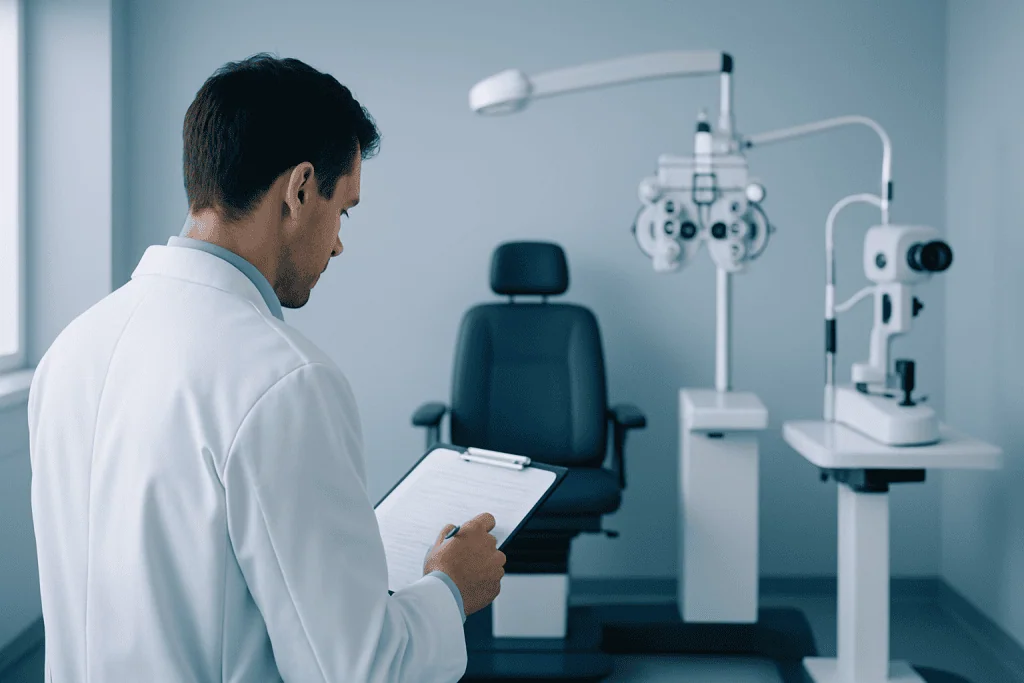
Quick answer
An eye examination is a diagnostic assessment of vision, refraction, eye pressure, and the structures of the eye to detect visual problems and eye diseases early. At Acibadem in Turkey, ophthalmologists perform personalized eye exams using modern diagnostic tests to evaluate eye health, identify conditions such as refractive errors, cataracts, or glaucoma, and guide appropriate treatment or follow-up.
Seeing Clearly Begins With Understanding Your Eye Health
Vision affects nearly every part of daily life: reading, driving, working, recognizing faces, navigating unfamiliar places and feeling confident in your surroundings. When your sight changes, even slightly, it can be unsettling. Some people worry that blurred vision means a serious eye disease. Others have no symptoms at all but know that diabetes, high blood pressure, age, family history or previous eye surgery may place them at higher risk. For international patients considering care abroad, another concern is whether the examination will be thorough, clearly explained and coordinated with the right specialist if a problem is found.
An eye examination is one of the most important ways to protect vision because many eye diseases develop quietly. Glaucoma, diabetic eye disease, macular degeneration, cataracts, retinal tears and certain inflammatory conditions may not cause pain or obvious visual symptoms in the early stages. By the time vision loss becomes noticeable, some damage may already have occurred. A comprehensive examination can detect these conditions earlier, when monitoring, medical treatment, laser procedures, surgery or lifestyle changes may help preserve vision and prevent progression.
For many patients, an eye exam is also a practical step: updating eyeglasses or contact lenses, confirming whether eye strain is due to refraction, checking eye pressure, or understanding whether surgery such as cataract treatment, refractive surgery or retinal care is appropriate. At Acibadem, eye examinations are approached as both a diagnostic assessment and a clinical conversation. The goal is not only to measure vision, but to understand the patient’s symptoms, medical background, risk factors and expectations, then guide the next steps with clarity.
What Is an Eye Examination?
An eye examination is a structured medical assessment of vision and eye health. It evaluates how well you see, how your eyes focus, how they work together, how much pressure is inside the eye, and whether the internal and external structures of the eye appear healthy. Depending on your age, symptoms and medical history, the examination may include tests for glasses prescription, eye pressure, corneal health, lens clarity, optic nerve appearance, retinal condition, visual field and eye movement.
A basic vision screening, such as reading letters on a chart, can identify reduced visual sharpness, but it is not the same as a comprehensive eye examination. A full eye exam looks beyond visual acuity. It may identify cataracts, glaucoma risk, retinal disease, optic nerve problems, corneal disorders, dry eye, inflammation, trauma-related changes or complications from systemic diseases. It can also help distinguish whether a visual complaint is caused by the eye itself, the optic nerve, the brain, medications or another medical condition.
The exact tests are personalized. A patient in their 20s who needs a contact lens assessment will not require the same pathway as a patient with diabetes, a child with suspected lazy eye, or an older adult with worsening night vision. In a hospital environment, ophthalmologists can coordinate additional imaging, laboratory testing or consultations when needed. This is especially valuable for patients with complex conditions or those seeking a second opinion after an unclear diagnosis.
Who May Need an Eye Examination?
Almost everyone benefits from regular eye examinations at appropriate intervals, but some people need evaluation sooner or more frequently. You should consider an eye examination if you notice blurred vision, double vision, eye pain, light sensitivity, frequent headaches, halos around lights, difficulty seeing at night, floaters, flashes of light, redness that does not improve, sudden vision loss, distortion of straight lines, or a curtain-like shadow in the field of vision. Sudden or severe symptoms should be treated as urgent, particularly if vision changes occur in one eye, are associated with trauma, or appear with neurologic symptoms such as weakness, speech difficulty or facial drooping.
Eye examinations are also important for people who do not have symptoms but carry higher risk. This includes patients with diabetes, high blood pressure, autoimmune disease, thyroid disease, a family history of glaucoma or retinal disease, previous eye injury, long-term steroid use, high myopia, previous eye surgery, or occupations that require precise vision. Children may need assessment if they squint, sit close to screens, tilt the head, cover one eye, avoid reading, have poor school performance, or show eye misalignment.
Diagnosis begins with a careful history. Your ophthalmology team will ask about symptoms, duration, previous prescriptions, contact lens use, medications, allergies, surgeries, general medical conditions and family history. The examination then moves through a sequence of measurements and clinical tests. When necessary, imaging technologies are used to document the retina, optic nerve, cornea or other structures in detail. These results help the physician determine whether your eyes are healthy, whether you need glasses or contacts, and whether treatment or follow-up is required.
Conditions and Indications an Eye Examination Can Address
A comprehensive eye examination can detect or monitor many conditions. Some are common and easily corrected, such as nearsightedness, farsightedness, astigmatism and presbyopia. These refractive errors can cause blurred vision, eye strain and headaches, and they are typically managed with glasses, contact lenses or, for selected patients, refractive procedures.
Other findings may require medical or surgical care. Cataracts can cause glare, faded colors, difficulty driving at night and progressive cloudy vision. Glaucoma may damage the optic nerve over time, often without early symptoms, making eye pressure measurement and optic nerve evaluation essential. Retinal conditions, including diabetic retinopathy, macular degeneration, retinal tears, retinal vascular disease and macular edema, can affect central or peripheral vision and may require imaging and timely treatment.
An eye examination can also evaluate dry eye disease, allergies, eyelid disorders, corneal disease, keratoconus, eye infections, inflammation inside the eye, optic nerve swelling, eye movement disorders and complications from systemic illnesses. For patients preparing for surgery, such as cataract or refractive surgery, the examination helps determine candidacy, select the appropriate treatment plan and identify risk factors that could influence outcomes. For patients already diagnosed with an eye condition, repeated examinations help monitor whether the disease is stable, improving or progressing.
In hospital-based ophthalmology, an eye examination may also be part of a broader medical evaluation. For example, changes in the retina can provide clues about diabetes or vascular disease. Optic nerve changes may require neurologic evaluation. Eye inflammation may be linked to autoimmune disorders. This is why a detailed eye exam can sometimes become the first step toward diagnosing a wider health issue.
How an Eye Examination Is Performed
Before the Examination
Preparation is usually simple. Patients should bring current eyeglasses, contact lenses, previous prescriptions, eye drops, medication lists and any prior eye reports or imaging. If you are traveling internationally, it is helpful to share records in advance when possible, especially if you have glaucoma, retinal disease, previous surgery or a recent diagnosis that requires a second opinion. If your eyes may be dilated, you may want to avoid driving afterward and bring sunglasses because vision can be temporarily blurred and light-sensitive.
Contact lens wearers may be asked to remove lenses before certain measurements. For specialized corneal testing or refractive surgery evaluation, patients may need to stop wearing contact lenses for a period before the visit so the corneal surface can return to its natural shape. The clinical team will advise you if this applies.
Step 1: Medical History and Symptom Review
The examination begins with a discussion. The physician or clinical team will ask what you are experiencing and what matters most to you: clearer reading vision, safer night driving, relief from eye discomfort, assessment of disease risk, or confirmation of a diagnosis. They will also review systemic conditions such as diabetes, hypertension, autoimmune disease, neurologic conditions and medication use, because these can affect the eyes.
Step 2: Visual Acuity and Refraction
Visual acuity testing measures how clearly you see at distance and near. Refraction determines whether your vision can be improved with lenses and identifies nearsightedness, farsightedness, astigmatism or presbyopia. This may involve automated measurements followed by a detailed lens comparison, where you are asked which option looks clearer. Refraction is important not only for prescribing glasses but also for distinguishing optical blur from disease-related vision loss.
Step 3: Eye Pressure Measurement
Intraocular pressure measurement helps assess glaucoma risk. Eye pressure is only one part of glaucoma evaluation; some patients develop glaucoma with normal pressure, while others may have elevated pressure without optic nerve damage. For this reason, pressure results are interpreted together with optic nerve appearance, visual field testing, corneal thickness and imaging when needed.
Step 4: Slit-Lamp Examination
A slit-lamp microscope allows the ophthalmologist to examine the front structures of the eye in detail, including the eyelids, tear film, conjunctiva, cornea, iris and lens. This helps identify dry eye, infection, inflammation, corneal scars, cataracts and other visible abnormalities. Special dyes may be used to highlight the tear film or small surface defects.
Step 5: Pupil Dilation and Retina Evaluation
Dilating drops enlarge the pupils so the physician can evaluate the lens, vitreous, retina, macula, blood vessels and optic nerve more thoroughly. Dilation may cause temporary blurred near vision and light sensitivity for several hours. In some cases, especially when wide-field retinal imaging is available, the physician may combine imaging with a dilated examination to document findings and compare changes over time.
Step 6: Imaging and Additional Testing When Needed
Modern ophthalmology relies on diagnostic technologies that provide detailed, objective information. Optical coherence tomography can create cross-sectional images of the retina and optic nerve, helping detect macular disease, glaucoma-related thinning, swelling or fluid. Corneal topography maps the curvature of the cornea and is useful for keratoconus, astigmatism and surgical planning. Visual field testing measures peripheral vision and is important for glaucoma and neurologic conditions. Retinal photography documents the appearance of the back of the eye, supporting monitoring over time. Ultrasound, angiography or other advanced tests may be recommended for specific concerns.
These technologies do not replace the physician’s examination. They support diagnosis by providing measurements, images and comparisons that help guide clinical decisions. They are especially helpful for subtle disease, complex cases and long-term follow-up.
How Long Does an Eye Examination Take?
A routine eye examination may take less than an hour, while a comprehensive examination with dilation and imaging can take longer. Complex visits, pediatric assessments, contact lens evaluations, surgical planning visits and second-opinion consultations may require additional time. International patients may also have coordinated scheduling to complete multiple tests or specialist consultations during the same visit or within a planned timeframe.
After the Examination
Most patients can return to normal activities immediately. If your pupils were dilated, near vision and light sensitivity may be affected for several hours, so reading, computer work and driving may be uncomfortable. Your physician will explain the findings, whether your prescription has changed, and whether treatment, follow-up or referral to a subspecialist is needed. If a condition is identified, you may receive a written plan that includes monitoring intervals, medications, imaging, laser treatment, surgery or additional medical evaluation.
Why Acting Early Matters
Eye disease is often more manageable when detected early. Some conditions, such as refractive errors or dry eye, may not threaten vision permanently but can interfere with work, reading and quality of life if left unaddressed. Others, including glaucoma, diabetic retinopathy, retinal tears and macular disease, may progress without causing pain. Delayed diagnosis can reduce the range of treatment options and may allow vision loss that is difficult or impossible to reverse.
Early examination is particularly important for people with risk factors. Diabetes can affect retinal blood vessels before vision changes are noticeable. Glaucoma can gradually narrow peripheral vision, and patients may not recognize the loss until advanced stages. A retinal tear can sometimes progress to retinal detachment, which is a medical emergency. Cataracts may develop slowly, but delaying evaluation can allow vision to decline enough to affect safety, mobility and independence.
Acting early does not always mean immediate treatment. Sometimes the best plan is careful monitoring. However, a timely examination gives you information: what is normal, what needs attention, and what should be watched. For international patients, it can also help determine whether care can be completed during one trip or whether follow-up should be coordinated with a local ophthalmologist after returning home.
Benefits of an Eye Examination
A comprehensive eye examination can provide practical, diagnostic and preventive benefits, depending on your age, symptoms and risk factors.
| Benefit | What It Means for You |
|---|---|
| Clearer vision assessment | Identifies whether glasses, contact lenses or a prescription update can improve daily vision for reading, driving and work. |
| Early disease detection | Helps find conditions such as glaucoma, cataracts, diabetic eye disease and retinal problems before they cause significant symptoms. |
| Risk-based monitoring | Creates a follow-up plan based on your personal risks, including age, family history, diabetes, high myopia or previous surgery. |
| Objective documentation | Imaging and measurements allow physicians to compare changes over time and make more informed treatment decisions. |
| Access to subspecialty care | If a problem is found, you can be directed to the appropriate ophthalmology subspecialist, such as retina, glaucoma, cornea or pediatric eye care. |
Recovery and What to Expect After an Eye Examination
An eye examination does not require medical recovery in the way surgery does, but certain tests can temporarily affect vision or comfort.
| Time Period | What Patients Can Expect |
|---|---|
| Day 1 | Most patients resume normal activities. If dilation was performed, near vision may be blurry and the eyes may be light-sensitive for several hours. |
| First Week | Any prescribed glasses, eye drops or follow-up tests can be arranged. Mild irritation from drops or contact lens removal usually resolves quickly. |
| First Month | Patients with new diagnoses may begin monitoring or treatment. Additional imaging, visual field testing or specialist review may be scheduled if needed. |
| Longer Term | Follow-up intervals depend on findings. Healthy eyes may need periodic routine exams, while glaucoma, diabetes or retinal disease require closer monitoring. |
What Influences the Accuracy of the Examination and a Good Result?
A good result from an eye examination means more than receiving a prescription. It means that the physician has a reliable understanding of your eye health and that you leave with clear next steps. Several factors influence this outcome.
Complete medical information is important. Eye findings can be linked to systemic diseases, medications and family history. Sharing details about diabetes control, blood pressure, autoimmune disease, neurologic symptoms, steroid use, previous eye trauma and past surgeries helps the physician interpret results correctly.
Appropriate diagnostic testing also matters. A simple refraction may be sufficient for a healthy patient with mild blur, but patients with eye pressure concerns, macular symptoms, diabetes or optic nerve changes may need imaging or visual field testing. The best examination is tailored, not excessive, and not too limited.
Quality of measurements can affect decisions. Dry eye, contact lens wear, corneal irregularities or poor cooperation in children may influence refraction or imaging. Sometimes a measurement must be repeated after treating the ocular surface or after the patient stops contact lens wear for a recommended period.
Subspecialty interpretation may be necessary for complex conditions. Retina, glaucoma, cornea, pediatric ophthalmology, neuro-ophthalmology and oculoplastic specialists focus on different aspects of eye disease. When findings are subtle or advanced, consultation with the appropriate specialist can refine the diagnosis and treatment plan.
Follow-up adherence is essential. Some eye conditions require monitoring even when vision feels normal. Visual field tests, pressure checks, retinal imaging or repeat examinations may reveal progression that the patient cannot perceive. A strong plan includes realistic follow-up timing, especially for international patients who may continue part of their care in their home country.
Patient goals should also be considered. A pilot, surgeon, designer, student, professional driver and older adult living independently may have different visual needs. Understanding lifestyle, occupation and expectations helps the ophthalmologist recommend lenses, treatment timing or preventive strategies that fit the patient’s life.
Why International Patients Choose Acibadem for Eye Examination
International patients often seek eye care abroad when they want a comprehensive evaluation, a second opinion, access to subspecialists, or coordinated diagnosis and treatment within a hospital setting. At Acibadem, eye examinations are supported by JCI-accredited hospitals, experienced ophthalmologists and diagnostic pathways designed to move from assessment to decision-making efficiently and safely.
The care model is multidisciplinary when a patient’s condition requires it. Eye findings may be reviewed by ophthalmology subspecialists, and when appropriate, coordinated with endocrinology, neurology, rheumatology, oncology, pediatrics or internal medicine. This is particularly relevant for diabetic eye disease, optic nerve disorders, inflammatory eye disease, thyroid eye disease, eye tumors or vision changes related to systemic illness. Specialist boards and collaborative case discussions help ensure that complex decisions are not made in isolation.
Diagnostic technology plays an important role. Depending on the patient’s needs, physicians may use retinal imaging, optic nerve analysis, corneal mapping, visual field testing, ultrasound-based assessment and other ophthalmic diagnostic tools. These technologies help document findings, detect subtle changes and plan treatment more precisely. For patients traveling from abroad, having key tests performed within one organized clinical pathway can reduce uncertainty and support clear decision-making.
Personalized treatment planning is especially important in ophthalmology because eye conditions vary widely. Two patients with blurred vision may have entirely different causes: a simple refractive error, cataract, dry eye, corneal irregularity, retinal swelling or neurologic disease. Acibadem physicians evaluate the underlying cause, the severity of findings, the patient’s age and medical background, then recommend a plan that may range from observation to medication, laser therapy or surgery.
For international patients, practical support is also part of the experience. Acibadem International provides coordination services in more than 20 languages, helping patients plan appointments, share medical records, understand the recommended pathway and navigate hospital visits. This support can be particularly valuable when patients are anxious, traveling with family, or trying to combine examination, imaging and specialist consultation during a limited stay in Turkey.
Patients from the United States and other countries may also seek a second opinion when a diagnosis is uncertain or when surgery has been recommended. A hospital-based eye examination can help confirm whether surgery is necessary, whether timing is appropriate, and whether other conditions should be treated first. In some cases, the recommendation may be to monitor rather than proceed immediately. In others, additional testing may reveal a more specific diagnosis that changes the treatment plan.
Choosing where to have an eye examination is ultimately about trust in the process: careful listening, accurate testing, experienced interpretation and clear communication. Acibadem’s approach is designed to provide that structure while recognizing the emotional weight of vision concerns. Patients should feel informed, respected and able to make decisions based on evidence and personal priorities.
Taking the Next Step
If you are experiencing vision changes, have risk factors for eye disease, or want a detailed second opinion, an eye examination is a sensible first step. It can clarify whether your symptoms are related to a simple prescription change or a condition that requires closer attention. It can also help you understand treatment options before vision is affected further.
International patients can request a consultation, share previous records or ask whether a comprehensive eye assessment is appropriate before traveling. The recommended plan may include a routine examination, advanced imaging, subspecialty evaluation or coordination with another medical department. The purpose is to help you receive the right level of evaluation for your situation, without unnecessary delay.
This information is general and is not a substitute for professional medical advice. Diagnosis and treatment decisions should be made after consultation with a qualified ophthalmologist who can evaluate your individual condition.
Preparation
- Bring your current glasses, contact lenses, previous eye reports, and a list of medications. If pupil dilation is planned, you may need sunglasses afterward and should consider arranging transport. Contact lens wearers may be asked to remove lenses before testing.
Aftercare
- Most patients return to daily activities immediately after an eye examination. If dilating drops are used, light sensitivity and blurred near vision may last a few hours. Follow the ophthalmologist’s advice on glasses, contact lenses, medications, or further tests if needed.
Turkey vs UK, Germany & USA
An eye examination can range from a basic vision check to a comprehensive diagnostic assessment of eye health. Costs and patient experience vary depending on the tests required, the clinic setting, and whether additional specialist evaluation is needed.
The comparison below outlines common factors that may influence the cost and experience of having an eye examination in different healthcare systems.
| Factor | Turkey | UK | Germany | USA |
|---|---|---|---|---|
| Price drivers | Often influenced by the scope of diagnostic tests, ophthalmologist review, and whether imaging is included in an international patient package. | Costs may depend on whether care is accessed privately or through public pathways, and on the level of diagnostic testing required. | Costs are usually shaped by private clinic fees, specialist assessment, and the type of imaging or eye pressure testing performed. | Costs can vary widely by provider, insurance status, clinic type, and whether advanced diagnostic imaging is added. |
| Hospital and specialist factors | International hospitals may offer ophthalmology teams, coordinated diagnostics, and support for patients travelling from abroad. | Private eye clinics and hospital ophthalmology departments may provide consultant-led assessments with varying appointment availability. | Specialist ophthalmology clinics and hospitals often provide structured diagnostic pathways and detailed reporting. | Care may be provided in optometry clinics, ophthalmology practices, or hospital eye departments, with costs linked to provider type. |
| Accreditation and quality | Some hospitals, including JCI-accredited centres, follow international quality and patient safety processes. | Quality is influenced by professional regulation, clinic standards, and whether the provider is hospital-based or private. | Quality is supported by regulated specialist practice and established clinical protocols. | Quality standards vary by provider, accreditation, and insurance network requirements. |
| Waiting times | International patient departments may help coordinate appointments with relatively streamlined scheduling. | Public pathways may involve waiting, while private appointments may be arranged more flexibly. | Waiting time depends on provider availability and whether the visit is private or referral-based. | Access may be prompt in private settings, but scheduling can depend on provider networks and insurance authorisation. |
| Travel and language logistics | International patient services may assist with appointment planning, translation, airport transfers, and local coordination. | Travel is simpler for local residents; international patients may need to organise accommodation and language support independently. | International patients may need help with language, medical records, and local coordination depending on the clinic. | Travel planning, insurance communication, and local transport can add complexity for international patients. |
| What a package may include | Packages may include consultation, vision testing, eye pressure measurement, selected diagnostic tests, and assistance services. | Private fees may cover consultation and selected tests, while advanced imaging may be billed separately. | Packages may include specialist consultation and standard diagnostics, with additional tests added as needed. | Billing may be itemised, and additional diagnostics or specialist interpretation may be charged separately. |
What affects your final cost
- The reason for the examination, such as routine screening, blurred vision, eye pain, diabetes-related screening, or glaucoma monitoring.
- Whether you need refraction, eye pressure measurement, retinal imaging, corneal assessment, or other advanced tests.
- The type of provider, such as optometrist, ophthalmologist, private clinic, or hospital eye department.
- Whether the visit includes a written report, prescription, follow-up plan, or referral for treatment.
- International patient services, translation support, travel coordination, and any combined appointments.
- Any additional tests recommended after the initial assessment.
Compare your options
Eye examinations can include different diagnostic components depending on symptoms, medical history, and risk factors. Suitability for each option is decided by an eye specialist after reviewing your needs.
| Option | What it is | Typical use | Key considerations |
|---|---|---|---|
| Basic vision and refraction assessment | Checks visual clarity and determines whether glasses or contact lens correction may be needed. | Blurred vision, routine vision checks, headaches related to vision strain, or updating a prescription. | It assesses focusing needs but may not fully evaluate the retina, optic nerve, or other eye health concerns. |
| Comprehensive ophthalmic examination | A broader assessment by an eye specialist, often including eye health review, eye pressure measurement, and examination of the front and back of the eye. | General eye health screening, new symptoms, family history of eye disease, or medical conditions that may affect the eyes. | May require pupil dilation, which can cause temporary light sensitivity and blurred near vision. |
| Eye pressure and glaucoma assessment | Measures intraocular pressure and may include optic nerve evaluation and visual field testing. | Glaucoma screening, raised eye pressure, family history of glaucoma, or monitoring of known risk. | Glaucoma assessment may need repeat testing over time to confirm changes and guide treatment. |
| Retinal imaging and OCT assessment | Uses imaging to assess the retina, macula, and optic nerve in greater detail. | Diabetes-related eye screening, macular concerns, glaucoma monitoring, retinal symptoms, or unexplained visual changes. | Advanced imaging can add useful detail but should be interpreted together with the clinical examination. |
| Contact lens assessment | Evaluates the fit, comfort, and safety of contact lenses on the eye surface. | New contact lens users, discomfort with current lenses, dry eye symptoms, or prescription changes. | Not the same as a general eye health examination and may require separate fitting and follow-up. |
| Dry eye and ocular surface evaluation | Assesses tear film quality, eyelid health, and the surface of the eye. | Burning, watering, foreign body sensation, redness, or screen-related eye discomfort. | Treatment plans vary and may include lifestyle guidance, eye drops, eyelid care, or further investigation. |
Trusted care for international patients
General information only — not medical or financial advice. Final costs depend on the factors above and your individual case; request a free, personalised quote.
Doctors Performing This Treatment

Prof. Dr. Altan Göktaş
Ophthalmology
Prof. Dr. Ayşe Öner
Ophthalmology
Prof. Dr. Banu Coşar
Ophthalmology
Prof. Dr. Berna Özkan
Ophthalmology
Prof. Dr. Dilaver Erşanlı
Ophthalmology
Prof. Dr. Dilek Güven
Ophthalmology
Prof. Dr. G. Ertuğrul Mirza
Ophthalmology
Prof. Dr. Gökhan Pekel
Ophthalmology
Prof. Dr. Haluk Esgin
Ophthalmology
Prof. Dr. Mehdi S. Öğüt
Ophthalmology
Prof. Dr. Muhsin Eraslan
Ophthalmology
Prof. Dr. Müslime Akbaba
Ophthalmology
Prof. Dr. Nazan Bengüdeniz Erda
Ophthalmology
Prof. Dr. Sarper Karaküçük
Ophthalmology
Prof. Dr. Selçuk Sızmaz
Ophthalmology
Prof. Dr. Seyhan Topbaş
Ophthalmology
Prof. Dr. Solmaz Balcı Akar
Ophthalmology
Prof. Dr. Özgül Altıntaş
Ophthalmology
Prof. Dr. Özlem Şahin
Ophthalmology
Assoc. Prof. Dr. Özgür Çakıcı
Ophthalmology
Dr. Akın Banaz
Ophthalmology
Dr. Alpaslan Koç
Ophthalmology
Dr. Buket Ayoğlu
Ophthalmology
Dr. Ercan Paşaoğlu
OphthalmologyMedical Units
Available at These Hospitals












Frequently Asked Questions
What affects the cost of an eye examination?
The final cost depends on the scope of the examination, the diagnostic tests required, whether an ophthalmologist reviews the results, and whether advanced imaging or follow-up is needed. International patient services and translation support may also affect the package.
How can I get a personalised quote?
You can request a free consultation and share your symptoms, medical history, previous eye reports, and any current glasses or contact lens prescription. The care team can then advise which tests may be appropriate and prepare a personalised quote.
Is a basic vision test enough?
A basic vision test can help identify refractive problems, but it may not detect all eye diseases. If you have symptoms, a medical condition, or a family history of eye disease, a specialist may recommend a comprehensive eye examination.
Will I need advanced eye imaging?
Advanced imaging may be recommended if the specialist needs a detailed view of the retina, macula, or optic nerve. It is commonly considered when there are risk factors or unexplained symptoms, but suitability is decided after clinical assessment.
Can an eye examination be combined with treatment planning?
Yes, if the examination detects cataract, glaucoma, retinal disease, dry eye, or another condition, the specialist may discuss treatment options and any further tests. Any treatment costs would usually be quoted separately after evaluation.