Hip Rom: A Complete Medical Overview

Hip ROM includes flexion, extension, abduction, adduction, internal rotation, and external rotation. A reduced hip range of motion may result from pain, muscle tightness, arthritis, injury, or structural differences in the joint.
Key Takeaways
- Hip ROM includes flexion, extension, abduction, adduction, internal rotation, and external rotation.
- A reduced hip range of motion may result from pain, muscle tightness, arthritis, injury, or structural differences in the joint.
- A clinician assesses hip ROM by observing movement, comparing sides, and considering pain, strength, walking, and daily function.
- Gentle mobility and strengthening exercises may help some people, but painful or sudden limitations should be medically assessed.
- Normal hip ROM varies with age, anatomy, activity level, and the method used for measurement.
Hip ROM, or hip range of motion, describes how far the hip can move in different directions. It is an important part of mobility, daily function, injury assessment, and rehabilitation, but the ideal range varies between individuals.
What Is Hip ROM?
Hip ROM means hip range of motion: the amount and direction of movement available at the hip joint. It describes how the thigh moves relative to the pelvis during actions such as walking, sitting, climbing stairs, getting into a car, and putting on shoes. Hip ROM is assessed not only by how far the leg moves, but also by whether movement is smooth, comfortable, and controlled.
The hip is a ball-and-socket joint formed by the upper thigh bone and the pelvic socket. This structure is designed to provide both stability and movement. Healthy hip motion depends on the joint surfaces, cartilage, ligaments, surrounding muscles, tendons, nerves, and the movement of the lower back and pelvis.
There is no single “perfect” hip ROM for every person. Range naturally differs according to age, body structure, flexibility, muscle strength, physical activity, previous injuries, and measurement technique. A person may have less motion than average without symptoms, while another may have a typical measured range but significant pain or difficulty with daily activities.
The Main Movements of the Hip
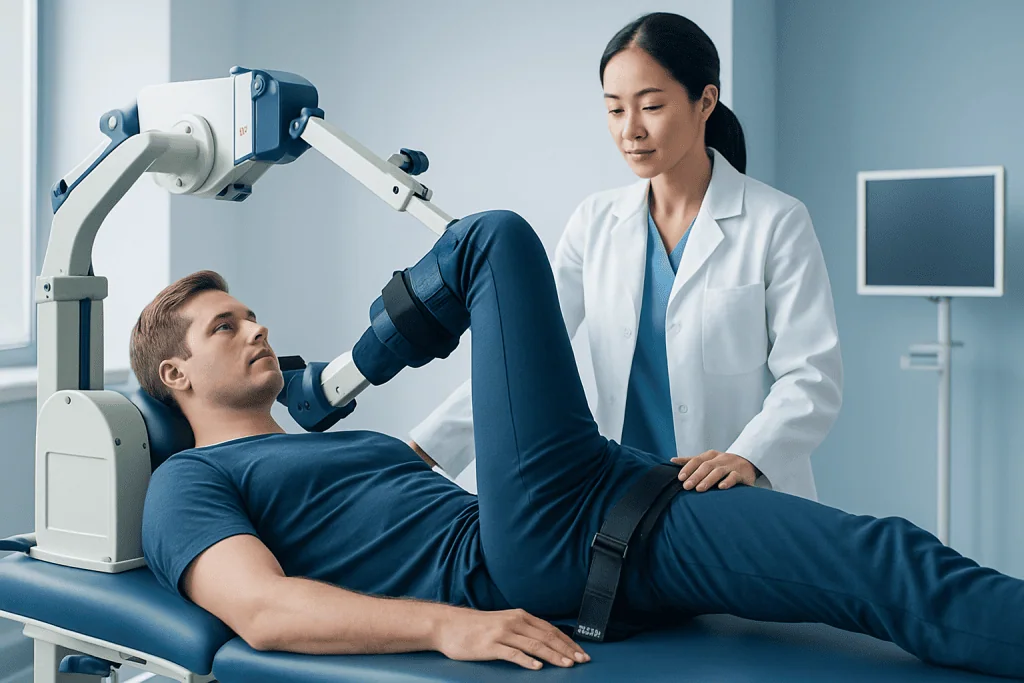
Clinicians describe hip movement in several directions. Flexion is bringing the knee toward the chest, such as when sitting down or stepping up. Extension is moving the leg backward, which occurs when walking or rising from a chair. These movements are especially important for gait and activities that require bending or standing upright.
Abduction means moving the leg away from the body’s midline, while adduction brings it back toward or across the midline. These movements help maintain pelvic stability during walking and standing on one leg. Weakness or pain in the muscles that control these movements can contribute to limping or difficulty balancing.
The hip also rotates. Internal rotation turns the thigh inward, and external rotation turns it outward. Rotation is needed for pivoting, changing direction, sitting cross-legged, and many dressing tasks. Internal rotation is often assessed carefully because it can become limited early in some hip joint conditions.
Reference ranges are useful but should not be treated as strict pass-or-fail targets. In clinical settings, hip flexion is often measured at roughly 120 degrees, while extension and rotation are typically smaller ranges. The most meaningful findings are changes from a person’s usual movement, differences between the two hips, and pain or loss of function during movement.
Why Hip Range of Motion May Become Limited
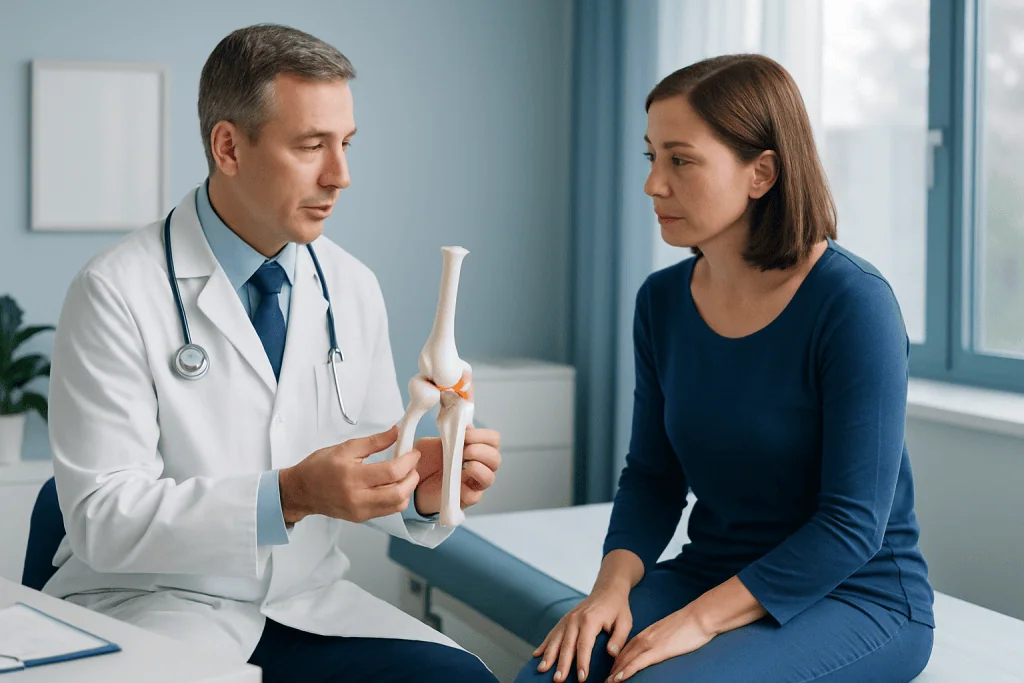
Hip ROM may decrease temporarily after prolonged sitting, unusual activity, or a minor muscle strain. Tightness in the hip flexors, buttock muscles, hamstrings, or inner-thigh muscles can make certain directions of movement feel restricted. Reduced activity after illness, surgery, or an injury may also lead to stiffness and muscle weakness.
Joint-related causes include osteoarthritis, inflammatory arthritis, cartilage injury, and structural changes in the shape of the hip bones. Hip impingement, sometimes called femoroacetabular impingement, can cause pain or a pinching sensation during deep flexion or rotation. Symptoms should be evaluated in context because not every structural finding on an imaging scan causes symptoms.
Hip ROM can also be affected by problems outside the hip itself. Lower back conditions, pelvic dysfunction, nerve irritation, knee pain, and muscle weakness can alter the way a person moves. In children and adolescents, hip or thigh pain, limping, or reduced motion should be assessed promptly because some hip conditions can present with symptoms felt around the knee.
After a fall or significant injury, limited movement may be due to a fracture, dislocation, tendon injury, or severe muscle strain. Sudden inability to bear weight or move the leg normally requires urgent medical attention rather than self-directed stretching.
Symptoms That Can Accompany Reduced Hip ROM
Limited hip movement does not always cause pain. Some people mainly notice stiffness after rest, reduced ease when bending, or difficulty with tasks such as tying shoes, entering a vehicle, squatting, or walking longer distances. Others may notice a limp, reduced stride length, or discomfort when turning in bed.
When pain is present, its location can provide useful clues but does not establish a diagnosis by itself. Pain felt in the groin is commonly associated with the hip joint, while pain over the outer hip may involve nearby tendons or bursae. Buttock, thigh, or knee pain can also occur with hip problems, spinal conditions, or other causes.
Some movements may produce clicking, catching, popping, or a sense of instability. These sensations are often harmless when painless and occasional, but should be discussed with a clinician if they are persistent, painful, associated with locking, or followed by swelling or loss of movement.
It is helpful to note what triggers symptoms and how they affect function. For example, a person may have normal walking but pain when sitting low, or may tolerate cycling but find stairs difficult. This information helps a clinician distinguish between mobility limitations, strength problems, joint pain, and referred pain from another area.
How Hip ROM Is Assessed and Diagnosed
A healthcare professional usually begins with a history of symptoms, activity level, previous injuries, medical conditions, and functional concerns. They may ask when stiffness occurs, whether pain began suddenly or gradually, and whether it is associated with exercise, rest, fever, swelling, or a fall.
During the examination, the clinician observes posture and walking, compares both sides, and guides the hip through different movements. They may assess active ROM, which is movement performed by the patient, and passive ROM, which is movement performed with assistance. Pain at a specific point, muscle strength, balance, lower back motion, and leg length may also be considered.
A goniometer, an angle-measuring instrument, may be used to record hip ROM. Measurements can help monitor recovery, but they are only one part of the assessment. A meaningful evaluation also considers whether movement is painful, whether it affects work or self-care, and whether the range is changing over time.
Imaging is not required for every case of hip stiffness. X-rays may be considered when arthritis, bone changes, or fracture is suspected. Ultrasound, MRI, or other tests may be used selectively to evaluate soft tissues, cartilage, inflammation, or more complex injuries. Blood tests can be appropriate if inflammatory or infectious causes are a concern.
Supporting Hip Mobility Safely
For mild stiffness without a recent injury or concerning symptoms, regular gentle movement is often helpful. Walking, swimming, cycling, and controlled hip mobility exercises can maintain movement without forcing the joint. Movement should be gradual and should not produce sharp pain, catching, or a worsening limp.
Strength is closely connected to useful hip ROM. The gluteal muscles, hip flexors, abdominal muscles, and thigh muscles help control hip movement and reduce unnecessary strain during daily activity. A physiotherapist can tailor exercises to a person’s diagnosis, goals, general fitness, and any restrictions after injury or surgery.
Long periods of sitting can make the hips feel stiff, especially when the hip remains deeply flexed. Taking regular movement breaks, changing position, and avoiding abrupt increases in training load may support comfort. A warm shower or gentle warm-up can make movement easier for some people, while rest may be appropriate after an acute strain.
Stretching should be comfortable rather than forceful. Repeatedly pushing through pain may aggravate an irritated joint, tendon, or muscle. People with known arthritis, recent surgery, osteoporosis, joint replacement, inflammatory disease, or persistent symptoms should seek individualized advice before starting a new exercise program.
When to Seek Medical Care
Medical assessment is advisable when hip pain or reduced ROM lasts more than a short period, interferes with work, sleep, walking, or self-care, or gradually worsens. An evaluation is also appropriate for persistent groin pain, recurrent clicking with pain, a noticeable limp, or a major difference in movement between the two hips.
Urgent medical care is needed after a significant fall, accident, or sports injury if there is severe pain, visible deformity, inability to bear weight, numbness, weakness, or an inability to move the leg. Prompt assessment is also important if hip pain occurs with fever, redness, marked swelling, or feeling generally unwell, as these symptoms may indicate an infection or another condition requiring timely treatment.
People who have had hip surgery or a hip replacement should follow the advice of their surgical team regarding movement and rehabilitation. New severe pain, sudden loss of mobility, wound concerns, or changes in leg position after surgery should be reported promptly.
Acibadem International’s multidisciplinary specialists and JCI-accredited hospitals can assess hip pain, mobility concerns, and related musculoskeletal conditions for international patients. A qualified clinician can determine whether reassurance, physiotherapy, medication, imaging, or specialist care is most appropriate.
Frequently asked questions
What does hip ROM stand for?
Hip ROM stands for hip range of motion. It refers to how far the hip joint can move in directions such as bending, extending, moving sideways, and rotating.
What is considered normal hip range of motion?
Normal hip ROM varies among individuals and depends on age, anatomy, fitness, and how it is measured. Clinicians focus on comfortable, functional movement and comparison with the other hip rather than a single number alone.
Can tight muscles reduce hip ROM?
Yes. Tight or overworked muscles around the hip, pelvis, and thigh can reduce comfortable movement, particularly after prolonged sitting or changes in activity. Gentle mobility work and appropriate strengthening may help, but persistent pain should be assessed.
Why is internal rotation of the hip important?
Internal rotation helps with walking, turning, sitting, and changing direction. A painful or clearly reduced internal rotation may be relevant in some hip joint conditions, although it must be interpreted alongside a full examination.
Should hip ROM exercises hurt?
Exercises may create a mild stretching sensation or temporary muscle effort, but they should not cause sharp pain, catching, or worsening symptoms. It is sensible to stop the movement and seek professional advice if pain is significant or persists.
Can hip arthritis cause limited range of motion?
Yes. Arthritis can affect cartilage, bone, and joint tissues, leading to stiffness, pain, and reduced movement over time. Treatment may include activity adjustment, exercise therapy, pain management, and other options based on the individual’s symptoms and joint health.
References
- American Academy of Orthopaedic Surgeons
- National Institute of Arthritis and Musculoskeletal and Skin Diseases
- National Health Service
- Mayo Clinic
This article is for general information only and is not a substitute for professional medical advice. Please consult a qualified doctor about your individual situation.
Explore treatments in Turkey — costs, top hospitals & a free quote
JCI-accredited · board-certified surgeons · reply within 24h
Add us as a Preferred Source to see more of our trusted health content across Google Search, AI Overviews and Discover.

More from the Health Library

Why Is Your Dog Licking Its Lips?

How many teeth do adults have? The Numbers, Explained by Clinicians

Small Penis: A Complete Medical Overview

Left Anterior Fascicular Block — Explained by Medical Evidence, Not Myths

Shungite: What Patients Need to Know

Pulmonary Valve — Explained by Medical Evidence, Not Myths
Orthopedic Surgery & Traumatology Specialists at Acibadem

Dr. Ayşe Esra Sırmagül
Physical Medicine & Rehabilitation
Prof. Dr. Aziz Kaya Alturfan
Orthopedic Surgery & Traumatology
Dr. Baran Şen
Orthopedic Surgery & Traumatology
Prof. Dr. Barış Kocaoğlu
Orthopedic Surgery & Traumatology