Does Sucralose Raise Blood Sugar? Here Is What the Evidence Says

Pure sucralose contains little to no usable carbohydrate and usually has no immediate, meaningful effect on blood glucose. A product labelled “sugar-free” can still contain carbohydrates, calories, or ingredients that raise blood sugar.
Key Takeaways
- Pure sucralose contains little to no usable carbohydrate and usually has no immediate, meaningful effect on blood glucose.
- A product labelled “sugar-free” can still contain carbohydrates, calories, or ingredients that raise blood sugar.
- Research on sucralose and insulin response, appetite, and the gut microbiome is ongoing; results are mixed and do not prove the same effect occurs in everyone.
- People with diabetes can use glucose monitoring, when advised by their care team, to understand their response to specific products.
- Repeated high glucose readings, symptoms of high or low blood sugar, or unexplained changes in glucose control should be medically reviewed.
Pure sucralose generally does not raise blood sugar in the way that sugar, honey, juice, or refined carbohydrates do. However, foods and drinks containing sucralose may include other ingredients that affect glucose, and some people may notice individual changes that are worth discussing with a clinician.
Overview: does sucralose raise blood sugar?
Does sucralose raise blood sugar? In most people, pure sucralose does not directly raise blood glucose because the body absorbs very little of it and does not use it as a source of energy like sugar. This makes it a common sugar substitute in tabletop sweeteners, reduced-sugar drinks, desserts, chewing gum, and some medicines.
For most people, having sucralose occasionally is unlikely to cause an immediate blood sugar problem. The more important question is often what else is in the product. A “sugar-free” food may still contain starches, flour, milk, fruit ingredients, sugar alcohols, or other carbohydrates that can increase blood glucose.
Research into possible longer-term metabolic effects of non-sugar sweeteners, including sucralose, is still developing. Some small studies have suggested changes in insulin response or glucose handling under certain circumstances, while others have not found meaningful effects. These findings do not mean that sucralose reliably raises blood sugar in everyday use, but they support an individualized and balanced approach, particularly for people managing diabetes.
Why blood sugar may change after a sucralose product
Sucralose itself is intensely sweet, so only a small amount is needed. On its own, it typically contributes negligible carbohydrate and does not have the same direct glucose effect as sucrose, also known as table sugar. However, many packaged products combine sucralose with ingredients that can affect blood glucose.
For example, a baked “no added sugar” snack may contain refined flour or starch. A flavoured yogurt, protein bar, coffee drink, or powdered beverage may provide carbohydrates from milk, fruit concentrates, thickeners, or added grains. Some packets of sweetener also use bulking agents such as dextrose or maltodextrin; the amount in a single serving is usually small, but frequent use or multiple packets may be relevant for some people.
Portion size and the whole meal matter as well. Blood glucose can rise after eating a carbohydrate-containing meal even if the beverage is sweetened with sucralose. Sleep, stress, illness, exercise, menstrual cycle changes, alcohol, and diabetes medications can also affect readings. Looking at a single glucose result without this context can be misleading.
- Check the Nutrition Facts label for total carbohydrate, not only “sugars.”
- Review the ingredient list for starches, syrups, flour, milk, and fruit-based ingredients.
- Consider the serving size and how much of the product is actually consumed.
What the evidence says about sucralose and metabolism

Clinical research generally supports that replacing sugar with a non-nutritive sweetener such as sucralose can reduce immediate carbohydrate and calorie intake when it truly replaces, rather than accompanies, sugary foods and drinks. For a person who regularly drinks sugar-sweetened soda, choosing an unsweetened drink or a sucralose-sweetened alternative may reduce the glucose rise caused by the original sugary drink.
At the same time, studies examining insulin, appetite, body weight, and gut bacteria have produced mixed results. Differences in study design, dose, duration, participants’ usual diet, and whether sucralose was consumed alone or with carbohydrates make broad conclusions difficult. Some experimental studies suggest that a sweetener consumed before a carbohydrate load could influence insulin or glucose responses in some people; this is not the same as showing that sucralose alone causes high blood sugar.
Health authorities that have reviewed available safety data have established acceptable daily intake levels for sucralose. These limits are designed for lifetime exposure and include a safety margin. They do not mean that everyone needs to consume sucralose, nor do they replace personalized nutrition advice for diabetes, digestive symptoms, or other health concerns.
Sucralose for people with diabetes or prediabetes
For people with diabetes, sucralose can be one tool for reducing added sugar, especially in drinks. It should not be viewed as a treatment for diabetes or as a reason to overlook carbohydrate intake, medication plans, physical activity, or regular monitoring. The best choice depends on the person’s overall eating pattern, preferences, glucose targets, and medical history.
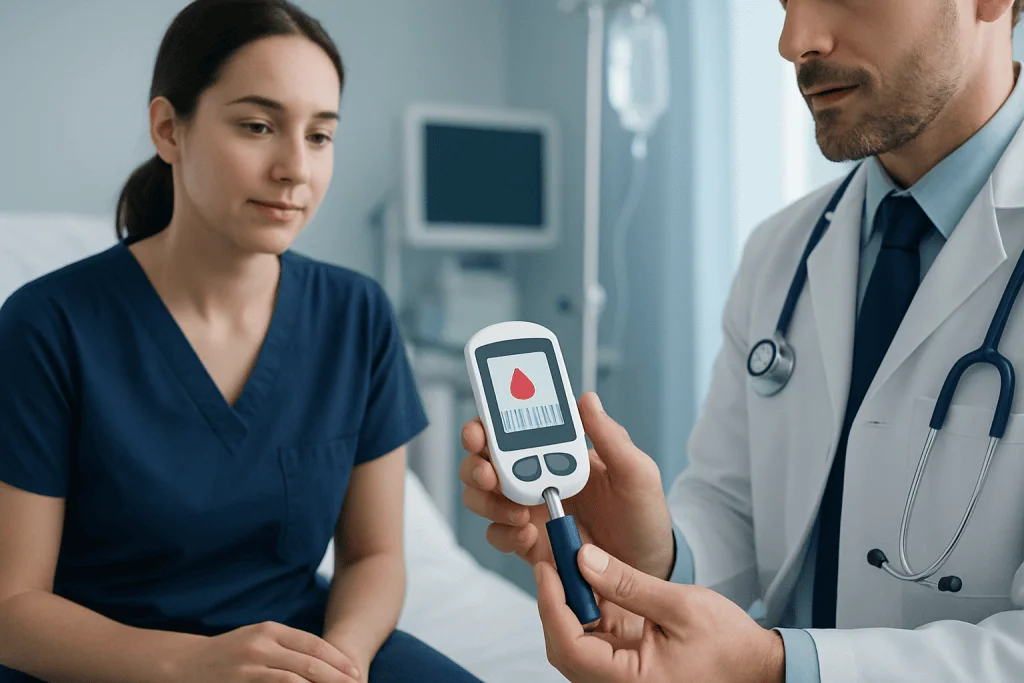
Someone who uses a blood glucose meter or continuous glucose monitor may notice that their readings differ after different “sugar-free” products. This can be useful information, but it is important to compare similar meals on different days and avoid drawing conclusions from one reading alone. A diabetes clinician or registered dietitian can help interpret patterns and distinguish a response to the complete food from normal day-to-day variation.
It may be helpful to choose water, sparkling water, or unsweetened tea and coffee more often, while using sucralose-sweetened products as an occasional alternative to sugary choices. People who find that sweetened drinks increase cravings or lead them to eat more sweet foods may prefer to gradually reduce the overall sweetness of their diet. There is no single approach that suits every person with diabetes.
When to seek medical care
A single higher-than-expected blood glucose reading after a meal is usually not an emergency, particularly if the meal contained carbohydrates. However, repeated unexpected readings, a clear ongoing change in glucose patterns, or difficulty keeping glucose within the targets set by a clinician should be discussed with a doctor or diabetes care team. The cause may be related to food, medication timing, illness, stress, or changes in diabetes management rather than sucralose itself.
Prompt medical advice is important for symptoms that may signal significantly high blood glucose, such as marked thirst, frequent urination, blurred vision, unusual fatigue, nausea, vomiting, or unexplained weight loss. People using insulin or certain glucose-lowering medicines should also seek advice for repeated low readings or symptoms such as shaking, sweating, confusion, palpitations, or weakness.
Emergency assessment is needed if high glucose is accompanied by vomiting, severe abdominal pain, rapid or deep breathing, confusion, fainting, or inability to keep fluids down. These symptoms can have several causes and should not be attributed to a sweetener without medical evaluation. People with known diabetes should follow their individual sick-day or urgent-care plan when one has been provided.
How a doctor evaluates unexpected glucose changes
A clinician will usually begin by asking about the timing of glucose changes, foods and drinks consumed, portion sizes, physical activity, sleep, recent illness, stress, alcohol use, and medicines. Bringing a food record, glucose log, or continuous glucose monitor report can make this review more informative. It is also useful to bring labels or photographs of the products in question.
Depending on the situation, the doctor may review home glucose monitoring technique and recommend blood tests such as fasting plasma glucose or HbA1c, which reflects average glucose exposure over roughly the previous two to three months. Testing may also be considered for conditions that influence glucose regulation, including prediabetes or diabetes, when symptoms or results suggest a need.
Management is directed at the underlying pattern rather than automatically eliminating sucralose. It may include adjusting meal composition, improving the timing of carbohydrate intake, reviewing medications, or arranging nutrition support. A qualified clinician can give individualized guidance, especially for children, pregnancy, kidney disease, eating disorders, or people taking glucose-lowering medication.
Practical choices and self-care
People who want to know how a specific sucralose-containing item affects them can start by reading the complete label and considering the food in context. Choosing products with lower total carbohydrate and fewer highly refined ingredients may be more relevant to blood sugar than choosing between one approved non-sugar sweetener and another.
A practical approach is to make one change at a time. For example, a person might replace a sugary drink with water, unsweetened tea, or a sucralose-sweetened drink and observe how this fits into their usual eating pattern. Those monitoring glucose should only test as frequently as their healthcare professional recommends and should focus on trends rather than isolated values.
Overall dietary quality remains important. Regular meals that include vegetables, fibre-rich carbohydrate foods, protein, and unsaturated fats can support steadier glucose responses for many people. Acibadem International’s multidisciplinary specialists and JCI-accredited hospitals can assess and manage diabetes and related metabolic concerns for international patients when specialist care is needed.
Frequently asked questions
Can people with diabetes use sucralose?
Many people with diabetes can use sucralose as part of an overall eating plan. Because pure sucralose does not usually add carbohydrate, it may be useful when replacing sugar in drinks or foods. The label should still be checked because the full product may contain carbohydrates that affect glucose.
Does sucralose cause an insulin spike?
Current evidence does not show that sucralose consistently causes an insulin spike in everyone. Some small studies have reported changes in insulin or glucose responses under specific conditions, while others have not. Individual responses and the presence of carbohydrates in the meal may influence results.
Why did my blood sugar rise after drinking a sugar-free beverage?
The rise may be related to a meal or snack eaten at the same time, natural variation in glucose, stress, illness, or medication factors. Some sugar-free beverages also contain small amounts of carbohydrate or are consumed alongside carbohydrate-containing foods. Reviewing the label and looking for a repeated pattern can be more helpful than interpreting one result.
Is sucralose better than sugar for blood glucose?
Replacing sugar with sucralose generally reduces the direct glucose impact because sugar provides carbohydrate and sucralose usually does not. However, water and other unsweetened beverages are also good options. The healthiest choice depends on the complete diet, personal preferences, and any medical conditions.
Should a person stop using sucralose if they have prediabetes?
There is no universal requirement to avoid sucralose solely because of prediabetes. Reducing sugary drinks and refined carbohydrates, maintaining a balanced diet, and following a clinician’s advice are usually more important priorities. A person who notices consistent unwanted effects with a particular product can discuss alternatives with a healthcare professional.
How much sucralose is too much?
Food safety agencies have established acceptable daily intake levels based on available evidence and safety margins. Most people do not need to calculate their intake, but relying heavily on any highly processed sweetened product may leave less room for nutritious foods and drinks. Variety and moderation are sensible goals.
References
- American Diabetes Association
- U.S. Food and Drug Administration
- European Food Safety Authority
- World Health Organization
- Academy of Nutrition and Dietetics
This article is for general information only and is not a substitute for professional medical advice. Please consult a qualified doctor about your individual situation.
Explore treatments in Turkey — costs, top hospitals & a free quote
JCI-accredited · board-certified surgeons · reply within 24h
Add us as a Preferred Source to see more of our trusted health content across Google Search, AI Overviews and Discover.
Check your numbers in seconds
BMI, calories, due date, blood pressure and 30+ more clinical calculators — free, instant, doctor-reviewed ranges.