Trachelectomy: Candidacy, Procedure Steps, and Recovery Timeline

Trachelectomy may be an option for selected early cervical cancers when future fertility is a priority. The procedure removes the cervix, usually part of the upper vagina and supporting tissues, while preserving the uterus.
Key Takeaways
- Trachelectomy may be an option for selected early cervical cancers when future fertility is a priority.
- The procedure removes the cervix, usually part of the upper vagina and supporting tissues, while preserving the uterus.
- Lymph nodes are assessed before or during surgery because cancer spread to the nodes usually changes the treatment plan.
- Recovery commonly takes several weeks, while internal healing and decisions about trying for pregnancy take longer.
- Pregnancy after trachelectomy is possible but is considered high risk and needs specialist obstetric care.
Trachelectomy is a fertility-preserving operation used for carefully selected people with early-stage cervical cancer. It removes the cervix and nearby tissue while retaining the uterus, so pregnancy may still be possible afterward, although it carries important pregnancy-related risks and requires close follow-up.
Overview: What Is a Trachelectomy?
A trachelectomy is surgery that removes the cervix, the lower portion of the uterus that opens into the vagina. It is most often performed to treat carefully selected cases of early-stage cervical cancer in people who wish to preserve the possibility of carrying a pregnancy in the future. Unlike a hysterectomy, a trachelectomy leaves the main body of the uterus in place.
In a radical trachelectomy, the surgeon removes the cervix, a small portion of the upper vagina, and tissues beside the cervix called the parametria. Pelvic lymph nodes are also checked for signs of cancer spread. The surgeon then connects the remaining uterus to the vagina and commonly places a permanent supporting stitch, called a cerclage, at the lower uterus to help support a future pregnancy.
Trachelectomy is not appropriate for every person with cervical cancer. Its safety depends on the cancer stage, tumor size, type of cancer, imaging findings, lymph node assessment, and whether the tumor can be completely removed with clear margins. A gynecologic oncologist can explain whether fertility-preserving surgery is medically suitable compared with other cervical cancer treatments.
Who May Be a Candidate?
Trachelectomy is generally considered for people with early cervical cancer who strongly wish to preserve fertility and whose cancer appears confined to the cervix. Candidates usually have a relatively small tumor, no evidence of cancer in pelvic lymph nodes, and no signs that the disease has spread beyond the cervix. The exact criteria vary according to current clinical guidelines, tumor characteristics, and the experience of the treating cancer team.
Before recommending surgery, the team evaluates the biopsy results carefully. Squamous cell carcinoma and adenocarcinoma are among the more common cervical cancer types that may be considered. Some rarer or more aggressive tumor types may not be suitable for fertility-preserving surgery. The amount of cervical tissue involved, invasion depth, lymphovascular space invasion, and the likelihood of obtaining cancer-free surgical margins also matter.
Assessment may include a pelvic examination, cervical biopsy or cone biopsy, pelvic magnetic resonance imaging, and imaging or testing to check lymph nodes and distant organs when indicated. Fertility goals should be discussed openly before treatment. A trachelectomy preserves the uterus, but it does not guarantee fertility or a successful future pregnancy. Consultation with a fertility specialist may be useful before treatment, especially if additional treatment could be needed.
How the Procedure Is Performed
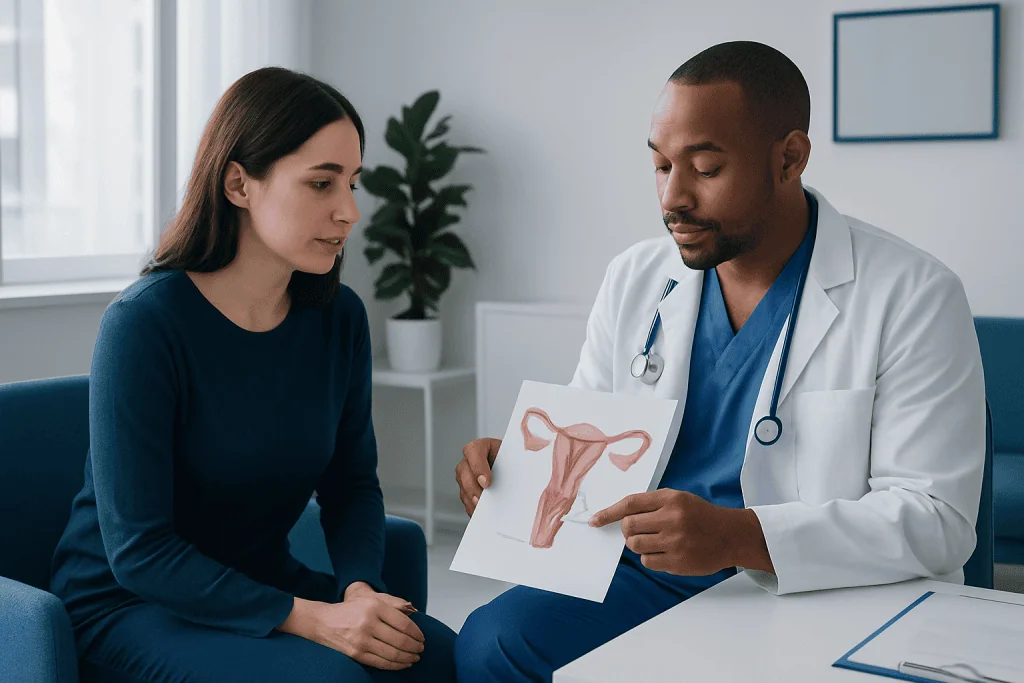
A trachelectomy is performed under general anesthesia. The surgical approach may be vaginal, abdominal, laparoscopic, or robot-assisted, depending on the cancer features, the planned extent of surgery, and the surgical team’s expertise. The operation is planned by a gynecologic oncology team, often with input from radiology, pathology, fertility, and maternal-fetal medicine specialists.
Early in the procedure, pelvic lymph nodes are evaluated. This may involve sentinel lymph node mapping, removal of selected lymph nodes, or a pelvic lymph node dissection. A pathologist may examine nodes during surgery in some circumstances. If cancer is found in the lymph nodes, proceeding with trachelectomy may not be safe, and the team may recommend a different treatment plan, such as chemoradiotherapy or other surgery.
If the nodes are clear and surgery proceeds, the surgeon removes the cervix and planned surrounding tissue. The remaining uterus is then attached to the upper vagina. A cerclage may be placed at the lower uterine opening to provide support in a future pregnancy. The removed tissue is examined by pathology to confirm the cancer type, margins, and other features that guide any need for further treatment.
The length of surgery and hospital stay varies by surgical approach and individual health needs. The care team will explain preparation, expected hospital recovery, pain control, catheter use, activity restrictions, and the specific follow-up plan. For people considering this option, cervical cancer treatment planning should include a discussion of both cancer control and reproductive goals.
Benefits, Limits, and Possible Risks
The main potential benefit of trachelectomy is that it can treat selected early cervical cancers while preserving the uterus. For appropriately chosen patients, it may offer cancer control comparable to more extensive surgery while allowing the possibility of pregnancy later. It also avoids removing the uterus, which can be meaningful for people who hope to carry a pregnancy themselves.
However, fertility preservation is not the same as fertility assurance. Scar tissue, narrowing at the surgical connection, changes in cervical mucus, and other factors can make it more difficult to conceive. Some people conceive naturally, while others may need fertility assessment or assisted reproductive treatment. Menstrual periods often continue because the uterus and ovaries are usually retained, although periods can become lighter or more difficult to pass if narrowing develops.
Possible surgical risks include bleeding, infection, blood clots, injury to nearby organs such as the bladder, ureters, bowel, or nerves, urinary difficulties, and complications related to anesthesia. There can also be lymphatic swelling in the legs or pelvis after lymph node surgery, although techniques that limit lymph node removal may reduce this risk for some people.
Cancer-related risks include finding positive margins or cancer-positive lymph nodes after surgery. In these situations, additional treatment may be recommended. Long-term surveillance remains essential because cervical cancer can recur after fertility-preserving surgery, even when the operation and pathology results are favorable.
Trachelectomy Recovery Timeline
Immediately after surgery, patients are monitored for pain, bleeding, nausea, bowel function, urinary function, and signs of infection. A urinary catheter may remain in place temporarily, particularly after radical pelvic surgery. The length of hospital stay depends on the surgical route, extent of surgery, and recovery progress; minimally invasive procedures may allow an earlier discharge than open abdominal surgery for some patients.
During the first two weeks at home, tiredness, mild pelvic discomfort, and light vaginal spotting or discharge can occur. Pain medicines should be taken only as advised by the treating team. Gentle walking is usually encouraged to support circulation and recovery, but heavy lifting, strenuous exercise, and driving while taking sedating pain medication should be avoided. The team will provide individualized instructions about bathing, wound care, and bowel management.
Over the following four to six weeks, most people gradually return to daily activities, although complete internal healing may take longer. Vaginal intercourse, tampon use, swimming, and intense exercise are usually postponed until the surgeon confirms that healing is sufficient. Follow-up visits assess the incision or vaginal healing, bladder function, final pathology findings, and any symptoms that need attention.
Trying for pregnancy should wait until the oncology and fertility teams confirm it is safe to do so. The recommended timing varies, based on healing, pathology, and follow-up needs. Ongoing surveillance commonly includes pelvic examinations and cervical or vaginal testing as appropriate, with the schedule tailored to the person’s cancer history and treatment.
Pregnancy and Fertility After Trachelectomy
Pregnancy can occur after trachelectomy because the uterus and ovaries are usually preserved. However, pregnancy after this operation is treated as high risk. The cervix normally helps keep a pregnancy inside the uterus until term, and its removal increases the risk of second-trimester pregnancy loss, preterm birth, and premature rupture of membranes.
A permanent cerclage placed during surgery may provide support, but it does not eliminate these risks. People who become pregnant after trachelectomy should receive coordinated care from an obstetrician experienced in high-risk pregnancy, often a maternal-fetal medicine specialist, together with their gynecologic oncology team. Monitoring may include assessment for infection, contractions, membrane changes, and pregnancy complications.
Delivery is generally planned by cesarean section because the surgical connection between the uterus and vagina and the cerclage can make vaginal delivery unsafe. The timing of delivery depends on maternal and fetal health, pregnancy progress, and the specialist team’s assessment. Before attempting pregnancy, patients should discuss their individual cancer surveillance plan, fertility status, and pregnancy risks with qualified clinicians.
Follow-Up and When to Seek Medical Care
Regular follow-up after trachelectomy is an important part of treatment. Follow-up appointments allow clinicians to monitor for recurrence, review symptoms, check healing, and support fertility and emotional well-being. Patients should keep all planned visits even if they feel well, as some changes are best identified during clinical examinations and scheduled testing.
Medical care should be sought promptly after surgery for heavy vaginal bleeding, fever, worsening pelvic or abdominal pain, foul-smelling discharge, persistent vomiting, new leg swelling or pain, chest pain, shortness of breath, difficulty urinating, or inability to pass stool or gas with severe abdominal swelling. These symptoms do not always indicate a serious complication, but timely assessment is important.
Before surgery or during follow-up, new abnormal vaginal bleeding, persistent unusual discharge, pelvic pain, or unexplained weight loss should also be discussed with a clinician. Acibadem International’s multidisciplinary specialists and JCI-accredited hospitals diagnose and treat cervical cancer for international patients, coordinating surgical, pathology, fertility, and follow-up care when appropriate.
Frequently asked questions
Is trachelectomy the same as a hysterectomy?
No. A hysterectomy removes the uterus, usually including the cervix, so pregnancy is no longer possible afterward. A trachelectomy removes the cervix while preserving the uterine body, which may allow a person to carry a pregnancy in the future.
Can cervical cancer return after trachelectomy?
Yes, recurrence is possible after any treatment for cervical cancer. The risk depends on factors such as cancer stage, tumor biology, lymph node findings, and surgical margins. Regular follow-up is essential to monitor health after treatment.
How long does recovery from trachelectomy take?
Many people resume lighter daily activities within a few weeks, but recovery differs by surgical approach and individual health. Internal healing often takes at least four to six weeks, and activity restrictions may continue until a follow-up examination confirms it is safe to resume them.
Can someone get pregnant naturally after trachelectomy?
Natural conception may be possible after trachelectomy, but it can be more difficult for some people. Scar tissue, narrowing at the uterine opening, and reduced cervical mucus may affect fertility. A fertility specialist can assess concerns if pregnancy does not occur as expected.
Will a person need chemotherapy or radiation after trachelectomy?
Not everyone needs additional treatment. If final pathology shows clear margins and no concerning spread, surgery may be the only treatment needed. If lymph nodes, margins, or other high-risk features are found, the cancer team may recommend further treatment.
What type of doctor performs a trachelectomy?
A trachelectomy is typically performed by a gynecologic oncologist, a surgeon specially trained in cancers of the female reproductive system. Care may also involve pathologists, radiologists, fertility specialists, and high-risk pregnancy specialists.
References
- National Cancer Institute
- American Cancer Society
- European Society of Gynaecological Oncology
- American College of Obstetricians and Gynecologists
- National Comprehensive Cancer Network
This article is for general information only and is not a substitute for professional medical advice. Please consult a qualified doctor about your individual situation.
Oncology care in Turkey — second opinion and treatment plan
JCI-accredited · board-certified surgeons · reply within 24h
Add us as a Preferred Source to see more of our trusted health content across Google Search, AI Overviews and Discover.