Dub Uterus: A Complete Clinical Guide for Patients

Dub uterus is an older term; it does not describe a separate disease of the uterus. Many cases are linked to irregular or absent ovulation, but pregnancy-related, structural, hormonal and medication-related causes must be considered.
Key Takeaways
- Dub uterus is an older term; it does not describe a separate disease of the uterus.
- Many cases are linked to irregular or absent ovulation, but pregnancy-related, structural, hormonal and medication-related causes must be considered.
- Bleeding assessment may include a pregnancy test, blood tests, pelvic examination and ultrasound, depending on age, symptoms and medical history.
- Treatment is individualized and may include observation, iron support, hormonal medicines, non-hormonal medicines or procedures.
- Very heavy bleeding, fainting, severe pain or possible pregnancy with bleeding needs prompt medical assessment.
“Dub uterus” usually refers to dysfunctional uterine bleeding (DUB), an older term for irregular or heavy bleeding from the uterus without an obvious structural cause. Today, clinicians generally use the broader term abnormal uterine bleeding (AUB) and investigate the underlying reason before planning treatment.
What Does “Dub Uterus” Mean?
The phrase dub uterus is commonly used to mean dysfunctional uterine bleeding (DUB). It is an older medical term for bleeding from the uterus that is unusually heavy, prolonged, frequent or unpredictable, traditionally when no pregnancy, infection, visible pelvic abnormality or systemic illness was identified. The uterus itself is not necessarily abnormal; the term describes a pattern of bleeding rather than a specific uterine disease.
Current clinical practice more often uses abnormal uterine bleeding (AUB). This broader term encourages clinicians to look systematically for possible causes before calling bleeding dysfunctional. When bleeding is related to irregular ovulation and no other cause is found, it may be described as AUB due to ovulatory dysfunction. This change in language helps ensure that important causes, including fibroids, polyps and conditions affecting the uterine lining, are not overlooked.
Menstrual patterns vary among individuals, but bleeding deserves assessment when periods become substantially different from a person’s usual pattern. Examples include periods that are much heavier than expected, bleeding between periods, cycles that are repeatedly very far apart or close together, or bleeding that continues for an unusually long time. Keeping a record of dates, flow and associated symptoms can provide useful information at an appointment.
How Abnormal Uterine Bleeding Can Present

Abnormal uterine bleeding can involve a change in timing, amount, duration or regularity. Some people have long gaps without a period followed by a very heavy bleed. Others experience frequent spotting, bleeding between otherwise regular periods, or periods that last longer than usual. Blood clots may occur with heavy flow, but their presence alone does not identify the cause.
Heavy menstrual bleeding can interfere with daily life, sleep, work, exercise and sexual wellbeing. It may cause a person to change sanitary protection very frequently, avoid normal activities, or worry about leaking through clothing or bedding. Ongoing blood loss can also lead to iron deficiency and anemia, which may cause tiredness, reduced exercise tolerance, dizziness, headaches, paleness, shortness of breath or a fast heartbeat.
Symptoms accompanying the bleeding can offer helpful clues. Pelvic pain or pressure may occur with conditions such as fibroids or endometriosis, while acne, increased facial hair or weight changes may suggest an underlying hormone-related condition. However, symptoms alone cannot confirm a diagnosis. Bleeding after sex, after menopause, or during a possible pregnancy should always be assessed by a qualified clinician.
Why It Happens: Ovulation and Other Possible Causes
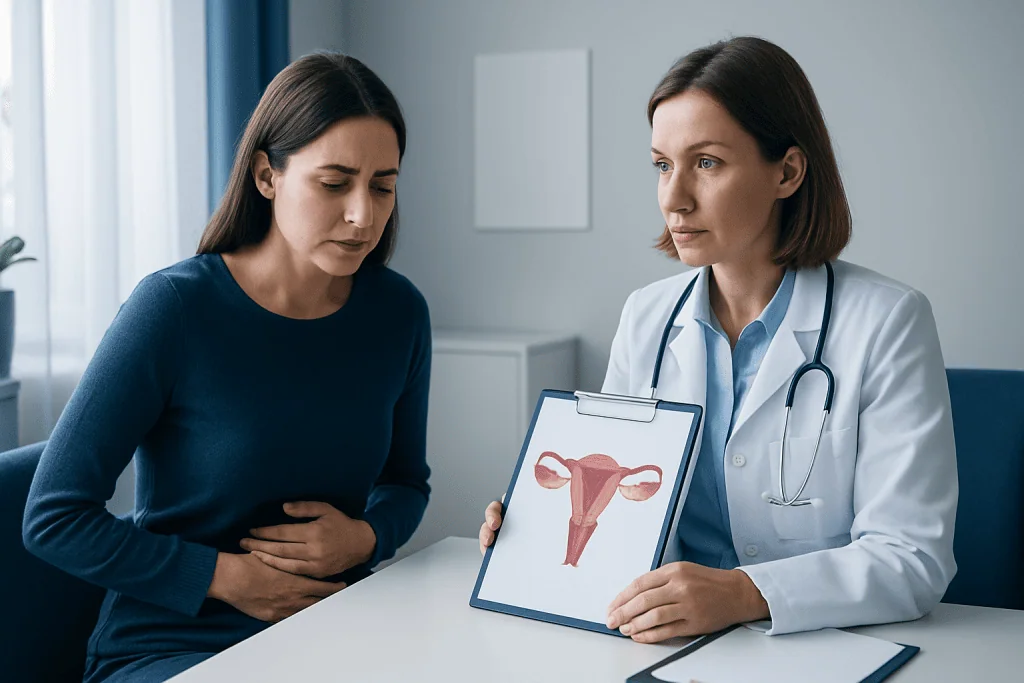
In many people previously described as having DUB, the main issue is irregular ovulation. Normally, ovulation helps coordinate the rise and fall of estrogen and progesterone that prepares and then sheds the uterine lining. If ovulation does not happen regularly, estrogen may stimulate the lining without the balancing effect of progesterone. The lining can then become unstable and shed unpredictably, sometimes causing delayed, prolonged or heavy bleeding.
Irregular ovulation is more common in the first years after periods begin and during the transition toward menopause. It can also occur with polycystic ovary syndrome (PCOS), substantial weight changes, intense physical training, emotional stress, thyroid disorders, elevated prolactin levels or certain chronic illnesses. These associations do not mean that a person has one of these conditions; they simply guide the evaluation.
Not all abnormal bleeding is due to ovulation. Other possible causes include uterine fibroids, polyps, adenomyosis, endometriosis, infections, bleeding disorders, liver or kidney disease, pregnancy-related conditions, medicines that affect bleeding, and hormonal contraception. Less commonly, changes in the uterine lining, cervix or ovaries need to be ruled out. A clinician may use the PALM-COEIN classification system to organize these structural and non-structural causes of AUB.
How Clinicians Evaluate Dub Uterus
Evaluation begins with a detailed discussion of the bleeding pattern, menstrual history, contraception, medications, medical conditions and family history. A clinician will ask about the possibility of pregnancy, recent changes in weight or stress, pain, bleeding after sex, easy bruising and symptoms of anemia. It is helpful to bring a menstrual diary or phone-tracking record, including the number of days of bleeding and how often sanitary products are changed.
A pregnancy test is usually an important first step for anyone of reproductive age with unexpected uterine bleeding. Blood tests may check for anemia and iron deficiency, and may include thyroid or other hormone tests when symptoms and history suggest they are relevant. Testing for a bleeding disorder may be appropriate for people who have had very heavy periods since their first period or who have a personal or family history of unusual bleeding.
A pelvic examination may be recommended, depending on the person’s age, symptoms and circumstances. Pelvic ultrasound can examine the uterus and ovaries and may identify fibroids, polyps or other changes. In some cases, particularly with persistent bleeding, bleeding after menopause, risk factors for endometrial changes, or certain age-related considerations, a clinician may recommend an endometrial biopsy or hysteroscopy to sample or view the uterine lining.
Treatment Options and Practical Support
Treatment depends on the cause, the severity of bleeding, whether anemia is present, the person’s age, medical history and their plans for pregnancy. If bleeding is mild and evaluation is reassuring, careful monitoring may be appropriate. When an underlying condition such as a thyroid disorder, PCOS, fibroid or bleeding disorder is identified, treating that condition forms an important part of the plan.
Medicines can reduce bleeding and help make periods more predictable. Depending on individual needs, options may include non-hormonal medicines used during menstruation, hormonal birth control methods, progestogen treatment, or a levonorgestrel-releasing intrauterine system. Not every option is suitable for every person, particularly those with certain clotting risks, migraines, liver disease, breast cancer history or plans to conceive soon. A clinician can explain the expected benefits, side effects and contraceptive effects of each choice.
Iron-rich foods may support overall nutrition, but food alone may not correct significant iron deficiency. A clinician may recommend iron supplementation after appropriate testing. If medicines do not control severe bleeding, or if structural causes are present, procedures such as hysteroscopic polyp removal, fibroid treatment, endometrial ablation for selected people who do not want future pregnancy, or hysterectomy may be discussed. These decisions should be made after a clear explanation of fertility implications and alternatives.
Self-Care and Monitoring Between Appointments
There is no proven home remedy that can safely replace medical assessment for persistently abnormal bleeding. However, tracking bleeding, pain, clots, menstrual products used and symptoms such as dizziness can help show patterns and measure whether treatment is working. Recording any missed periods, changes in medication and pregnancy test results can also be useful.
People with heavy bleeding can support their health by maintaining regular meals with iron-containing foods such as lean meats, legumes, leafy green vegetables and fortified grains, alongside vitamin C-rich foods that can support iron absorption. This is supportive care rather than a substitute for testing. Iron supplements should be used according to a clinician’s guidance, as they may cause side effects and are not appropriate for every cause of anemia.
It is also sensible to discuss over-the-counter pain relievers, herbal products and supplements with a pharmacist or doctor before use, especially when taking anticoagulants or managing kidney, stomach, liver or bleeding conditions. Rest, hydration and practical planning for heavier days may improve comfort, but new or worsening symptoms should not be managed alone.
When to Seek Medical Care
A routine medical appointment is appropriate for periods that are persistently heavier, longer, more irregular or more painful than usual; bleeding between periods; bleeding after sex; or symptoms suggesting anemia. Prompt assessment is especially important for bleeding after menopause, as this is not considered a normal menstrual change. Anyone who is trying to become pregnant or wishes to preserve fertility should mention this early, since it may influence treatment choices.
Urgent medical care is needed for very heavy bleeding that rapidly soaks through sanitary protection, bleeding accompanied by fainting, marked dizziness, chest pain, shortness of breath, severe weakness, or severe pelvic or abdominal pain. Bleeding with a positive pregnancy test or possible pregnancy also requires urgent assessment, particularly if there is one-sided pain, shoulder pain, dizziness or fainting, as pregnancy-related complications must be excluded.
For international patients, Acibadem International’s multidisciplinary specialists in JCI-accredited hospitals can assess abnormal uterine bleeding and coordinate gynecology, imaging, laboratory and anemia care when needed. The goal of assessment is to identify the cause and agree on a treatment plan that reflects the person’s health needs and reproductive preferences.
Frequently asked questions
Is dub uterus the same as abnormal uterine bleeding?
Dub uterus usually refers to dysfunctional uterine bleeding, an older term that is now largely included under abnormal uterine bleeding (AUB). AUB is broader because it covers many possible reasons for unusual uterine bleeding. Clinicians generally evaluate those causes before deciding whether irregular ovulation is responsible.
Can stress cause dysfunctional uterine bleeding?
Stress can affect the hormonal signals involved in ovulation and may contribute to irregular periods in some people. However, stress should not be assumed to be the only explanation for heavy or persistent bleeding. A medical assessment can rule out pregnancy, anemia, structural uterine conditions and other hormonal causes.
Does dub uterus mean cancer?
No. Most abnormal uterine bleeding is not caused by cancer, and the older term DUB was historically used when no clear structural cause was found. Still, persistent abnormal bleeding, bleeding after menopause, or bleeding in people with certain risk factors should be evaluated so that changes in the uterine lining can be excluded.
Can dub uterus affect fertility?
The bleeding pattern itself does not always prevent pregnancy, but irregular ovulation can make it harder to predict fertile days and may affect the chance of conception. Some underlying causes of abnormal bleeding, such as PCOS, fibroids or endometriosis, may also influence fertility. A gynecologist can tailor evaluation and treatment to pregnancy goals.
What tests are used for heavy or irregular periods?
Tests are selected according to age, symptoms and medical history. They may include a pregnancy test, blood count and iron studies, thyroid testing when appropriate, pelvic examination and pelvic ultrasound. Some people may also need testing of the uterine lining, such as an endometrial biopsy or hysteroscopy.
Can abnormal uterine bleeding be treated without surgery?
Yes. Many people are treated successfully with medication, including hormonal or non-hormonal options, and with treatment of underlying conditions. Iron treatment may also be needed if blood loss has caused deficiency. Procedures are generally considered when bleeding remains troublesome, medication is unsuitable or ineffective, or a structural cause needs treatment.
References
- American College of Obstetricians and Gynecologists
- International Federation of Gynecology and Obstetrics
- National Institute for Health and Care Excellence
- Mayo Clinic
- World Health Organization
This article is for general information only and is not a substitute for professional medical advice. Please consult a qualified doctor about your individual situation.
Explore treatments in Turkey — costs, top hospitals & a free quote
JCI-accredited · board-certified surgeons · reply within 24h
Add us as a Preferred Source to see more of our trusted health content across Google Search, AI Overviews and Discover.
Check your numbers in seconds
BMI, calories, due date, blood pressure and 30+ more clinical calculators — free, instant, doctor-reviewed ranges.

More from the Health Library



Related Specialists

Prof. Dr. Güralp Onur Ceyhan
General Surgery
Dr. Burak Boynuk
Orthopedic Surgery & Traumatology
Dr. Alaaddin Zirek
Otorhinolaryngology
Dr. Mehmet Can Şahin
Inpatient Clinic Physicians