Why Does My Tattoo Itch? Here Is What the Evidence Says

Mild itching is common as a new tattoo heals and the outer layer of skin repairs itself. Scratching, picking, and soaking a healing tattoo can damage the skin and increase the chance of infection.
Key Takeaways
- Mild itching is common as a new tattoo heals and the outer layer of skin repairs itself.
- Scratching, picking, and soaking a healing tattoo can damage the skin and increase the chance of infection.
- Itching that starts months or years later may be related to an allergic reaction, sun exposure, dry skin, or an inflammatory skin condition.
- Pain, spreading redness, increasing warmth, pus, fever, or feeling unwell require prompt medical review.
- A doctor can examine the tattoo, review possible triggers, and decide whether testing or treatment is needed.
An itchy tattoo is often a normal part of skin healing, especially during the first weeks after it is applied. However, persistent or delayed itching with a rash, swelling, pain, warmth, or drainage can signal irritation, allergy, infection, or another skin condition that should be assessed by a clinician.
Why does my tattoo itch?
Why does my tattoo itch? In many cases, the answer is simple: the skin is healing. A tattoo creates many tiny punctures in the outer skin layer, and itching can occur as inflammation settles, small scabs form, and new skin cells replace damaged ones. Mild itchiness without worsening pain, extensive redness, or discharge is particularly common in the first one to three weeks.
Itching may also occur after the tattoo has healed. Dry skin, friction from clothing, sweating, sun exposure, and sensitivity to soaps or skin-care products can all make tattooed skin feel itchy. This is often manageable with gentle skin care, but a new or persistent rash deserves attention because tattoo pigment or other exposures can occasionally trigger an allergic or inflammatory reaction.
Most itching is not dangerous. Still, a tattoo should be medically reviewed if itching is accompanied by increasing tenderness, heat, spreading redness, marked swelling, blisters, pus-like drainage, fever, or red streaks extending away from the area. These features may suggest infection or a more significant skin reaction rather than routine healing.
What normal tattoo healing can feel like
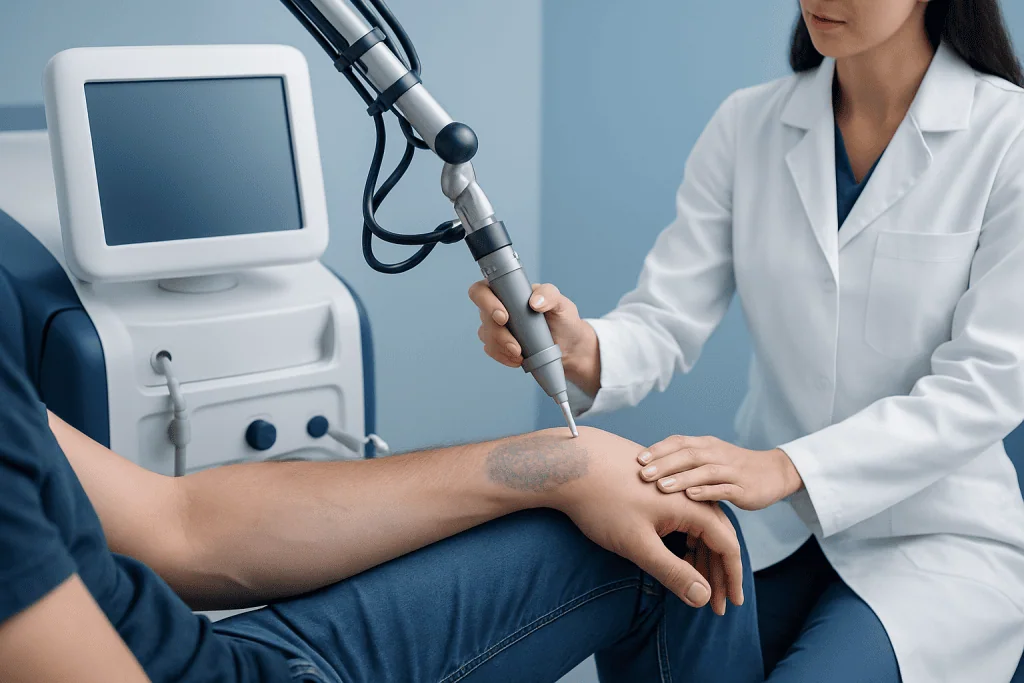
In the first days after tattooing, the area may be sore, mildly swollen, red, and warm. A small amount of clear fluid, blood, or ink mixed with fluid can occur early on. As the skin repairs itself, it may become dry, tight, flaky, or scaly. Itching commonly becomes more noticeable during this peeling phase.
Healing does not always happen evenly. Larger tattoos, areas that rub against clothing, and sites where the skin moves frequently, such as the wrist, ankle, elbow, or knee, can remain irritated for longer. Individual healing also varies with skin type, the depth and density of ink, aftercare practices, and general health.
Normal healing should gradually improve rather than worsen. The tattoo may look temporarily dull or cloudy while fresh skin forms over it, but severe pain, rapidly expanding redness, or increasing swelling are not expected features of uncomplicated healing. Avoid scratching even when the urge is strong, since scratching can reopen the skin, pull away scabs, affect the appearance of the tattoo, and introduce bacteria.
Other reasons a tattoo may become itchy

After healing, dry skin is one of the most common explanations for an itchy tattoo. Cold or dry weather, long hot showers, frequent washing, and harsh cleansers can weaken the skin barrier. Fragranced lotions, essential oils, exfoliating acids, and some sunscreens may also irritate sensitive skin, especially when used on a recently tattooed area.
Some people develop contact dermatitis, an itchy inflammatory rash caused by contact with a substance. Possible triggers include tattoo aftercare products, adhesive bandages, topical antibiotics, soaps, laundry products, metals, or cosmetic products used near the tattoo. The skin may look red, scaly, bumpy, or weepy, and the rash may extend beyond the inked area if a product is responsible.
A delayed reaction to tattoo pigment is less common but possible. Red pigments have historically been associated with more reactions, although any color may be involved. Symptoms can include persistent itching, raised bumps, thickened areas, nodules, or a rash limited to one color of ink. Sunlight may make some reactions more noticeable. A clinician can help distinguish a pigment reaction from eczema, psoriasis, fungal infection, or other causes of an itchy rash.
Existing skin conditions can also affect tattoos. Eczema and psoriasis may develop within areas of skin injury, including tattooed skin, in people who are prone to these conditions. In addition, raised scars can itch. People with a history of <a href="https://acibademinternational.com/diseases/keloid-scars/”>keloid scars should discuss tattooing with a qualified healthcare professional before having another tattoo.
Could an itchy tattoo be infected?
Infection is less common than routine healing-related itching, but it is important to recognize. Bacteria can enter through the broken skin at the time of tattooing or afterward if hands, water, equipment, or aftercare products are not clean. Infection can also occur when a person picks at scabs or repeatedly touches the tattoo.
Signs that are more concerning for infection include redness that spreads or becomes darker, worsening rather than improving pain, increasing warmth, pronounced swelling, cloudy or foul-smelling drainage, and crusting with tenderness. Fever, chills, swollen lymph nodes, or red streaks traveling from the tattoo are urgent warning signs and should not be managed at home.
Not every red or itchy tattoo is infected. Allergic and irritant reactions can look similar, which is one reason a medical assessment can be helpful. Using leftover antibiotics, applying strong steroid creams without advice, or attempting to drain bumps at home can delay appropriate care and may worsen the skin problem.
How doctors evaluate an itchy tattoo
A doctor, dermatologist, or other qualified clinician will usually begin by asking when the tattoo was done, when the itching started, whether symptoms are improving or worsening, and which inks and aftercare products were used. They may ask about recent sun exposure, swimming, new cosmetics, allergies, medications, eczema, psoriasis, immune conditions, and any symptoms such as fever or drainage.
Next, the clinician examines the skin carefully. The pattern of redness, scaling, bumps, blisters, swelling, and discharge can provide useful clues. They may also inspect nearby skin and lymph nodes. Photographs showing how the rash changed over time can be useful, particularly if symptoms come and go.
Testing is not always necessary. If infection is suspected, a swab or sample may be sent to a laboratory. In selected cases, a dermatologist may recommend patch testing for contact allergies or a small skin biopsy to clarify a persistent, unusual, or pigment-specific reaction. These steps help guide treatment and rule out other skin disorders.
Treatment depends on the cause. A clinician may recommend changes to skin-care products, a bland moisturizer, prescription treatment for dermatitis or another inflammatory condition, or antibiotics if a bacterial infection is diagnosed. It is best not to assume that itching alone means an allergy or infection, since the right treatment differs for each cause.
Safe self-care for a mildly itchy tattoo
For a new tattoo that appears to be healing normally, follow the tattoo artist’s written aftercare instructions as well as any advice from a healthcare professional. In general, wash hands before touching the area, cleanse gently with lukewarm water and a mild fragrance-free cleanser, and pat the skin dry rather than rubbing it.
A thin layer of a simple, fragrance-free moisturizer can reduce dryness and tightness. Applying too much ointment or heavy product may trap moisture and irritate the skin, so more is not necessarily better. Loose, clean clothing can reduce rubbing, and a cool clean compress placed over fabric for short periods may help ease itchiness.
Do not scratch, pick, scrub, or shave over a healing tattoo. Avoid swimming pools, hot tubs, lakes, and prolonged soaking until the skin has healed, as these can expose the area to germs and soften scabs. Protect a healed tattoo from sun exposure with clothing or broad-spectrum sunscreen, since sunburn can cause inflammation and renewed itching.
If a new lotion, ointment, bandage, or cleanser seems to trigger itching or a rash, stop using it and use only a gentle product until medical advice is available. People should seek professional guidance before taking medicines or applying medicated creams to a fresh tattoo, particularly when there is broken skin, significant redness, or possible infection.
When to seek medical care
Medical care is recommended when itching is severe, lasts beyond the expected healing period, starts suddenly in a long-healed tattoo, or occurs with a visible rash, bumps, blisters, thickened skin, or swelling. An appointment is also appropriate when symptoms repeatedly return after sun exposure or after using particular products, as this may point to a skin sensitivity or inflammatory condition.
Prompt medical assessment is important for increasing pain, spreading redness, marked warmth, pus-like or foul-smelling drainage, fever, chills, red streaks, or feeling generally unwell. These symptoms can indicate an infection that may require prescription treatment. Urgent care is also needed for trouble breathing, facial or throat swelling, widespread hives, dizziness, or other signs of a severe allergic reaction.
People with diabetes, reduced immune function, poor circulation, or a history of serious skin infections should have a lower threshold for contacting a clinician about a concerning tattoo. Acibadem International’s multidisciplinary specialists and JCI-accredited hospitals can assess skin concerns and arrange appropriate treatment for international patients.
Frequently asked questions
How long should a new tattoo itch?
Itching often becomes noticeable as the tattoo begins to peel and can last for several days to a few weeks. It should gradually improve as the skin heals. Persistent or worsening itch, especially with a rash or pain, should be assessed by a clinician.
Is it normal for a tattoo to itch years later?
A healed tattoo can itch because of dry skin, irritation, sun exposure, friction, or a skin condition such as eczema. Less commonly, it may be related to a delayed reaction to tattoo pigment. New, recurring, or localized symptoms are worth discussing with a doctor or dermatologist.
Can I put moisturizer on an itchy tattoo?
A small amount of a plain, fragrance-free moisturizer may help if the tattoo is dry and healing normally. Avoid heavily fragranced products, exfoliants, and excessive amounts of ointment. If the area is weeping, very swollen, painful, or draining fluid, seek medical advice instead of adding products.
Why is only one color of my tattoo itchy?
A reaction can sometimes affect a particular ink color more than others because pigments and their ingredients differ. Red ink is often discussed in relation to delayed tattoo reactions, but any color can cause problems. A dermatologist can assess whether the change is related to pigment, irritation, infection, or another skin condition.
Should I scratch a tattoo if it is peeling?
No. Scratching or picking can remove scabs prematurely, damage healing skin, alter the tattoo's appearance, and raise the risk of infection. Gentle moisturizing, loose clothing, and a cool compress may help control the urge to scratch.
Can an itchy tattoo mean an allergy?
It can, but itching alone does not confirm an allergy. Allergic or irritant reactions are more likely when there is a persistent rash, raised bumps, scaling, blisters, or symptoms that follow use of a particular product. A clinician can identify likely triggers and recommend appropriate treatment.
References
- American Academy of Dermatology
- Centers for Disease Control and Prevention
- U.S. Food and Drug Administration
- National Health Service
- Mayo Clinic
This article is for general information only and is not a substitute for professional medical advice. Please consult a qualified doctor about your individual situation.
Explore treatments in Turkey — costs, top hospitals & a free quote
JCI-accredited · board-certified surgeons · reply within 24h
Add us as a Preferred Source to see more of our trusted health content across Google Search, AI Overviews and Discover.