10 Conditions Diagnosed with an Eeg: Diagnosis, Outlook, and Modern Treatment Approaches
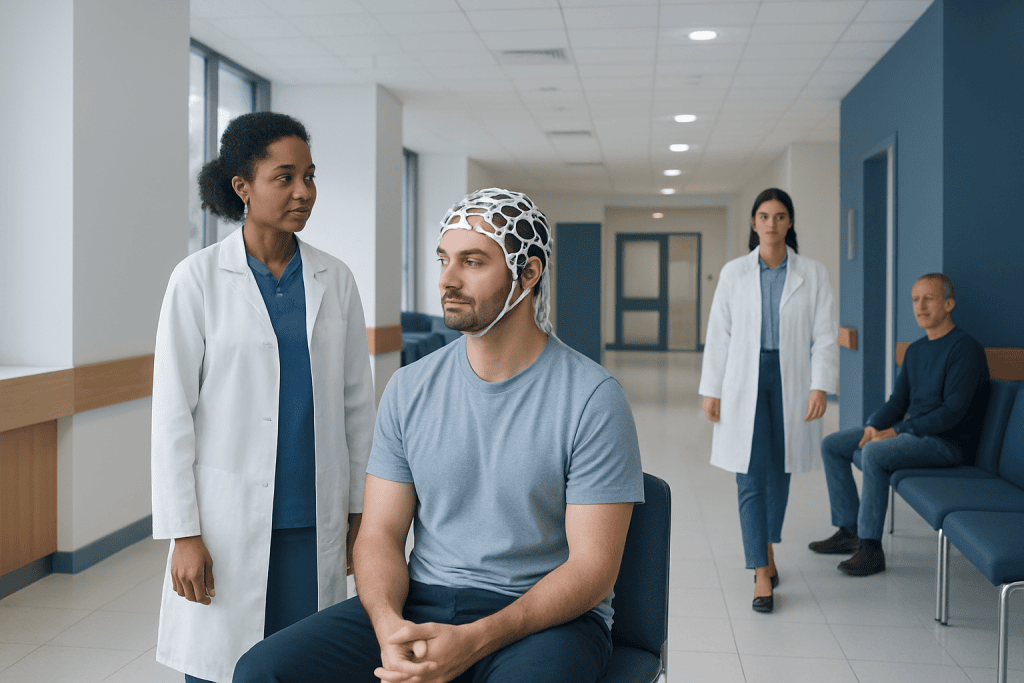
An EEG is a painless test that records electrical activity from the brain through small scalp electrodes. EEG is especially useful for evaluating seizures, unexplained episodes of altered awareness and some sleep-related symptoms.
Key Takeaways
- An EEG is a painless test that records electrical activity from the brain through small scalp electrodes.
- EEG is especially useful for evaluating seizures, unexplained episodes of altered awareness and some sleep-related symptoms.
- An abnormal EEG does not always confirm a specific condition, and a normal EEG does not completely rule out epilepsy.
- Treatment depends on the underlying cause and may include medicines, sleep-focused care, treatment of infection or metabolic illness, and specialist follow-up.
- Urgent medical assessment is important after a first seizure, prolonged seizure, serious head injury or sudden confusion.
The 10 conditions diagnosed with an EEG most commonly include epilepsy and seizure disorders, sleep-related conditions, brain inflammation and certain types of altered consciousness. An electroencephalogram (EEG) records the brain’s electrical activity and is interpreted alongside symptoms, examination findings and, when needed, imaging or laboratory tests.
Overview: What an EEG Can Diagnose
The 10 conditions diagnosed with an EEG include epilepsy, other seizure-related disorders, status epilepticus, sleep disorders, encephalitis, metabolic encephalopathy, coma or impaired consciousness, brain dysfunction after head injury, certain stroke-related complications, and some functional seizure-like episodes. An EEG does not work as a stand-alone diagnosis in every situation; it provides important evidence about how the brain is functioning at the time of recording.
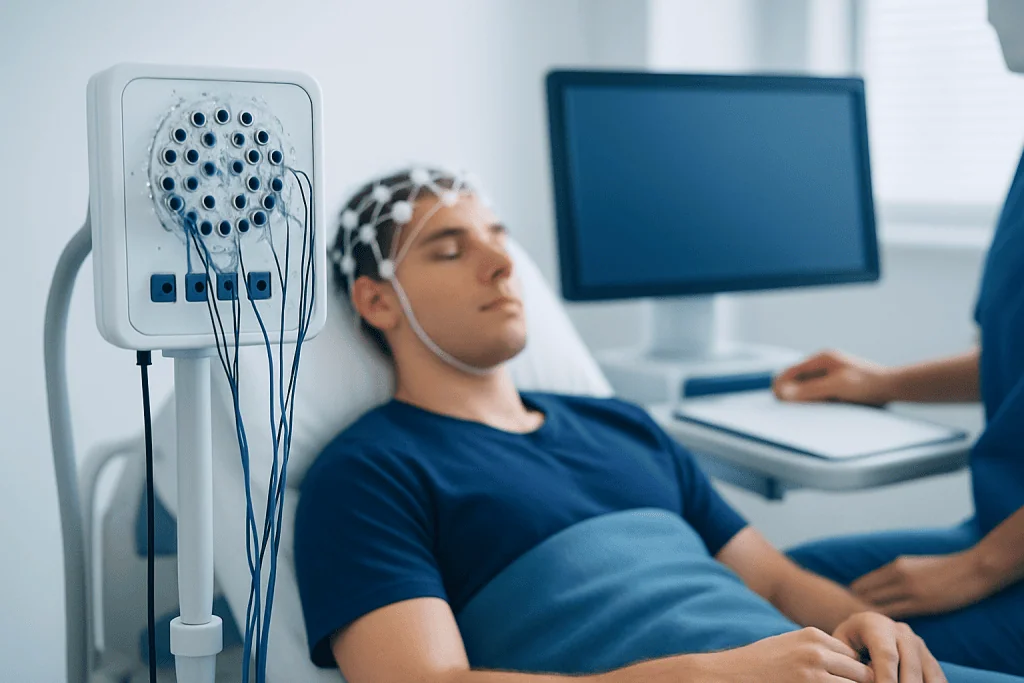
An electroencephalogram records tiny electrical signals produced by brain cells. A trained neurophysiology professional places small sensors on the scalp, and a neurologist or qualified physician reviews the resulting wave patterns. The test is painless and does not send electricity into the brain.
EEG is most often requested when a person has had a seizure, blackout, unexplained staring spell, confusion, unusual movements, or changes in awareness. It may be performed during wakefulness, after sleep deprivation, during sleep, over a longer period at home or in hospital, or with video monitoring to match symptoms with brain activity.
10 Conditions and Situations an EEG Can Help Evaluate
EEG is particularly valuable because different brain conditions can produce recognizable patterns of abnormal electrical activity. However, the pattern must always be interpreted in context. A diagnosis usually depends on the person’s symptoms, medical history, examination and other investigations as well as the EEG.
- 1. Epilepsy: Recurrent unprovoked seizures may be supported by epileptiform discharges on EEG. The test can also help identify a likely seizure type or epilepsy syndrome.
- 2. Focal seizures: These begin in one area of the brain and may cause altered awareness, unusual sensations, repetitive movements, speech changes or brief confusion.
- 3. Generalized seizures: These involve networks on both sides of the brain and can include absence seizures, myoclonic jerks or tonic-clonic seizures.
- 4. Status epilepticus: Continuous or repeated seizure activity without recovery is an emergency. EEG can detect ongoing seizures that may not cause obvious shaking.
- 5. Sleep-related seizure disorders: Some seizures occur mainly at night and may be difficult to distinguish from parasomnias or other sleep events.
- 6. Encephalitis: Brain inflammation, sometimes caused by infection or an autoimmune process, can alter EEG activity and may cause seizures or confusion.
- 7. Metabolic or toxic encephalopathy: Severe disturbances involving organs, blood chemistry, medicines or toxins can slow brain activity and contribute to delirium or reduced alertness.
- 8. Coma or unexplained impaired consciousness: In intensive care, EEG helps assess brain activity and identify non-convulsive seizures in people who cannot describe symptoms.
- 9. Brain dysfunction after head injury or stroke: EEG may be used when seizures, persistent confusion or unexplained reduced consciousness occur after an acute brain event.
- 10. Functional seizures or seizure-like episodes: Video EEG can sometimes show that a typical event happens without the electrical changes expected in an epileptic seizure. This helps clinicians distinguish functional seizures from epilepsy and plan appropriate care.
Symptoms That May Lead to an EEG

A doctor may recommend an EEG after a first suspected seizure or a recurring unexplained event. Symptoms can vary widely. Some people collapse and have stiffening or rhythmic jerking, while others experience a brief pause in awareness, sudden falls, repeated blinking, strange smells or tastes, speech interruption, memory gaps, or involuntary movements.
Events during sleep can also prompt testing. Examples include repeated nighttime movements, waking confused, unexplained injuries, bed-wetting that begins unexpectedly, or episodes that appear different from typical sleepwalking. A sleep EEG or prolonged video EEG may be more informative when symptoms are infrequent or occur mainly overnight.
EEG may also be useful for persistent confusion, behavior change, hallucinations, memory problems with fluctuating alertness, or reduced responsiveness, especially in hospital settings. These symptoms can have many possible causes, including infection, medication effects, metabolic changes and neurological illness, so prompt assessment helps identify the appropriate tests.
How EEG Testing and Diagnosis Work
For a routine EEG, the person usually sits or lies comfortably while electrodes are attached to the scalp with a washable paste or adhesive. The recording commonly includes resting quietly, opening and closing the eyes, and sometimes controlled deep breathing or flashing lights. These activation procedures are used only when clinically appropriate and under supervision.
A routine EEG records a limited period of brain activity, so it may not capture intermittent abnormalities. If questions remain, a clinician may request a sleep-deprived EEG, ambulatory EEG over one or more days, or inpatient video EEG monitoring. Capturing a typical episode on video and EEG can be particularly helpful for reaching an accurate diagnosis.
Brain imaging, such as MRI or CT, may be recommended to look for a structural cause of seizures or neurological symptoms. Blood tests, lumbar puncture, heart rhythm testing, sleep assessment and psychological evaluation may also be relevant depending on the presentation. A normal EEG is reassuring in some circumstances, but it does not by itself exclude epilepsy because abnormal activity may not occur during the recording.
Treatment Options and Outlook
Treatment is guided by the underlying condition rather than the EEG result alone. For epilepsy, a neurologist may recommend antiseizure medicine selected for the individual’s seizure type, age, other health conditions, pregnancy plans and possible side effects. Some people with recurrent seizures may also benefit from dietary therapy, neuromodulation or epilepsy surgery assessment when seizures continue despite appropriate medicines.
When EEG changes are related to encephalitis, infection, autoimmune disease, a toxic exposure or a metabolic problem, treatment focuses on the cause while seizures and other symptoms are managed. In hospital, continuous EEG monitoring can help clinicians adjust treatment for status epilepticus or non-convulsive seizures. Recovery depends on the cause, how quickly treatment begins and the person’s overall health.
For functional seizures, care is not based on antiseizure medication unless epilepsy is also present. Clear explanation of the diagnosis, psychological support and therapies that address stress, trauma, mood symptoms or bodily responses can improve quality of life. Follow-up with an experienced neurology team is important because symptoms are real and deserve appropriate care.
Many people with seizure disorders lead full, active lives with a tailored treatment plan. They may need practical advice about driving rules, work safety, swimming, alcohol, sleep and medication adherence. Recommendations differ by location and individual circumstances, so they should be discussed with the treating clinician.
Preparing for an EEG and Supporting Brain Health
Before an EEG, the person should ask the clinic whether to continue regular medicines, particularly antiseizure medicines. They should generally avoid applying hair oils, sprays, gels or heavy conditioners on the day of the test, as these can make it harder for electrodes to adhere. Eating normally is often advised unless the care team provides different instructions.
If a sleep-deprived EEG has been arranged, the clinic will explain how much sleep to limit beforehand. Fatigue can increase the chance of detecting certain abnormal patterns, but it can also affect safety. A person who is sleep-deprived should arrange transport and avoid driving if advised by their clinician.
For people with a known seizure condition, regular sleep, taking prescribed medicine consistently and avoiding identified triggers can reduce seizure risk. Common triggers may include missed medication, sleep deprivation, heavy alcohol use, illness, dehydration or flashing lights in a small number of people. Keeping a symptom diary, including the time, duration, circumstances and recovery after an event, can provide useful information for the medical team.
When to Seek Medical Care
Medical assessment is recommended after a first suspected seizure, a new unexplained blackout, repeated episodes of altered awareness, or events that are changing in frequency or character. A witness account can be very helpful. If possible, a family member or friend can note what happened before, during and after the event, including the duration, movements, breathing, awareness and recovery.
Emergency care is needed if a seizure lasts five minutes or longer, seizures occur repeatedly without full recovery, breathing is difficult, a serious injury occurs, or the person does not regain usual awareness. Emergency assessment is also important for a seizure during pregnancy, in water, after significant head injury, or when it is the person’s first seizure.
Sudden confusion, new weakness, severe headache, fever with neck stiffness, or loss of consciousness should also be assessed urgently because these symptoms may have causes other than seizures. Acibadem International’s multidisciplinary specialists and JCI-accredited hospitals can evaluate neurological symptoms and coordinate EEG-based assessment and treatment planning for international patients.
Frequently asked questions
Can an EEG diagnose epilepsy?
An EEG can provide evidence that supports an epilepsy diagnosis by detecting epileptiform activity or recording a seizure. However, epilepsy is diagnosed using the full clinical picture, including the description of events, medical history and other tests when needed. A normal EEG does not completely rule out epilepsy.
What conditions can be mistaken for seizures?
Fainting, migraine symptoms, sleep disorders, panic attacks, movement disorders, heart rhythm problems and functional seizures can sometimes resemble epileptic seizures. Video EEG monitoring may help distinguish among these conditions when a typical event is recorded. A careful medical assessment is essential because treatment differs by cause.
Is an EEG painful or dangerous?
EEG is generally painless and safe. The electrodes only record activity; they do not deliver electricity into the brain. Deep breathing or flashing lights are sometimes used during testing and are monitored by trained staff.
How long does it take to get EEG results?
Timing varies by the type of recording and the healthcare setting. A routine EEG may be reviewed within days, while prolonged video EEG monitoring can require additional time for detailed interpretation. The clinician will explain what the findings mean in relation to the person’s symptoms.
Why might a doctor order a sleep-deprived EEG?
Sleep deprivation can make certain brain-wave abnormalities more likely to appear during recording. It may be recommended when a routine EEG is normal but seizure symptoms remain concerning, or when events occur around sleep. The clinic should provide specific preparation and safety instructions.
Can EEG show brain tumors or stroke?
EEG does not directly show the structure of the brain, so it cannot diagnose a tumor or stroke as clearly as MRI or CT imaging. It can show changes in brain function, including seizure activity or slowing, that may occur with these conditions. Imaging is usually used when a structural cause is suspected.
References
- National Institute of Neurological Disorders and Stroke
- Epilepsy Foundation
- International League Against Epilepsy
- National Health Service
- American Clinical Neurophysiology Society
This article is for general information only and is not a substitute for professional medical advice. Please consult a qualified doctor about your individual situation.
Explore treatments in Turkey — costs, top hospitals & a free quote
JCI-accredited · board-certified surgeons · reply within 24h
Add us as a Preferred Source to see more of our trusted health content across Google Search, AI Overviews and Discover.