

How Long Does Alcohol Poisoning Last? A Doctor-Reviewed Answer

Alcohol poisoning may continue to worsen even after a person stops drinking because alcohol can still be absorbed from the stomach. The most dangerous effects usually improve only as the body processes alcohol, which often takes many hours.
Key Takeaways
- Alcohol poisoning may continue to worsen even after a person stops drinking because alcohol can still be absorbed from the stomach.
- The most dangerous effects usually improve only as the body processes alcohol, which often takes many hours.
- Slow or irregular breathing, inability to wake up, repeated vomiting, seizures, blue or pale skin, and confusion require emergency medical help.
- Coffee, cold showers, exercise, and making someone vomit do not reverse alcohol poisoning and may create additional risks.
- Medical teams monitor breathing, circulation, body temperature, blood sugar, and complications while providing supportive treatment.
Alcohol poisoning can last for several hours or longer, depending on how much alcohol was consumed, the person's health, and whether other substances were involved. Although many people recover from temporary intoxication with time and supportive care, alcohol poisoning is a medical emergency when it causes slowed breathing, unconsciousness, seizures, or other severe symptoms.
How long does alcohol poisoning last?
Alcohol poisoning can last for several hours, and serious effects may last longer if a large amount of alcohol was consumed, drinking occurred quickly, or other drugs were taken. The body clears alcohol gradually, so a person may remain very impaired or become worse for a period after their last drink. Recovery varies greatly and cannot be predicted safely from the number of drinks alone.
Most mild intoxication symptoms, such as sleepiness, poor coordination, nausea, and headache, improve as alcohol levels fall. However, alcohol poisoning is more than being very drunk: it occurs when alcohol suppresses important functions such as breathing, consciousness, temperature control, and the gag reflex. A person with warning signs needs urgent medical assessment rather than observation at home.
It is reassuring that many people who receive timely supportive care recover fully. The priority is recognizing dangerous symptoms early, keeping the person safe while help is arranged, and allowing healthcare professionals to monitor them until their breathing, alertness, and other vital functions are stable.
What happens over time after heavy drinking
Alcohol enters the bloodstream through the stomach and small intestine. Blood alcohol concentration can keep rising after drinking stops, particularly if a person drank rapidly, drank on an empty stomach, or has alcohol remaining in the stomach. This is why someone who appears to be “sleeping it off” may become less responsive later.
The liver processes alcohol at a relatively steady but limited rate. There is no reliable shortcut that makes the liver remove alcohol faster. Time is the main factor, while medical treatment supports the body’s essential functions and addresses complications until alcohol levels decrease.
The length and severity of symptoms depend on several factors. These include the total amount and speed of alcohol consumption, body size, age, biological sex, liver health, food intake, tolerance, dehydration, and use of medications or recreational drugs. Opioids, sedatives, sleep medicines, and some anxiety medicines can combine with alcohol to increase the risk of dangerously slow breathing.
Even after the immediate intoxication resolves, a person may feel tired, thirsty, nauseated, anxious, or unable to concentrate for a day or more. These later symptoms can reflect a hangover, poor sleep, dehydration, or irritation of the stomach, but they should not be used to dismiss persistent confusion, chest pain, severe abdominal pain, or ongoing vomiting.
Signs that suggest alcohol poisoning rather than a hangover

A hangover commonly causes headache, thirst, fatigue, nausea, sensitivity to light, and a general unwell feeling after alcohol has begun to leave the body. Alcohol poisoning causes more serious changes in consciousness, breathing, circulation, or protective reflexes. It can occur in people who have never previously had a drinking problem and in those with a high tolerance to alcohol.
Warning signs include being unable to wake the person, extreme confusion, fainting, repeated vomiting, seizures, very slow breathing, irregular breathing, or long pauses between breaths. Skin that is blue, gray, unusually pale, cold, or clammy may indicate inadequate oxygenation or poor circulation. Low body temperature can also develop, especially if the person is outdoors or in a cold setting.
- Confusion, inability to stay awake, or unresponsiveness
- Breathing that is slow, shallow, irregular, or pauses for several seconds
- Vomiting while drowsy or unconscious, which creates a choking risk
- Seizures, collapse, or markedly poor coordination
- Blue, gray, pale, cold, or clammy skin
A person does not need to have every sign for the situation to be urgent. If there is any doubt about whether symptoms are alcohol poisoning, it is safer to seek emergency help. Do not assume that a person who is unconscious will simply wake up when sober.
When to seek medical care
Emergency medical care is needed immediately if a person cannot be awakened, has trouble breathing, has a seizure, repeatedly vomits, has blue or pale skin, or is injured after drinking. Call local emergency services rather than driving the person yourself if they are severely ill, unconscious, or having breathing problems.
While waiting for help, stay with the person. If they are awake, keep them sitting upright if possible. If they are lying down or vomiting, place them on their side in the recovery position, with the mouth facing downward so vomit can drain. Keep them warm, but do not use a hot bath or shower.
Do not give coffee, energy drinks, more alcohol, or medications intended to “sober them up.” Do not make the person vomit, and do not leave them alone to sleep. If possible, tell emergency responders what was consumed, when drinking occurred, whether any medicines or other substances were taken, and whether there was a fall, head injury, or chronic medical condition.
How doctors assess suspected alcohol poisoning
Doctors first focus on immediate safety: airway protection, breathing, circulation, level of consciousness, and body temperature. They will ask witnesses or family members about the amount and timing of alcohol use, other substances, current medicines, medical history, and any injury. Because alcohol can mask symptoms of other conditions, clinicians also consider problems such as head trauma, stroke, low blood sugar, infection, or poisoning from another substance.
Assessment may include repeated checks of oxygen level, pulse, blood pressure, breathing rate, temperature, and neurological status. Blood tests may be used to check glucose, electrolytes, kidney function, acid-base balance, and alcohol concentration when clinically appropriate. A urine test, toxicology testing, electrocardiogram, or imaging study may be considered if symptoms suggest another cause or an injury.
Alcohol concentration alone does not determine how unwell someone is. People respond differently based on tolerance, health conditions, and co-use of other substances. For this reason, doctors base decisions on the person’s symptoms and vital signs as well as laboratory findings.
Treatment and recovery in hospital
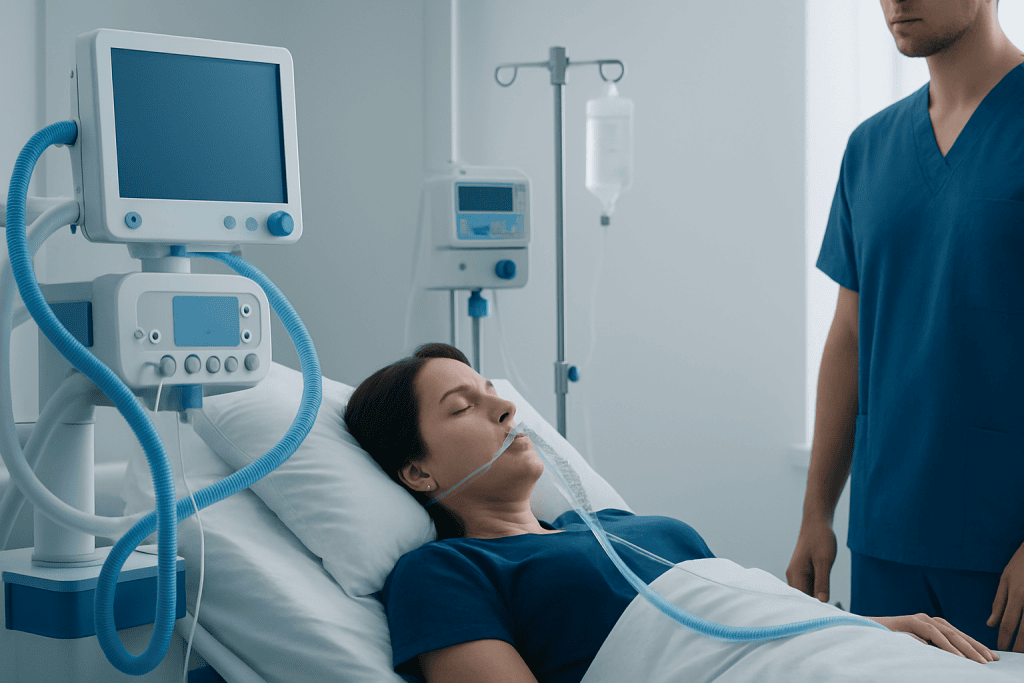
There is no medication that instantly eliminates alcohol from the body. Treatment for alcohol poisoning is supportive and tailored to the person’s needs while their body metabolizes alcohol. This may include oxygen, careful monitoring, warming measures for low body temperature, intravenous fluids when appropriate, and treatment for low blood sugar or electrolyte abnormalities.
If vomiting, reduced consciousness, or breathing suppression makes the airway unsafe, clinicians may provide advanced airway support and breathing assistance. A person who has taken opioids along with alcohol may require specific emergency treatment for opioid effects. Seizures, injuries, abnormal heart rhythms, and severe dehydration are also treated as needed.
Observation continues until the person is awake enough to protect their airway, breathing normally, and has stable vital signs. The exact length of hospital observation varies. Some people improve within hours, while others need longer monitoring because of high alcohol exposure, complications, underlying illness, or mixed-drug ingestion.
After an episode, a clinician may discuss safer alcohol use, mental health support, and treatment options if alcohol use is becoming difficult to control. This conversation is intended to support health and prevent future emergencies, not to assign blame. Acibadem International’s multidisciplinary specialists and JCI-accredited hospitals can assess alcohol-related medical complications and provide care for international patients when needed.
Prevention and safer next steps
The most effective prevention is avoiding rapid, high-volume alcohol consumption. Eating before or while drinking may slow alcohol absorption, but it does not prevent alcohol poisoning and does not make heavy drinking safe. Alternating alcoholic drinks with non-alcoholic fluids can help reduce dehydration, but water cannot reverse dangerous intoxication.
Avoid mixing alcohol with opioids, sedatives, sleeping pills, or recreational drugs unless a qualified clinician has specifically advised otherwise. People taking prescription medicines should ask a doctor or pharmacist whether alcohol is safe with their medication. Alcohol should also be avoided before driving, swimming, operating machinery, or situations where falls and injuries are more likely.
If a person has repeated blackouts, needs increasing amounts of alcohol to feel its effects, experiences withdrawal symptoms, or continues drinking despite harm to health or relationships, professional support can help. A primary care clinician, addiction medicine specialist, or mental health professional can discuss confidential, evidence-based options suited to the person’s circumstances.
Frequently asked questions
Can alcohol poisoning last into the next day?
Yes. Severe intoxication and its complications can last into the next day, especially after a large amount of alcohol, rapid drinking, or use of other substances. Fatigue and hangover symptoms may also continue after alcohol levels have fallen, but ongoing confusion, breathing changes, or repeated vomiting need medical evaluation.
How long does it take for alcohol to leave the body?
Alcohol is processed gradually, and the timing varies from person to person. Factors such as the amount consumed, drinking speed, liver health, food intake, and other medicines affect how long alcohol remains in the body. Coffee, cold showers, and exercise do not speed up alcohol clearance.
Should someone with alcohol poisoning be allowed to sleep?
A very intoxicated person should not be left alone to “sleep it off,” because their breathing and responsiveness can worsen. If they cannot be awakened easily, are vomiting, or have slow or irregular breathing, emergency help is needed. While waiting, keep them on their side if lying down and monitor them closely.
Can water cure alcohol poisoning?
Water may help with dehydration in someone who is awake and able to swallow safely, but it does not cure alcohol poisoning or lower alcohol levels quickly. Do not force fluids on someone who is drowsy, confused, vomiting, or unconscious because they could choke. Emergency assessment is needed when warning signs are present.
What is the difference between alcohol poisoning and being drunk?
Being drunk can involve impaired judgment, slurred speech, poor balance, and sleepiness. Alcohol poisoning is a more dangerous state in which alcohol affects vital functions, causing problems such as inability to wake up, breathing changes, seizures, low body temperature, or repeated vomiting. The distinction is based on symptoms and safety, not simply the number of drinks.
Can a person recover from alcohol poisoning without treatment?
Some people with mild alcohol-related symptoms recover as their body processes alcohol, but it is not safe to assume this will happen when severe symptoms are present. Alcohol levels may continue rising after the last drink, and unconsciousness or vomiting can lead to choking or breathing failure. Prompt emergency care is the safest response to suspected alcohol poisoning.
References
- National Institute on Alcohol Abuse and Alcoholism
- Centers for Disease Control and Prevention
- National Health Service
- Mayo Clinic
- World Health Organization
This article is for general information only and is not a substitute for professional medical advice. Please consult a qualified doctor about your individual situation.
Explore treatments in Turkey — costs, top hospitals & a free quote
JCI-accredited · board-certified surgeons · reply within 24h
Add us as a Preferred Source to see more of our trusted health content across Google Search, AI Overviews and Discover.

More from the Health Library



Related Specialists

Assoc. Prof. Dr. Çağlar Ruhi
Nephrology
Dr. Nevin Sarıgüzel
Infectious Diseases & Clinical Microbiology
Dr. Etem Aytaç Yazar
Orthopedic Surgery & Traumatology
Dr. Selin Özcan
Pediatrics