Blind Person — Explained by Medical Evidence, Not Myths
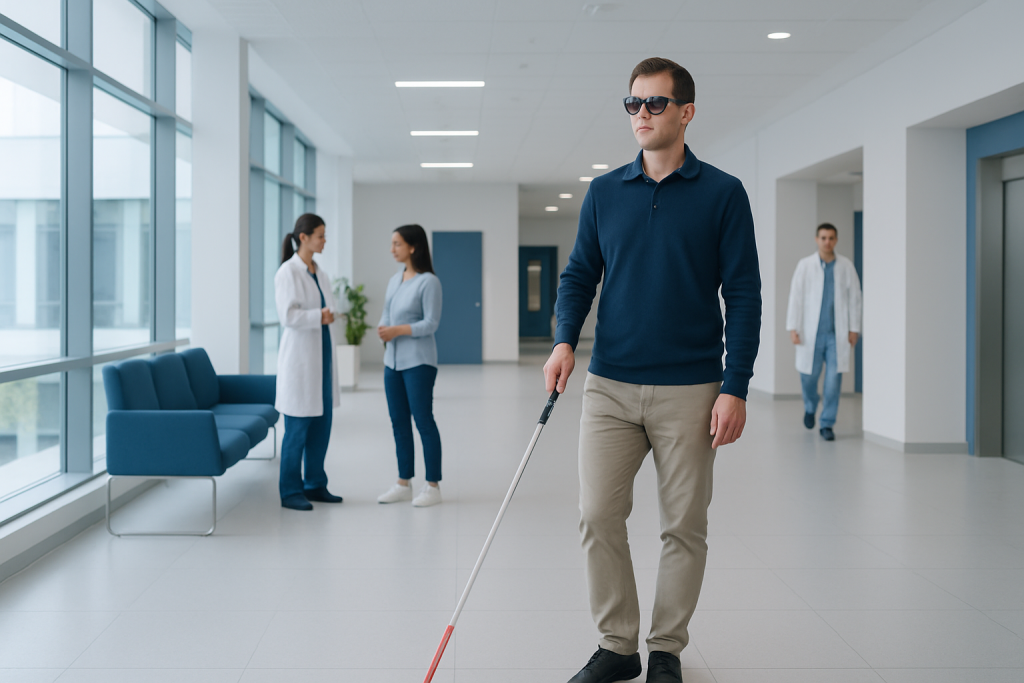
Blindness is a broad term: some blind people retain light perception, side vision or other limited vision. Vision loss may result from eye conditions, problems affecting the optic nerve or brain, injury, inherited conditions, or disease present at birth.
Key Takeaways
- Blindness is a broad term: some blind people retain light perception, side vision or other limited vision.
- Vision loss may result from eye conditions, problems affecting the optic nerve or brain, injury, inherited conditions, or disease present at birth.
- Prompt eye assessment is important because some causes of vision loss can be treated, slowed or prevented.
- Blindness is not a measure of intelligence, independence or quality of life; rehabilitation, accessibility and assistive technology can support participation.
- Sudden vision changes, eye pain, flashes, a curtain-like shadow or vision loss after injury need urgent medical assessment.
A blind person is someone who is blind, which may mean having little or no useful vision; it does not always mean seeing complete darkness. Blindness can be present from birth or develop later in life, and its causes, treatment options and day-to-day impact vary widely from person to person.
What does “blind person” mean medically?
A blind person is someone with blindness, meaning vision loss severe enough to substantially limit everyday visual tasks even with usual glasses or contact lenses. The term is used in different ways in medical care, education, disability services and law. Definitions can therefore differ between countries and programs, and a clinician can explain how a person’s measured vision relates to local support eligibility.
Blindness is not always the same as total absence of sight. Some people who identify as blind can perceive light, movement, shapes, colors, or a small area of vision. Others have no light perception. For this reason, it is inaccurate to assume that every blind person sees only blackness. “Low vision” generally describes significant visual impairment in which some usable sight remains, while blindness may describe more profound vision loss.
Language is personal. Many people prefer “blind person,” while others prefer “person who is blind” or “person with vision loss.” The respectful approach is to use the language an individual prefers and to avoid assumptions about what they can see, what assistance they want, or how independently they live.
How vision loss can affect daily life
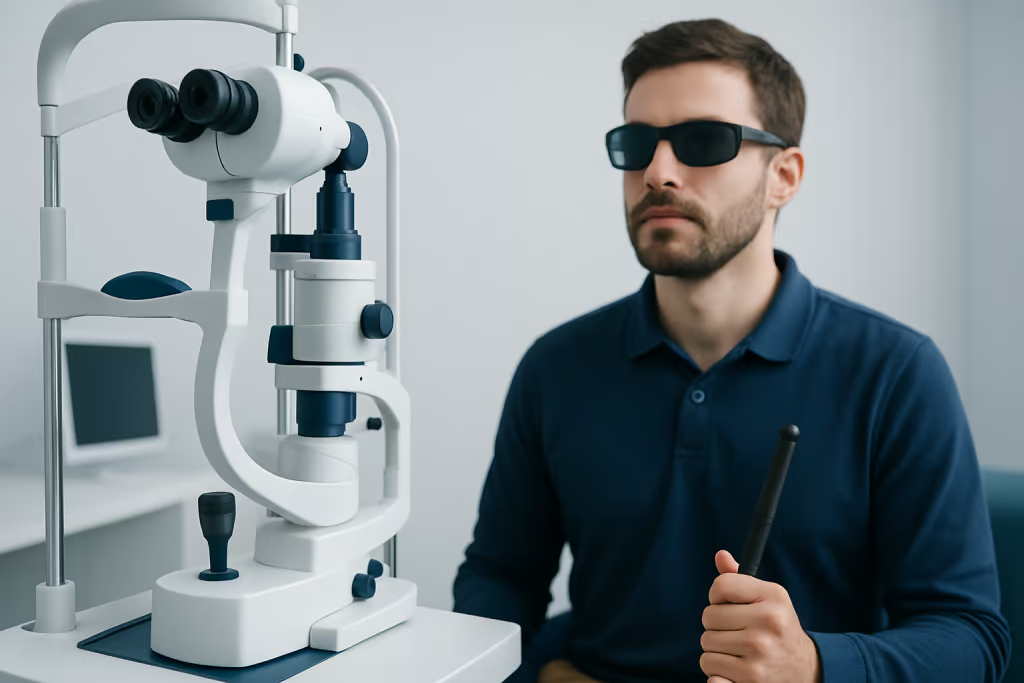
Vision contributes to reading, recognizing faces, navigating unfamiliar spaces, driving, judging steps and curbs, and noticing visual details. The practical effects of blindness depend on when it began, whether any vision remains, the environment, and access to training and technology. A person who has been blind since childhood may use different skills and strategies from someone adjusting to recent vision loss.
Blindness does not prevent people from studying, working, parenting, traveling, using technology, playing sports, or maintaining active social lives. Screen readers, magnification software, braille displays, audio labels, tactile markers, navigation tools, guide dogs, white canes and accessible public design can reduce barriers. Orientation and mobility training can help a person travel safely and confidently.
Emotional adjustment is also an important part of care, especially after a new or progressive loss of sight. Frustration, grief, anxiety or low mood can occur and deserve support. Rehabilitation professionals, peer groups, counselors, family members and community organizations can help people adapt while maintaining autonomy and personal choice.
What causes blindness and severe visual impairment?
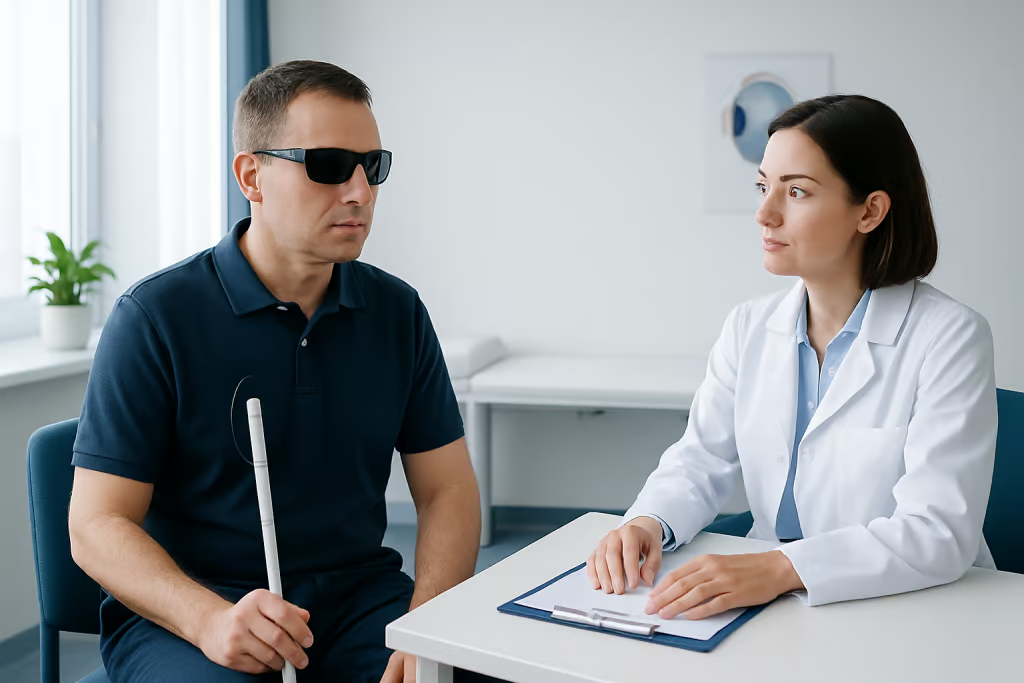
Blindness is a result of damage or disruption anywhere along the visual pathway, including the eye, optic nerve and visual areas of the brain. Some causes are present at birth or inherited. Others develop with age, chronic disease, infection, injury, medication effects, or changes in blood flow. A detailed eye examination is needed because the cause cannot be determined from symptoms alone.
Common eye-related causes include cataracts, glaucoma, diabetic retinopathy, age-related macular degeneration, retinal detachment, corneal scarring, severe eye infection and eye injury. Cataracts can often be treated surgically, while glaucoma and diabetic eye disease may sometimes be controlled to preserve remaining vision when detected early. Damage from some conditions cannot be reversed, but treatment may still protect vision that remains.
Vision loss may also arise from optic nerve disease, including optic neuritis or reduced blood supply to the nerve, and from brain conditions such as stroke, trauma or tumors affecting visual pathways. In infants and children, causes can include premature birth-related eye disease, congenital cataracts, genetic retinal conditions or developmental disorders. Some causes are preventable, whereas others are not; no one should be blamed for developing blindness.
How doctors assess vision loss
An optometrist or ophthalmologist begins by asking when the vision change started, whether it affects one or both eyes, and whether there are symptoms such as pain, redness, flashes, floaters, headache or changes in side vision. Medical history matters as well, including diabetes, high blood pressure, autoimmune disease, previous eye surgery, infections, medicines and family history of eye disease.
Testing often includes measurement of visual acuity, refraction to check whether lenses improve sight, evaluation of pupils and eye movements, and examination of the front and back of the eye after dilation when appropriate. Depending on the concern, clinicians may assess peripheral vision, eye pressure, color vision, retinal structure with optical coherence tomography, or retinal blood vessels with imaging.
If an eye examination does not fully explain the symptoms, further tests may be needed. These can include blood tests, visual field testing, electrophysiology studies, or brain and orbit imaging. For children or people with communication needs, the examination can be adapted. The goal is to identify urgent or treatable causes, document usable vision, and develop a practical care plan.
Treatment, rehabilitation and practical support
Treatment depends entirely on the underlying cause and the timing of care. Examples include glasses or specialty lenses for correctable refractive error, medication or laser treatment for certain retinal disorders, treatment to lower eye pressure in glaucoma, injections for some retinal diseases, surgery for cataracts or retinal detachment, and management of medical conditions such as diabetes or high blood pressure. Not every form of blindness is reversible, and clinicians should discuss expected benefits and limitations clearly.
When vision cannot be restored, low-vision and vision-rehabilitation services remain valuable medical support. These services assess the person’s goals and may recommend magnifiers, high-contrast or large-print materials, lighting changes, electronic reading devices, screen-reader software, braille resources, and techniques for cooking, personal care, education and work. A referral to an occupational therapist or orientation and mobility specialist may be useful.
Family and friends can help most by asking before assisting, describing changes in the environment, keeping walkways clear, and respecting the person’s decisions. It is usually better to offer an elbow for guidance rather than pulling someone by the hand or cane. Acibadem International’s multidisciplinary specialists and JCI-accredited hospitals can assess causes of vision loss and coordinate appropriate eye care and rehabilitation support for international patients.
Protecting eye health and preventing avoidable vision loss
Not every cause of blindness can be prevented, particularly some inherited or congenital conditions. However, regular eye examinations can detect several eye diseases before noticeable symptoms occur. This is especially important for people with diabetes, glaucoma risk factors, a family history of serious eye disease, high blood pressure, previous eye injury, or use of medications that can affect the eyes.
Managing diabetes, blood pressure and cholesterol as advised by a healthcare professional supports both eye and overall vascular health. People with diabetes should have retinal screening at the intervals recommended by their clinician, even if their vision seems normal. Smoking cessation may also help lower the risk of several eye conditions and supports general health.
Protective eyewear is important during sports, construction, home repairs, laboratory work and activities involving chemicals or flying particles. Sunglasses that block ultraviolet radiation can provide eye comfort and protection outdoors. Infants and children should receive routine vision checks, and parents should seek assessment if they notice a white pupil, persistent eye turning, unusual sensitivity to light, poor visual attention or developmental concerns.
When to seek medical care
Any new, unexplained or worsening visual change should be assessed promptly by an eye professional or doctor. This includes blurred vision that does not clear, reduced side vision, new difficulty seeing faces or reading, double vision, halos around lights, increasing floaters or a gradual loss of central vision. Early assessment may help identify conditions that need treatment before further sight is affected.
Urgent medical evaluation is needed for sudden loss of vision in one or both eyes, a curtain or shadow moving across vision, a sudden shower of floaters with flashes of light, severe eye pain, a red painful eye with nausea, vision loss after an eye or head injury, or a chemical splash in the eye. These symptoms can occur with time-sensitive eye or neurological conditions. A person should not drive themselves if their vision is suddenly affected.
For a chemical exposure, the eye should be rinsed immediately with clean running water for at least 15 minutes while arranging urgent care, unless a medical professional gives different instructions. People with established blindness should continue routine medical and eye follow-up when recommended, particularly if they have remaining vision or an eye condition that could change over time.
Frequently asked questions
Does a blind person see black?
Not necessarily. Some blind people have no light perception, while others may see light, shadows, movement, shapes, colors or limited areas of vision. The visual experience depends on the cause and degree of vision loss.
Can blindness be cured?
Some causes of severe vision loss can be treated or improved, particularly when care is received early. For example, cataracts and certain retinal or corneal conditions may respond to surgery or other treatment. Other causes cause permanent damage, but treatment and rehabilitation can often help protect remaining sight and improve daily functioning.
What is the difference between blindness and low vision?
Low vision means reduced sight that remains difficult to correct fully with standard glasses, contact lenses, medication or surgery but may still be usable for some tasks. Blindness generally refers to more severe visual impairment, although definitions vary by healthcare system and country. Both can benefit from tailored assistive devices and rehabilitation.
Can a blind person live independently?
Many blind people live independently and make their own decisions about work, home life, travel and relationships. Independence may be supported by skills training, accessible technology, environmental adaptations and community resources. The type and amount of support a person chooses is individual.
What are common early warning signs of serious eye disease?
Warning signs can include sudden vision loss, flashes of light, many new floaters, a dark curtain in vision, eye pain, redness, distorted straight lines, or a rapid decline in sight. Some eye diseases, including glaucoma and diabetic retinopathy, may have few early symptoms. Regular eye examinations are therefore important for people at risk.
How can someone communicate respectfully with a blind person?
It is helpful to speak directly to the person, introduce oneself when appropriate, and ask before offering help. Specific verbal descriptions, such as saying where an object is located, are often more useful than pointing. Terms such as “see” or “look” are commonly used in everyday conversation and do not usually need to be avoided.
References
- World Health Organization
- American Academy of Ophthalmology
- National Eye Institute
- Centers for Disease Control and Prevention
- Royal National Institute of Blind People
This article is for general information only and is not a substitute for professional medical advice. Please consult a qualified doctor about your individual situation.
Explore treatments in Turkey — costs, top hospitals & a free quote
JCI-accredited · board-certified surgeons · reply within 24h
Add us as a Preferred Source to see more of our trusted health content across Google Search, AI Overviews and Discover.
Check your numbers in seconds
BMI, calories, due date, blood pressure and 30+ more clinical calculators — free, instant, doctor-reviewed ranges.

More from the Health Library


Related Specialists

Dt. Shabana Canbolat
Oral & Dental Health
Dr. Metin Bozkuş
Emergency Service
Dr. İrem Buse Karakum
Emergency Service
Prof. Dr. M. Nadir Şener
Orthopedic Surgery & Traumatology