Does Standing Burn Calories? Causes, Explanations, and Next Steps

Standing usually burns more calories than sitting, although the increase is modest. Calorie use while standing varies with body size, posture, muscle activity, age, and how much a person moves.
Key Takeaways
- Standing usually burns more calories than sitting, although the increase is modest.
- Calorie use while standing varies with body size, posture, muscle activity, age, and how much a person moves.
- Small movement breaks, walking, and strength-building activity have greater health and calorie-burning effects than standing still.
- Long periods of standing can cause foot, leg, back, or vein-related discomfort in some people.
- New swelling, chest pain, shortness of breath, fainting, or one-sided leg symptoms need prompt medical assessment.
Yes, standing burns calories because the body uses energy to support posture and maintain balance. For most people, adding standing time is a harmless way to reduce sitting, but it is not a substitute for regular movement, exercise, or a balanced eating pattern.
Does Standing Burn Calories?
Yes. Standing burns calories because the body must keep the trunk upright, stabilize joints, and make continuous small adjustments to maintain balance. Compared with sitting quietly, standing generally increases energy use, although the difference for any single hour is usually modest and differs considerably from one person to another.
For most healthy adults, standing more often during the day is harmless and can be a practical way to interrupt long periods of sitting. However, standing still should not be viewed as a major weight-loss strategy on its own. Regular walking, structured physical activity, muscle-strengthening exercise, sleep, and overall dietary habits have a much larger influence on health and long-term weight management.
Standing can become uncomfortable when it is prolonged, especially on hard floors or without supportive footwear. New one-sided leg swelling, severe calf pain, chest pain, shortness of breath, fainting, or sudden weakness are not expected effects of standing and require urgent medical attention.
Why Standing Uses More Energy Than Sitting
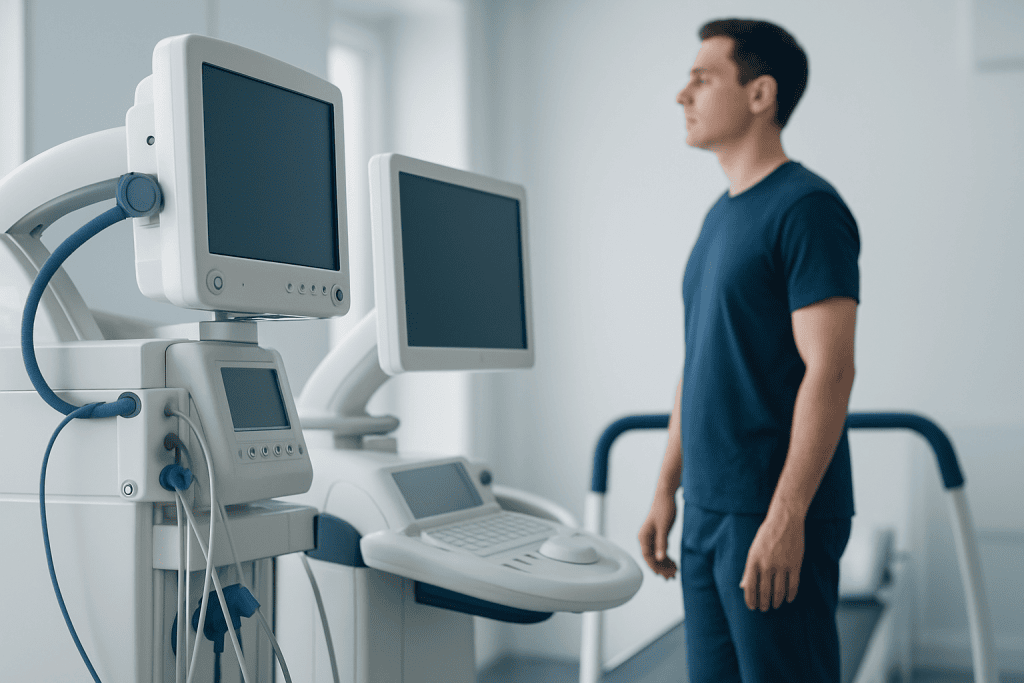
The body uses calories continuously, even at rest, to power breathing, circulation, temperature control, brain function, and other essential processes. This baseline energy use is often called resting energy expenditure. When a person stands, muscles in the legs, hips, abdomen, and back work at a low level to support posture, adding to the energy used while sitting.
Standing is part of non-exercise activity thermogenesis, sometimes shortened to NEAT. This term describes energy used for everyday movements that are not planned exercise, such as changing position, walking around the home, carrying items, or doing household tasks. A person who shifts weight, takes brief steps, or performs light tasks while standing will usually use more energy than someone who remains completely still.
The difference is not fixed. Body weight and height, muscle mass, age, fitness level, room temperature, posture, and natural fidgeting can all affect calorie expenditure. Wearable devices and online calculators may provide estimates, but they cannot precisely measure an individual’s energy use during ordinary daily activities.
It is also useful to separate calorie burning from broader health effects. Replacing some sitting time with standing may help break up sedentary routines, but replacing sitting with gentle walking or other movement generally has a greater effect on cardiovascular fitness, muscle activity, and daily energy expenditure.
What Standing Can and Cannot Do for Health

Adding standing time may be helpful for people who spend much of the day seated at a desk, in a vehicle, or watching screens. Regular position changes can reduce stiffness for some people and may make it easier to build movement breaks into the day. For example, a person may stand during a phone call, walk briefly between tasks, or use a higher work surface for part of the day.
Still, standing is not automatically better in every situation. Standing for many uninterrupted hours can place stress on the feet, knees, hips, and lower back. It may also contribute to leg tiredness or worsening symptoms from varicose veins in people who are susceptible. The goal is usually variety rather than choosing sitting or standing exclusively.
For overall health, adults benefit from regular physical activity suited to their abilities and health status. Walking, cycling, swimming, resistance training, and balance exercises can improve fitness in ways that standing still cannot. People starting after a long inactive period can begin with short, manageable movement intervals and increase gradually.
Weight change also depends on energy balance over time, not one behavior alone. Standing may make a small contribution to daily energy use, but it cannot reliably offset a high-calorie diet or replace an exercise routine. A realistic approach combines less uninterrupted sitting with enjoyable activity and sustainable nutrition habits.
Common Discomforts Linked to Prolonged Standing
It is common to notice mild foot soreness, leg fatigue, or lower-back discomfort after standing for a long time, particularly when work requires remaining in one place. Hard flooring, poorly fitted shoes, dehydration, pregnancy, a sudden increase in activity, and limited opportunities to change position may all make symptoms more noticeable.
Some people develop ankle swelling by the end of the day because fluid can collect in the lower legs when they remain upright for long periods. This may improve after rest, gentle walking, and elevating the legs. Visible twisted veins, aching, heaviness, itching, or swelling may also occur with varicose veins or chronic venous problems, which can be assessed by a clinician when symptoms are persistent or troublesome.
Simple adjustments can often help. Supportive, well-fitting footwear, a cushioned mat where appropriate, alternating between sitting and standing, and taking short walking breaks may reduce strain. Changing weight from one leg to the other and using a low footrest intermittently may also be comfortable for some people.
Persistent pain should not simply be ignored. Foot conditions, joint problems, nerve irritation, circulation concerns, and back disorders can produce symptoms that worsen while standing. A healthcare professional can help distinguish ordinary muscle fatigue from a condition needing specific care.
Practical Ways to Add More Movement Safely
For many people, the most useful change is to break up prolonged sitting rather than trying to stand for an entire workday. A person might set a reminder to change position regularly, stand briefly after completing a task, or take a short walk to refill water or speak with a colleague. The exact schedule should be comfortable and realistic.
At a desk, an adjustable workstation can allow sitting and standing to alternate. Screen height, keyboard position, and posture matter: the shoulders should be relaxed, the screen should be easy to see without bending the neck, and the wrists should not be forced into an awkward angle. People with pain or mobility limitations may benefit from tailored advice from a doctor, physiotherapist, or occupational health professional.
Small amounts of movement can add up over the day. Examples include walking during calls when safe, choosing stairs when appropriate, parking slightly farther away, doing gentle calf raises, or taking a brief walk after meals. These approaches may be more beneficial than standing motionless because they engage larger muscle groups and support circulation.
- Start gradually if standing or walking is new or difficult.
- Choose supportive shoes, especially for work involving long periods on the feet.
- Drink fluids regularly, particularly in warm environments.
- Rest and change position if pain, numbness, dizziness, or unusual swelling develops.
When to Seek Medical Care
Medical review is appropriate when leg, foot, back, or joint pain is persistent, worsening, limits daily activities, or does not improve with rest and sensible adjustments. A clinician should also assess recurring dizziness while standing, palpitations, fainting, numbness, weakness, or swelling that is new or unexplained. These symptoms may have causes unrelated to ordinary standing fatigue.
Urgent medical care is needed for sudden one-sided leg swelling, warmth, redness, or calf pain, especially after surgery, travel, injury, or prolonged immobility. Chest pain, sudden shortness of breath, coughing blood, fainting, or a fast irregular heartbeat require emergency assessment. These symptoms can indicate serious heart, lung, or circulation conditions and should not be managed at home.
During an assessment, a doctor will usually ask about symptom timing, work demands, activity levels, medications, medical history, and recent travel or injury. They may examine the legs, feet, spine, blood pressure, pulse, and circulation. Depending on the findings, tests may include blood tests, an electrocardiogram, imaging, or an ultrasound examination of leg veins.
Acibadem International’s multidisciplinary specialists and JCI-accredited hospitals can assess mobility, circulation, and musculoskeletal symptoms for international patients when further evaluation is needed.
A Balanced Approach to Sitting, Standing, and Exercise
The healthiest routine is usually one that includes frequent changes in position. Sitting is not inherently harmful, and standing is not a cure-all; both can be part of daily life. Problems are more likely when either position is maintained for too long without movement or when pain and other symptoms are overlooked.
People with arthritis, diabetes, neuropathy, heart disease, vein conditions, balance problems, pregnancy-related symptoms, or recent surgery may need individualized advice before substantially increasing standing time. Those who use mobility aids or have a history of falls should prioritize safety and seek guidance on suitable activity options.
Rather than focusing only on whether standing burns calories, it can be helpful to ask how daily routines can include more comfortable movement. Consistent habits such as short walks, active breaks, strength exercises, and adequate recovery are more likely to support health than any single posture.
If the main goal is weight management, a doctor or registered dietitian can help create a safe, personalized plan. This is particularly important for people with chronic health conditions, significant unintentional weight changes, eating concerns, or symptoms that make exercise difficult.
Frequently asked questions
Does standing all day burn a lot more calories than sitting?
Standing generally burns more calories than sitting, but the increase is usually modest when a person is standing still. The total difference depends on body size, muscle activity, and how often the person moves. Walking and other active movement usually increase energy use more substantially.
Can standing help with weight loss?
Standing may make a small contribution to daily calorie expenditure and can reduce time spent sitting. However, it is unlikely to cause meaningful weight loss by itself. Sustainable weight management usually involves nutrition, regular activity, sleep, and attention to medical factors that can affect weight.
Is it better to stand or sit while working?
Alternating between sitting, standing, and brief walking breaks is often more comfortable than doing either sitting or standing continuously. An ergonomic work setup and supportive footwear can reduce strain. People with pain, balance concerns, or circulation problems may need individualized recommendations.
Why do my legs hurt when I stand for a long time?
Long periods of standing can fatigue muscles and place pressure on the feet, joints, and lower back. Hard surfaces, unsupportive shoes, and lack of movement breaks can contribute. Persistent, severe, one-sided, or swollen legs should be evaluated by a healthcare professional.
Can standing cause swollen ankles?
Mild swelling around the ankles can occur after prolonged standing because fluid may collect in the lower legs. It may improve with walking, rest, and leg elevation. New swelling in one leg, painful swelling, or swelling with shortness of breath needs prompt medical assessment.
How often should a person take a movement break?
There is no single schedule that suits everyone, but regular position changes throughout the day are a practical goal. Short, frequent breaks are often easier to maintain than occasional long breaks. A person should adjust the pattern based on comfort, work requirements, and any health conditions.
References
- World Health Organization
- Centers for Disease Control and Prevention
- American Heart Association
- National Institute of Diabetes and Digestive and Kidney Diseases
- National Health Service
This article is for general information only and is not a substitute for professional medical advice. Please consult a qualified doctor about your individual situation.
Medical weight-loss options in Turkey — costs & eligibility
JCI-accredited · board-certified surgeons · reply within 24h
Add us as a Preferred Source to see more of our trusted health content across Google Search, AI Overviews and Discover.
Check your numbers in seconds
BMI, calories, due date, blood pressure and 30+ more clinical calculators — free, instant, doctor-reviewed ranges.