Heavy Breathing: What Patients Need to Know
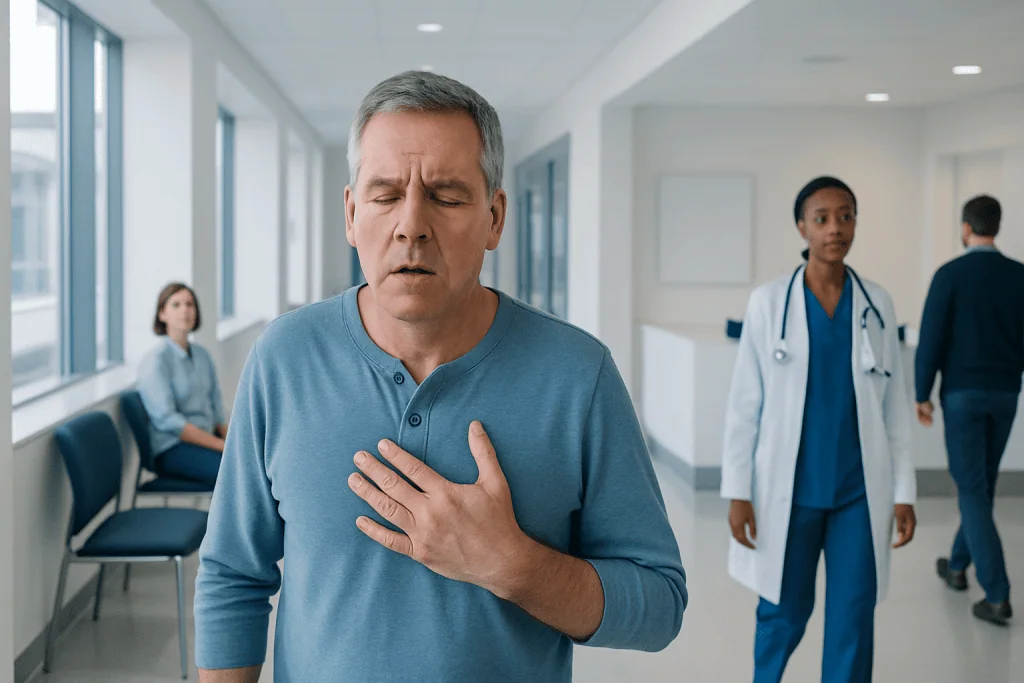
Heavy breathing describes an increased effort to breathe and may occur with or without a faster breathing rate. Exercise, anxiety, respiratory infections, asthma, anemia, and heart conditions are among the possible causes.
Key Takeaways
- Heavy breathing describes an increased effort to breathe and may occur with or without a faster breathing rate.
- Exercise, anxiety, respiratory infections, asthma, anemia, and heart conditions are among the possible causes.
- Sudden breathing difficulty, chest pain, blue lips, fainting, or confusion requires urgent medical care.
- A clinician may use history, examination, oxygen measurements, blood tests, and imaging to identify the cause.
- Treatment depends on the underlying reason; self-care should not delay evaluation of severe or unexplained symptoms.
Heavy breathing may be a normal response to physical activity, heat, emotional stress, or temporary illness. However, breathing that is new, persistent, worsening, or occurs at rest can sometimes signal a heart, lung, blood, or other health concern and should be assessed by a qualified clinician.
Overview: What Does Heavy Breathing Mean?
Heavy breathing is a common description for breathing that feels more noticeable, harder, faster, deeper, or more effortful than usual. In medical settings, the related term dyspnea refers to the uncomfortable sensation of shortness of breath or not getting enough air. People experience it differently: one person may feel chest tightness, while another may notice a need to pause for breath when walking or speaking.
It is often normal to breathe heavily after strenuous exercise, climbing stairs, being in hot weather, or recovering from an emotional upset. The body naturally increases breathing to deliver more oxygen and remove more carbon dioxide. Breathing should usually settle after rest and recovery.
Heavy breathing can also develop when the lungs, heart, blood, muscles, or nervous system are under strain. The timing, triggers, duration, and associated symptoms provide important clues. New or unexplained symptoms deserve attention, especially when they interfere with usual activities or occur while resting.
How Heavy Breathing Can Feel
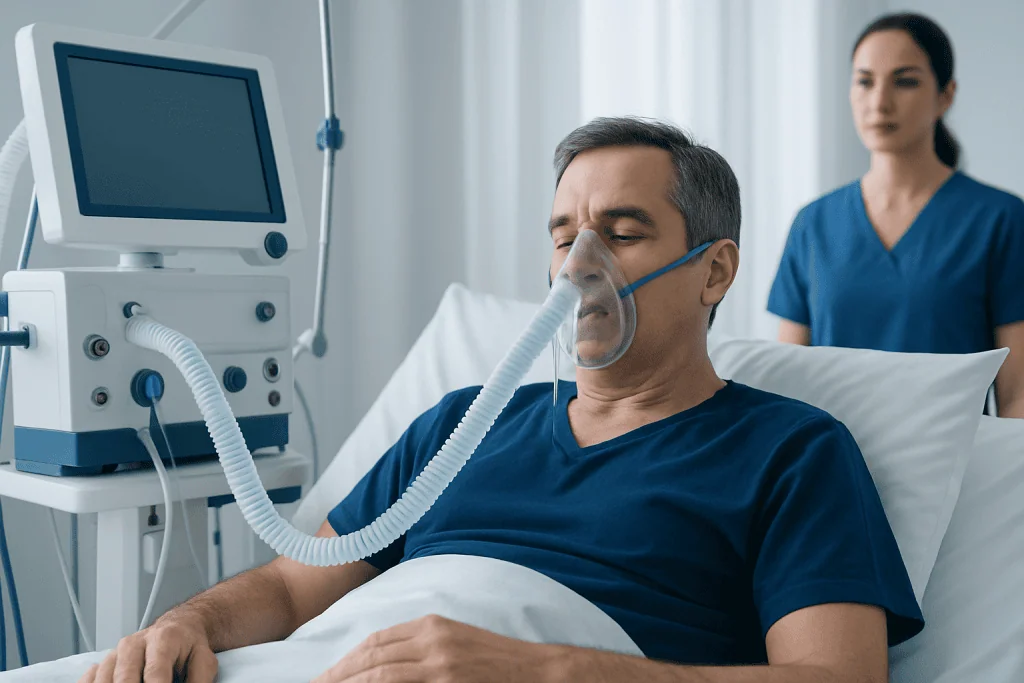
Heavy breathing is a symptom rather than a diagnosis. It may begin suddenly or gradually, be occasional or constant, and appear only during exertion or even at rest. Some people describe air hunger, a feeling that they cannot take a satisfying breath, or needing to breathe more deeply than normal.
Symptoms that may occur alongside heavy breathing include cough, wheeze, fever, sore throat, chest discomfort, palpitations, dizziness, fatigue, ankle swelling, or reduced exercise tolerance. A person may also find it difficult to lie flat because breathing feels more comfortable when sitting upright. These details can help a clinician narrow down possible causes.
It is useful to note what was happening when symptoms started. For example, heavy breathing after a viral illness may have a different explanation from symptoms that appear after exposure to smoke, during pollen season, after a long period of inactivity, or during moments of panic. A symptom diary can be helpful if episodes recur.
Common Causes and Risk Factors

Physical exertion and reduced fitness are frequent, non-dangerous reasons for breathing heavily. Pregnancy, high altitude, excess heat, pain, and fever can also temporarily raise the body’s oxygen demand. Stress and anxiety may lead to rapid or deep breathing, sometimes accompanied by tingling in the hands, light-headedness, or a sense of panic.
Respiratory causes include colds, influenza, COVID-19, pneumonia, asthma, allergies, chronic obstructive pulmonary disease, and other lung conditions. Airways that are narrowed or inflamed can make it difficult to move air in and out. Smoking, vaping, workplace dust or chemical exposure, and air pollution may increase the likelihood of respiratory symptoms.
Heart and circulation conditions can also cause breathlessness, particularly during activity or when lying down. Other possibilities include anemia, in which reduced red blood cells limit oxygen delivery; thyroid disorders; obesity; blood clots in the lungs; and side effects from certain medicines. A recent surgery, prolonged immobility, a long journey, known heart or lung disease, and a personal history of blood clots are examples of factors that should be shared with a healthcare professional.
- Symptoms only during intense exertion that resolve with rest may reflect normal exertion or deconditioning.
- Repeated wheezing or chest tightness may suggest an airway condition such as asthma.
- Fatigue, pallor, or a racing heartbeat may occur with anemia or other systemic conditions.
- New breathlessness after an infection may need review if it is persistent or worsening.
How Doctors Evaluate Heavy Breathing
A medical evaluation begins with questions about when the symptom started, whether it came on suddenly, what triggers or relieves it, and whether there are accompanying symptoms. The clinician will ask about smoking, allergies, recent infections, travel, medications, medical conditions, family history, and activity level. They may also ask whether symptoms disrupt sleep, work, or ordinary walking.
During the examination, the clinician may listen to the lungs and heart, check pulse and blood pressure, look for swelling in the legs, and assess the color of the skin and lips. A pulse oximeter, placed on a finger, can estimate the oxygen level in the blood. A normal oxygen reading does not rule out every cause of breathlessness, but it is one useful part of the assessment.
Tests are selected according to the person’s symptoms and risk factors. They may include blood tests for anemia or infection, an electrocardiogram to assess heart rhythm, a chest X-ray, lung function testing, or other imaging. Not everyone needs every test. The purpose is to identify whether there is an urgent problem and to guide appropriate treatment rather than simply treating the sensation of heavy breathing alone.
Treatment Options Depend on the Cause
There is no single treatment for heavy breathing because it is caused by many different conditions. When symptoms are related to ordinary exertion or low fitness, a clinician may recommend a gradual return to regular activity after serious causes have been excluded. Pacing, warm-up periods, and appropriate rest can help people rebuild stamina safely.
If a respiratory condition is identified, treatment may include avoiding triggers, using prescribed inhaled medicines, treating an infection when appropriate, or pulmonary rehabilitation for selected long-term lung conditions. People with asthma or chronic lung disease should use their individualized action plan and discuss changes in symptoms with their healthcare team rather than changing medicines on their own.
When the cause is related to anemia, heart disease, a hormone disorder, anxiety, or another health issue, treatment focuses on that condition. Anxiety-related breathing symptoms are real and can be distressing; reassurance, breathing strategies, psychological support, and treatment for anxiety when needed may help. Acibadem International’s multidisciplinary specialists and JCI-accredited hospitals can evaluate breathing symptoms and coordinate care for international patients when appropriate.
Prevention and Safe Self-Care
For mild breathing heaviness after activity, stopping the activity, sitting upright, and allowing time to recover may be enough. Slow, controlled breathing can help when a person feels anxious: they can gently inhale through the nose and breathe out slowly through pursed lips, without forcing very deep breaths. If symptoms do not improve promptly or feel severe, medical advice is safer than continuing to self-manage.
Long-term measures that support respiratory and cardiovascular health include avoiding smoking and secondhand smoke, keeping vaccinations up to date as advised, maintaining regular physical activity within personal limits, and managing conditions such as asthma, high blood pressure, or diabetes. A gradual fitness plan is usually more sustainable than sudden, intense exercise.
People should not borrow inhalers, oxygen, antibiotics, or other medicines from others. Over-the-counter cold products may not be suitable for everyone, particularly those with heart conditions, high blood pressure, or medication interactions. Anyone who has been prescribed an inhaler or other treatment should ask a clinician or pharmacist to review correct technique and use.
When to Seek Medical Care
Urgent medical care is needed for sudden or severe difficulty breathing, especially if it occurs with chest pressure or pain, fainting, confusion, blue or gray lips or face, coughing up blood, or an inability to speak in full sentences. Emergency assessment is also important if symptoms begin after a serious allergic reaction, injury, or possible inhalation of a harmful substance.
A prompt medical appointment is advisable for heavy breathing that is new, recurrent, persistent, worsening, or affecting normal activities. It is also important to seek assessment for breathlessness with fever, a lasting cough, wheeze, unexplained tiredness, swelling of the feet or ankles, rapid heartbeat, or symptoms after recent immobility or long-distance travel.
People with known heart or lung disease should follow their care plan and contact their healthcare team when their usual symptoms change. Early evaluation can often clarify the cause and help prevent symptoms from becoming more limiting. Even when anxiety seems likely, a new breathing problem should not be assumed to be psychological without appropriate medical consideration.
Frequently asked questions
Is heavy breathing the same as shortness of breath?
They are closely related but are not always identical. Heavy breathing may refer to noticeable or effortful breathing, while shortness of breath is the feeling of not getting enough air. Both can occur with exercise, stress, lung conditions, heart conditions, and other health concerns.
Can anxiety cause heavy breathing?
Yes. Anxiety or panic can trigger faster or deeper breathing and create a strong sensation of air hunger or chest tightness. However, new, severe, or unexplained breathing symptoms should be assessed by a healthcare professional rather than automatically attributed to anxiety.
Why is heavy breathing worse when lying down?
Breathing discomfort while lying flat can occur for several reasons, including nasal congestion, reflux, obesity, lung conditions, and some heart conditions. Needing multiple pillows or suddenly being unable to lie flat should be discussed with a clinician, particularly if there is swelling, cough, or reduced exercise tolerance.
Is heavy breathing after exercise normal?
It can be normal after vigorous activity, especially if a person is not used to that level of exertion. It should improve with rest. Medical advice is recommended if it is disproportionate to activity, includes chest pain, dizziness, wheezing, or fainting, or does not settle as expected.
What tests may be needed for persistent heavy breathing?
The tests depend on the person’s history and examination. A clinician may check oxygen levels, perform blood tests, order an electrocardiogram or chest X-ray, and arrange lung function tests or other imaging when indicated. Testing is tailored to identify the most likely cause safely and efficiently.
When is heavy breathing an emergency?
It is an emergency when it is sudden, severe, or accompanied by chest pain, blue or gray skin or lips, confusion, fainting, coughing up blood, or difficulty speaking. In these situations, emergency services should be contacted immediately. It is better to seek urgent help if there is uncertainty about the severity of symptoms.
This article is for general information only and is not a substitute for professional medical advice. Please consult a qualified doctor about your individual situation.
Explore treatments in Turkey — costs, top hospitals & a free quote
JCI-accredited · board-certified surgeons · reply within 24h
Add us as a Preferred Source to see more of our trusted health content across Google Search, AI Overviews and Discover.

More from the Health Library

Anesthesia: A Complete Medical Overview

Watershed Area Infarct: What Patients Need to Know

Sinus Massage: What Patients Need to Know

Keratolytic — Explained by Medical Evidence, Not Myths

Cures for Ear Wax Build Up: What Patients Need to Know