Benefits of Sauna After Workout: What the Clinical Research Actually Says

A post-workout sauna can promote relaxation and may reduce the perception of muscle soreness for some people. Evidence is limited for claims that sauna use removes toxins, replaces hydration, or consistently accelerates muscle recovery.
Key Takeaways
- A post-workout sauna can promote relaxation and may reduce the perception of muscle soreness for some people.
- Evidence is limited for claims that sauna use removes toxins, replaces hydration, or consistently accelerates muscle recovery.
- Sauna heat increases heart rate, sweating, and fluid loss, so rehydration and a gradual cool-down are important.
- People with unstable heart disease, low blood pressure, acute illness, dehydration, or certain medical conditions should seek medical advice before using a sauna.
- A sauna should complement, not replace, sleep, nutrition, hydration, and appropriate training recovery.
The benefits of sauna after workout may include relaxation, temporary relief of muscle discomfort, and a pleasant sense of recovery. Clinical research does not yet show that sauna use reliably speeds muscle repair, prevents injury, or substantially improves next-day athletic performance.
Overview: what a post-workout sauna does
The potential benefits of sauna after workout are mainly related to heat exposure, relaxation, and temporary changes in circulation. A sauna raises skin and core body temperature, widens blood vessels near the skin, increases heart rate, and stimulates sweating. These effects can feel soothing after training, particularly after a gradual cool-down.
Research supports some short-term benefits, including relaxation and possible reductions in perceived muscle soreness. However, results vary by sauna type, temperature, duration, the person’s fitness and health status, and the type of exercise completed. The stronger claims often made about detoxification, dramatic calorie burning, or guaranteed recovery are not supported by good clinical evidence.
A sauna is not essential for exercise recovery. The foundations remain adequate fluid intake, enough energy and protein from food, sleep, sensible progression of training, and rest when needed. For a person who enjoys sauna bathing and can use it safely, it may be a reasonable optional part of a recovery routine.
What clinical research supports
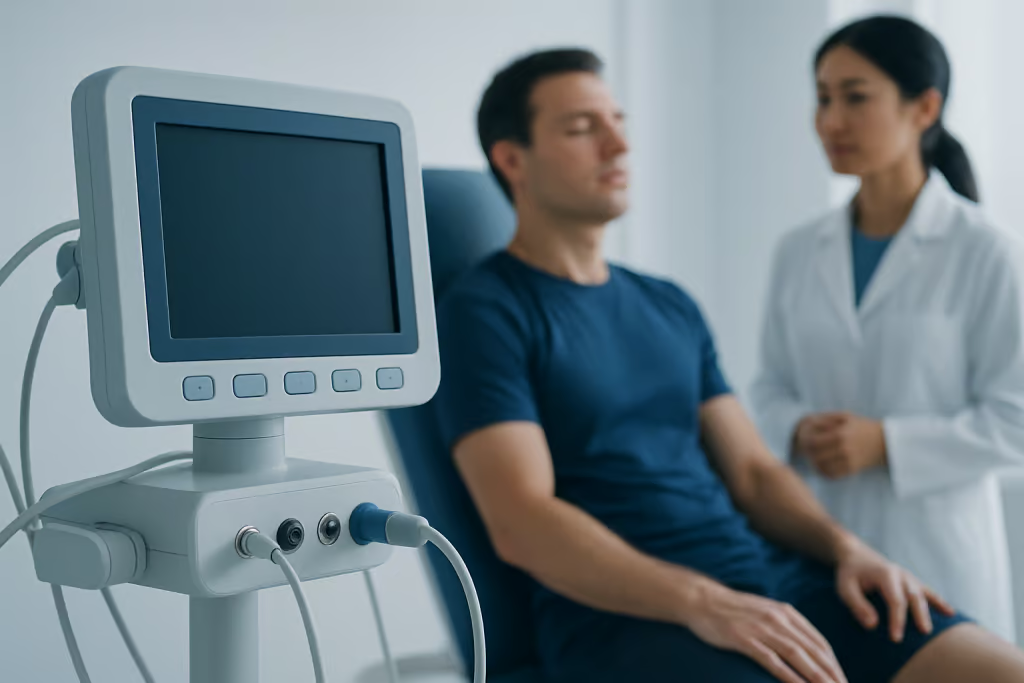
Studies of heat exposure suggest that sauna use can produce a short-term sense of relaxation and well-being. Heat may also help some people feel less stiff or sore after exercise, partly by changing pain perception and promoting relaxation. This is a symptom-related benefit rather than proof that damaged muscle tissue repairs more quickly.
Small studies have explored sauna bathing after endurance or resistance exercise. Some findings suggest possible effects on heat adaptation, plasma volume, and endurance capacity when sauna exposure is used repeatedly alongside training. These studies are generally limited in size and may involve trained participants, structured protocols, and repeated sessions rather than occasional post-workout sauna use.
Regular sauna bathing has also been associated in observational research with certain long-term cardiovascular health outcomes. Association does not prove cause and effect: people who use saunas regularly may differ from non-users in exercise habits, access to care, social factors, or other health behaviors. These findings should not be interpreted as a reason to begin sauna use for disease prevention without discussing personal risks with a clinician.
For most healthy adults, the best-supported practical conclusion is modest: a sauna may be enjoyable and may help a person feel recovered, but it should not be presented as a medical treatment or a proven performance-enhancing intervention.
What sauna use does not reliably do

Sweating is the body’s way of helping regulate temperature; it is not a special method of removing toxins after exercise. The liver, kidneys, lungs, and digestive system process and eliminate many waste products. Sweat contains mostly water and electrolytes, with only small amounts of other substances.
Sauna-related weight loss is also temporary. A lower number on the scale after a session almost always reflects fluid loss through sweat, not body-fat loss. Replacing fluids will restore much of that weight. Deliberately using heat to make weight for sport can be dangerous and should be managed only with qualified sports medicine guidance.
Current evidence does not establish that a sauna reliably prevents delayed-onset muscle soreness, clears lactate faster in a meaningful way, prevents injuries, or restores strength and power by the next training session. Lactate levels naturally decline after exercise, and muscle recovery depends on multiple factors beyond circulation or sweating.
A sauna cannot compensate for inadequate sleep, under-fueling, dehydration, overtraining, or an injury. Persistent pain, swelling, weakness, or reduced function should be assessed rather than repeatedly treated with heat.
How to use a sauna after exercise more safely
After exercise, it is sensible to allow the heart rate and breathing to settle before entering a sauna. A brief cool-down, changing out of damp clothing, and drinking fluids can make the transition more comfortable. People should avoid entering a sauna while dizzy, overheated, severely fatigued, nauseated, or already dehydrated.
There is no single ideal session length or temperature for everyone. Starting with a shorter session and leaving promptly if uncomfortable is safer than trying to tolerate intense heat. Drinking according to thirst before and after the sauna is appropriate for many people; those who have exercised heavily, sweated substantially, or trained in hot conditions may also need to replace electrolytes through food or suitable drinks.
Alcohol, recreational drugs, and sauna use are an unsafe combination because they can impair judgment, increase dehydration, and raise the risk of fainting or injury. It is also wise to avoid combining a sauna with other heat exposures, such as a hot bath or steam room, when already fatigued from a demanding workout.
People should use a clean, well-maintained facility and avoid prolonged heat exposure alone. Cooling down gradually afterward and stopping activity for the day if symptoms develop are practical precautions. A sauna session should feel tolerable, not like a test of endurance.
Side effects, medicines, and who should avoid sauna use
Common short-term effects include heavy sweating, thirst, headache, light-headedness, tiredness, and a temporary fall in blood pressure. Standing up quickly after a sauna can trigger dizziness or fainting, especially after a hard workout. Rarely, excessive heat exposure can contribute to heat exhaustion or more serious heat illness.
People with cardiovascular disease should ask their doctor whether sauna use is appropriate. Stable, well-managed cardiovascular conditions do not automatically rule it out, but recent chest pain, unstable angina, uncontrolled blood pressure, severe valve disease, serious rhythm problems, or recent cardiac events require individualized medical advice. Anyone with known heart failure should discuss heat exposure with their treating team.
Extra caution is also needed for people with kidney disease, a history of fainting, poorly controlled diabetes, neuropathy that reduces heat awareness, seizure disorders, acute infection or fever, severe skin conditions affected by heat, or dehydration from vomiting or diarrhea. Pregnancy, older age, and limited ability to sense or communicate overheating are additional reasons to seek clinical advice before using a sauna.
Some medicines can affect hydration, sweating, heart rate, or blood pressure. Examples include diuretics, blood pressure medicines, certain antidepressants, stimulant medicines, sedatives, and drugs with anticholinergic effects. A pharmacist or prescribing clinician can review whether a person’s medicines create specific heat-related risks.
Where sauna fits in a practical recovery plan
For a healthy, hydrated adult, sauna bathing can be an optional comfort measure after exercise. It may be most useful when viewed as time to relax rather than a required recovery tool. A person can choose it based on preference, tolerance, available time, and how they feel after training.
More established recovery practices include gradually progressing training load, eating enough overall energy, consuming regular meals with protein and carbohydrate appropriate to activity, replacing fluids, and getting sufficient sleep. Light movement on recovery days may help some people manage stiffness. These approaches are generally more important than any single passive recovery method.
Heat may not be the best choice after every workout. After training in high temperatures, prolonged endurance events, intense interval sessions, or exercise associated with marked sweating, the first priorities are cooling, fluids, and rest. If rapid recovery is needed for another event on the same day, individualized advice from a sports medicine professional may be helpful.
For people whose exercise is limited by pain or repeated injuries, assessment and a targeted rehabilitation plan are more useful than relying on sauna sessions. Acibadem International’s multidisciplinary specialists and JCI-accredited hospitals can evaluate exercise-related symptoms and support international patients who need diagnosis or treatment planning.
When to seek medical care
A person should leave the sauna immediately and cool down in a safe place if they develop dizziness, fainting, confusion, severe headache, nausea, chest discomfort, unusual shortness of breath, palpitations, weakness, or muscle cramps that do not settle. They should not drive if they feel faint or unwell.
Urgent medical assessment is needed for chest pain, fainting, confusion, severe breathing difficulty, persistent vomiting, or symptoms of heat illness. These symptoms should not be assumed to be a normal consequence of exercise or sauna use, particularly in someone with a known heart condition.
A non-urgent medical appointment is appropriate for repeated light-headedness in heat, exercise intolerance, recurrent palpitations, unexplained swelling, ongoing muscle pain, or concerns about using a sauna with a health condition or medication. A clinician can help determine whether sauna bathing is suitable and whether any symptoms need further evaluation.
Frequently asked questions
Is it good to use a sauna immediately after a workout?
It can be suitable for some healthy, well-hydrated adults, but it is generally better to cool down first and allow breathing and heart rate to settle. Anyone who feels dizzy, very hot, nauseated, unusually tired, or dehydrated should skip the sauna and focus on cooling and fluids.
Does a sauna reduce muscle soreness after exercise?
A sauna may help some people feel more relaxed and may temporarily reduce the perception of muscle soreness or stiffness. Evidence does not show that it consistently prevents delayed-onset muscle soreness or repairs muscle damage faster.
Does sweating in a sauna detox the body?
No. Sweat mainly helps regulate body temperature and contains mostly water and electrolytes. The liver and kidneys are the main organs responsible for processing and eliminating many substances from the body.
Can sauna use help with weight loss after exercise?
Any immediate weight change after a sauna is usually water loss from sweating. This returns after rehydration, and sauna use should not be considered a fat-loss method or a substitute for sustainable nutrition and activity habits.
Should people drink water before and after a sauna?
Yes, maintaining hydration is important because both exercise and sauna use increase fluid loss. Drinking according to thirst is reasonable for many people, while longer or very sweaty workouts may require additional fluids and electrolytes.
Who should not use a sauna after exercise?
People who are dehydrated, febrile, intoxicated, or experiencing dizziness, chest symptoms, or unusual breathlessness should not use a sauna. Those with heart disease, kidney disease, low blood pressure, pregnancy, or medicines that affect fluid balance or blood pressure should ask a clinician for individualized advice.
References
- American Heart Association
- American College of Sports Medicine
- Mayo Clinic
- National Institutes of Health
- International Journal of Circumpolar Health
This article is for general information only and is not a substitute for professional medical advice. Please consult a qualified doctor about your individual situation.
Heart care in Turkey — expert evaluation and treatment
JCI-accredited · board-certified surgeons · reply within 24h
Add us as a Preferred Source to see more of our trusted health content across Google Search, AI Overviews and Discover.
Check your numbers in seconds
BMI, calories, due date, blood pressure and 30+ more clinical calculators — free, instant, doctor-reviewed ranges.