Legs Up the Wall: A Complete Medical Overview
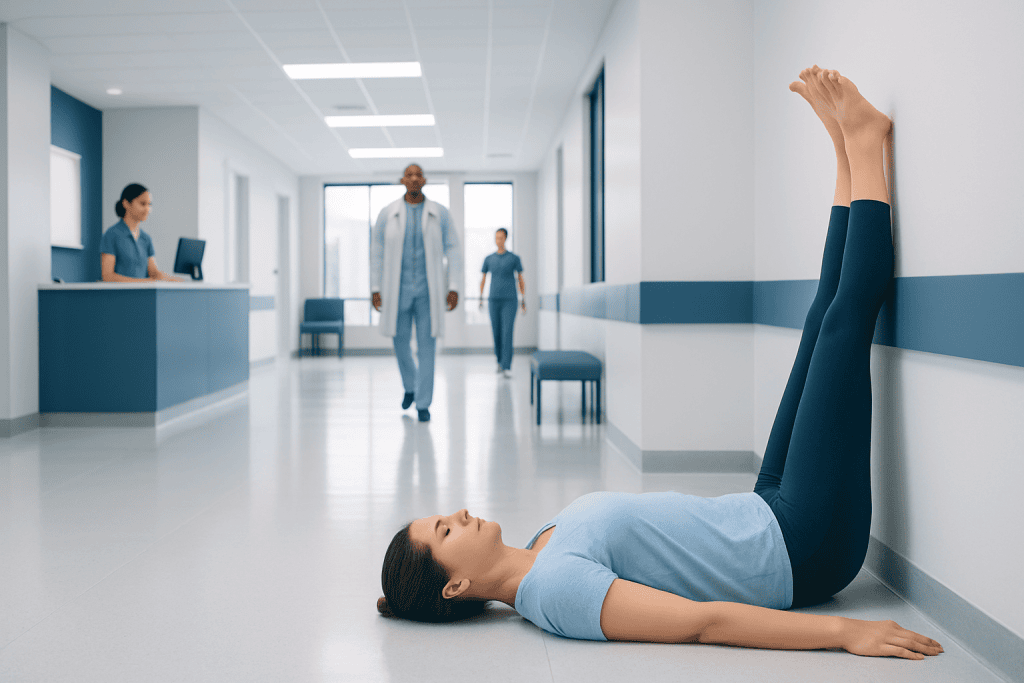
Legs up the wall is a low-intensity restorative position often used for relaxation and temporary comfort. Elevating the legs may help reduce mild dependent swelling and leg heaviness after long periods of sitting or standing.
Key Takeaways
- Legs up the wall is a low-intensity restorative position often used for relaxation and temporary comfort.
- Elevating the legs may help reduce mild dependent swelling and leg heaviness after long periods of sitting or standing.
- Research specifically on this pose is limited, so benefits should not be overstated.
- People with certain eye, heart, breathing, spine, or circulation conditions should ask a clinician before trying it.
- New one-sided leg swelling, pain, redness, chest pain, or shortness of breath needs urgent medical assessment.
Legs up the wall is a gentle position in which a person lies on their back with their legs supported vertically against a wall or on another raised surface. It may temporarily relieve the feeling of tired, heavy legs and encourage relaxation, but it is not a treatment for circulation problems, swelling, or other medical conditions.
Overview: What Is Legs Up the Wall?
Legs up the wall, sometimes called a restorative yoga position, involves lying on the back and placing the legs vertically against a wall. The hips may rest close to the wall or slightly away from it, often on a folded blanket or firm cushion. The position is usually held comfortably for several minutes while breathing slowly and allowing the muscles to relax.
Many people use legs up the wall after travel, desk work, prolonged standing, exercise, or at the end of the day. Raising the feet above the level of the heart can temporarily change how fluid is distributed in the lower limbs. This may lessen the sensation of heaviness or mild ankle puffiness that develops from gravity and inactivity. It can also be a quiet, low-effort way to rest.
It is important to view the pose realistically. It is not a cure for varicose veins, lymphedema, blood clots, chronic swelling, high blood pressure, insomnia, or anxiety disorders. Evidence specifically studying legs up the wall is limited; its likely value is mainly as a comfortable form of rest, gentle positioning, and relaxation within an overall healthy routine.
Potential Benefits and What the Evidence Suggests
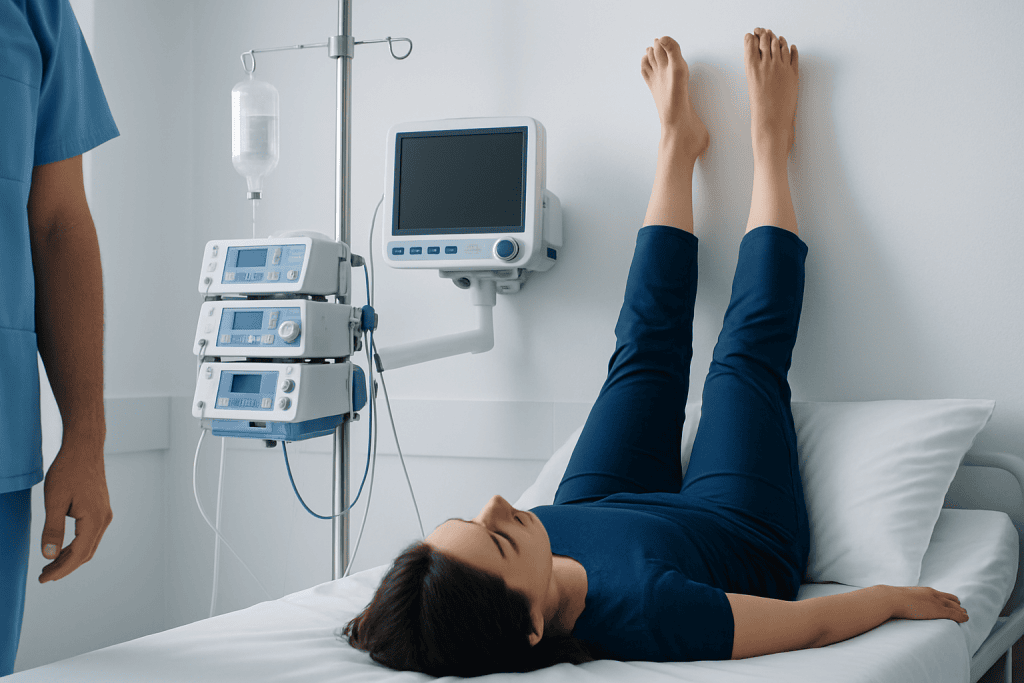
When a person has been sitting or standing for a long time, fluid can collect around the feet and ankles. Brief leg elevation may support the return of fluid from the lower legs and can provide temporary comfort for mild, activity-related swelling. This is one reason clinicians may suggest elevating the legs as part of self-care for uncomplicated tired or swollen legs, alongside regular movement and addressing the underlying cause when needed.
The stillness of legs up the wall may also promote relaxation. Slow breathing, reduced physical effort, and a calm environment can help the body shift away from a stressed or busy state. Some people find the position soothing before sleep. However, it should not be considered a proven treatment for insomnia, depression, chronic stress, or an anxiety condition. Persistent sleep or mental health concerns deserve appropriate professional support.
For people who exercise, the pose can feel pleasant after activity because it provides rest without requiring intense stretching. It should not replace a cool-down, hydration, adequate recovery, or assessment of an injury. There is no strong evidence that simply placing the legs up a wall removes exercise-related “toxins,” prevents delayed-onset muscle soreness, or substantially improves athletic performance.
How to Do the Position Safely
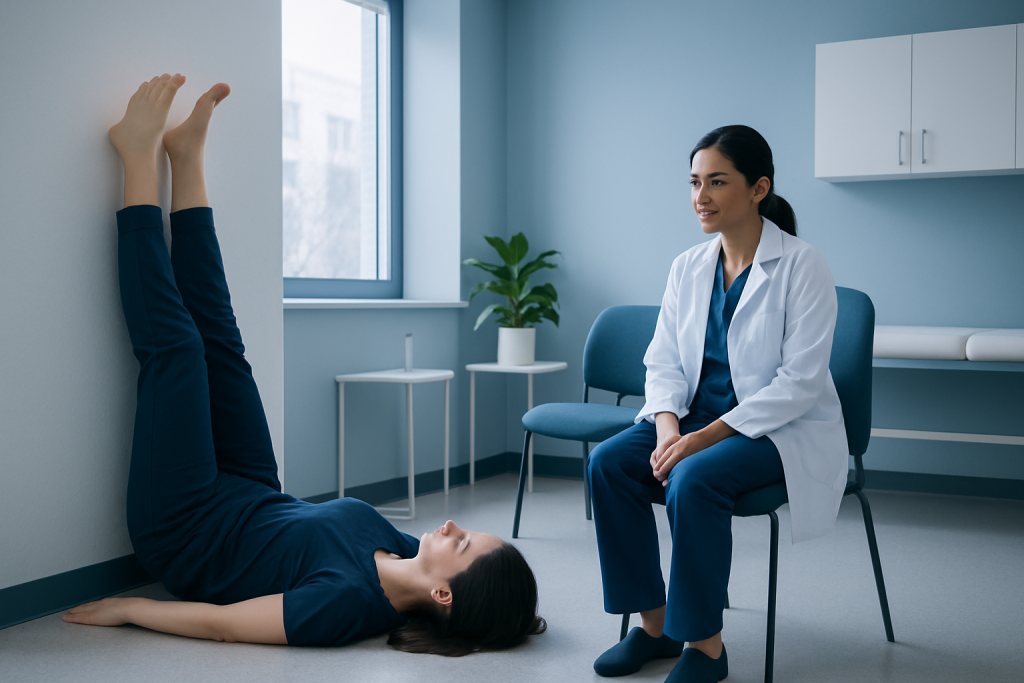
A person can begin by choosing a clear space beside a wall, preferably on a firm but comfortable surface. They may sit sideways with one hip near the wall, then gently lower the torso onto the floor while turning to bring both legs up the wall. The arms can rest by the sides, on the abdomen, or out in a comfortable position. A folded blanket under the head may help maintain a neutral neck position.
The hips do not need to touch the wall. Moving slightly farther away creates a gentler angle at the hips and knees and may be more comfortable for people with tight hamstrings, hip discomfort, or low back sensitivity. A cushion under the pelvis can feel supportive for some people, but it should be avoided if it causes back strain, pressure, or a feeling of being overly inverted. The knees may also be softly bent rather than locked straight.
There is no single required duration. Starting with about three to five minutes is reasonable, then increasing gradually if the position remains comfortable. A person should come out slowly by bending the knees, rolling onto one side, pausing, and then sitting up. Stopping is appropriate if there is dizziness, nausea, headache, increased pain, numbness, tingling, visual symptoms, breathlessness, or any uncomfortable pressure.
- Use calm, unforced breathing rather than holding the breath.
- Avoid forcing the legs straight or pushing the hips close to the wall.
- Choose a stable surface and leave enough space to move safely in and out of the position.
- Do not use the pose as a way to ignore persistent leg symptoms.
Who Should Use Caution or Avoid It?
Although legs up the wall is often gentle, having the legs elevated can be uncomfortable or unsuitable for some people. Anyone with a condition that may be affected by changes in body position should seek individualized advice from a qualified clinician. This is particularly important for people with significant heart disease, uncontrolled high blood pressure, severe breathing problems, or conditions that make lying flat difficult.
People with glaucoma, retinal disease, or a recent eye procedure should ask their eye specialist before practicing positions that elevate the legs or involve even mild inversion. Depending on the condition, these positions may increase pressure in the eye. Those with a recent surgery, spinal injury, painful hip condition, severe arthritis, balance difficulties, or a condition that causes dizziness should also discuss safer alternatives with their healthcare team.
Pregnancy is not automatically a reason to avoid gentle leg elevation, but comfort and individual medical circumstances matter. Later in pregnancy, lying flat on the back can make some people lightheaded or unwell. A side-lying rest position or legs supported on a chair may be more appropriate. Anyone with a high-risk pregnancy, blood pressure concerns, marked swelling, or symptoms such as headache or visual changes should contact their maternity care provider rather than relying on home positioning.
Leg Swelling: When Elevation Is Not Enough
Mild swelling in both lower legs after travel, heat, prolonged standing, or a sedentary day may improve with movement and short periods of elevation. However, swelling has many possible causes, including vein problems, medication effects, injury, heart, kidney, liver, or thyroid conditions, and lymphatic disorders. Recurrent or persistent swelling should be assessed so that management is directed at the cause rather than symptoms alone.
Varicose veins and chronic venous insufficiency can cause aching, heaviness, itching, skin changes, and swelling that tends to worsen later in the day. Leg elevation may be one supportive measure, but medical assessment can clarify whether compression, exercise changes, medication review, or a procedure is appropriate. Compression garments are not suitable for every person, particularly when there is significant peripheral artery disease, so they should be selected with professional guidance.
A blood clot in a deep vein, known as deep vein thrombosis, can cause swelling, warmth, tenderness, or pain in one leg, though symptoms vary. Legs up the wall should not be used to self-treat a suspected clot. Prompt assessment is important because a clot can have serious complications if it travels to the lungs. Similarly, sudden or unexplained swelling should not be assumed to be a routine consequence of sitting or standing.
Making It Part of Healthy Daily Movement
For people who enjoy it and have no relevant contraindications, legs up the wall may fit into a broader self-care routine. It can be used after a workday, during a break after long travel, or as a short wind-down practice. The greatest benefit is likely to come from pairing it with regular movement rather than remaining inactive for most of the day.
Simple habits can support leg comfort and circulation: changing position frequently, walking regularly, gently moving the ankles and calves during long periods of sitting, staying hydrated according to individual health needs, and wearing comfortable footwear. During long journeys, it is helpful to stand and walk when possible. People at increased risk of blood clots, including those with prior clots or recent surgery, should ask a clinician about travel-specific prevention.
Leg elevation can also be done with the calves supported on pillows or a chair, which may be easier for people who cannot comfortably get to the floor. The best position is one that allows relaxed breathing and does not worsen symptoms. Acibadem International’s multidisciplinary specialists and JCI-accredited hospitals can assess persistent leg symptoms and help international patients understand appropriate diagnostic and treatment options.
When to Seek Medical Care
Medical advice is appropriate for leg swelling that is persistent, worsening, recurrent, unexplained, or associated with skin color changes, sores, prominent veins, pain, or reduced mobility. A clinician should also review swelling that begins after a new medication, follows an injury, or occurs in a person with known heart, kidney, liver, thyroid, or vascular disease.
Urgent medical assessment is needed for new swelling in one leg, especially when it is painful, warm, red, or tender. Emergency care is needed for chest pain, sudden shortness of breath, coughing up blood, fainting, or a rapid heartbeat, particularly if these occur alongside leg symptoms. These signs can indicate a potentially serious problem and should not be managed at home with elevation or exercise.
It is also sensible to speak with a healthcare professional if legs up the wall consistently causes headache, dizziness, eye discomfort, numbness, back pain, or breathing difficulty. A clinician or physiotherapist can suggest modifications or identify another cause of symptoms. Gentle practices are most useful when they are comfortable, safe, and part of care that addresses the person’s overall health needs.
Frequently asked questions
How long should legs up the wall be held?
There is no medically required duration. Many people begin with three to five minutes and may gradually work up to around 10 to 15 minutes if they remain comfortable. It is best to stop sooner if discomfort, dizziness, pain, numbness, or breathlessness develops.
Does legs up the wall improve circulation?
Elevating the legs can temporarily reduce the effects of gravity on fluid in the lower limbs and may relieve a feeling of heaviness or mild swelling. It does not correct blocked arteries, damaged veins, or other circulation disorders. Persistent symptoms should be evaluated by a clinician.
Can legs up the wall reduce swollen ankles?
It may help with mild ankle swelling related to prolonged sitting, standing, travel, or heat. However, ankle swelling can also result from medical conditions or medications. New, one-sided, painful, or ongoing swelling needs medical advice.
Is legs up the wall safe before bed?
For many healthy adults, a brief, comfortable session before bed is safe and may feel relaxing. It should not cause strain, breathlessness, or dizziness. People with glaucoma, significant heart or breathing conditions, or difficulty lying flat should first ask their clinician.
Can people with varicose veins do legs up the wall?
Some people with varicose veins find short periods of leg elevation comfortable. It may ease symptoms temporarily, but it does not remove varicose veins or treat their underlying cause. Medical review is recommended for pain, skin changes, ulcers, bleeding veins, or significant swelling.
Can legs up the wall prevent blood clots after flying?
It should not be relied upon to prevent blood clots. During travel, regular walking when possible, calf and ankle movement, and individualized advice for people at increased risk are more important. Anyone who develops one-sided leg swelling or pain after travel should seek prompt medical assessment.
References
- American Heart Association
- National Health Service
- National Institute of Diabetes and Digestive and Kidney Diseases
- American Academy of Ophthalmology
- Centers for Disease Control and Prevention
This article is for general information only and is not a substitute for professional medical advice. Please consult a qualified doctor about your individual situation.
Explore treatments in Turkey — costs, top hospitals & a free quote
JCI-accredited · board-certified surgeons · reply within 24h
Add us as a Preferred Source to see more of our trusted health content across Google Search, AI Overviews and Discover.
Check your numbers in seconds
BMI, calories, due date, blood pressure and 30+ more clinical calculators — free, instant, doctor-reviewed ranges.

More from the Health Library
Norgestimate-ethinyl Estradiol: A Complete Medical Overview
Lubricated Condoms: What Patients Need to Know
Anti-parasitic Medicine: What Patients Need to Know
Head Massage: A Complete Medical Overview
Encens Oil: An Evidence-Based Guide for Patients