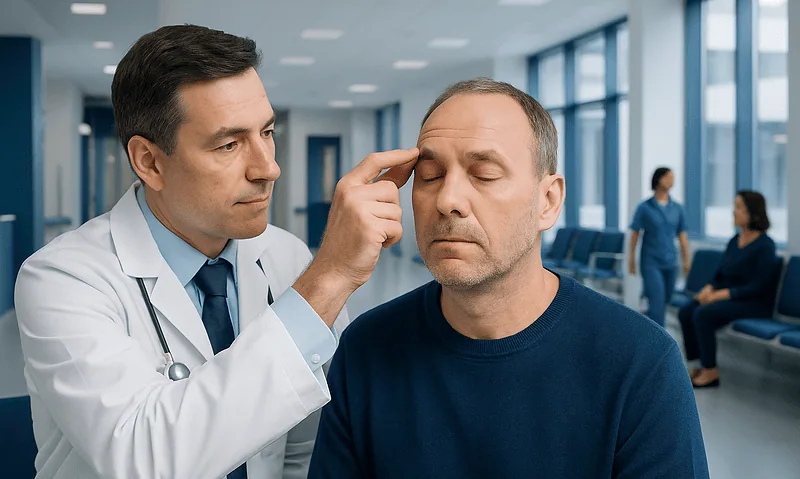
Eye Lash: A Complete Medical Overview

Eyelashes form a protective barrier and can trigger a blinking reflex when touched. Normal eyelash shedding occurs, but noticeable thinning or patchy loss should be assessed if it persists.
Key Takeaways
- Eyelashes form a protective barrier and can trigger a blinking reflex when touched.
- Normal eyelash shedding occurs, but noticeable thinning or patchy loss should be assessed if it persists.
- Common eyelash concerns include inflammation of the eyelid margin, cosmetic-product irritation, and inward-growing lashes.
- Pulling lashes, aggressive rubbing, and poorly cleaned eye cosmetics may contribute to lash damage or eyelid irritation.
- Pain, light sensitivity, vision changes, or a lash rubbing against the eye require prompt medical attention.
An eye lash is a specialized hair that grows along the eyelid margin and helps reduce the amount of dust, sweat, and small particles reaching the eye. Changes in the lashes, including loss, breakage, irritation, or lashes growing toward the eye, can sometimes point to an eyelid, skin, or general health concern.
Eye Lash: What It Is and Why It Matters
An eye lash, also called an eyelash, is a short, firm hair growing from the edge of the upper or lower eyelid. Eyelashes are more than a cosmetic feature: they help limit exposure to airborne dust, small debris, sweat, and bright light. When a lash or another object touches the eyelid margin, it may also trigger a protective blink reflex.
Upper eyelashes are typically longer and more numerous than lower eyelashes. Each lash grows from a hair follicle in the eyelid skin and is supported by small glands that help lubricate the lid margin. Healthy lashes vary naturally in length, color, curl, and density between individuals.
Like scalp hair, eyelashes follow a growth cycle. They grow for a limited period, rest, and eventually shed before a new lash develops from the same follicle. Finding an occasional eyelash on the cheek or pillow is therefore usually normal. Persistent changes in lash appearance, however, may deserve attention because the eyelids and lashes can be affected by skin conditions, inflammation, infections, medications, and mechanical trauma.
The Eyelash Growth Cycle
Eyelashes pass through three main phases: an active growth phase, a transition phase, and a resting phase before shedding. The active growth phase for lashes is much shorter than it is for scalp hair, which is why eyelashes normally remain relatively short. A replacement lash starts growing only after the prior lash has completed its cycle and shed.
Because this cycle is gradual, people generally do not notice normal eyelash turnover. A lash that has been pulled out or lost may take several weeks to begin visibly returning, and full regrowth can take longer. Timing varies according to the individual, the condition of the follicle, age, nutrition, and whether there is underlying eyelid inflammation or injury.
Repeated pulling, traction from false lashes, harsh rubbing during makeup removal, or damage to the follicle can interfere with normal regrowth. In some cases, severe inflammation, scarring, or certain medical treatments can lead to more prolonged lash thinning. It is best not to rely on unproven serums or home remedies when sudden or substantial lash loss occurs; identifying the reason for the change is more important.
Common Eye Lash Changes and Problems
Temporary shedding or breakage may occur after rubbing the eyes, using adhesive false eyelashes, applying extensions, or removing waterproof makeup forcefully. Irritant or allergic reactions to mascara, eyeliner, adhesives, dyes, and lash-lifting products can cause redness, itching, swelling, flaking, and fragile lashes. Products used close to the eye should be stopped if they cause discomfort.
Inflammation along the eyelid margin, often called blepharitis, is another common reason for crusting around the lashes, itching, burning, and a gritty sensation. It may be associated with oily skin, dandruff-like scaling, skin conditions such as seborrheic dermatitis or rosacea, or changes in the normal bacteria on the eyelids. Ongoing eyelid inflammation can contribute to lashes shedding or growing irregularly.
Some lashes may grow inward and touch the surface of the eye. This condition is called trichiasis. A misdirected lash can cause tearing, redness, discomfort, light sensitivity, or the feeling that something is in the eye. Repeated contact can scratch the cornea, the clear front surface of the eye, so a clinician should assess it rather than repeatedly removing lashes at home.
Less commonly, generalized eyelash loss, known medically as madarosis, may be linked to alopecia areata, thyroid disease, nutritional deficiency, chronic skin disorders, infections, or medication effects. Lash loss on one side, patchy loss, or loss combined with scalp hair or eyebrow changes can provide useful clues for a doctor.
Causes and Risk Factors for Eyelash Loss or Irritation
Mechanical stress is a frequent and preventable cause of eyelash breakage. Regularly sleeping in eye makeup, rubbing itchy eyes, using eyelash curlers incorrectly, or pulling at lashes can all damage the hair shaft or loosen lashes from the follicle. Some people develop a repetitive urge to pull hair, including eyelashes, during periods of stress or as part of a body-focused repetitive behavior that may benefit from professional support.
Cosmetic procedures can also carry risks. Lash extensions, adhesive strips, tinting, lifting, and at-home treatments may irritate the eyelids or provoke allergy, particularly when products contain fragrances, preservatives, dyes, or strong adhesives. Poor hygiene may increase the risk of eyelid inflammation. Contact lens wearers should take extra care to avoid getting cosmetic products or adhesive near the eye.
Medical causes are important to consider when symptoms are persistent or widespread. Skin conditions affecting the eyelids, autoimmune hair loss, thyroid disorders, and some infections may affect the lashes. Cancer treatments and certain medications can also alter hair growth. A clinician will consider the pattern of lash changes, accompanying symptoms, personal history, and medications before suggesting tests or treatment.
Assessment and Diagnosis
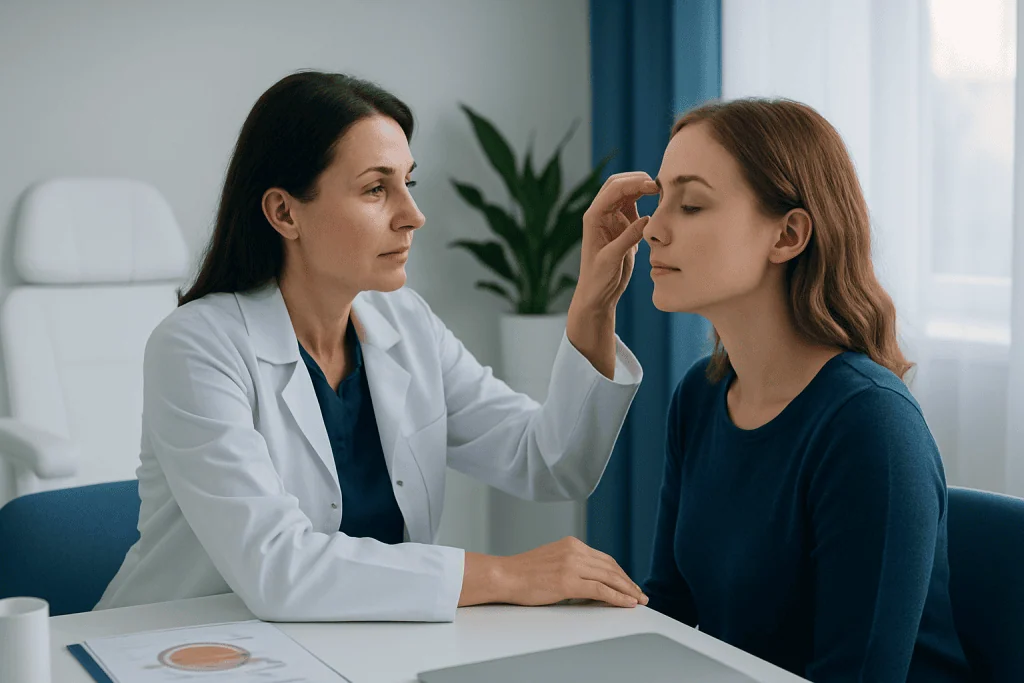
An ophthalmologist, dermatologist, or primary care clinician can evaluate eyelash concerns. The assessment usually begins with questions about when the changes started, whether there is itching, pain, discharge, skin scaling, hair loss elsewhere, recent illness, new cosmetics, and current medicines. Bringing a list or photograph of recently used eye-area products can be helpful when a reaction is suspected.
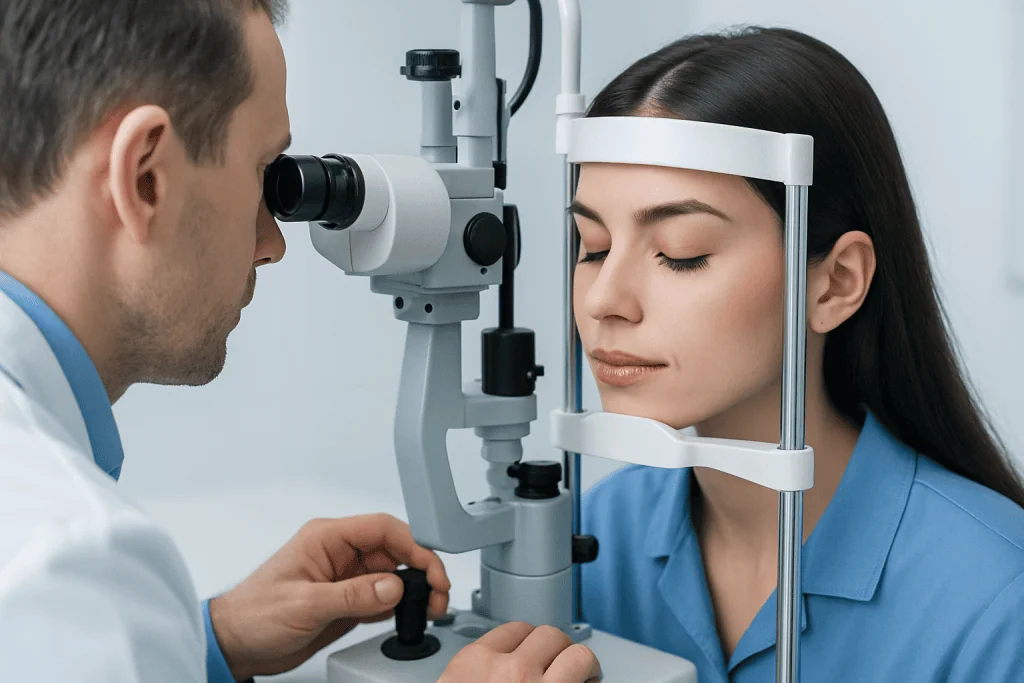
The clinician will examine the eyelid margins, lash direction, skin, tear film, and surface of the eye. They may use magnification and a slit-lamp microscope to look for inflammation, blocked glands, a foreign body, corneal irritation, or lashes that are touching the eye. If there is a recurrent stye, a persistent lump, or a concerning area of lash loss, further examination may be needed.
Blood tests are not required for every person with eyelash shedding. They may be considered if the history suggests an underlying condition, such as thyroid dysfunction, nutritional deficiency, or inflammatory disease. Patch testing may help identify allergic contact dermatitis in selected cases. Accurate diagnosis helps avoid treatments that could worsen irritation or delay needed care.
Care, Treatment and Safe Eyelash Practices
Treatment depends on the cause. For mild eyelid irritation, a clinician may recommend temporarily stopping eye makeup, extensions, and newly introduced products while the skin recovers. Gentle eyelid hygiene can be useful for some people with eyelid-margin inflammation. This generally involves cleaning the lid margins carefully with a product recommended for use around the eyes, while avoiding scrubbing the eye itself.
When blepharitis, allergy, infection, or another eyelid condition is present, treatment may include measures to reduce inflammation or manage the underlying cause. Medication should only be used under professional guidance, especially near the eyes. If a lash is rubbing on the eye, an eye specialist may remove it and discuss longer-lasting options if the problem repeatedly returns.
For everyday lash care, people can reduce breakage by removing eye makeup gently, replacing old cosmetics, avoiding sharing eye products, and washing hands before touching the eyes. False eyelashes and extensions should be applied by trained professionals using appropriate hygiene practices, but they should still be avoided if the eyelids are irritated or if there has been a previous allergic reaction.
Products marketed to enhance eyelash growth may contain active ingredients that can cause redness, itching, darkening of eyelid skin, or changes around the eyes. Anyone considering a medicated lash-growth product should discuss suitability and possible adverse effects with an eye-care professional. A balanced diet and management of any underlying medical condition support overall hair health, but supplements should not be taken solely for lash loss without medical advice.
When to Seek Medical Care
Medical assessment is recommended for persistent eyelash loss, patchy thinning, recurrent eyelid swelling, crusting that does not improve, or redness and itching that continue after stopping suspected cosmetic products. It is also sensible to seek advice if eyebrow or scalp hair loss occurs at the same time, as this may indicate a condition affecting hair growth more broadly.
Prompt eye-care evaluation is important when a lash appears to be growing toward the eye, particularly if there is pain, excessive tearing, light sensitivity, blurred vision, or a persistent foreign-body sensation. These symptoms can occur when the cornea is irritated and should not be managed by attempting repeated self-removal of lashes.
Urgent care is appropriate for sudden vision changes, severe eye pain, marked swelling, an eye injury, chemical exposure, or pus-like discharge. People should avoid using leftover antibiotic or steroid eye drops unless they have been prescribed for the current problem, as inappropriate drops can mask symptoms or cause harm.
Acibadem International’s multidisciplinary specialists and JCI-accredited hospitals can assess eyelid and eye-surface concerns for international patients, coordinating ophthalmology and dermatology care when appropriate.
Frequently asked questions
Is it normal for an eye lash to fall out?
Yes. Eyelashes naturally shed as part of their normal growth cycle, and occasional shedding is usually not concerning. A new lash generally grows from the same follicle over time. Persistent, patchy, or rapidly increasing loss should be evaluated by a clinician.
How long does it take for eyelashes to grow back?
Eyelash regrowth is gradual and varies from person to person. A replacement lash may take weeks to become visible and longer to reach its usual length. Regrowth may be slower if the eyelid is inflamed, the follicle has been repeatedly traumatized, or an underlying condition is present.
Why are my eyelashes itchy and crusty?
Itching and crusting can occur with eyelid-margin inflammation, commonly called blepharitis, or with irritation from cosmetics and skin-care products. Allergies, dry eyes, and some skin conditions can contribute as well. An eye-care professional can determine the cause and recommend safe eyelid care.
Can eyelash extensions damage natural lashes?
Extensions can contribute to irritation, allergic reactions, breakage, or traction-related lash loss in some people. Risk may increase with heavy extensions, strong adhesive, poor hygiene, or repeated application. They should be avoided if the eyes are red, painful, swollen, or prone to allergic reactions.
What should I do if an eyelash is stuck in my eye?
Blinking and rinsing the eye gently with clean water or sterile saline may help a loose lash move out. Avoid rubbing the eye or using tweezers near the eye. If discomfort continues, vision is affected, or the lash seems attached or repeatedly turns inward, an eye-care professional should examine it.
Can stress cause eyelash loss?
Stress may contribute indirectly to hair shedding in some people and can worsen habits such as rubbing or pulling eyelashes. However, noticeable lash loss has many possible causes, including eyelid inflammation, skin conditions, medications, and autoimmune hair loss. Persistent changes should not be assumed to be caused by stress alone.
This article is for general information only and is not a substitute for professional medical advice. Please consult a qualified doctor about your individual situation.
Hair transplant in Turkey — costs, graft counts & a free assessment
JCI-accredited · board-certified surgeons · reply within 24h
Add us as a Preferred Source to see more of our trusted health content across Google Search, AI Overviews and Discover.

More from the Health Library

Hormone Imbalance: An Evidence-Based Guide for Patients
Liquid Poop: A Complete Medical Overview

Senna Laxative: What Patients Need to Know

Low Fat Peanut Butter: An Evidence-Based Guide for Patients

Boogers: What Patients Need to Know