What Is a Missed Miscarriage? Causes, Explanations, and Next Steps

A missed miscarriage means that a pregnancy has stopped developing, although pregnancy tissue may still be in the uterus and symptoms can be minimal or absent. Mild spotting and cramping are common in early pregnancy and do not always mean miscarriage, but they should be discussed with a healthcare professional.
Key Takeaways
- A missed miscarriage means that a pregnancy has stopped developing, although pregnancy tissue may still be in the uterus and symptoms can be minimal or absent.
- Mild spotting and cramping are common in early pregnancy and do not always mean miscarriage, but they should be discussed with a healthcare professional.
- Ultrasound, sometimes repeated after a short interval, is the main way clinicians confirm whether a pregnancy is developing.
- Most early miscarriages happen because of random chromosome changes and are not the pregnant person’s fault.
- After confirmation, expectant management, medication, and a uterine procedure may all be appropriate options depending on clinical needs and personal preferences.
- Urgent assessment is important for heavy bleeding, severe or one-sided pain, fainting, fever, or feeling very unwell.
A missed miscarriage is an early pregnancy loss that may be discovered during an ultrasound before bleeding or cramping begins. It is not caused by ordinary activities, and compassionate medical support can help a person understand the diagnosis and choose next steps.
What is a missed miscarriage?
A missed miscarriage, also called a silent or delayed miscarriage, is an early pregnancy loss in which the pregnancy has stopped developing but the body has not yet passed the pregnancy tissue. Many people have little or no bleeding, cramping, or change in how they feel, so the condition is often identified at a routine ultrasound appointment rather than through symptoms.
In early pregnancy, mild cramping, light spotting, and fluctuations in nausea or breast tenderness are common and often harmless. These symptoms alone cannot confirm a miscarriage. However, bleeding, pain, or a sudden change in pregnancy symptoms deserves medical advice, especially if it is severe or accompanied by dizziness, fever, or shoulder pain. A clinician can assess the situation and arrange appropriate testing.
The term can feel distressing because it describes a loss that may have occurred days or weeks before it is discovered. It does not mean that someone failed to notice something or did anything wrong. A missed miscarriage is a medical diagnosis, and support for both physical recovery and emotional wellbeing is an important part of care.
How a missed miscarriage may feel — and why symptoms vary
Some people continue to have pregnancy symptoms after the pregnancy has stopped developing. This is because pregnancy hormones may remain in the body for a period of time. Others notice that nausea, tiredness, breast tenderness, or other symptoms have lessened, but a reduction in symptoms is not reliable proof of a miscarriage because symptoms naturally vary from day to day.
When symptoms do occur, they can include brown discharge, vaginal spotting, bleeding, menstrual-like cramps, lower back discomfort, or passing fluid or tissue. Bleeding may begin gradually or after a diagnosis has already been made. The amount can range from light to heavier than a usual period.
It is important not to try to determine the cause based on symptoms alone. Similar symptoms can occur in a continuing pregnancy, a pregnancy of uncertain location, or an ectopic pregnancy. A healthcare professional should evaluate bleeding or pain in pregnancy and provide clear instructions about when urgent care is needed.
- Light spotting without pain should be reported to a maternity care team or doctor.
- Heavy bleeding that soaks pads rapidly, severe abdominal pain, fainting, or shoulder-tip pain needs urgent assessment.
- Fever, chills, foul-smelling discharge, or worsening pain can indicate infection and also needs prompt medical attention.
Why missed miscarriages happen

Most miscarriages in the first trimester are related to random chromosome differences that occur when the embryo forms. These changes usually prevent normal development and are not inherited from either parent. In most cases, they are isolated events rather than a sign that a person cannot have a healthy pregnancy in the future.
Age can affect the likelihood of chromosome-related pregnancy loss, because chromosome changes become more common as eggs age. Certain health conditions, including poorly controlled diabetes, significant thyroid disease, some uterine differences, blood-clotting disorders, and autoimmune conditions, may also be relevant in selected cases. Smoking, heavy alcohol use, and some drug exposures can increase pregnancy risks, but a clinician should assess individual circumstances rather than assume a cause.
Everyday activities do not cause a missed miscarriage. Exercise within usual limits, working, having sex, travelling, lifting ordinary items, feeling stressed, or experiencing an argument are not considered causes of typical early pregnancy loss. After one miscarriage, extensive testing is not routinely necessary for everyone; clinicians may recommend further assessment after recurrent losses or when a medical history suggests a specific concern.
How doctors confirm the diagnosis
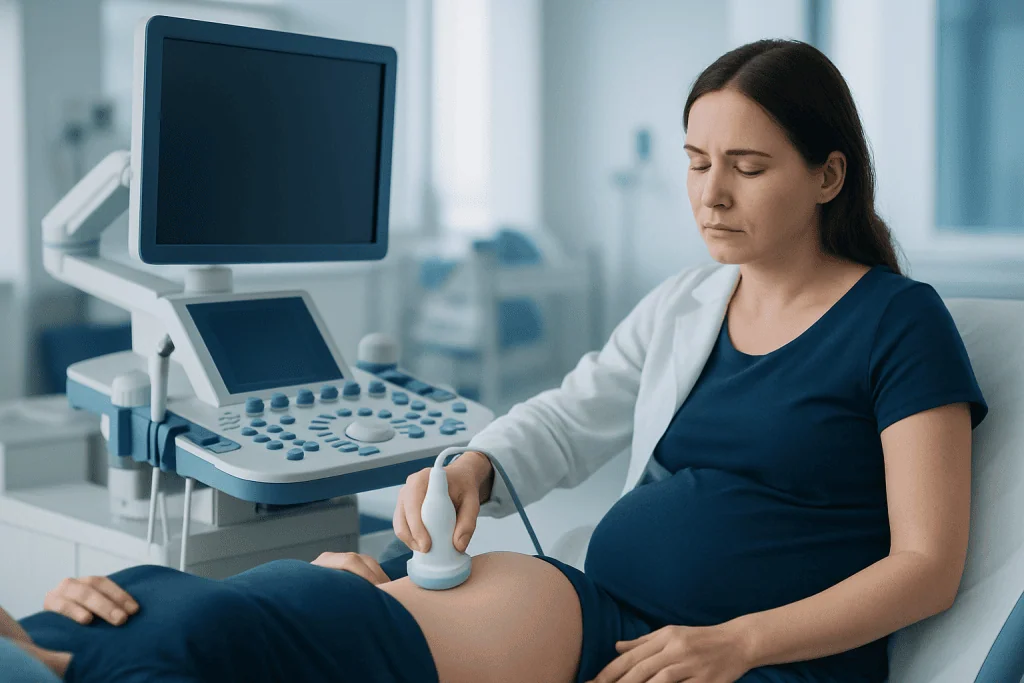
Ultrasound is the main test used to diagnose a missed miscarriage. In early pregnancy, a transvaginal ultrasound often gives the clearest view of the uterus and can show the gestational sac, embryo, and whether cardiac activity is present. The clinician interprets the scan using established measurements and pregnancy dating information.
When dates are uncertain or the pregnancy is very early, one scan may not provide a definite answer. In that situation, repeating the ultrasound after an appropriate interval is often the safest approach. This helps avoid diagnosing a loss before there has been enough time to see expected development. A clinician may also arrange blood tests measuring human chorionic gonadotropin (hCG), usually as part of the wider clinical assessment rather than as the only diagnostic test.
The doctor will ask about the first day of the last menstrual period, previous scans, symptoms, medications, medical conditions, and past pregnancies. They may perform an examination if needed. If the location of the pregnancy is unclear, prompt follow-up is especially important to exclude ectopic pregnancy, which requires different care.
Next steps after a confirmed missed miscarriage
Once a missed miscarriage is confirmed, the care team will explain the available options. The best choice depends on how far along the pregnancy is, whether there is heavy bleeding or infection, medical history, access to follow-up, and the person’s preferences. Unless urgent treatment is medically necessary, there is often time to ask questions and consider which approach feels most manageable.
Expectant management means waiting for the body to pass the pregnancy tissue naturally. It may take days or sometimes longer, and bleeding and cramping can be unpredictable. The care team should explain what to expect, how pain can be managed, when to take a pregnancy test or return for review, and the symptoms that require urgent contact.
Medical management uses prescribed medicines to help the uterus empty. It usually causes cramping and bleeding and requires clear safety-net instructions and follow-up to confirm completion. Surgical management, commonly suction evacuation of the uterus, is an option when bleeding is heavy, infection is suspected, medical treatment has not worked, a quicker resolution is preferred, or there are other clinical reasons. Each method is generally effective when appropriately selected and supervised.
Blood group testing may be offered, as some people with Rh-negative blood may need anti-D immunoglobulin after pregnancy loss, depending on gestation and local clinical guidance. The care team can also discuss whether testing of pregnancy tissue is appropriate; this is more commonly considered after recurrent losses or in particular clinical circumstances.
Recovery, future pregnancy, and emotional support
Physical recovery varies. Bleeding may continue for up to a few weeks, gradually becoming lighter, and menstrual periods often return within several weeks. A person should follow their clinician’s advice about pain relief, sexual activity, swimming, tampon use, and follow-up. A repeat ultrasound, pregnancy test, or blood test may be used to confirm that the miscarriage is complete.
Grief after miscarriage can include sadness, numbness, anger, guilt, anxiety, or relief; there is no single expected response. Partners and family members may grieve differently. Speaking with a trusted doctor, midwife, counsellor, pregnancy-loss support group, or mental health professional can be helpful, particularly when distress is persistent or affects daily life.
Many people can try for pregnancy again after they feel physically and emotionally ready, unless their doctor advises waiting for a medical reason. Starting or continuing folic acid before conception, avoiding smoking and alcohol, and reviewing long-term medicines with a clinician are sensible pre-pregnancy steps. A miscarriage does not usually mean that a future healthy pregnancy is unlikely.
For international patients, Acibadem International’s multidisciplinary specialists and JCI-accredited hospitals can provide assessment, pregnancy-loss care, and follow-up planning in an appropriate clinical setting.
When to seek medical care
Anyone who suspects a miscarriage, has bleeding in pregnancy, or has concerns about changing pregnancy symptoms should contact their obstetrician, midwife, family doctor, or an early pregnancy service. Early review does not always mean something is wrong, but it allows a clinician to check the pregnancy location and development and provide reassurance or timely treatment.
Emergency medical care is needed for bleeding that is very heavy or rapidly increasing, severe pelvic or abdominal pain, one-sided pain, shoulder-tip pain, fainting, marked dizziness, shortness of breath, fever, chills, or foul-smelling vaginal discharge. These signs can be associated with significant blood loss, infection, or ectopic pregnancy and should not be managed at home.
After treatment or expectant management, medical advice is also needed if bleeding becomes heavier after initially improving, pain is not controlled with the recommended plan, a pregnancy test remains positive when follow-up instructions indicate it should be repeated, or there are worries about emotional wellbeing. A care team can explain what is expected during recovery and arrange further support when needed.
Frequently asked questions
Can a missed miscarriage have no symptoms?
Yes. A missed miscarriage may cause no noticeable symptoms, which is why it is sometimes found during a routine ultrasound. Pregnancy hormones can remain elevated for a time, so nausea, breast tenderness, or tiredness may continue even after development has stopped.
Does spotting always mean a missed miscarriage?
No. Light spotting is relatively common in early pregnancy and can occur for several reasons, including changes in the cervix. Because bleeding can also be a sign of miscarriage or ectopic pregnancy, it should be discussed with a healthcare professional.
Can a doctor be certain after one ultrasound?
Sometimes an ultrasound gives clear findings that confirm a pregnancy loss. If the pregnancy may be earlier than expected or the findings are not definitive, the doctor will usually recommend a repeat scan after an appropriate interval before making the diagnosis.
Did stress, exercise, or sex cause the missed miscarriage?
Ordinary stress, exercise, work, travel, and sex are not considered causes of most early miscarriages. Most are linked to random chromosome changes during early development, which are outside anyone’s control.
How long can a missed miscarriage remain in the body?
The timing varies widely. Some people begin bleeding and passing tissue soon after the pregnancy stops developing, while others do not have symptoms until the diagnosis is made or treatment is started. A clinician can discuss safe monitoring and treatment options.
Is surgery always needed for a missed miscarriage?
No. Depending on the clinical situation, a person may choose to wait for natural passage, use prescribed medication, or have a surgical procedure. Urgent surgery may be advised if there is heavy bleeding, infection, or another medical concern.
References
- American College of Obstetricians and Gynecologists
- National Institute for Health and Care Excellence
- Royal College of Obstetricians and Gynaecologists
- World Health Organization
This article is for general information only and is not a substitute for professional medical advice. Please consult a qualified doctor about your individual situation.
Persistent digestive symptoms? Get evaluated in Turkey
JCI-accredited · board-certified surgeons · reply within 24h
Add us as a Preferred Source to see more of our trusted health content across Google Search, AI Overviews and Discover.

More from the Health Library



Related Specialists

Dr. Güzide Özdil
Radiology
Dr. Mustafa Demir
Ophthalmology
Asst. Prof. Dr. Ceyda Çaytemel
Dermatology
Dr. Aydan Angay
Pediatric Neurology