Bloated Sore Lower Stomach: An Evidence-Based Guide for Patients

Gas, constipation, dietary changes, and temporary digestive infections are frequent causes of lower abdominal bloating and soreness. The location, timing, severity, bowel or urinary changes, and relation to meals or menstruation can help identify the likely cause.
Key Takeaways
- Gas, constipation, dietary changes, and temporary digestive infections are frequent causes of lower abdominal bloating and soreness.
- The location, timing, severity, bowel or urinary changes, and relation to meals or menstruation can help identify the likely cause.
- Sudden severe pain, fever, repeated vomiting, a swollen rigid abdomen, bleeding, or possible pregnancy with pain require urgent medical assessment.
- Persistent, recurrent, or unexplained symptoms should be discussed with a qualified clinician rather than managed indefinitely at home.
- Gentle dietary adjustments, hydration, regular movement, and attention to bowel habits may help when symptoms are mild and no warning signs are present.
A bloated sore lower stomach commonly results from trapped gas, constipation, food-related digestive upset, or a short-term infection. Because lower abdominal discomfort can also involve the bowel, bladder, or reproductive organs, the pattern of symptoms and any warning signs help determine when medical care is needed.
Overview: Why the Lower Stomach Can Feel Bloated and Sore
A bloated sore lower stomach means there is a sensation of fullness, pressure, swelling, cramping, or tenderness in the lower part of the abdomen. It is a common symptom rather than a diagnosis. In many people, it is linked to gas moving through the bowel, constipation, a change in eating habits, or a short-lived gastrointestinal illness.
The lower abdomen contains parts of the small and large intestine, the bladder, and—depending on a person’s anatomy—the uterus, ovaries, fallopian tubes, or prostate. As a result, symptoms can arise from digestive, urinary, or reproductive health conditions. The same person may also experience more than one contributing factor, such as constipation that worsens bloating around menstruation.
Most mild episodes improve within a short time, especially when there is an identifiable trigger and symptoms are easing. However, pain that is intense, localizes to one side, continues to worsen, or occurs with concerning symptoms should not be assumed to be simple gas. A healthcare professional can assess the full symptom pattern and recommend appropriate testing or treatment when needed.
Symptom Patterns That Can Offer Useful Clues
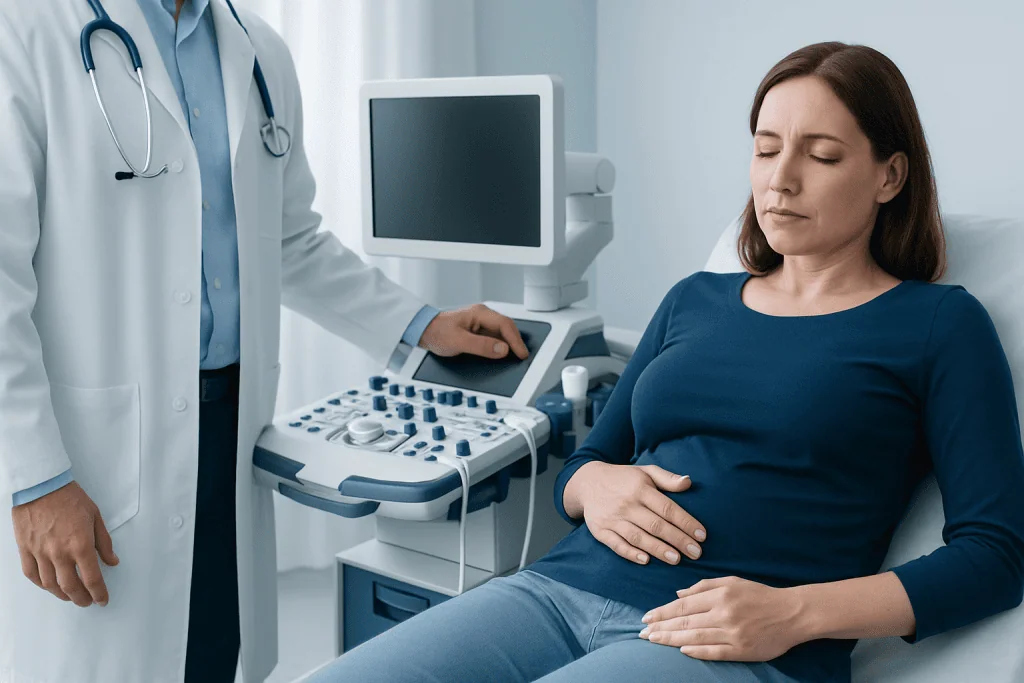
It can be helpful to notice exactly where the soreness is felt and what seems to bring it on. Cramping that comes and goes with gas or a bowel movement may suggest an intestinal cause. A sense of incomplete emptying, hard stools, or fewer bowel movements can point toward constipation. Symptoms after meals, particularly after carbonated drinks or certain carbohydrates, may reflect food-related gas production or sensitivity.
Lower abdominal discomfort may also occur with diarrhea, nausea, urgency to use the bathroom, or changes in stool appearance. These features can occur with viral or bacterial digestive infections, food intolerance, inflammatory bowel conditions, or functional bowel disorders such as irritable bowel syndrome. Irritable bowel syndrome typically involves recurrent abdominal pain associated with bowel habit changes, but a clinician should make the diagnosis after considering other causes.
Urinary symptoms deserve attention. Burning with urination, needing to pass urine more often, urgency, cloudy urine, or pain above the pubic bone may occur with a urinary tract infection. In people who menstruate, bloating and lower abdominal aching can be related to the menstrual cycle, but new, severe, or progressively worsening pelvic pain should be assessed.
- Keep track of when symptoms started and whether they are improving or worsening.
- Note bowel changes, including constipation, diarrhea, blood, mucus, or black stools.
- Record urinary symptoms, menstrual timing where relevant, recent travel, illnesses, and major dietary changes.
- Consider whether pain is generalized, central, right-sided, left-sided, or felt deep in the pelvis.
Common Causes and Important Conditions to Consider
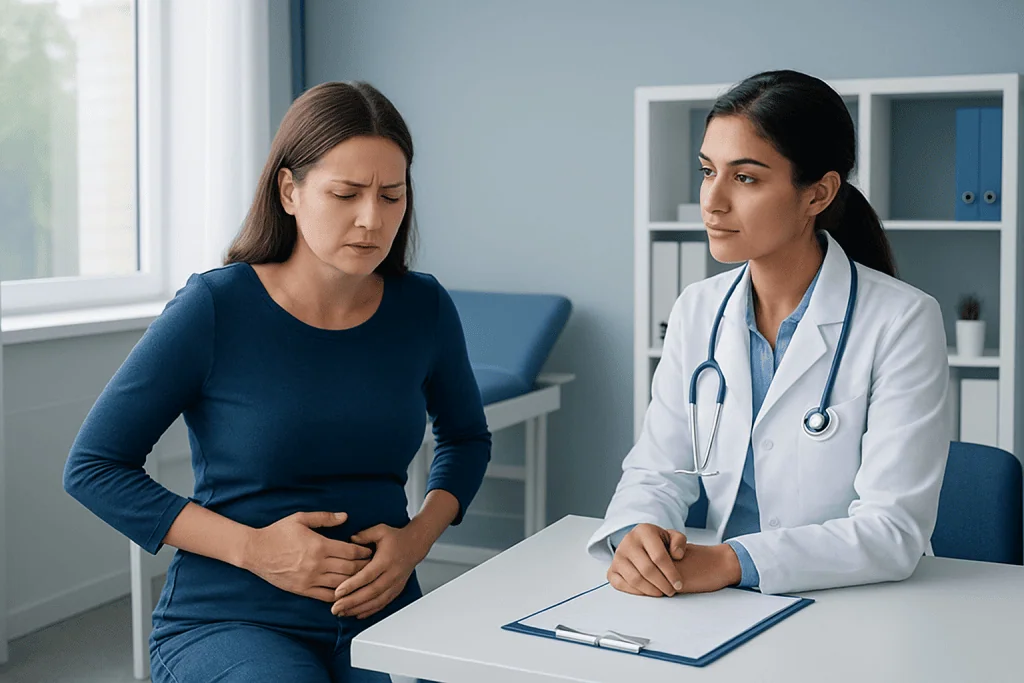
Gas and constipation are among the most frequent explanations for a bloated sore lower stomach. Gas may increase after eating quickly, chewing gum, drinking fizzy beverages, or consuming foods that are harder for some people to digest, such as beans, onions, certain fruits, dairy products in lactose intolerance, or sugar alcohols. Constipation can stretch the bowel and lead to pressure, bloating, and cramp-like discomfort.
Gastroenteritis, often called a stomach or intestinal bug, may cause cramps, bloating, diarrhea, nausea, vomiting, and sometimes fever. Symptoms usually settle over several days, though dehydration, severe illness, or persistent symptoms require medical advice. Diverticular disease, especially inflammation called diverticulitis, can cause more focused lower-left abdominal pain, often with fever or a change in bowel habits, and needs clinical evaluation.
Other possibilities include food intolerances, celiac disease, inflammatory bowel disease, urinary tract infection, kidney stones, or hernias. Appendicitis often begins with discomfort near the middle of the abdomen and may move toward the lower right side, becoming more severe; it requires urgent assessment. Bowel obstruction is less common but important, particularly when a swollen abdomen occurs with severe pain, vomiting, and inability to pass stool or gas.
Pelvic causes can include period pain, ovulation pain, endometriosis, ovarian cysts, pelvic infection, or pregnancy-related conditions. Pain and bleeding during a possible pregnancy require prompt medical assessment because ectopic pregnancy can be serious. Symptoms alone cannot reliably distinguish among these causes, so individual evaluation is important.
How Clinicians Assess Lower Abdominal Bloating and Pain
A clinician will usually begin by asking about symptom onset, the exact location and character of pain, bowel and urinary habits, appetite, fever, vomiting, medicines, medical history, and recent food or travel exposures. For patients with reproductive organs, questions may include menstrual history, contraception, pregnancy possibility, vaginal bleeding, or discharge. These questions are routine and help direct safe care.
A physical examination may include gentle assessment of the abdomen for tenderness, distension, guarding, or a mass. Depending on symptoms, the clinician may also check temperature, hydration, and signs of urinary or pelvic conditions. They may recommend blood tests, urine testing, a pregnancy test when applicable, stool testing, or imaging such as ultrasound or computed tomography.
Testing is not necessary for every brief, mild episode. It becomes more useful when symptoms are severe, recurrent, prolonged, associated with weight loss or bleeding, or when examination findings suggest a condition needing targeted treatment. Before the appointment, a simple symptom diary of meals, pain, bowel movements, and associated symptoms can make the consultation more informative.
Treatment Depends on the Underlying Cause
Management should address the cause rather than only suppressing the symptom. For mild gas or constipation without warning signs, a clinician or pharmacist may suggest practical dietary measures, hydration, movement, or appropriate short-term over-the-counter options. The right choice depends on a person’s age, medical conditions, other medicines, pregnancy status, and symptom pattern, so professional advice is particularly important if symptoms are new or persistent.
Infections may require fluids, rest, and observation, while some bacterial infections or urinary tract infections need prescription treatment. Inflammatory conditions, diverticulitis, kidney stones, or gynecological conditions each have different management pathways. Surgery may be necessary for conditions such as appendicitis, certain bowel obstructions, or complications of ovarian cysts, but this is not the usual explanation for routine bloating.
People with recurring symptoms may benefit from a structured review of diet and bowel habits rather than repeatedly eliminating many foods without guidance. A doctor, gastroenterologist, dietitian, gynecologist, or urologist may be involved depending on the suspected cause. Acibadem International’s multidisciplinary specialists and JCI-accredited hospitals can assess digestive, urinary, and pelvic causes for international patients when specialist evaluation is needed.
Self-Care for Mild Symptoms and Prevention
If symptoms are mild, brief, and clearly improving, simple measures may help. Drinking water regularly, eating at a slower pace, limiting carbonated drinks for a time, and taking gentle walks can support normal bowel movement and help gas pass. Some people find that smaller, more regular meals are more comfortable than very large meals.
For constipation, gradual changes are usually better tolerated than abrupt ones. Fiber-containing foods can support regularity for many people, but increasing fiber too quickly may temporarily worsen gas and bloating. Fluids and physical activity are also important. A healthcare professional can advise whether a fiber supplement or another approach is appropriate for the individual.
It may be useful to identify personal triggers without overly restricting the diet. A brief food and symptom record can reveal whether symptoms repeatedly follow particular foods, large fatty meals, alcohol, or dairy products. Persistent symptoms should not be self-diagnosed as food intolerance; a clinician can help rule out medical conditions and prevent unnecessary dietary limitations.
Avoid using pain medicines, laxatives, anti-diarrheal products, or herbal remedies repeatedly without advice, especially when pain is unexplained. Some medicines can mask worsening symptoms or be unsuitable in certain conditions. Seek timely clinical guidance if home measures do not help or symptoms keep returning.
When to Seek Medical Care
Urgent medical care is needed for sudden or severe abdominal pain, pain that rapidly worsens, a hard or markedly swollen abdomen, repeated vomiting, fainting, confusion, or signs of dehydration. Prompt assessment is also important for fever with significant lower abdominal pain, blood in stool or vomit, black tar-like stools, or an inability to pass stool or gas with abdominal swelling.
Anyone who may be pregnant and has lower abdominal pain, vaginal bleeding, dizziness, or shoulder-tip pain should seek urgent medical help. Severe pain on the lower right side, severe one-sided pelvic pain, or pain with a high fever should also be assessed without delay. These symptoms do not always indicate a serious condition, but they need timely evaluation.
Arrange a non-urgent medical appointment when bloating or soreness lasts more than a few days without improvement, returns frequently, disrupts daily activities, or is associated with unintentional weight loss, reduced appetite, ongoing diarrhea or constipation, urinary symptoms, or a new change in bowel habits. Early assessment can provide reassurance and help identify the appropriate treatment.
Frequently asked questions
What does a bloated sore lower stomach usually mean?
It commonly reflects gas, constipation, a dietary trigger, or a temporary digestive infection. However, the lower abdomen also contains urinary and reproductive organs, so the cause may not always be gastrointestinal. The severity, duration, and associated symptoms help guide whether medical assessment is needed.
Can constipation cause lower stomach pain and bloating?
Yes. When stool remains in the bowel longer than usual, it can lead to pressure, cramping, abdominal fullness, and increased gas. Constipation may improve with fluids, gradual fiber changes, physical activity, and an individualized plan from a clinician or pharmacist.
When is lower abdominal bloating an emergency?
Seek urgent care for severe or worsening pain, a rigid or very swollen abdomen, repeated vomiting, fainting, fever with significant pain, bleeding, or inability to pass stool or gas. Urgent assessment is also needed for lower abdominal pain with possible pregnancy and vaginal bleeding or dizziness.
Can periods cause a bloated sore lower stomach?
Hormonal changes around menstruation can affect fluid balance and bowel movement, causing bloating and cramping. Familiar mild symptoms that improve after the period may be manageable with routine measures. New, severe, one-sided, or worsening pelvic pain should be evaluated by a healthcare professional.
Should a person avoid certain foods when bloated and sore?
Temporarily reducing carbonated drinks, very large meals, and foods that repeatedly trigger symptoms may be helpful. It is best to avoid broad, long-term food restrictions without medical or dietetic advice, because persistent symptoms can have causes other than food intolerance. A food and symptom diary can support a more targeted discussion with a clinician.
How long should bloating and lower stomach soreness last?
Mild symptoms caused by gas, a dietary change, or minor constipation may improve within hours to a few days. Symptoms that do not improve, recur often, or occur with bowel, urinary, menstrual, or systemic changes should be discussed with a doctor. The need for testing depends on the complete clinical picture.
This article is for general information only and is not a substitute for professional medical advice. Please consult a qualified doctor about your individual situation.
Persistent digestive symptoms? Get evaluated in Turkey
JCI-accredited · board-certified surgeons · reply within 24h
Add us as a Preferred Source to see more of our trusted health content across Google Search, AI Overviews and Discover.

More from the Health Library

Cut Finger: An Evidence-Based Guide for Patients

Stuffy Nose — Explained by Medical Evidence, Not Myths

Lactobacillus Acidophilus — Explained by Medical Evidence, Not Myths

Hypoechoic Nodule: What Patients Need to Know

Erectile Dysfunction: What Patients Need to Know