Food Not to Eat After Cataract Surgery: Evidence-Based Benefits, Risks, and Practical Guidance
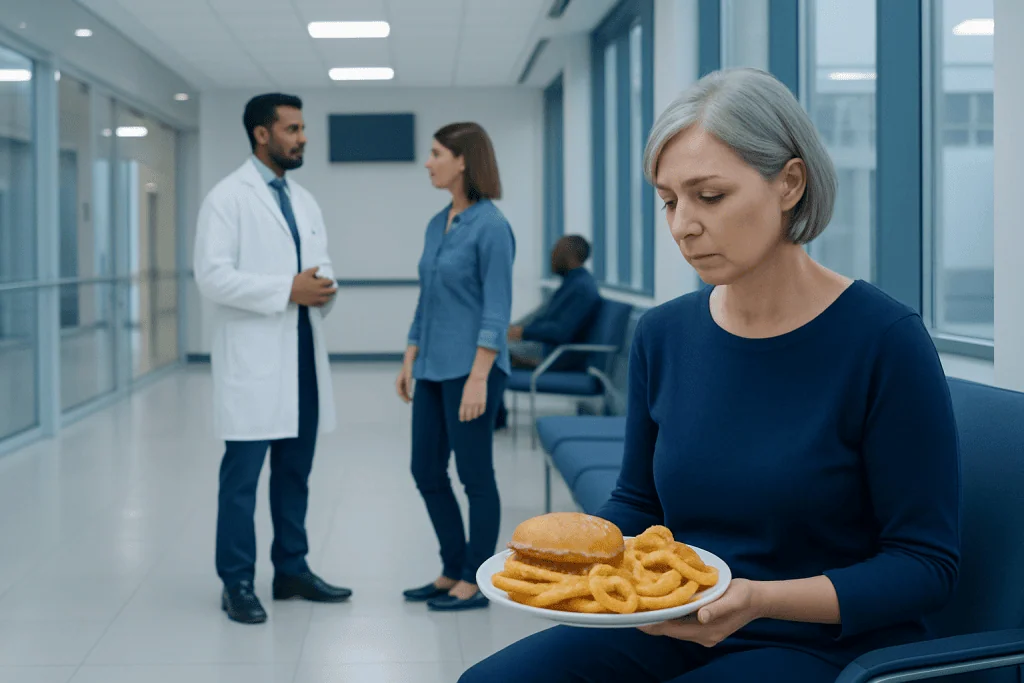
There is no evidence that a specific food can damage a cataract surgery incision or dislodge the intraocular lens. Alcohol is best avoided during early recovery, especially when sedatives, pain medicines, or antibiotic tablets have been used.
Key Takeaways
- There is no evidence that a specific food can damage a cataract surgery incision or dislodge the intraocular lens.
- Alcohol is best avoided during early recovery, especially when sedatives, pain medicines, or antibiotic tablets have been used.
- A balanced diet with protein, fiber, fluids, fruits, and vegetables supports general healing and bowel regularity.
- People with diabetes should pay particular attention to steady blood glucose levels after surgery.
- Food restrictions may be different when a person has another medical condition or takes medicines with food-related interactions.
Most people do not need a strict diet after cataract surgery. The main food-related priorities are avoiding alcohol and foods that cause nausea, constipation, or blood sugar spikes, while following the eye surgeon's individual instructions and using prescribed drops as directed.
Overview: What to Eat and Avoid After Cataract Surgery
There is usually no long list of food not to eat after cataract surgery. Cataract surgery is commonly performed as an outpatient procedure through a very small incision, and normal eating can generally resume once the effects of sedation have passed and the person is no longer nauseated. The most important instructions are the surgeon’s directions about eye drops, shielding the eye, activity, hygiene, and follow-up appointments.
Clinical evidence does not show that ordinary foods such as spicy meals, seafood, eggs, chicken, or dairy products interfere with incision healing, cause lens movement, or cause a cataract to return. Claims that particular foods “heal” the eye quickly or that common foods must be avoided to protect the new lens are not supported by good evidence.
Diet can still matter indirectly. Nutritious meals, adequate fluid intake, and stable blood glucose can support overall recovery. In contrast, alcohol, unsafe foods, dehydration, severe constipation, and foods that trigger an individual’s nausea or medication interaction may make the first days after surgery less comfortable or less safe.
Foods and Drinks to Limit in the First Days
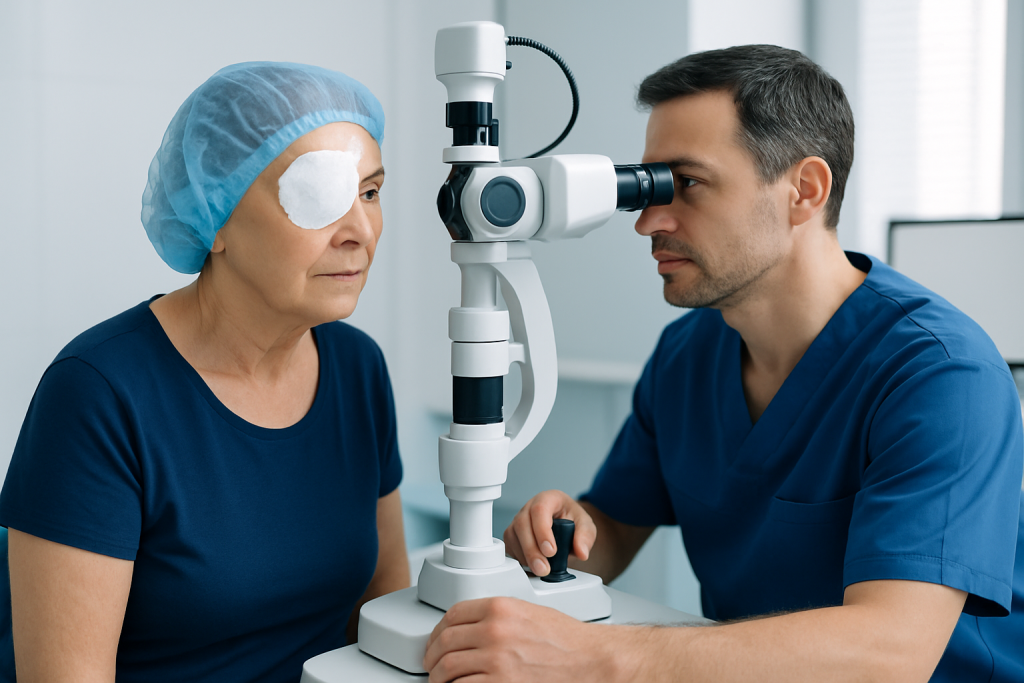
Alcohol is the most consistently sensible item to avoid immediately after cataract surgery. It can worsen dehydration, impair balance and judgment, and intensify drowsiness from sedatives or some pain medicines. It may also make it harder to follow the eye-drop schedule and post-operative safety instructions. The surgical team can advise when alcohol is appropriate again, particularly if oral medicines have been prescribed.
Heavy, greasy, very spicy, or unusually large meals are not harmful to the eye itself, but they may worsen nausea after anesthesia or sedation. Choosing lighter meals for the rest of the surgery day can be more comfortable. If vomiting occurs, it is important to contact the surgical team for advice, because repeated forceful vomiting can temporarily increase pressure around the eye.
It is also reasonable to limit highly processed foods that are high in salt, added sugar, or saturated fat as part of a generally health-supporting diet. These foods are not proven to cause a surgical complication, but frequent intake can make blood sugar management harder for people with diabetes and may contribute to thirst or digestive discomfort. A short-term recovery diet does not need to be restrictive or “detoxifying.”
- Avoid alcohol until the clinician confirms it is safe.
- Choose smaller, bland meals if nausea is present.
- Avoid foods that have previously caused an allergic reaction or digestive upset.
- Do not eat food that may be undercooked, spoiled, or unsafe to handle.
What Clinical Evidence Supports—and What It Does Not

After cataract surgery, inflammation prevention and infection prevention depend mainly on the surgical technique, appropriate post-operative care, and prescribed medication—not on avoiding a particular ingredient. Antibiotic, anti-inflammatory, or lubricating eye drops may be used depending on the surgeon’s plan. Patients should not stop, replace, or change these treatments based on nutrition advice alone.
A balanced eating pattern provides protein, vitamins, minerals, and energy needed by the body during healing. Foods such as fish, eggs, beans, yogurt, whole grains, vegetables, fruit, nuts, and seeds can be included if they fit the person’s medical needs and preferences. Vitamin C, vitamin E, zinc, lutein, and zeaxanthin are nutrients relevant to long-term eye health, but taking large doses of supplements after surgery has not been shown to speed routine cataract surgery recovery.
It is important to distinguish cataract prevention from post-operative recovery. A healthy diet may be associated with better general health and may support eye health over time, but it cannot reverse an existing cataract. Once a cataract has been removed, food choices do not determine whether the implanted intraocular lens stays in place or whether vision clears on the expected timeline.
Medication, Supplements, and Medical Conditions
Most cataract surgery medicines are eye drops, so food interactions are uncommon. However, some patients receive oral medicines for pain, nausea, infection, or another health condition. The patient should ask the prescribing clinician or pharmacist whether a tablet should be taken with food, whether alcohol should be avoided, and whether any supplements should be paused or restarted.
People taking medicines that affect bleeding, such as anticoagulants or antiplatelet medicines, should not change their diet or stop medication without specific medical advice. Some foods and supplements can affect how certain medicines work. Examples include grapefruit products with selected prescription medicines, and high-dose herbal products or supplements that may have effects on bleeding or blood sugar. The relevance depends on the exact medicine and dose.
Diabetes deserves particular attention because elevated blood glucose may affect healing and raise the risk of infection in many surgical settings. Regular meals, prescribed diabetes medicines, and home glucose monitoring as advised can help avoid major fluctuations. People with kidney disease, heart failure, food allergies, swallowing difficulties, or a medically prescribed diet should continue to follow their established nutrition plan unless their treating clinician advises otherwise.
Practical Eating and Drinking Guidance for Recovery
On the day of surgery, patients should follow the fasting and eating instructions given before the procedure. These pre-operative instructions are different from aftercare advice: fasting may be necessary before anesthesia or sedation, but most people can drink and eat after surgery when they are fully awake and feel well enough. A responsible adult may be needed to help with meals and medicines during the first day.
Simple, familiar foods are often easiest at first. A meal might include soup with beans or chicken, eggs with whole-grain toast, yogurt and fruit, or cooked vegetables with rice and fish. These are examples rather than requirements. The best choice is food that is safe, tolerated, and consistent with the person’s usual medical needs.
Constipation can be uncomfortable after a procedure, particularly if activity is reduced or pain medicines are used. Drinking sufficient water, eating fiber-containing foods, and following the clinician’s advice about gentle activity can help. Straining should be avoided during early recovery when possible; a clinician or pharmacist can advise on safe constipation treatment if dietary measures are not enough.
- Drink water regularly unless fluid intake is restricted for another condition.
- Include protein and fiber in meals to support general recovery and digestion.
- Wash hands before preparing food and before applying eye drops.
- Take medicines exactly as prescribed and use a written schedule if helpful.
Who May Need More Individualized Dietary Advice
Some people may need tailored guidance rather than general post-operative advice. This includes people with diabetes, severe nausea after sedation, inflammatory bowel disease, kidney disease, liver disease, heart failure, food allergies, or malnutrition. Those who have had combined eye procedures or a complication may also receive different recovery instructions.
Older adults and people who live alone may benefit from planning meals in advance. Ready-to-eat nutritious foods, help from family or friends, and clear medication reminders can reduce stress during the first day or two. However, anyone who has been asked to keep the eye clean should avoid activities that increase the chance of contamination, such as handling food and then touching the eye or dropper tip without washing hands.
Supplements should be approached cautiously. Standard-dose vitamins recommended by a clinician may be appropriate for a documented deficiency, but “eye recovery” products, herbal remedies, and high-dose antioxidants are not a substitute for follow-up care. Patients should bring a complete list of prescription medicines, over-the-counter products, and supplements to their eye appointment.
When to Seek Medical Care
Food choices should not delay medical assessment if recovery symptoms are concerning. Mild irritation, light sensitivity, tearing, and blurred vision may occur early after cataract surgery, but symptoms should be discussed with the surgical team if they are worsening rather than gradually improving.
Urgent medical advice is needed for severe or increasing eye pain, a sudden reduction in vision, increasing redness, marked swelling, new flashes of light, a shower of new floaters, persistent vomiting, fever, or discharge from the eye. These symptoms may have several causes and need prompt professional evaluation rather than dietary treatment.
Patients should attend all scheduled checks, even when vision seems good. Acibadem International’s multidisciplinary specialists and JCI-accredited hospitals diagnose and treat eye conditions for international patients, with care plans guided by the individual’s procedure and health needs.
Frequently asked questions
What food not to eat after cataract surgery?
Most people do not need to avoid specific everyday foods after cataract surgery. Alcohol should generally be avoided during the early recovery period, and greasy or very spicy foods may be best limited if sedation has caused nausea. Individual restrictions may apply because of diabetes, kidney disease, allergies, or medication interactions.
Can a person eat spicy food after cataract surgery?
Spicy food does not usually harm the eye or the surgical incision. However, it may worsen heartburn, nausea, or stomach upset in some people shortly after sedation. If it causes coughing, vomiting, or discomfort, choosing milder foods temporarily is sensible.
Can seafood, eggs, or chicken be eaten after cataract surgery?
Yes, these foods can usually be eaten after surgery if they are safely prepared and the person is not allergic to them. There is no good evidence that these foods delay healing or cause eye inflammation after routine cataract surgery. Protein-containing foods can be part of a balanced recovery diet.
Should sugar be avoided after cataract surgery?
People without diabetes do not usually need to eliminate sugar specifically because of cataract surgery. However, limiting added sugars is consistent with a balanced diet. People with diabetes should follow their usual glucose-management plan carefully and contact their clinician if blood glucose is repeatedly high or low.
Can alcohol be consumed after cataract surgery?
Alcohol is best avoided at least while sedation effects, dizziness, nausea, or prescribed oral pain medicines are present. It can interfere with safe recovery and medication routines. The eye surgeon or pharmacist can give individualized guidance based on the medicines used.
Do vitamins help the eye heal faster after cataract surgery?
A nutritionally adequate diet supports general healing, but high-dose vitamins or eye supplements have not been proven to make routine cataract surgery recovery faster. Supplements may also interact with medicines or be unsuitable for some health conditions. It is best to ask a clinician before starting a new product.
This article is for general information only and is not a substitute for professional medical advice. Please consult a qualified doctor about your individual situation.
Cataract Surgery in Turkey — costs, top hospitals & a free quote
JCI-accredited · board-certified surgeons · reply within 24h
Add us as a Preferred Source to see more of our trusted health content across Google Search, AI Overviews and Discover.

Ophthalmology
Comprehensive eye care from laser vision correction to retina, cornea and cataract surgery.
75 specialists in this unitMore from the Health Library

Non Perishable Food: Benefits, Risks, and Safe Use

Food Deserts: Benefits, Risks, and Safe Use

Best Time to Take Vitamins: What the Clinical Research Actually Says

Advantages of Vitamin B6: Evidence-Based Benefits, Risks, and Practical Guidance

Healthy Eating During Cancer Treatment: Managing Appetite and Side Effects