Will Acid Reflux Cause Heart Palpitations: A Complete Medical Overview

Acid reflux and palpitations can occur at the same time, but one does not always directly cause the other. Esophageal irritation, bloating, stress, stimulants, and shared lifestyle triggers may contribute to symptoms after eating.
Key Takeaways
- Acid reflux and palpitations can occur at the same time, but one does not always directly cause the other.
- Esophageal irritation, bloating, stress, stimulants, and shared lifestyle triggers may contribute to symptoms after eating.
- Palpitations may also be caused by heart rhythm disorders, thyroid problems, anemia, medicines, or anxiety.
- Chest pain, shortness of breath, fainting, sweating, or symptoms during exercise require urgent medical attention.
- A clinician can assess reflux and heart symptoms separately to identify the safest and most effective treatment plan.
Acid reflux can sometimes occur alongside a racing, fluttering, or pounding heartbeat sensation, particularly after meals or when lying down. However, reflux does not reliably explain palpitations, and a heart rhythm problem or another medical cause should be considered—especially when symptoms are new, persistent, or accompanied by warning signs.
Can Acid Reflux Cause Heart Palpitations?
Will acid reflux cause heart palpitations? Acid reflux may be associated with a fluttering, pounding, or rapid-heartbeat sensation in some people, especially after a large meal, alcohol, caffeine, or lying down. However, reflux is not a confirmed explanation for every palpitation, and it is important not to assume that a new heart-related sensation is harmless.
Acid reflux happens when stomach contents move upward into the esophagus, the tube connecting the mouth to the stomach. This can cause burning behind the breastbone, sour taste, belching, throat irritation, or pressure in the upper chest. Because the esophagus sits close to the heart, reflux discomfort can feel similar to cardiac symptoms and may heighten awareness of the heartbeat.
Palpitations describe an awareness of the heartbeat rather than one specific condition. A person may feel skipped beats, a brief flutter, thumping, or a fast rhythm. They are often benign, but they can occasionally reflect an abnormal rhythm or another health issue. For this reason, recurrent symptoms deserve discussion with a qualified clinician.
Why Reflux and Palpitations May Happen Together
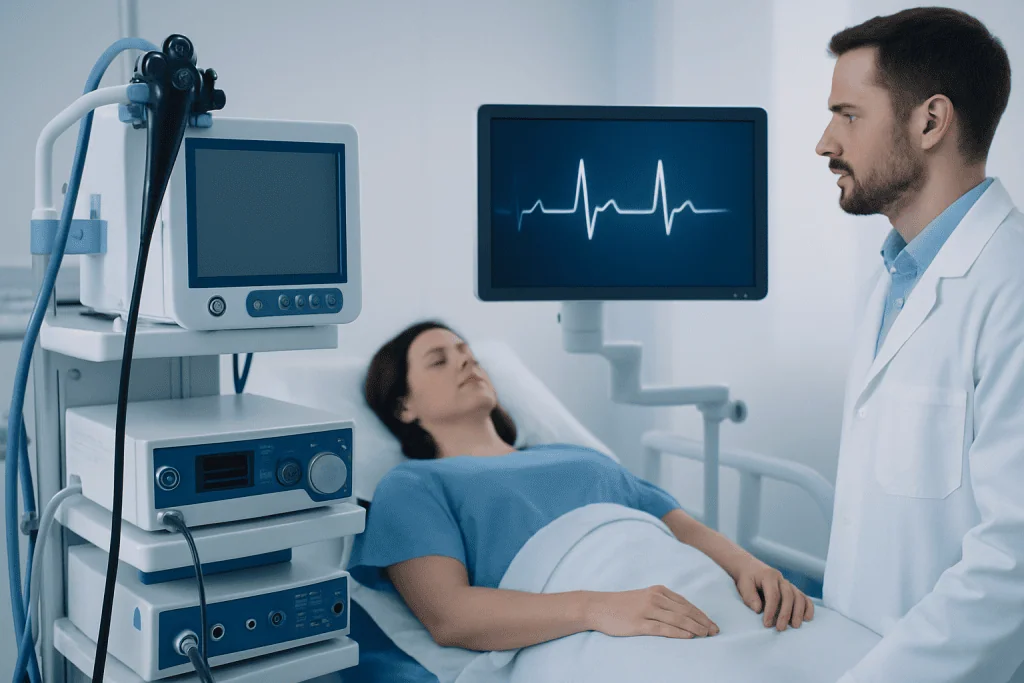
Several possible mechanisms may explain why reflux symptoms and palpitations seem connected. Distension of the stomach from a large meal, gas, or carbonated drinks can create upper abdominal and chest pressure. This may make the heartbeat feel more noticeable, particularly when a person bends forward or lies down.
The esophagus and heart are close together and share some nerve pathways. Irritation in the esophagus may therefore create sensations that are difficult to distinguish from chest or heart symptoms. Reflux-related discomfort can also trigger stress or anxiety, which can increase adrenaline and make the heart beat faster or more forcefully.
Shared triggers are another common explanation. Caffeine, nicotine, alcohol, poor sleep, dehydration, heavy meals, and emotional stress can worsen reflux while also provoking palpitations. Identifying the timing of symptoms can be useful, but timing alone cannot determine the cause.
- Symptoms after a large, fatty, spicy, or late meal may point toward reflux as a contributing factor.
- Symptoms after coffee, energy drinks, alcohol, or smoking may reflect more than one trigger.
- Symptoms that occur with exertion, without reflux symptoms, or at random may need a more focused heart assessment.
How to Tell Reflux Symptoms From Possible Heart Symptoms

Typical reflux symptoms include a burning feeling in the chest or upper abdomen, acid taste in the mouth, regurgitation, frequent belching, nausea, hoarseness, or cough that is worse after eating or while lying down. Relief after sitting upright or using clinician-recommended reflux treatment may support reflux as part of the problem, but it does not rule out a heart condition.
Heart-related symptoms can include pressure, tightness, heaviness, or pain in the chest, especially if it spreads to the arm, shoulder, jaw, neck, back, or upper abdomen. Shortness of breath, cold sweating, dizziness, weakness, nausea, or symptoms brought on by physical activity can also indicate a need for urgent assessment.
There is significant overlap between reflux and cardiac symptoms. People with known gastroesophageal reflux disease may still develop a separate heart problem, and people with a heart condition may mistakenly interpret symptoms as indigestion. Heart disease should therefore be evaluated by a medical professional when symptoms are concerning, unusual, or changing.
Other Causes of Heart Palpitations
Many palpitations are not caused by reflux. Common non-cardiac contributors include anxiety, panic episodes, fever, dehydration, lack of sleep, hormonal changes, low blood sugar, and stimulant use. Certain over-the-counter products, including some cold medicines and weight-loss supplements, may also affect heart rate or rhythm.
Medical causes can include anemia, an overactive thyroid gland, electrolyte changes, and heart rhythm disturbances such as atrial fibrillation or supraventricular tachycardia. Some rhythm changes are brief and harmless, while others need monitoring or treatment. The pattern, duration, associated symptoms, and medical history help guide evaluation.
Keeping a simple symptom record can help. It may include the time symptoms began, what was eaten or consumed, body position, activity, stress level, duration, and any associated chest discomfort, breathlessness, or dizziness. This information can support a clinician in deciding whether reflux testing, blood tests, an electrocardiogram, or longer heart-rhythm monitoring is appropriate.
Medical Evaluation and Diagnosis
A clinician will usually begin by asking about the nature of the heartbeat sensation, reflux symptoms, medicines, caffeine and alcohol intake, medical conditions, and family history. They may check blood pressure, pulse, oxygen level, and perform a physical examination. An electrocardiogram, also called an ECG or EKG, can record the heart’s electrical activity.
If palpitations come and go, a wearable monitor may be recommended to capture the rhythm during symptoms. Blood tests may check for anemia, thyroid disease, electrolyte imbalances, or other potential contributors. Further heart testing is considered based on symptoms, examination findings, age, risk factors, and the ECG result.
Reflux may be assessed from the symptom pattern and response to appropriate management. Persistent, troublesome, or unexplained symptoms may require specialist review and tests such as upper endoscopy or ambulatory reflux monitoring. Gastroenterology evaluation can help distinguish reflux from other digestive conditions and guide treatment safely.
Managing Reflux While Monitoring Palpitations
For people with symptoms suggestive of reflux, practical measures may reduce irritation and lessen the chance of post-meal discomfort. Eating smaller meals, avoiding lying down for at least two to three hours after eating, and limiting individual food or drink triggers can be helpful. Common triggers include high-fat foods, spicy foods, chocolate, peppermint, tomato-based foods, citrus, alcohol, and caffeinated drinks, although triggers vary between individuals.
Maintaining a healthy weight where appropriate, avoiding tobacco, raising the head of the bed for nighttime reflux, and choosing looser clothing around the abdomen may also help. Regular sleep, adequate fluids, and gradual stress-management practices can benefit both digestive comfort and awareness of palpitations.
Antacids, acid-suppressing medicines, and other treatments may be suitable for some people, but they should be used as advised by a doctor or pharmacist, particularly when symptoms are frequent. People should not use reflux treatment as a reason to ignore recurrent palpitations. Cardiology assessment may be recommended when a rhythm concern needs investigation.
Acibadem International’s multidisciplinary specialists and JCI-accredited hospitals evaluate digestive and heart-related symptoms for international patients, coordinating care when reflux and palpitations need assessment together.
When to Seek Medical Care
Urgent medical care is needed for palpitations with chest pressure or pain, shortness of breath, fainting, near-fainting, cold sweating, marked dizziness, confusion, or pain spreading to the arm, jaw, back, or neck. The same applies when symptoms are severe, prolonged, occur during exercise, or feel distinctly different from previous reflux symptoms.
A non-urgent medical appointment is appropriate for repeated palpitations, a fast or irregular heartbeat that lasts more than a few minutes, worsening reflux, difficulty swallowing, vomiting, unintentional weight loss, black stools, or symptoms that disturb sleep. These features do not always indicate a serious condition, but they should be evaluated.
People with known heart disease, diabetes, high blood pressure, high cholesterol, a strong family history of early heart disease, or prior rhythm problems should be particularly cautious about new chest or heartbeat symptoms. Prompt assessment can clarify the cause and help provide reassurance or timely treatment when needed.
Frequently asked questions
Can GERD make the heart feel like it is fluttering?
GERD may occur with a fluttering or pounding sensation, particularly after meals or when lying down. Esophageal irritation, bloating, anxiety, and shared triggers such as caffeine may contribute. However, a fluttering heartbeat should not automatically be attributed to GERD.
Why do I get palpitations after eating?
Palpitations after eating can be related to large meals, stomach distension, reflux, caffeine, alcohol, high-sugar foods, or stress. They may also occur because of an underlying rhythm issue or another medical condition. If the pattern is new, frequent, or associated with other symptoms, medical evaluation is advisable.
Can acid reflux feel like a heart attack?
Acid reflux can cause burning, pressure, or pain in the chest that may feel similar to heart-related discomfort. Because symptoms can overlap, it is not safe to self-diagnose chest pain as reflux. Emergency care is needed for chest pain with breathlessness, sweating, fainting, or pain spreading to the arm, jaw, neck, or back.
Does drinking water help reflux-related palpitations?
Small sips of water may help some people with throat irritation or a dry mouth, but water does not treat an abnormal heart rhythm. Drinking large amounts quickly may worsen bloating in some individuals. Persistent palpitations need assessment rather than relying on home measures alone.
How can I know whether palpitations are serious?
Palpitations are more concerning when they are sustained, very rapid, irregular, occur with exercise, or are associated with chest pain, shortness of breath, fainting, or severe dizziness. A clinician can use an ECG and, if needed, heart-rhythm monitoring to identify the cause. Even brief recurring episodes should be discussed if they are new or bothersome.
Should I stop caffeine if I have reflux and palpitations?
Caffeine can worsen reflux symptoms and trigger palpitations in some people, so reducing or avoiding it may be a reasonable trial. This includes coffee, tea, energy drinks, some sodas, and pre-workout supplements. A clinician can provide individualized advice, particularly for people who have frequent symptoms or take regular medicines.
This article is for general information only and is not a substitute for professional medical advice. Please consult a qualified doctor about your individual situation.
Persistent digestive symptoms? Get evaluated in Turkey
JCI-accredited · board-certified surgeons · reply within 24h
Add us as a Preferred Source to see more of our trusted health content across Google Search, AI Overviews and Discover.
Check your numbers in seconds
BMI, calories, due date, blood pressure and 30+ more clinical calculators — free, instant, doctor-reviewed ranges.

More from the Health Library

Cephalexin for sinus infection: Symptoms, Causes, and Treatment — Complete Patient Guide

Percutaneous Coronary Intervention: What Patients Need to Know

Aplastic Crisis — Explained by Medical Evidence, Not Myths

Rose Quartz — Explained by Medical Evidence, Not Myths

Burned by Nair — Explained by Medical Evidence, Not Myths