Can You Die From a Panic Anxiety Attack? Here Is What the Evidence Says
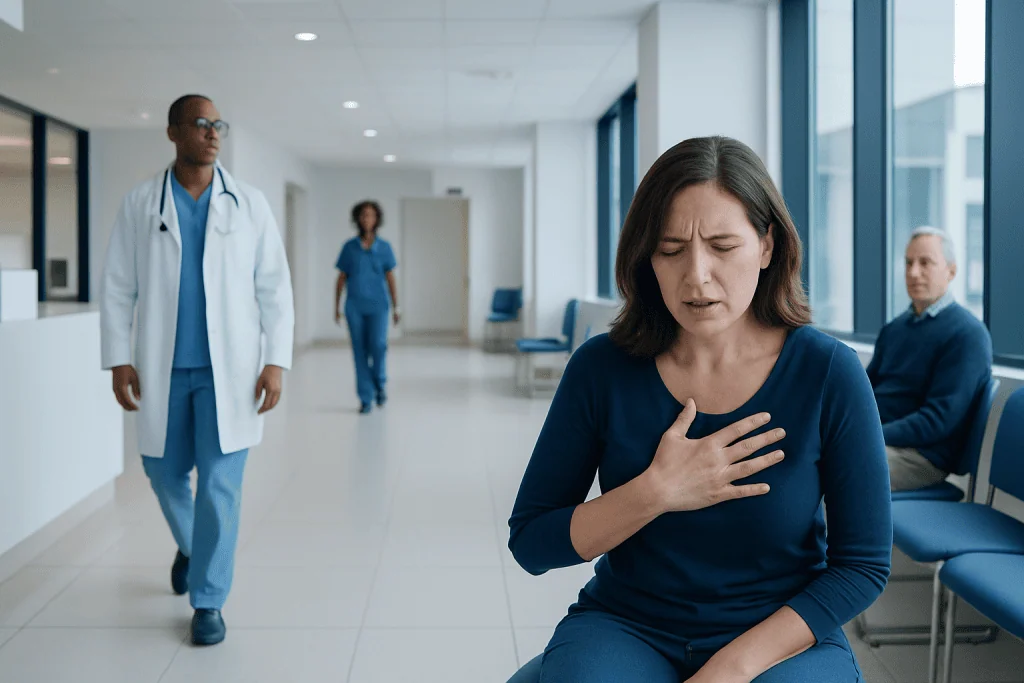
Panic attacks can feel life-threatening, but the attack itself is usually not physically dangerous. Chest pain, breathlessness, racing heartbeat, dizziness, and fear of dying can occur during a panic attack and may overlap with medical emergencies.
Key Takeaways
- Panic attacks can feel life-threatening, but the attack itself is usually not physically dangerous.
- Chest pain, breathlessness, racing heartbeat, dizziness, and fear of dying can occur during a panic attack and may overlap with medical emergencies.
- New, unusual, persistent, or severe symptoms should not be assumed to be anxiety without medical evaluation.
- Doctors can assess for heart, lung, hormone, medication, and substance-related causes before diagnosing panic disorder.
- Effective support may include education, cognitive behavioural therapy, lifestyle measures, and, when appropriate, medication.
Can you die from a panic anxiety attack? In most cases, no: a panic attack is intensely distressing but does not itself cause death, heart failure, or suffocation. However, symptoms can resemble serious medical conditions, so a first episode or symptoms such as chest pain, fainting, or severe breathing difficulty should be assessed promptly.
Can a panic anxiety attack cause death?
For most people, a panic attack does not cause death. It is a sudden surge of intense fear or discomfort that activates the body’s stress response. This can produce a pounding heart, chest tightness, shaking, sweating, dizziness, nausea, tingling, and a powerful sense that something terrible is happening. Although these sensations can be frightening, they generally pass without causing damage to the heart, lungs, or brain.
It is still important not to dismiss new symptoms as a panic attack without appropriate medical advice. A heart problem, lung condition, low blood sugar, medication effect, or another health concern can sometimes cause symptoms that feel similar. The safest approach is to seek urgent assessment for severe, unfamiliar, or concerning symptoms, particularly chest pain, collapse, or marked shortness of breath.
Once serious causes have been excluded, understanding the body’s alarm response can be reassuring. Panic attacks are real physical experiences, not a sign of weakness or “imagining” symptoms. They are treatable, and many people learn ways to reduce their frequency, intensity, and impact on daily life.
Why panic attacks feel so dangerous
During a panic attack, the nervous system may release stress hormones such as adrenaline. The heart may beat faster, breathing may become rapid or shallow, muscles may tense, and the body may redirect attention toward possible danger. These changes are designed to help a person respond to a threat, but they can occur even when there is no immediate physical danger.
Rapid breathing can contribute to light-headedness, numbness or tingling around the mouth and hands, chest discomfort, and feelings of unreality. A fast heartbeat may be felt as fluttering, pounding, or skipped beats. Because the sensations are sudden and unfamiliar, a person may understandably fear a heart attack, choking, loss of control, or death.
The peak of a panic attack often occurs within minutes, although residual anxiety and exhaustion can last longer. Fear of another episode can lead some people to avoid exercise, travel, crowded places, or situations where leaving feels difficult. Recurrent unexpected attacks combined with persistent worry or avoidance may suggest panic disorder, which should be discussed with a qualified clinician.
Symptoms that can occur during a panic attack
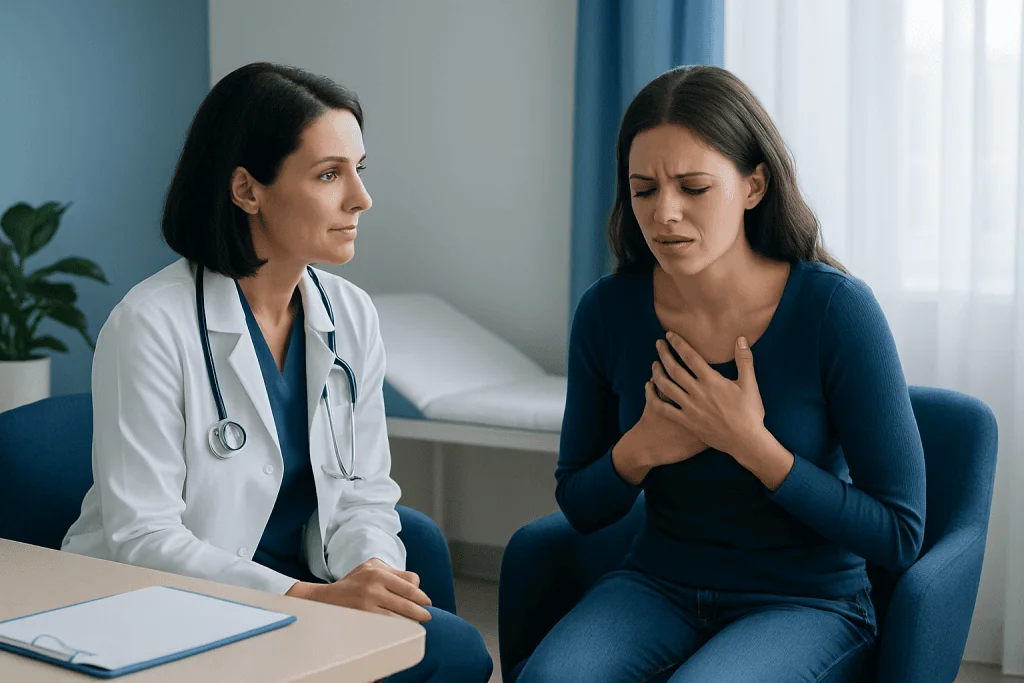
Panic attacks vary from person to person. Some begin abruptly, while others build after a period of stress, poor sleep, illness, stimulant use, or worrying about bodily sensations. A clinician considers the overall pattern rather than relying on one symptom alone.
- Racing, pounding, or irregular-feeling heartbeat
- Chest discomfort or tightness
- Shortness of breath, a choking sensation, or rapid breathing
- Sweating, trembling, chills, or hot flushes
- Nausea, stomach discomfort, dizziness, or feeling faint
- Tingling or numbness in the hands, feet, or face
- Feeling detached from oneself or surroundings
- Fear of losing control, “going crazy,” or dying
These symptoms are common in panic attacks, but they are not unique to panic. For example, chest pressure and breathlessness can also occur with heart or lung conditions. A person should not use a symptom list to diagnose themselves, especially if the episode is new, more severe than usual, or different from previous experiences.
When to seek medical care
Emergency medical care is appropriate if a person has chest pain or pressure that is severe, persistent, spreading to the arm, jaw, back, or shoulder, or accompanied by fainting, severe breathlessness, confusion, blue lips, new weakness, or a cold sweat. Urgent evaluation is also important for a very irregular heartbeat, loss of consciousness, symptoms after using drugs or unfamiliar substances, or symptoms occurring during pregnancy or after a recent major illness.
A first episode of apparent panic symptoms deserves medical review, especially for people with heart or lung disease, diabetes, thyroid disease, a family history of early heart disease, or significant cardiovascular risk factors. The same is true when attacks begin later in life, occur with exercise, repeatedly wake someone from sleep, or feel clearly different from past episodes.
If symptoms are severe or there is any doubt about whether they could be a medical emergency, local emergency services should be contacted rather than driving oneself to care. It is better to be assessed and reassured than to miss a potentially urgent condition.
How doctors distinguish panic from other conditions
A doctor will usually begin by asking about the symptoms, when they started, how long they lasted, what was happening beforehand, previous episodes, medical history, medicines, supplements, caffeine intake, alcohol, nicotine, and recreational drug use. They may also ask about sleep, recent stress, mood, and any family history of heart, thyroid, or mental health conditions.
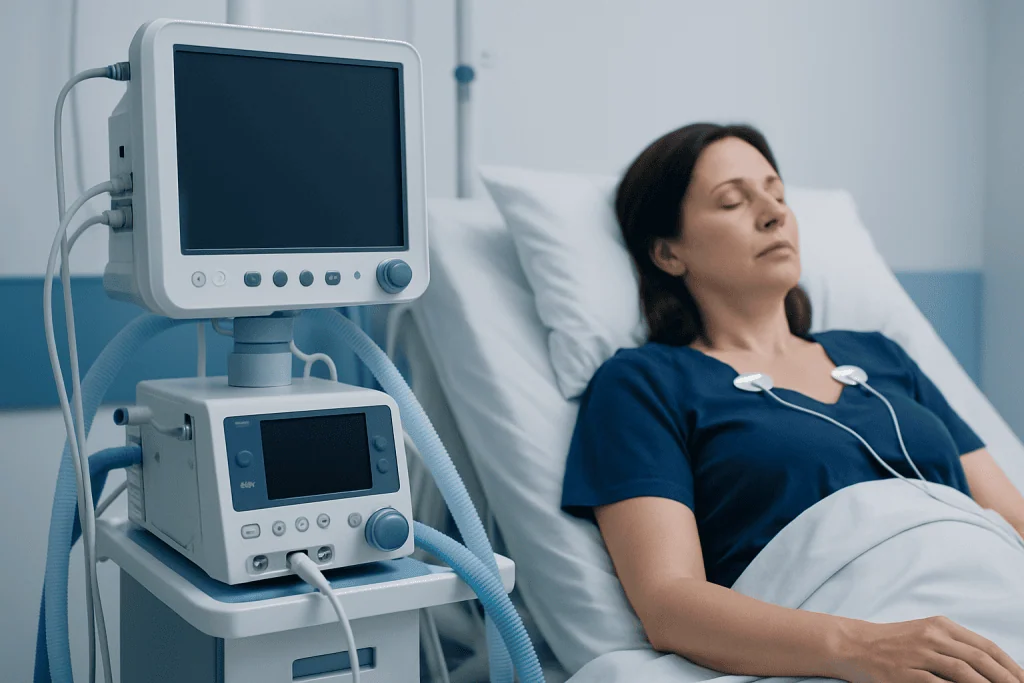
Depending on the symptoms and individual risk factors, assessment may include a physical examination, blood pressure and pulse measurements, an electrocardiogram (ECG), and blood tests. Additional tests may be considered to check for conditions such as abnormal heart rhythms, asthma, thyroid disorders, anemia, infection, or low blood sugar. Not everyone needs the same tests; the decision is based on clinical findings.
Diagnosing panic disorder is not simply a matter of ruling out physical illness. Clinicians also assess whether panic attacks are recurrent and unexpected, whether there is ongoing concern about future attacks, and whether avoidance has affected work, relationships, travel, or other daily activities. A careful diagnosis makes it possible to create a suitable treatment plan.
What can help during and after an episode
When a person has previously been assessed and recognizes their usual panic symptoms, simple grounding strategies may help them ride out the surge. They can sit somewhere safe, loosen tight clothing, place both feet on the floor, and gently focus attention on objects, sounds, or sensations in the immediate environment. Reminding oneself that the sensations are temporary can reduce the additional fear that may intensify an attack.
Slow, comfortable breathing may also help. Rather than taking very large breaths, a person can try breathing gently and steadily, with a slightly longer exhale than inhale. If breathing exercises increase dizziness or distress, they should stop and return to a calm, natural breathing pattern.
After an episode, it can be useful to note possible triggers, sleep patterns, caffeine or alcohol use, and thoughts that occurred before symptoms began. Avoiding all activity because of fear can reinforce anxiety over time. A clinician or therapist can help a person return to activities gradually and safely, while considering any medical limitations.
Treatment and longer-term support
Panic attacks and panic disorder can improve substantially with appropriate care. Cognitive behavioural therapy (CBT) is a well-established talking therapy that helps people understand the panic cycle, challenge unhelpful interpretations of body sensations, and gradually reduce avoidance. Exposure-based approaches may be used carefully to help a person feel safer with sensations or situations they have begun to fear.
A doctor may discuss medication when symptoms are frequent, severe, or continue despite therapy and self-management measures. The choice depends on the person’s symptoms, other health conditions, current medicines, preferences, and potential side effects. Medicines should be started, changed, or stopped only with professional guidance.
Regular sleep, consistent meals, physical activity suited to a person’s health, and reducing caffeine, nicotine, alcohol, and stimulant drugs may lower vulnerability to anxiety symptoms for some people. Acibadem International’s multidisciplinary specialists and JCI-accredited hospitals can assess panic symptoms and related medical concerns for international patients, coordinating care when needed.
Frequently asked questions
Can a panic attack trigger a heart attack?
A panic attack does not usually cause a heart attack in an otherwise stable person. However, panic symptoms can closely resemble heart symptoms, and intense stress may be important for people who already have cardiovascular disease. New or concerning chest symptoms should be medically assessed rather than assumed to be panic.
Can someone stop breathing during a panic attack?
Panic attacks can create a strong feeling of not getting enough air, even though breathing is continuing. Some people breathe faster than usual, which can cause dizziness and tingling. Severe or worsening breathing difficulty, blue lips, wheezing, or loss of consciousness requires urgent medical care.
How long does a panic attack last?
The most intense part of a panic attack commonly peaks within minutes and then begins to settle. The exact duration varies, and tiredness, worry, or milder physical symptoms may remain afterward. Symptoms that are prolonged, worsening, or unlike a person’s normal pattern should be reviewed by a clinician.
Why does a panic attack happen for no reason?
Panic attacks may seem to come from nowhere, but they can be influenced by accumulated stress, lack of sleep, illness, stimulants, hormonal changes, or sensitivity to normal body sensations. Sometimes no clear trigger is identified. A healthcare professional can help explore possible contributors and rule out physical causes.
Should a person go to the emergency department for every panic attack?
A person with new, severe, or different symptoms should seek urgent medical advice, particularly if chest pain, fainting, significant breathlessness, or neurological symptoms are present. Someone who has had a medical assessment and has an established panic pattern may use their agreed care plan for familiar episodes. When there is uncertainty, seeking urgent assessment is the safer choice.
Can panic attacks be cured?
Many people experience major improvement and may go long periods without panic attacks with the right support. Therapy, lifestyle adjustments, and sometimes medication can reduce both attacks and fear of future attacks. Care is individualized, so discussing symptoms with a doctor or mental health professional is important.
References
- National Institute of Mental Health
- American Psychiatric Association
- National Health Service
- Mayo Clinic
- World Health Organization
This article is for general information only and is not a substitute for professional medical advice. Please consult a qualified doctor about your individual situation.
Persistent digestive symptoms? Get evaluated in Turkey
JCI-accredited · board-certified surgeons · reply within 24h
Add us as a Preferred Source to see more of our trusted health content across Google Search, AI Overviews and Discover.