How to Hold in Poop While Peeing? Here Is What the Evidence Says
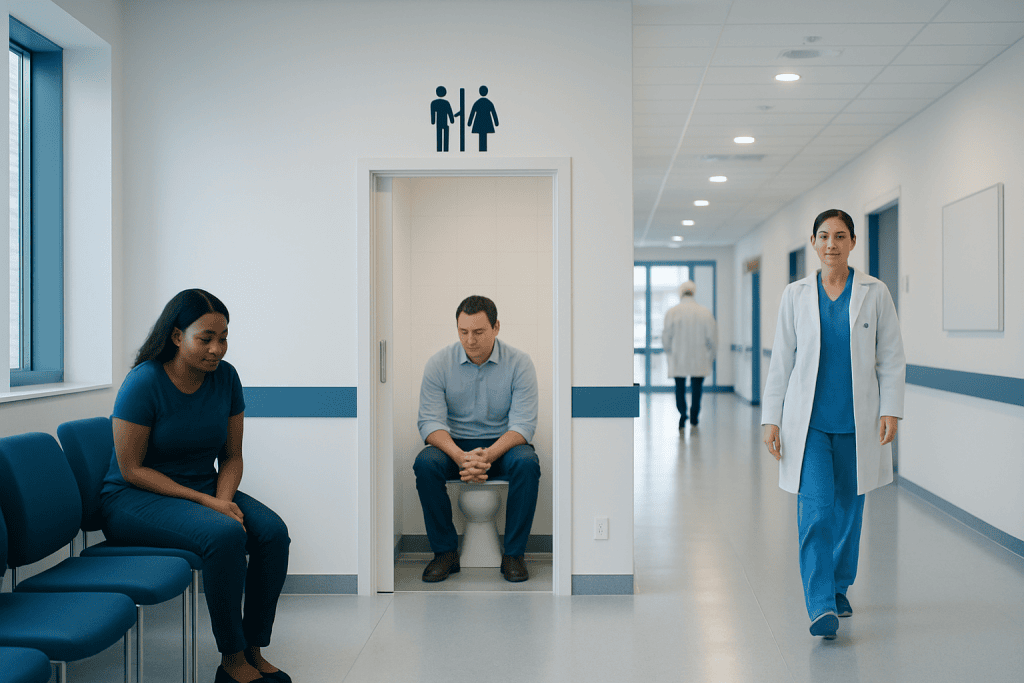
The anal sphincter and pelvic floor muscles can temporarily delay a bowel movement while a person urinates. Briefly holding stool is usually not harmful, but repeatedly ignoring the urge to pass stool may worsen constipation.
Key Takeaways
- The anal sphincter and pelvic floor muscles can temporarily delay a bowel movement while a person urinates.
- Briefly holding stool is usually not harmful, but repeatedly ignoring the urge to pass stool may worsen constipation.
- Straining, clenching forcefully, or holding the breath can increase pelvic floor tension and discomfort.
- A regular bowel routine, adequate fluids, fiber, and unhurried toilet time can support comfortable bowel movements.
- Rectal bleeding, severe pain, unexplained weight loss, fever, or lasting changes in bowel habits require medical assessment.
Most people can briefly hold in poop while peeing by gently tightening the muscles around the anus, and an occasional need to do this is usually harmless. However, regularly suppressing the urge to have a bowel movement can contribute to constipation, discomfort, and pelvic floor problems, especially when symptoms are persistent or accompanied by pain or bleeding.
Can a Person Hold in Poop While Peeing?
For most people, it is possible to briefly hold in poop while peeing. The body uses muscles around the anus, called the anal sphincters, along with the pelvic floor muscles, to maintain continence until it is convenient to have a bowel movement. Gently contracting these muscles can delay stool passage for a short time while urinating.
An occasional situation such as this is generally not a concern. It is usually more comfortable, however, to use the toilet for a bowel movement when the urge is clear rather than repeatedly postponing it. Regularly ignoring the urge can allow stool to remain in the colon longer, where it may become drier and harder to pass.
There is no need to forcefully clench or strain. If a bowel movement begins unexpectedly while urinating, staying relaxed, breathing normally, and gently tightening the muscles around the anus may help a person pause until they are ready. If bowel urgency, leakage, pain, or difficulty controlling stool happens often, it is worth discussing with a doctor.
Why Peeing and Bowel Urges Can Happen Together
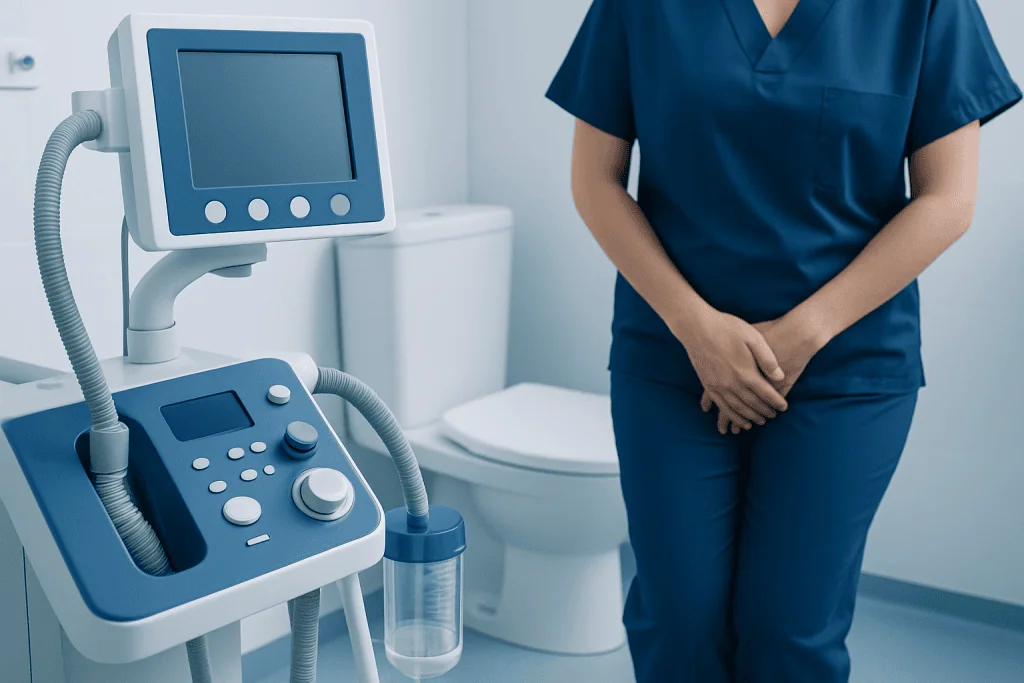
The bladder, rectum, pelvic floor, and their nerves sit close together in the lower pelvis. As the bladder fills, it sends signals that create the urge to urinate. Similarly, stool entering and stretching the rectum creates the urge to have a bowel movement. These signals may occur at the same time, particularly in the morning, after meals, or when a person is already sitting on the toilet.
Passing urine and passing stool involve related pelvic floor coordination. To urinate, the pelvic floor needs to relax enough for urine to flow. To delay a bowel movement, the external anal sphincter and nearby pelvic floor muscles need to contract. This is why some people notice a sensation of needing to poop when they sit down to pee, even if they had not felt the urge moments earlier.
In many cases, this overlap is simply normal body function. It can be more noticeable when stool is loose, when the rectum is full, during pregnancy, with age-related pelvic floor changes, or during periods of constipation, when the rectum may be stretched by retained stool.
A Safer Way to Delay a Bowel Movement Briefly

When a person needs to postpone a bowel movement for a few minutes, the goal is gentle control rather than intense tightening. They can sit securely on the toilet or stand comfortably, breathe steadily, and lightly squeeze the muscles used to prevent passing gas. This controlled contraction can help close the anal canal temporarily.
It may help to avoid bearing down, pushing, or holding the breath. These actions increase pressure in the abdomen and can work against continence. People should also avoid repeatedly interrupting urine flow on purpose. Stopping urine midstream is not a recommended pelvic floor exercise and may interfere with normal bladder emptying if done regularly.
Once there is access to a toilet and enough privacy, it is generally best to allow the bowel movement rather than continue to suppress it. Sitting with the feet supported on a small footstool, if available, can place the hips in a more natural position for passing stool. The person should allow time and avoid prolonged straining.
- Use a gentle squeeze around the anus rather than forceful clenching.
- Keep breathing slowly and avoid tightening the abdomen.
- Do not make delaying bowel movements a routine habit.
- Seek advice if control is difficult or accidents occur.
What Can Happen if Stool Is Held Too Often?
Holding stool occasionally is unlikely to cause harm. When the urge is frequently ignored, though, the colon continues to absorb water from the stool. Over time, this can make stool firmer, drier, and more difficult to pass. The result may be constipation, bloating, abdominal discomfort, straining, or a feeling of incomplete emptying.
Repeated straining to pass hard stool may contribute to hemorrhoids or anal fissures, which are small tears in the lining of the anus. Hemorrhoids can cause itching, swelling, or bright red blood on toilet paper, while fissures often cause sharp pain during or after a bowel movement. These conditions are common and treatable, but persistent symptoms should be medically assessed.
For some people, especially those with long-term constipation, pelvic surgery, childbirth-related changes, neurological conditions, or aging-related muscle weakness, bowel control may be affected. Fecal leakage or urgency is not something a person has to manage alone. A clinician can identify contributing factors and recommend appropriate care for constipation or other bowel concerns.
Common Reasons for Bowel Urgency or Difficulty Holding Stool
Temporary bowel urgency can occur after eating a large meal, drinking coffee, having alcohol, experiencing stress, or eating foods that do not agree with the digestive system. Viral stomach infections, food poisoning, and some medications can also cause loose stools and make it harder to delay a bowel movement.
Constipation can paradoxically lead to urgency or leakage as well. Hard stool may remain in the rectum while softer stool passes around it, sometimes causing unexpected soiling. Conditions such as irritable bowel syndrome, inflammatory bowel disease, hemorrhoids, anal fissures, or pelvic floor dysfunction may also change bowel habits or cause rectal discomfort.
People who have new or continuing symptoms should not assume they are due to diet or stress alone. A medical review is particularly useful when symptoms interfere with daily life, recur without an obvious cause, or appear alongside urinary symptoms such as pain, frequent urination, difficulty emptying the bladder, or urinary leakage.
How Doctors Assess Ongoing Bowel Control Symptoms
A doctor will usually begin by asking about bowel habits, stool consistency, urgency, accidents, diet, fluid intake, medications, medical conditions, pregnancy and childbirth history, and any previous pelvic or abdominal surgery. Keeping a short symptom diary can be helpful. It may include the timing of bowel movements, foods, fluid intake, pain, leakage, and any blood in the stool.
The assessment may include an abdominal examination and, when appropriate, a gentle rectal examination to check for stool retention, hemorrhoids, tenderness, muscle tone, or other concerns. Depending on the symptoms, tests may include stool tests, blood tests, imaging, or procedures that examine the colon or assess pelvic floor and anal sphincter function.
The purpose of testing is to identify a treatable cause rather than assume that symptoms are simply part of aging or stress. If a structural bowel problem is suspected, clinicians may recommend colonoscopy or another investigation based on the person’s age, symptoms, medical history, and screening needs.
Supporting Regular, Comfortable Bowel Movements
Many people can reduce the need to hold stool by supporting predictable bowel habits. Eating regular meals, drinking enough fluids, and including fiber-rich foods such as vegetables, fruit, beans, whole grains, nuts, and seeds can help keep stool soft and easier to pass. Fiber should be increased gradually, as a sudden increase can cause gas or bloating in some people.
Physical activity can also support normal intestinal movement. Setting aside unhurried time for the toilet, often after breakfast or another meal, may work with the body’s natural gastrocolic reflex, which can stimulate bowel activity after eating. Responding to the urge when possible is usually preferable to waiting for it to become intense.
People with recurring constipation should speak with a clinician before relying on laxatives or enemas long term. The most suitable approach depends on the cause, other medications, and overall health. Pelvic floor physiotherapy may be helpful when muscle coordination, weakness, or over-tightening contributes to bowel symptoms.
Acibadem International’s multidisciplinary specialists and JCI-accredited hospitals can assess digestive and pelvic floor symptoms and coordinate care for international patients when further evaluation is needed.
When to Seek Medical Care
Medical care should be arranged if bowel urgency, inability to hold stool, constipation, pain during bowel movements, or a change in usual bowel habits lasts more than a few weeks or affects normal daily activities. A clinician should also assess recurrent rectal bleeding, mucus in the stool, unexplained fatigue, or symptoms that begin after a new medication or surgery.
Urgent medical assessment is important for severe or worsening abdominal pain, a swollen abdomen with vomiting, inability to pass stool or gas, black or maroon stools, substantial rectal bleeding, fever with significant digestive symptoms, or sudden bowel control loss with new leg weakness or numbness around the groin. These symptoms can have several causes and should be evaluated promptly.
For people with mild, occasional symptoms, reassurance and lifestyle adjustments may be enough. Still, it is appropriate to seek professional advice whenever there is uncertainty. Early assessment can help identify constipation, pelvic floor concerns, or another condition before symptoms become more disruptive.
Frequently asked questions
Is it bad to hold in poop while peeing?
Briefly holding stool while urinating is usually not harmful for most people. The anal sphincter and pelvic floor muscles are designed to provide temporary bowel control. Repeatedly delaying bowel movements, however, may make constipation more likely.
Why do I feel like I need to poop when I pee?
The bladder and rectum are close together and share pelvic floor muscles and nerve pathways. Sitting down to urinate can also help the pelvic floor relax, making an existing bowel urge more noticeable. This is often normal if it occurs occasionally and without pain or other symptoms.
Can holding poop cause constipation?
It can contribute to constipation when it happens regularly. Stool left in the colon for longer loses water and may become harder and more difficult to pass. This can lead to straining, discomfort, and sometimes hemorrhoids or anal fissures.
Should I stop my urine stream to hold in poop?
No. Regularly stopping urine midstream is not recommended because it can disrupt normal bladder emptying. Instead, breathe normally and gently contract the muscles around the anus if a bowel movement needs to be delayed briefly.
What does it mean if I cannot hold in poop?
Difficulty controlling stool can occur with diarrhea, constipation with overflow leakage, muscle weakness, nerve problems, or pelvic floor conditions. It is common enough to be treatable, but it deserves a medical assessment if it recurs. A doctor can review symptoms and identify the most appropriate treatment.
When should blood in stool be checked by a doctor?
Any new or repeated rectal bleeding should be discussed with a healthcare professional, even if hemorrhoids are suspected. Urgent evaluation is needed for heavy bleeding, black or maroon stools, dizziness, severe pain, or weakness. These symptoms require prompt assessment to determine the cause.
This article is for general information only and is not a substitute for professional medical advice. Please consult a qualified doctor about your individual situation.
Persistent digestive symptoms? Get evaluated in Turkey
JCI-accredited · board-certified surgeons · reply within 24h
Add us as a Preferred Source to see more of our trusted health content across Google Search, AI Overviews and Discover.

More from the Health Library
How to Do Pilates? Here Is What the Evidence Says

Are Hot Dogs Bad for You? A Doctor-Reviewed Answer

Zinc Deficiency Symptoms: Common Causes, Related Conditions, and When to See a Doctor
Sleeping Flat vs Head Elevated: Key Differences and How Doctors Tell Them Apart
Dysentery: Common Causes, Warning Signs, and When to Worry