Hiccups After Eating: An Evidence-Based Guide for Patients
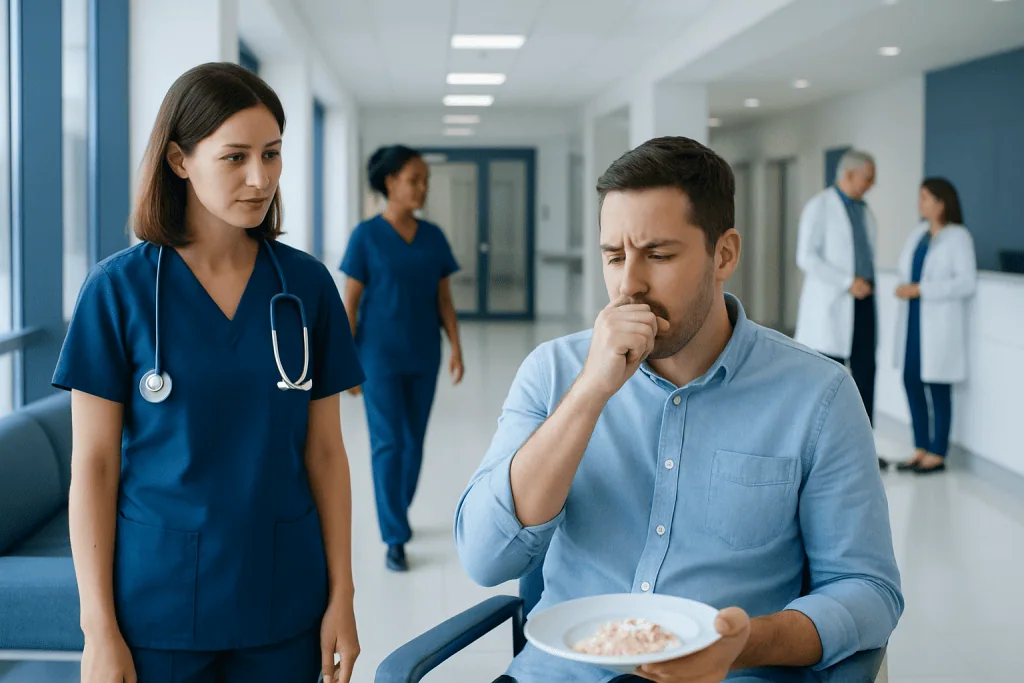
Most hiccups after eating are harmless, short-lived, and related to eating speed, portion size, carbonated drinks, or alcohol. Hiccups occur when the diaphragm contracts suddenly and the vocal cords close shortly afterward.
Key Takeaways
- Most hiccups after eating are harmless, short-lived, and related to eating speed, portion size, carbonated drinks, or alcohol.
- Hiccups occur when the diaphragm contracts suddenly and the vocal cords close shortly afterward.
- Eating more slowly, choosing smaller meals, and limiting personal triggers may reduce recurrent episodes.
- Reflux, some medicines, and less commonly conditions affecting the chest, brain, or metabolism can contribute to persistent hiccups.
- Medical care is important when hiccups last longer than 48 hours, disrupt sleep or eating, or occur with concerning symptoms.
Hiccups after eating are common and usually settle within a few minutes. They often result from temporary irritation of the diaphragm or its nerves, such as when the stomach becomes full quickly, but frequent or persistent episodes may need medical assessment.
Why hiccups can happen after eating
Hiccups after eating are usually caused by a temporary reflex involving the diaphragm, the main muscle used for breathing. A hiccup begins with a sudden, involuntary contraction of the diaphragm. The vocal cords then close quickly, producing the familiar “hic” sound.
After a meal, the stomach may stretch with food, liquid, or swallowed air. This can stimulate nerves involved in the hiccup reflex, especially when a person eats quickly or eats more than usual. In most cases, the episode is brief, uncomfortable rather than dangerous, and resolves without treatment.
Occasional hiccups are a normal experience for many people. Their timing after meals can offer useful clues: episodes that follow large meals, fizzy drinks, spicy foods, or alcohol may improve when those triggers are reduced.
Common meal-related triggers
The most frequent reason for hiccups after meals is rapid stomach expansion. Large portions, eating quickly, drinking quickly, and talking while eating can all increase swallowed air and make the stomach feel overly full. Carbonated beverages may have a similar effect because they add gas to the stomach.
Some foods and drinks can irritate the upper digestive tract or encourage reflux. Spicy foods, very hot or very cold foods, alcohol, and fizzy drinks are common examples. Sudden temperature changes, such as having an iced drink immediately after hot food, may trigger hiccups in some people.
Emotional factors can also play a part. Excitement, laughter, stress, or anxiety may change breathing patterns and increase air swallowing. This does not mean the symptom is “all in the mind”; it simply reflects that hiccups are a reflex influenced by the digestive system, breathing, and nervous system.
- Large or rushed meals
- Carbonated drinks and alcohol
- Spicy foods or rapid changes in food temperature
- Swallowing air while chewing gum, smoking, or talking during meals
- Indigestion or acid reflux symptoms
Could reflux or another health condition be involved?

When hiccups happen repeatedly after eating, gastroesophageal reflux disease (GERD) may be one possible contributor. Reflux occurs when stomach contents move back into the esophagus, the tube connecting the mouth to the stomach. Along with hiccups, a person may notice heartburn, a sour taste, belching, chest discomfort after meals, hoarseness, or a cough that is worse when lying down.
For more information about reflux-related symptoms and evaluation, readers can review gastroesophageal reflux disease. Reflux is common and often manageable, but ongoing symptoms should be discussed with a clinician because treatment depends on the individual’s symptoms and medical history.
Less commonly, persistent hiccups can be associated with medicines, irritation or disease affecting the lungs or chest, metabolic changes, or conditions involving the brain and nervous system. These causes are not the usual explanation for a short episode after a meal, but they are reasons a clinician may investigate hiccups that are prolonged, severe, or unexplained.
A practical approach to easing a brief episode
There is no single home method proven to stop every episode of hiccups. However, simple measures that slow breathing or reduce swallowed air may help some people with brief, uncomplicated hiccups. It is sensible to choose gentle approaches and avoid any technique that causes pain, breathing difficulty, choking risk, or distress.
A person may try sitting upright, taking slow and controlled breaths, sipping cool water slowly, or pausing before continuing a meal. Avoiding further carbonated drinks, alcohol, and large bites until the episode passes may also be useful. Hiccups often stop on their own before any intervention has a chance to work.
When reflux seems to be a pattern, practical lifestyle measures may help: eating smaller meals, allowing time before lying down after food, and identifying individual food triggers. A doctor or pharmacist can advise whether an appropriate reflux treatment is needed, particularly if symptoms are frequent or affect quality of life.
Reducing recurrent hiccups after meals
Keeping a short symptom record can help identify patterns. A person can note what they ate or drank, how quickly they ate, the portion size, whether reflux symptoms occurred, and how long the hiccups lasted. This information can make a medical consultation more useful if the problem continues.
For many people, prevention focuses on mealtime habits rather than strict dietary restrictions. Taking smaller bites, chewing thoroughly, eating at a relaxed pace, and stopping before becoming uncomfortably full can reduce stomach distension. Limiting fizzy drinks and alcohol, particularly with meals, may also reduce episodes.
If specific foods reliably trigger symptoms, it may be reasonable to reduce them temporarily and observe whether the pattern changes. Broadly eliminating many foods without medical advice is usually unnecessary. People with frequent heartburn, trouble swallowing, unexplained weight changes, or persistent upper abdominal symptoms should seek professional guidance rather than relying only on dietary changes.
How doctors assess persistent hiccups
Hiccups are described as persistent when they last more than 48 hours and intractable when they continue for a month or longer. These definitions help clinicians decide when further assessment is appropriate. Persistent hiccups can interfere with sleep, meals, hydration, speaking, and emotional well-being, even when the underlying cause is treatable.
A clinician will usually ask about the timing of hiccups, food and drink triggers, reflux symptoms, recent illnesses, medicines, alcohol use, and any neurological or respiratory symptoms. They may perform a physical examination and, when indicated, arrange tests such as blood tests, chest imaging, or evaluation of the digestive tract.
Treatment is directed at the likely cause. This may include addressing reflux, reviewing medicines that could contribute, or using prescription medicines in selected cases. These medicines are not appropriate for self-treatment and should be chosen and monitored by a qualified healthcare professional.
When to seek medical care
Most brief hiccups after eating do not require urgent care. Medical advice is recommended if hiccups last longer than 48 hours, keep returning without a clear trigger, or interfere with sleep, nutrition, hydration, work, or daily activities. A review is also appropriate when hiccups occur alongside frequent indigestion or reflux symptoms.
Urgent assessment is important if hiccups occur with chest pain, severe abdominal pain, shortness of breath, persistent vomiting, trouble swallowing, new weakness, confusion, severe headache, or other sudden neurological symptoms. These symptoms may point to a problem that needs prompt evaluation rather than simple meal-related hiccups.
Acibadem International’s multidisciplinary specialists and JCI-accredited hospitals can assess persistent hiccups and related digestive or medical concerns for international patients. A clinician can help distinguish a common meal-related reflex from symptoms that warrant targeted testing or treatment.
Frequently asked questions
Why do I get hiccups after eating?
Hiccups after eating most often occur because the stomach expands quickly or because swallowed air irritates the diaphragm-related hiccup reflex. Large meals, rapid eating, carbonated drinks, alcohol, and spicy foods are common triggers. Most episodes stop on their own within minutes.
Are hiccups after eating a sign of acid reflux?
They can be, especially when hiccups occur with heartburn, sour taste, belching, cough, or discomfort after meals. However, hiccups alone do not confirm reflux. A clinician can assess recurring symptoms and recommend appropriate management.
What is the fastest safe way to stop hiccups after a meal?
Brief hiccups often settle naturally. Sitting upright, slowing the breathing, and sipping cool water slowly may help some people. It is best to avoid risky methods that involve breath-holding for too long, swallowing unusual substances, or anything that could cause choking.
Can eating slowly prevent hiccups?
Eating slowly may reduce hiccups for people whose episodes are related to stomach fullness or swallowed air. Smaller bites, thorough chewing, and limiting fizzy drinks can also help. Keeping track of triggers can identify which changes are most useful for an individual.
When are hiccups considered persistent?
Hiccups lasting more than 48 hours are considered persistent. They should be assessed by a healthcare professional, particularly if they disturb sleep, eating, or hydration. Persistent hiccups sometimes have an underlying cause that can be treated.
Should I worry if I have hiccups every day after eating?
Daily hiccups are not necessarily serious, but a recurring pattern deserves medical discussion, especially if it is new or accompanied by reflux, trouble swallowing, pain, or weight changes. A doctor can review eating habits, medicines, and possible digestive causes. Seek urgent care if hiccups are accompanied by chest pain, breathing difficulty, or neurological symptoms.
References
- National Institute of Diabetes and Digestive and Kidney Diseases
- Mayo Clinic
- Merck Manual Consumer Version
- Cleveland Clinic
- National Health Service
This article is for general information only and is not a substitute for professional medical advice. Please consult a qualified doctor about your individual situation.
Persistent digestive symptoms? Get evaluated in Turkey
JCI-accredited · board-certified surgeons · reply within 24h
Add us as a Preferred Source to see more of our trusted health content across Google Search, AI Overviews and Discover.