Strong Urge to Sleep at Work Receptionist: A Complete Medical Overview
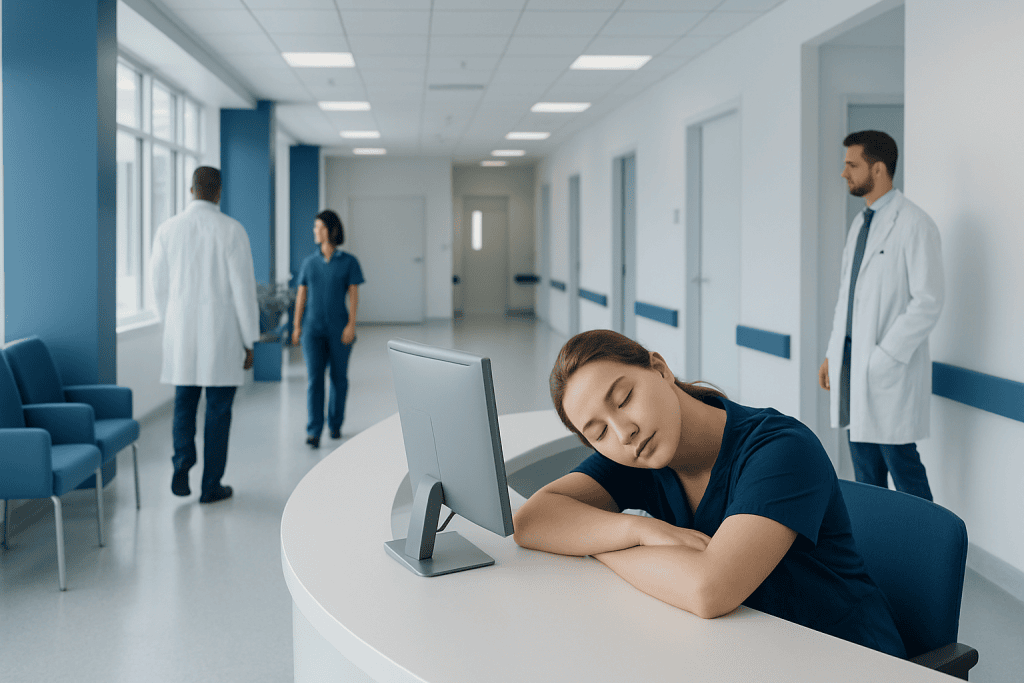
Persistent daytime sleepiness is different from ordinary end-of-day tiredness and can affect attention, memory, mood, and safety. Not getting enough sleep is common, but sleep quality matters as much as sleep duration.
Key Takeaways
- Persistent daytime sleepiness is different from ordinary end-of-day tiredness and can affect attention, memory, mood, and safety.
- Not getting enough sleep is common, but sleep quality matters as much as sleep duration.
- Snoring, breathing pauses during sleep, restless legs, mood symptoms, medication effects, and some medical conditions can contribute.
- Short-term alertness strategies may help during a shift, but they do not replace adequate sleep or treatment of an underlying cause.
- Medical advice is important when sleepiness is frequent, interferes with work or driving, or occurs with concerning symptoms.
A strong urge to sleep at work as a receptionist is often related to insufficient or poor-quality sleep, an irregular schedule, stress, medications, or an underlying medical or sleep condition. Because reception work requires sustained attention, frequent communication, and sometimes driving before or after work, ongoing daytime sleepiness deserves practical changes and, when needed, medical assessment.
Overview: Why a Receptionist May Feel a Strong Urge to Sleep at Work
A strong urge to sleep at work in a receptionist usually means excessive daytime sleepiness: a repeated tendency to doze off or struggle to stay awake during times when a person intends to be alert. It can happen after a short night of sleep, but it may also reflect disrupted sleep, shift-related body-clock changes, medication effects, emotional strain, or a health condition that affects sleep or energy.
Reception roles can make sleepiness especially noticeable. The work often involves sitting for extended periods, watching screens, repeating routine tasks, and staying socially engaged with visitors and callers. Quiet periods may make the brain’s natural dip in alertness more apparent, particularly in the early afternoon.
Daytime sleepiness is not a sign of laziness or poor motivation. It is a symptom with many possible causes. Identifying patterns—such as when it starts, how often it happens, how much sleep occurs at night, and whether there is snoring or unplanned dozing—can help a clinician determine the most useful next steps.
Sleepiness, Fatigue, and the Workday Alertness Dip
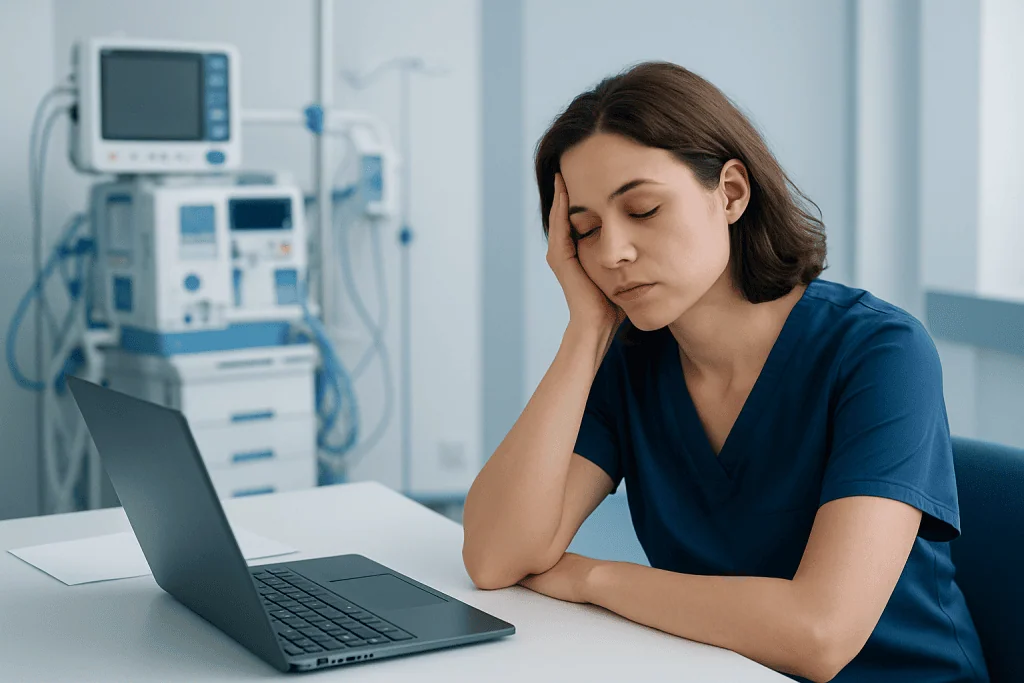
Sleepiness and fatigue are related but not identical. Sleepiness is the biological drive to fall asleep; a person may nod off, have heavy eyelids, lose focus, or struggle to keep their head up. Fatigue is a broader feeling of low energy, exhaustion, or reduced motivation that may occur even when someone does not feel likely to fall asleep.
Many people experience a natural reduction in alertness in the early afternoon. A heavy meal, a warm office, dim lighting, dehydration, monotonous tasks, or prolonged sitting can make this normal dip feel stronger. However, routinely fighting sleep, needing repeated caffeine to function, or unintentionally falling asleep is more than an ordinary afternoon slump.
Receptionists should take sleepiness seriously when it affects accuracy, communication, judgment, or safety. This is particularly important if the person drives to work, commutes home after a long shift, operates equipment, or has near-misses such as drifting while driving or missing parts of conversations.
Common Causes and Risk Factors
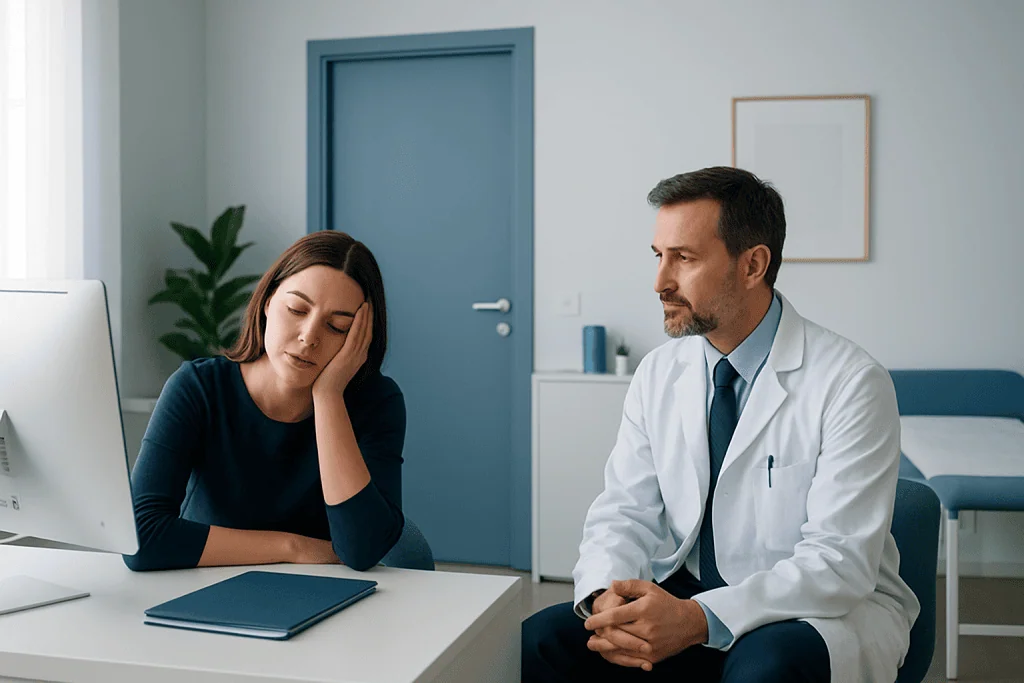
The most common cause of daytime sleepiness is insufficient sleep. Adults vary in their individual needs, but regularly cutting sleep short, staying up late to use screens, caring for family members, working more than one job, or having an inconsistent bedtime can build up a sleep debt. Sleeping longer on days off may be a clue that weekday sleep is not enough.
Sleep may also be long enough but unrefreshing. Loud habitual snoring, witnessed pauses in breathing, gasping during sleep, morning headaches, dry mouth, and waking unrefreshed can suggest obstructive sleep apnea. This condition causes repeated interruptions in breathing during sleep and can result in significant daytime sleepiness. Other sleep-related concerns include insomnia, restless legs symptoms, frequent nighttime urination, chronic pain, and shift-work sleep disruption.
Medical and emotional factors can contribute as well. Depression, anxiety, prolonged stress, anemia, thyroid disorders, diabetes, infections, and other conditions may reduce energy or disturb sleep. Some medicines—including certain allergy medicines, pain medicines, anti-anxiety medicines, sleep aids, and medicines with sedating effects—can cause drowsiness. Alcohol and cannabis may also impair sleep quality or contribute to next-day sleepiness.
A clinician may also consider less common sleep disorders when a person has severe sleepiness despite adequate sleep. For example, sudden episodes of muscle weakness triggered by strong emotions, vivid dream-like experiences while falling asleep or waking, or sleep paralysis may warrant assessment for narcolepsy or another central disorder of hypersomnolence.
How a Clinician Evaluates Ongoing Daytime Sleepiness
An evaluation usually begins with a detailed discussion. A doctor may ask about bedtimes and wake times on workdays and days off, nighttime awakenings, snoring, breathing pauses, work schedule, caffeine and alcohol use, mental health, and all medicines and supplements. The impact on work, relationships, concentration, and driving is also important.
Keeping a sleep diary for one or two weeks can be useful. It may include sleep and wake times, naps, caffeine use, exercise, alcohol intake, symptoms, and moments of unplanned dozing. In some cases, a wearable activity monitor may help estimate sleep-wake patterns, although it does not replace a formal sleep evaluation.
A physical examination and selected blood tests may be used to look for contributing conditions, such as anemia or thyroid disease. If sleep apnea or another sleep disorder is suspected, the clinician may recommend a sleep study. This may be done at home for selected people or in a sleep laboratory, depending on symptoms and medical history.
It is helpful to bring a list of medications, including over-the-counter products. A person should not stop prescribed medicines suddenly because of sleepiness; instead, they should ask the prescribing clinician whether timing, dose, or an alternative treatment may be appropriate.
Practical Steps for Staying Alert at Reception
Short-term workplace measures can support alertness, especially while the underlying cause is being addressed. Taking brief movement breaks, standing or walking for a few minutes, stretching, getting daylight exposure during a break, drinking water regularly, and keeping the workstation well lit may help reduce the effects of prolonged sitting and low stimulation.
Regular meals that include protein, fiber, and nutrient-rich foods may support steadier energy than a large, high-sugar lunch. Caffeine can improve short-term alertness for some people, but it is best used thoughtfully. Consuming it late in the day can delay sleep and create a cycle of poorer nighttime rest followed by more daytime caffeine use.
A brief nap can be helpful for some people when it is safe, permitted, and timed appropriately. Long or late-day naps may make it harder to fall asleep at night. For people with a persistent urge to sleep, workplace strategies should be viewed as supportive measures rather than a substitute for correcting insufficient sleep or seeking assessment.
- Keep a consistent wake-up time whenever possible, including on days off.
- Plan a wind-down routine and limit bright screens close to bedtime.
- Use breaks for daylight, movement, and hydration rather than remaining seated.
- Arrange important, detail-heavy tasks for the time of day when alertness is strongest.
- Avoid driving when severely sleepy; use a safer travel option or delay travel if possible.
Improving Sleep Quality Outside Work
Good sleep habits can make a meaningful difference when sleepiness is linked to an irregular routine or insufficient rest. A cool, dark, quiet sleep environment, a predictable pre-sleep routine, and limiting late-night work or stimulating activities can help the body prepare for sleep. Regular daytime physical activity may also improve sleep, although strenuous exercise very close to bedtime may not suit everyone.
People who work rotating, early, or night shifts may need a more individualized plan. Protecting a consistent sleep window, reducing light exposure before daytime sleep after a night shift, and discussing schedule adjustments with an employer where possible can be beneficial. A healthcare professional or sleep specialist can provide more tailored advice for persistent shift-related sleep difficulties.
If snoring, choking or gasping during sleep, or non-restorative sleep is present, general sleep hygiene alone may not be enough. Evaluation and treatment of the underlying problem are important. Conditions such as sleep apnea can often be identified through appropriate sleep testing and managed with an individualized care plan.
When to Seek Medical Care
Medical advice is appropriate when daytime sleepiness lasts for more than a few weeks, happens most days, affects job performance, or continues despite allowing enough time for sleep. A primary care doctor can review common causes and arrange further testing or referral to a sleep specialist when appropriate.
More prompt assessment is important if sleepiness causes unplanned dozing, near-misses or accidents, difficulty staying awake while driving, or mistakes that could affect another person’s safety. A person should avoid driving or performing hazardous tasks if they feel unable to stay awake.
It is also sensible to seek care for loud snoring with breathing pauses, nighttime choking or gasping, persistent insomnia, new severe mood symptoms, unexplained weight changes, palpitations, shortness of breath, or symptoms suggestive of narcolepsy. Acibadem International’s multidisciplinary specialists and JCI-accredited hospitals evaluate sleep-related and general medical causes of daytime sleepiness for international patients.
With a clear history and appropriate testing, many causes of daytime sleepiness can be addressed. The aim is not simply to push through the workday, but to improve restorative sleep, health, concentration, and day-to-day safety.
Frequently asked questions
Why do I have a strong urge to sleep at work even after sleeping at night?
Sleeping for several hours does not always mean sleep was restorative. Frequent awakenings, snoring and breathing interruptions, stress, pain, medications, alcohol, or an irregular schedule can reduce sleep quality. If this happens often, a clinician can help assess possible causes.
Can a receptionist’s work environment make sleepiness worse?
Yes. Long periods of sitting, screen use, quiet intervals, warm rooms, low lighting, and repetitive tasks can make an underlying tendency toward sleepiness more noticeable. These factors do not usually explain severe or persistent sleepiness on their own.
Is it normal to feel sleepy after lunch at work?
A mild drop in alertness in the early afternoon is common because of normal body-clock rhythms. Feeling unable to stay awake, regularly dozing off, or needing substantial caffeine to get through the day is not something to ignore. It may signal insufficient sleep or another contributing problem.
What can I do immediately if I am struggling to stay awake at the reception desk?
If possible, take a short break to walk, stretch, drink water, and get brighter light or outdoor daylight. A lighter, balanced meal and avoiding a very warm or dim workspace may also help. Do not drive or do safety-sensitive work if you feel unable to remain alert.
Can medications cause excessive sleepiness at work?
Yes. Some allergy medicines, sleep medicines, pain medicines, anxiety medicines, and other treatments can cause drowsiness, especially when started or adjusted. A person should speak with the prescribing clinician or pharmacist before changing how a prescribed medicine is taken.
When could daytime sleepiness be a sign of sleep apnea?
Sleep apnea is more likely when daytime sleepiness occurs with loud snoring, witnessed breathing pauses, gasping during sleep, morning headaches, dry mouth, or waking unrefreshed. A sleep study may be recommended to confirm the diagnosis. Treatment can improve sleep quality and daytime functioning.
This article is for general information only and is not a substitute for professional medical advice. Please consult a qualified doctor about your individual situation.
Explore treatments in Turkey — costs, top hospitals & a free quote
JCI-accredited · board-certified surgeons · reply within 24h
Add us as a Preferred Source to see more of our trusted health content across Google Search, AI Overviews and Discover.

More from the Health Library

Cable Dumbbell Curls: What Patients Need to Know

Tobramycin: A Complete Medical Overview

Wormwood — Explained by Medical Evidence, Not Myths

Sweet Smelling Urine: What Patients Need to Know

Intellectual Age Test: An Evidence-Based Guide for Patients