Conization: What Patients Need to Know

Conization removes cervical tissue for both diagnosis and treatment of certain abnormal cell changes. The procedure may be performed using a surgical scalpel, laser, or an electrical wire loop.
Key Takeaways
- Conization removes cervical tissue for both diagnosis and treatment of certain abnormal cell changes.
- The procedure may be performed using a surgical scalpel, laser, or an electrical wire loop.
- Most patients go home the same day and can expect light bleeding or discharge during healing.
- Follow-up cervical screening is essential because abnormal cervical cells can recur.
- Conization can affect future pregnancy in some people, so fertility plans should be discussed before treatment.
Conization, also called a cone biopsy, removes a small cone-shaped section of the cervix for laboratory testing and, in many cases, treatment of abnormal or precancerous cells. It is commonly recommended after cervical screening, HPV testing, colposcopy, or biopsy identifies changes that need closer assessment or removal.
What Is Conization?
Conization is a procedure in which a doctor removes a cone-shaped piece of tissue from the cervix, the lower part of the uterus that opens into the vagina. The removed tissue includes cells from the outer cervix and the cervical canal. It is examined in a laboratory to identify whether abnormal cells are precancerous, cancerous, or noncancerous.
The procedure is often called a cone biopsy because it provides a tissue sample while also removing an area of concern. For many patients with high-grade precancerous cell changes, conization can be both diagnostic and therapeutic: it helps clarify the diagnosis and may remove all of the abnormal tissue.
Conization is not the same as routine cervical screening. A Pap test and HPV test collect surface cells, while conization removes a deeper, larger sample. It is usually considered after colposcopy and a smaller biopsy have shown changes that require further evaluation or treatment.
Why a Doctor May Recommend a Cone Biopsy
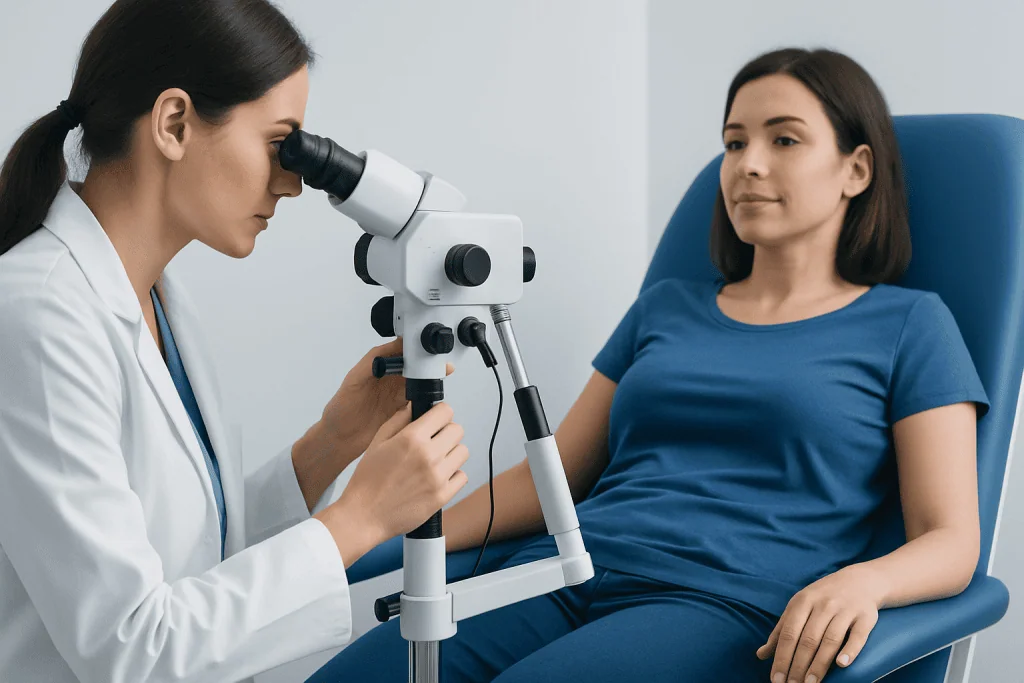
A doctor may recommend conization when cervical test results suggest moderate to severe precancerous changes, often called cervical intraepithelial neoplasia (CIN). It may also be advised when test findings are unclear, when abnormal cells extend into the cervical canal, or when there is concern that an early cancer could be present deeper in the tissue.
The procedure can help assess conditions such as cervical cancer and its precancerous stages. Most people who need conization do not have invasive cancer. Rather, the goal is often to remove abnormal cells before they have an opportunity to develop further.
Conization may also be used when previous treatment has not fully removed abnormal cells, when a colposcopy examination does not provide a clear view of the area of concern, or when glandular cell abnormalities are found. The final laboratory report helps guide whether monitoring, further treatment, or cancer care is needed.
Types of Conization and How the Procedure Is Performed
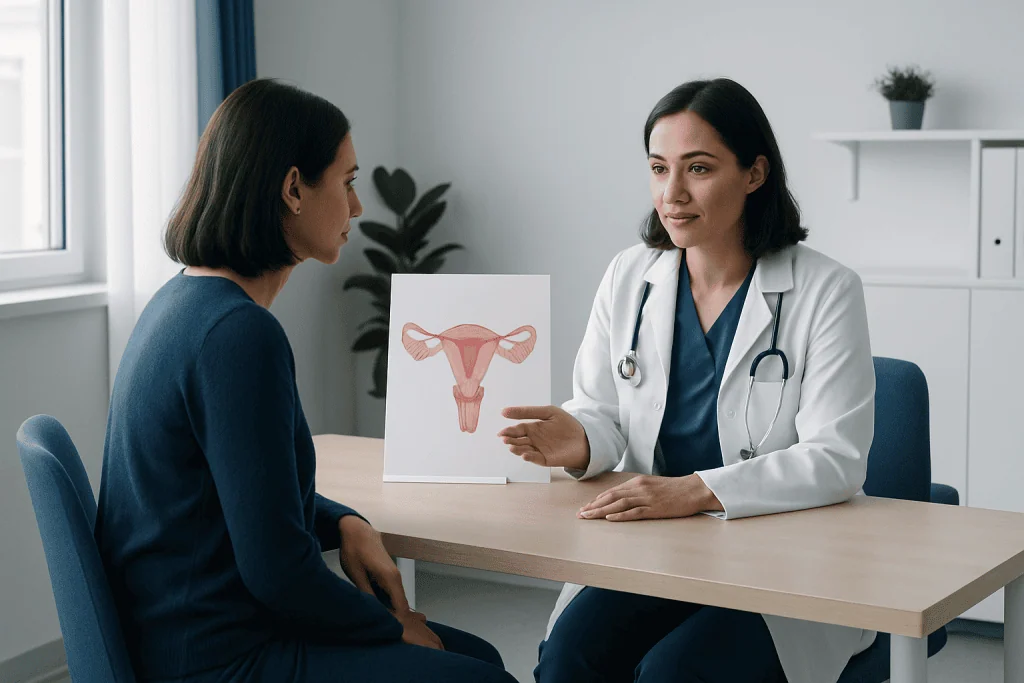
Several techniques can be used for conization. The best option depends on the location and extent of the abnormal cells, prior test results, the need for a detailed tissue specimen, and individual factors such as future pregnancy plans.
- Cold knife conization: A surgeon uses a scalpel to remove the tissue. This technique may be preferred when there is concern about glandular abnormalities or invasive cancer because it can provide tissue edges that are easier for the laboratory to assess.
- Laser conization: A focused laser is used to remove the cone-shaped tissue. It may be appropriate in selected situations.
- Loop electrosurgical excision procedure (LEEP): A thin wire loop carrying electrical current removes abnormal tissue. LEEP is often performed under local anesthesia, while other forms of conization may more commonly involve regional or general anesthesia.
Before the procedure, the clinical team reviews medical history, medications, allergies, pregnancy possibility, and bleeding risks. During conization, the cervix is accessed through the vagina, so there are no abdominal incisions. The doctor removes the planned tissue sample and controls bleeding with medication, cautery, or stitches when needed. The sample is then sent to a pathology laboratory.
Conization may be performed in an outpatient clinic, procedure room, or operating theater. The setting and anesthesia plan vary by technique and individual needs. Patients should follow their care team’s instructions regarding eating, drinking, medicines, and arranging a safe journey home if sedation or anesthesia is used.
Preparing for Conization and Understanding Results
Preparation commonly includes a review of recent cervical screening, colposcopy findings, biopsy results, and imaging or blood tests when clinically appropriate. Patients should tell their doctor about medicines that affect bleeding, such as anticoagulants or antiplatelet medicines. These medicines should not be stopped independently; the prescribing clinician and procedural team can provide individualized guidance.
Conization is generally scheduled when a person is not menstruating, if possible, because active bleeding can make the cervix harder to assess. A pregnancy test may be requested for people who could be pregnant. Conization during pregnancy is considered only in specific circumstances, usually when there is significant concern about cancer, because the procedure may increase pregnancy-related risks.
The pathology report usually describes the type and grade of any abnormal cells and whether the edges of the removed tissue, called margins, are free of abnormal cells. Clear margins can be reassuring, but they do not eliminate the need for follow-up. Positive or uncertain margins do not automatically mean another procedure is required; the next step depends on the pathology findings, HPV status, age, reproductive plans, and ability to attend follow-up testing.
Recovery, Healing, and Possible Side Effects
Most patients return home on the day of the procedure. Mild cramping, light vaginal bleeding, or watery and brownish discharge can occur during healing. Some people notice dark discharge after a paste or solution has been used to control bleeding. These effects are often temporary, but the care team should be contacted if symptoms are worsening or do not seem consistent with the recovery instructions provided.
To allow the cervix to heal, clinicians commonly advise avoiding vaginal intercourse, tampons, douching, swimming, and heavy physical exertion for a period of time. The exact restrictions vary by technique and should be confirmed with the treating clinician. Sanitary pads are usually recommended instead of tampons while bleeding or discharge is present.
Possible complications are uncommon but can include heavier bleeding, infection, cervical narrowing, or incomplete removal of abnormal cells. In people who later become pregnant, some forms of conization may be associated with a modestly increased risk of cervical insufficiency or preterm birth, particularly when a larger amount of cervical tissue has been removed. A gynecologist or obstetrician can discuss how this history may influence pregnancy monitoring.
Follow-up is an important part of recovery. Repeat HPV testing, Pap testing, colposcopy, or a combination of these may be recommended at planned intervals. Regular monitoring helps identify persistent or recurrent abnormal cells early.
Protecting Cervical Health After Treatment
Conization treats the tissue that has been removed, but it does not prevent every future cervical abnormality. Ongoing cervical screening remains important even after a normal pathology result or successful treatment. The recommended screening schedule depends on age, past results, the type of abnormality treated, and local clinical guidance.
Persistent infection with high-risk types of human papillomavirus (HPV) is the main cause of most cervical precancers and cancers. HPV vaccination can help protect against several HPV types linked with cervical cancer and other HPV-related diseases. It may still be useful for some people who have had HPV exposure or treatment, so eligibility can be discussed with a clinician.
Using barrier protection during sex can reduce, though not fully eliminate, HPV transmission. Avoiding tobacco products may also support cervical health, as smoking is associated with a greater likelihood of persistent HPV infection and cervical cell changes. These steps work alongside, rather than replace, recommended screening and follow-up care.
When to Seek Medical Care
Patients should contact their clinical team promptly if they have heavy vaginal bleeding, such as soaking through a pad in a short period, large blood clots, severe or increasing pelvic pain, fever, chills, or foul-smelling discharge after conization. These symptoms can indicate bleeding or infection and should be assessed without delay.
Medical advice is also appropriate if bleeding lasts longer than expected, a menstrual period is substantially delayed after recovery, or there are concerns about returning to sexual activity, exercise, or trying for pregnancy. People who are pregnant or think they may be pregnant should tell their doctor before any cervical procedure is planned.
For patients needing assessment or treatment, Acibadem International’s multidisciplinary specialists and JCI-accredited hospitals support international patients with cervical evaluation, pathology review, and individualized gynecologic care. Decisions about conization should be made with a qualified gynecologist who can explain the expected benefits, alternatives, and follow-up plan.
Frequently asked questions
Is conization the same as a LEEP?
LEEP is one method that may be used to remove abnormal cervical tissue, but it is not identical to every form of conization. Conization can also be performed with a surgical scalpel or laser. The most suitable technique depends on the reason for treatment and the type of tissue sample needed.
How painful is conization?
The procedure is performed with anesthesia or numbing medicine, so patients should not feel significant pain during tissue removal. Mild cramping or discomfort can occur afterward and is often manageable with the pain-relief plan recommended by the care team. Severe or worsening pain should be reported.
How long does it take to recover from conization?
Initial recovery usually takes days, while cervical healing may take several weeks. Light bleeding or discharge can occur during this time. The treating clinician will advise when it is safe to resume intercourse, tampon use, swimming, exercise, and other activities.
Can conization affect fertility?
Conization generally does not prevent pregnancy, and many people conceive afterward. However, removal of cervical tissue may slightly increase certain pregnancy risks, including preterm birth, especially after larger or repeated excisions. People planning pregnancy should discuss this with their gynecologist before treatment when possible.
Does conization cure cervical precancer?
Conization can remove the abnormal area completely in many cases, making it an effective treatment for cervical precancer. However, follow-up testing is still necessary because HPV infection or abnormal cells can persist or return. Further care depends on the pathology report and future screening results.
When will conization results be available?
The timing varies by laboratory and healthcare setting, but results are commonly reviewed after the pathology team has examined the tissue sample. The doctor will explain the cell findings, margin status, and whether additional monitoring or treatment is recommended. Patients should ask when and how they will receive their results.
This article is for general information only and is not a substitute for professional medical advice. Please consult a qualified doctor about your individual situation.
Oncology care in Turkey — second opinion and treatment plan
JCI-accredited · board-certified surgeons · reply within 24h
Add us as a Preferred Source to see more of our trusted health content across Google Search, AI Overviews and Discover.

More from the Health Library

Baby Bouncer: What Patients Need to Know

D Vit D3: What Patients Need to Know

Fluocinolone: An Evidence-Based Guide for Patients

Antrum — Explained by Medical Evidence, Not Myths

Spinal Decompression: A Complete Medical Overview