Frontotemporal Dementia Causes: An Evidence-Based Guide for Patients

FTD is a group of neurodegenerative conditions that mainly affects behavior, personality, language, and sometimes movement. The underlying process usually involves abnormal tau, TDP-43, or less commonly FUS proteins in brain cells.
Key Takeaways
- FTD is a group of neurodegenerative conditions that mainly affects behavior, personality, language, and sometimes movement.
- The underlying process usually involves abnormal tau, TDP-43, or less commonly FUS proteins in brain cells.
- About a portion of cases run in families and may be linked to inherited gene variants, but most cases are not clearly inherited.
- Symptoms can begin at a younger age than in Alzheimer’s disease, often between ages 45 and 65.
- There is currently no cure, but individualized care can help manage symptoms, maintain function, and support caregivers.
- New or progressive changes in behavior, language, judgment, or daily functioning should be medically assessed.
Frontotemporal dementia (FTD) is caused by progressive damage to nerve cells in the frontal and temporal lobes of the brain, most often linked to abnormal protein accumulation. A family history can raise risk in some cases, but many people with FTD do not have a known inherited cause.
Overview: What Causes Frontotemporal Dementia?
Frontotemporal dementia causes are linked to progressive damage of nerve cells in the frontal and temporal lobes, the brain regions involved in personality, planning, judgment, emotions, language, and social behavior. This damage is usually associated with abnormal proteins that build up inside brain cells and interfere with their normal function.
Frontotemporal dementia is not one single disease. It is a group of related disorders, often called FTD, that can produce different symptom patterns. Some people first develop changes in behavior and social judgment, while others mainly experience difficulties with speaking, finding words, or understanding language.
Unlike a stroke or brain injury, FTD usually develops gradually. It is not caused by everyday stress, personality traits, poor parenting, or a person “choosing” to behave differently. Understanding the biological basis of FTD can help families recognize that symptoms reflect brain disease and deserve compassionate medical support.
The Brain Changes Behind FTD
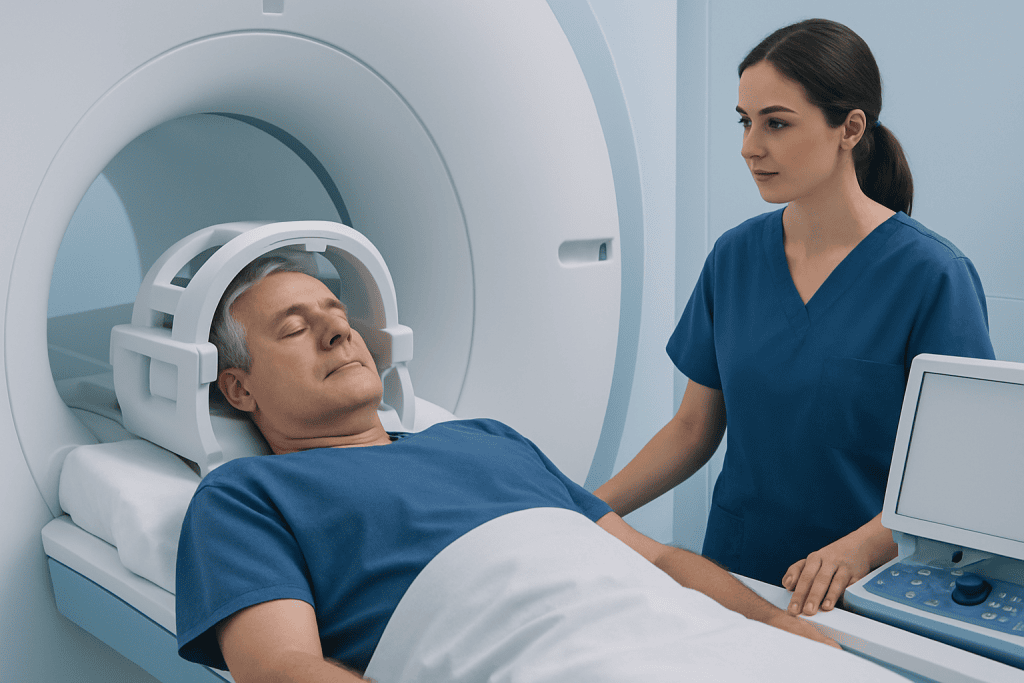
In FTD, nerve cells in specific areas of the brain gradually lose function and die. The frontal lobes, located behind the forehead, help regulate behavior, impulse control, planning, motivation, and emotional responses. The temporal lobes, located near the ears, are important for language, word meaning, and aspects of memory.
As these cells are affected, the involved areas can shrink over time, a process called atrophy. The pattern of brain change differs among individuals and helps explain why one person may have marked behavioral changes while another has primarily language-related symptoms.
Protein changes are central to most forms of FTD. The main proteins associated with FTD are tau and TDP-43; a smaller number of cases involve a protein called FUS. These proteins normally have useful roles in cells, but when they become abnormally shaped, processed, or accumulated, they may disrupt essential cell functions.
FTD is distinct from Alzheimer’s disease, although symptoms may overlap and both conditions are neurodegenerative. Alzheimer’s disease often begins with prominent difficulty forming new memories, whereas FTD more commonly begins with behavior, personality, speech, or language changes. Only a specialist assessment can determine the likely cause of cognitive symptoms.
Genetic and Family-Related Causes

Some cases of frontotemporal dementia are inherited. A person with an inherited form has a disease-causing genetic variant that can be passed through families. The most commonly recognized genes associated with familial FTD include C9orf72, GRN, and MAPT. Each affects brain cells differently, and the same gene change can sometimes lead to different symptom patterns among relatives.
A family history of FTD, early-onset dementia, unexplained personality change, certain movement disorders, or amyotrophic lateral sclerosis (ALS) may prompt a clinician to consider a genetic cause. In particular, some C9orf72-related conditions can be associated with both FTD and ALS.
However, having a relative with dementia does not automatically mean a person will develop FTD. Many causes of dementia occur later in life and are not due to a single inherited gene. Likewise, many people diagnosed with FTD have no known family history and no identifiable genetic explanation.
Genetic testing is not routinely appropriate for everyone with memory or behavior concerns. When it is considered, genetic counseling is important before and after testing. A counselor or specialist can explain what a result may mean for the individual and family members, as well as the emotional and practical implications of testing.
Risk Factors and What Is Not Known
Age is a relevant factor, although FTD often begins earlier than many other dementias. Symptoms frequently start in mid-adulthood, but FTD can occur before or after this period. It is not a normal part of aging.
The clearest established risk factor is a strong family history consistent with inherited FTD. Outside of genetic forms, researchers are still learning why abnormal proteins develop in some people. There is no proven lifestyle behavior, food, occupation, or isolated emotional event that has been shown to directly cause FTD.
Head injury, cardiovascular health, sleep, physical activity, and social engagement are important topics for overall brain health. However, people should not assume that a past injury or a personal health choice caused FTD. Blame can add distress to an already challenging diagnosis and is not supported by current evidence in most cases.
Because research is ongoing, it is helpful to discuss individual concerns with a neurologist rather than relying on online symptom checklists. A specialist can consider the person’s medical history, family history, medications, mood, sleep, and other conditions that may contribute to cognitive or behavioral changes.
Symptoms That May Reflect FTD
The symptoms of FTD depend on which brain networks are affected first. In the behavioral form, a person may become less socially aware, more impulsive, less empathetic, unusually apathetic, repetitive, or less able to manage work, finances, meals, and other daily responsibilities. These changes may initially be misunderstood as stress, depression, relationship difficulties, or a psychiatric condition.
Language-led forms can cause gradual trouble finding words, producing speech, understanding spoken language, naming objects, or knowing the meaning of familiar words. Memory may be relatively preserved in the early stages for some people, although it can become affected later.
Some individuals develop movement-related symptoms, such as stiffness, slowed movement, falls, tremor, swallowing difficulty, or muscle weakness. FTD can overlap with conditions in the movement-disorder spectrum, including ALS in a minority of patients.
Symptoms alone cannot confirm FTD. Depression, anxiety, medication effects, thyroid disorders, vitamin deficiencies, sleep disorders, infections, stroke, and other neurological conditions can cause similar concerns. A thorough evaluation is therefore essential.
How Doctors Diagnose Frontotemporal Dementia
There is no single blood test that confirms every case of FTD. Diagnosis is based on a careful assessment of symptoms over time, medical and family history, physical and neurological examination, and testing of thinking, language, behavior, and everyday function.
Brain imaging, such as MRI or CT, may identify changes in the frontal or temporal lobes and can also help exclude other causes, including tumors, bleeding, hydrocephalus, or certain vascular problems. In selected cases, functional imaging or other specialized tests may be used to clarify the diagnosis.
Clinicians may request blood tests to look for potentially reversible contributors to cognitive symptoms. Neuropsychological assessment can provide a detailed picture of attention, executive function, language, memory, and social cognition. Information from a close family member or caregiver is especially valuable because the person affected may not fully recognize behavioral changes.
When the diagnosis remains uncertain, follow-up over time can be important. Symptoms and test findings may evolve, allowing the care team to distinguish FTD from Alzheimer’s disease, psychiatric illness, vascular cognitive impairment, or other neurological conditions more accurately.
Treatment, Support, and Daily Care
There is currently no treatment that can stop or reverse the underlying brain changes in FTD. Care focuses on easing specific symptoms, preserving independence where possible, reducing safety risks, and supporting the person and their family. The care plan should be individualized and reviewed as needs change.
Non-drug approaches are often central. These may include predictable routines, simple communication, environmental adjustments, supervision of finances or driving when needed, speech and language therapy, occupational therapy, physical therapy, and caregiver education. Support groups may also help families navigate practical and emotional challenges.
Doctors may sometimes recommend medicines for symptoms such as depression, anxiety, compulsive behaviors, agitation, or sleep disturbance. Medication choices require careful assessment because responses vary and some drugs can worsen confusion, falls, or other symptoms. Treatments commonly used for Alzheimer’s disease are not routinely beneficial for all forms of FTD.
People with complex symptoms may benefit from coordinated neurological care and rehabilitation support. Acibadem International’s multidisciplinary specialists and JCI-accredited hospitals assess and treat neurological conditions for international patients, with care plans tailored to clinical needs.
When to Seek Medical Care
Medical assessment is recommended when a person develops persistent or progressive changes in personality, behavior, language, judgment, motivation, work performance, or ability to manage everyday tasks. Early evaluation can identify treatable causes, clarify support needs, and help families plan ahead.
A prompt appointment is particularly important if changes are affecting safety, including unsafe driving, financial vulnerability, wandering, falls, aggression, swallowing problems, or difficulty taking essential medicines. Family members should document examples of changes and bring a medication list and relevant family history to the visit.
Emergency care is needed for symptoms that begin suddenly, such as abrupt confusion, facial weakness, trouble speaking, severe new headache, fainting, seizure, or weakness on one side of the body. These symptoms are not typical of gradually developing FTD and may indicate a time-sensitive medical emergency such as stroke.
Although FTD cannot currently be prevented in most cases, general health measures remain worthwhile. Regular physical activity, balanced nutrition, treatment of high blood pressure and diabetes, avoiding tobacco, adequate sleep, social connection, and regular medical care support overall health and may help maintain function.
Frequently asked questions
What is the main cause of frontotemporal dementia?
The main biological cause is progressive damage to nerve cells in the frontal and temporal areas of the brain. This damage is usually associated with abnormal buildup of proteins, most commonly tau or TDP-43. Researchers are still studying why these protein changes begin in people without an inherited form of the condition.
Is frontotemporal dementia hereditary?
Some cases are hereditary and result from gene variants passed through families. Genes including C9orf72, GRN, and MAPT are well-recognized causes of inherited FTD. Many people with FTD, however, have no known family history or identifiable genetic cause.
Can stress cause frontotemporal dementia?
Stress is not known to cause frontotemporal dementia. Stress, depression, anxiety, and sleep problems can affect concentration, mood, and behavior, but they do not explain the progressive brain-cell changes seen in FTD. Persistent changes should be discussed with a qualified clinician.
How is FTD different from Alzheimer’s disease?
FTD more often begins with changes in behavior, judgment, personality, or language, while Alzheimer’s disease commonly begins with problems forming new memories. There can be overlap, especially as either condition progresses. A neurological assessment and appropriate testing help distinguish between them.
At what age does frontotemporal dementia usually begin?
FTD often begins in mid-adulthood and can affect people at a younger age than many other forms of dementia. It can still occur outside this age range. Age alone cannot confirm or rule out the condition.
Can frontotemporal dementia be cured or prevented?
There is no cure or proven way to prevent most forms of FTD at present. Treatment can still make a meaningful difference by addressing symptoms, improving safety, supporting communication and daily function, and helping caregivers. Research into disease-modifying treatments is ongoing.
References
- National Institute on Aging
- National Institute of Neurological Disorders and Stroke
- Alzheimer's Association
- Association for Frontotemporal Degeneration
- Mayo Clinic
This article is for general information only and is not a substitute for professional medical advice. Please consult a qualified doctor about your individual situation.
Dementia in Turkey — costs, top hospitals & a free quote
JCI-accredited · board-certified surgeons · reply within 24h
Add us as a Preferred Source to see more of our trusted health content across Google Search, AI Overviews and Discover.

Neurology
Diagnosis and treatment of disorders of the brain, spinal cord, nerves and muscles.
51 specialists in this unitMore from the Health Library

Zepbound Doses: What Patients Need to Know

Ozzy Osbourne Health: What Patients Need to Know

Botulinum Toxin — Explained by Medical Evidence, Not Myths

Ub04 Form: A Complete Medical Overview

Austedo Uses: What Patients Need to Know