What Is Bhang? Causes, Explanations, and Next Steps

Bhang is a cannabis preparation that can contain the psychoactive compound THC. Its effects may take longer to begin and last longer when it is eaten or drunk rather than inhaled.
Key Takeaways
- Bhang is a cannabis preparation that can contain the psychoactive compound THC.
- Its effects may take longer to begin and last longer when it is eaten or drunk rather than inhaled.
- Temporary anxiety, dizziness, poor coordination, nausea and confusion can occur, especially with higher doses.
- Severe confusion, chest pain, breathing difficulty, seizures or unsafe behavior require urgent medical assessment.
- A doctor can assess symptoms, check for other causes and provide supportive treatment when needed.
Bhang is a traditional preparation made from parts of the cannabis plant, commonly mixed into drinks or foods. Many people experience mild, temporary effects, but stronger reactions can occur, particularly after a large amount, an edible product, or use alongside alcohol or medicines.
What is bhang?
Bhang is a preparation made from the cannabis plant. It is traditionally used in some South Asian cultural and religious settings and may be blended into drinks, sweets, foods or pastes. Depending on how it is prepared, bhang can contain tetrahydrocannabinol (THC), the main cannabis compound that causes intoxication and changes in perception.
For many adults, a small amount causes temporary effects that settle with time. However, the strength of bhang can vary widely, and its effects can be unpredictable when it is eaten or consumed as a drink. This is because THC may take longer to enter the bloodstream through the digestive system, making it easier to take more before the first dose has fully taken effect.
Bhang is not the same as hemp products that contain little or no THC. It is also different from medical cannabis products, which may be standardized and prescribed for specific conditions in places where they are legally available. The legal status of cannabis and cannabis-containing products varies by country and region.
How bhang affects the body and mind
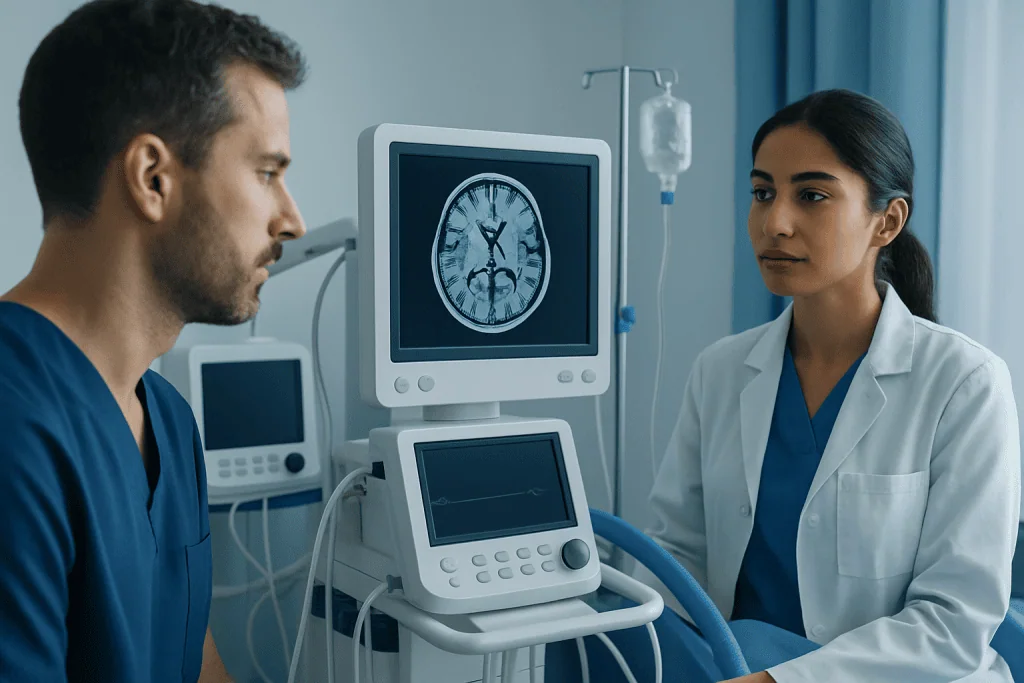
THC acts on cannabinoid receptors in the brain and other parts of the body. These receptors influence mood, memory, attention, coordination, appetite and the way pain and sensory information are processed. Effects depend on the amount consumed, the THC content, a person’s previous exposure to cannabis, body size, food intake, other substances and individual sensitivity.
When bhang is swallowed, effects may not be noticeable for one to several hours. They can then last for many hours and may continue into the next day in some people. This delayed pattern differs from inhaled cannabis, where effects usually begin much sooner. It is important not to drive, cycle, operate machinery or make safety-sensitive decisions while affected.
People may feel relaxed, sleepy, hungry or more aware of sounds, colors or sensations. Others may feel uncomfortable rather than calm. A person who has used bhang should stay in a quiet, safe environment, avoid taking more substances and have a trusted sober adult nearby if symptoms are significant.
Possible symptoms and unwanted effects

Common short-term effects of bhang may include dry mouth, red eyes, increased appetite, sleepiness, altered time perception, reduced attention and impaired coordination. Some people experience dizziness, nausea, vomiting, a fast heartbeat or changes in blood pressure. These effects are often temporary, but they can be distressing.
Mental and emotional effects can include anxiety, panic, suspicious thoughts, confusion, agitation or perceptual changes. Higher-potency products and larger amounts raise the chance of an unpleasant reaction. People who are new to cannabis may be more vulnerable because they do not know how their body will respond.
Children can become unwell after accidentally eating cannabis-containing foods or sweets. Because their smaller body size can lead to a greater effect from the same amount, accidental ingestion should always be taken seriously. Keeping cannabis products in child-resistant packaging and out of sight and reach is an important safety measure.
- Impaired balance and slower reaction time can increase the risk of falls and accidents.
- Mixing bhang with alcohol, sedatives or other drugs can increase impairment and unpredictable effects.
- Regular use may contribute to cannabis use disorder in some people, particularly when use becomes difficult to reduce despite harm.
Who may be at higher risk of problems?
Not everyone responds to bhang in the same way. Risk may be higher with a large serving, an unfamiliar product, an empty stomach, dehydration, lack of sleep or use with alcohol and other drugs. Edible forms deserve particular caution because the THC content may not be clear and delayed effects can lead people to consume more than intended.
People with a personal or family history of psychosis, schizophrenia, bipolar disorder, severe anxiety or panic symptoms should discuss cannabis use with a qualified clinician. Cannabis can worsen psychiatric symptoms in some individuals and may be associated with an earlier onset of psychotic illness in those who are vulnerable.
Pregnant or breastfeeding people, adolescents and people with significant heart disease should avoid non-prescribed cannabis products unless a clinician has specifically advised otherwise. Cannabis may affect fetal and child development, and it can increase heart rate or cause symptoms that are concerning for people with cardiovascular conditions. It is also wise to seek medical advice before combining cannabis with prescription medicines.
When to seek medical care
Most mild effects improve with rest, fluids as tolerated, reassurance and time. However, urgent medical assessment is appropriate for chest pain, trouble breathing, fainting, a seizure, severe vomiting, extreme agitation, hallucinations, severe confusion, loss of consciousness or behavior that could cause harm. Emergency help is also needed if a person cannot be kept safe or has thoughts of self-harm.
Parents and caregivers should seek urgent advice if a child may have consumed bhang or another cannabis edible, even if symptoms initially seem mild. It is helpful to bring the package or provide information about the product, estimated amount, timing and any other medicines, alcohol or substances that may have been taken.
Medical review is also sensible for repeated anxiety, panic, low mood, memory concerns or difficulty cutting down cannabis use. These symptoms can have several causes, and early support can help. Substance-related concerns may overlap with anxiety disorders or other mental health conditions, which should be assessed individually rather than self-diagnosed.
What doctors may check and how treatment works
There is no single test that diagnoses bhang-related symptoms. A clinician usually begins by asking what was consumed, when it was taken, how symptoms developed, whether alcohol or other substances were involved, and what medical conditions or medicines the person has. This information helps distinguish cannabis effects from other urgent problems.
The assessment may include checks of pulse, blood pressure, temperature, oxygen level, blood sugar and mental state. Depending on symptoms, clinicians may perform an electrocardiogram, blood tests, urine testing or other investigations to rule out infection, medication effects, heart problems, low blood sugar or neurological causes.
Treatment is usually supportive: a calm, supervised setting, monitoring and treatment of symptoms such as dehydration or vomiting. In more severe cases, hospital care may be needed to manage agitation, persistent vomiting or complications safely. A doctor may also recommend mental health or substance-use support if cannabis use is recurrent or causing problems in daily life.
Acibadem International’s multidisciplinary specialists and JCI-accredited hospitals can assess and treat cannabis-related symptoms for international patients, with care guided by the person’s symptoms and overall health needs.
Practical safety and next steps
The safest choice for avoiding bhang-related effects is not to use cannabis products. For people who choose to use them where legal, reducing risk includes avoiding unknown or unlabelled products, not combining them with alcohol or sedating medicines, and not taking additional amounts while waiting for an edible product to work.
Anyone who has used bhang should avoid driving and should not be left responsible for children, swimming, cooking on an open flame or operating equipment until fully alert and coordinated. A trusted sober person can help monitor symptoms. If someone feels anxious, moving to a calm space, using slow breathing and receiving reassurance may help while awaiting recovery or medical advice.
For ongoing use that feels difficult to control, a primary care clinician or mental health professional can offer confidential assessment and support. Helpful care may include discussing triggers, screening for anxiety or depression, creating a reduction plan and connecting the person with appropriate counseling or addiction services.
Frequently asked questions
Is bhang the same as marijuana?
Bhang is a cannabis preparation, so it can produce effects similar to other products made from marijuana or cannabis. Its strength and THC content can vary substantially depending on the plant material and preparation method.
How long do bhang effects last?
When bhang is eaten or consumed in a drink, effects can take one to several hours to start and may last for many hours. The duration depends on the amount used, THC strength, metabolism, food intake and whether other substances were used.
Can bhang cause anxiety or panic?
Yes. Some people experience anxiety, panic, racing thoughts or suspicious feelings after cannabis use, especially with larger amounts or unfamiliar products. Severe anxiety, confusion or behavior that feels unsafe should be assessed by a healthcare professional.
What should someone do after taking too much bhang?
They should stop using the product, avoid alcohol and other drugs, and stay in a calm, safe place with a sober person if possible. Urgent medical care is needed for chest pain, breathing problems, fainting, seizures, severe confusion, persistent vomiting or inability to stay safe.
Can children get sick from bhang?
Yes. Children may become significantly unwell after accidentally consuming cannabis-containing foods or drinks. A caregiver should seek urgent medical advice or contact local poison services if exposure is suspected.
Can bhang interact with medicines?
Cannabis may interact with some medicines or add to side effects such as drowsiness, dizziness, changes in heart rate or impaired concentration. A person taking prescription medicines should ask a doctor or pharmacist before using cannabis products.
References
- World Health Organization
- National Institute on Drug Abuse
- Centers for Disease Control and Prevention
- Substance Abuse and Mental Health Services Administration
- National Health Service
This article is for general information only and is not a substitute for professional medical advice. Please consult a qualified doctor about your individual situation.
Explore treatments in Turkey — costs, top hospitals & a free quote
JCI-accredited · board-certified surgeons · reply within 24h
Add us as a Preferred Source to see more of our trusted health content across Google Search, AI Overviews and Discover.
Check your numbers in seconds
BMI, calories, due date, blood pressure and 30+ more clinical calculators — free, instant, doctor-reviewed ranges.

More from the Health Library



Related Specialists

Dr. Utku Alemdaroğlu
Cardiovascular Surgery
Dr. Nur Arslan
Emergency Service
Assoc. Prof. Dr. Rıza Gürhan Işıl
General Surgery
Prof. Dr. Kenan Hızel
Infectious Diseases & Clinical Microbiology