Green Veins: What Patients Need to Know

Veins may look green, blue, or purple through the skin even though blood in veins is dark red. Fair or thin skin, aging, heat, exercise, genetics, and low body fat can make veins more noticeable.
Key Takeaways
- Veins may look green, blue, or purple through the skin even though blood in veins is dark red.
- Fair or thin skin, aging, heat, exercise, genetics, and low body fat can make veins more noticeable.
- Bulging, twisted leg veins may be varicose veins and can cause heaviness, aching, itching, or swelling.
- Sudden one-sided swelling, warmth, redness, or pain requires prompt medical evaluation.
- Healthy movement, avoiding prolonged sitting or standing, and discussing persistent symptoms with a clinician can support vein health.
Green veins are commonly visible superficial veins, especially on the hands, arms, feet, or legs. Their green-blue appearance is usually related to how light passes through the skin rather than the actual color of blood, although prominent veins can sometimes be associated with venous conditions that deserve medical assessment.
What Do Green Veins Mean?
Green veins usually refer to veins that are easily visible beneath the skin and appear greenish, blue, or blue-green. In most cases, this is a normal variation. Veins do not contain green blood; blood is always red, although blood returning to the heart is darker red because it carries less oxygen than blood in arteries.
The apparent color of a vein depends on the way skin absorbs and reflects different wavelengths of light. Skin thickness, skin tone, the depth of the vein, and surrounding tissue can all affect whether a vein looks blue, green, or purple. This is why the same person may notice greener veins in one area and bluer veins in another.
Visible veins are especially common on the hands, wrists, forearms, feet, and lower legs. They are often harmless when there is no pain, swelling, skin change, or new bulging. However, a change in the appearance of veins, particularly in the legs, may occasionally point to an underlying circulation issue and is worth discussing with a healthcare professional.
Why Veins Become More Visible
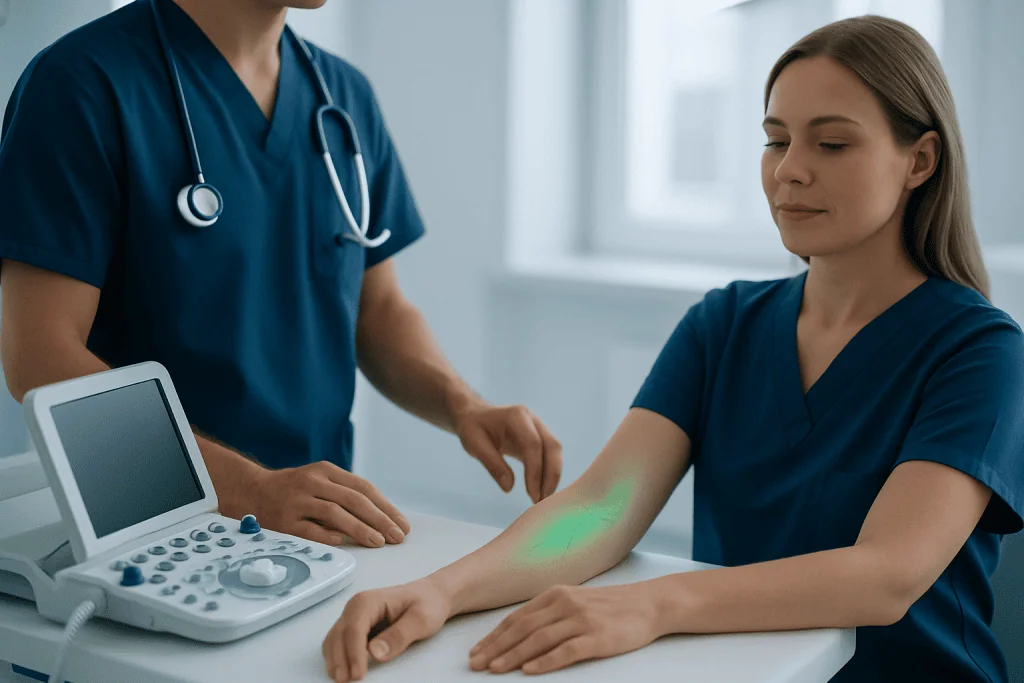
Many everyday factors can make green veins more noticeable. A person may see them more clearly during warm weather, after a hot bath, or while exercising because blood vessels widen and blood flow near the skin increases. Veins may also stand out temporarily after lifting weights or carrying heavy objects.
Skin and body composition matter as well. People with lighter, thinner, or more translucent skin may naturally see veins more easily. With age, the skin can become thinner and the layer of fat beneath it may decrease, making superficial veins easier to notice. Weight loss can have a similar visual effect without indicating a health problem.
Genetics also plays a role. Some families are more likely to have prominent veins or develop varicose veins. Pregnancy, hormonal changes, jobs that involve prolonged standing, and a history of leg injury may increase the likelihood of visible leg veins over time.
Hydration can affect how prominent veins look, but it is not a reliable explanation for persistently enlarged or symptomatic veins. A clinician can help distinguish a normal visible vein pattern from a condition affecting vein valves or blood flow.
Normal Visible Veins and Varicose Veins
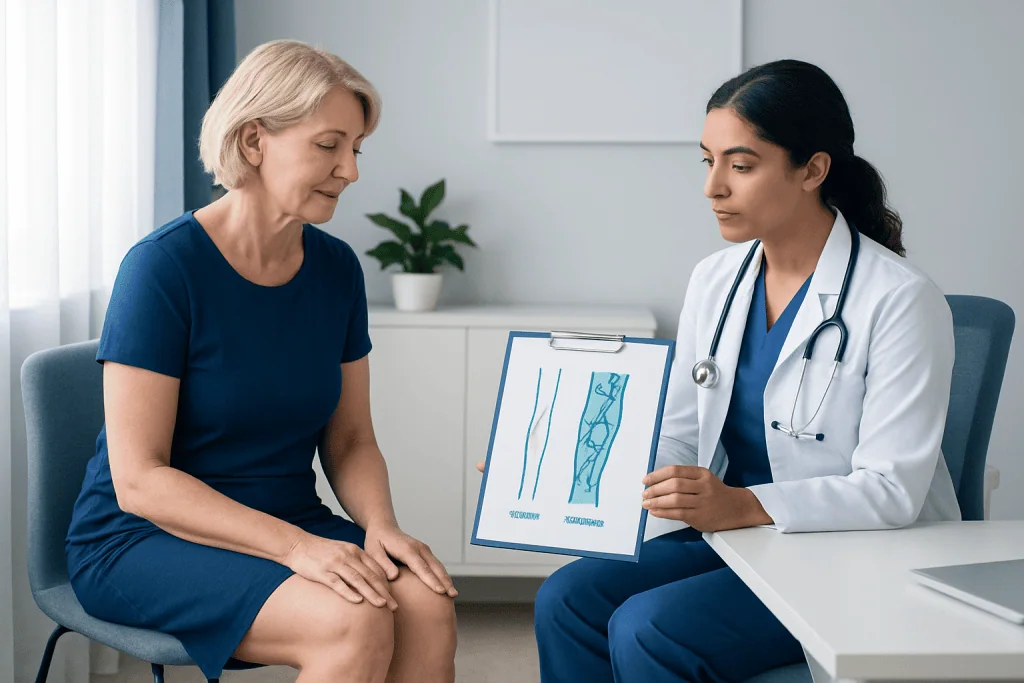
Normal visible veins are generally flat or only mildly raised, with no associated discomfort. They may become more obvious with heat or physical activity and then lessen when the body cools or rests. Prominent hand and arm veins are commonly normal, particularly in active adults and older adults.
Varicose veins are enlarged, twisted veins that most often develop in the legs. They occur when small valves inside leg veins do not close effectively, allowing blood to pool and increasing pressure within the vein. The veins may look dark blue, purple, or greenish and can become raised above the skin.
Some people with varicose veins have no symptoms. Others experience aching, a feeling of heaviness, throbbing, itching, nighttime cramps, or ankle and lower-leg swelling, often after standing for long periods. Smaller red, blue, or purple thread-like vessels near the skin surface are often called spider veins. They are usually harmless but can coexist with larger vein problems.
Persistent symptoms or visible changes can be evaluated for varicose veins and related circulation concerns. Early assessment can clarify whether monitoring and self-care are appropriate or whether further treatment may be useful.
Possible Causes and Risk Factors in the Legs
Leg veins work against gravity to return blood to the heart. Walking helps this process because calf muscles contract and support the upward flow of blood. When vein valves weaken or leg circulation is less efficient, pressure can build in superficial veins and make them more visible.
Risk factors for varicose veins and chronic venous problems include a family history of vein disease, increasing age, pregnancy, overweight, reduced physical activity, and work or travel involving long periods of sitting or standing. Previous blood clots or leg trauma can also affect circulation. Having one or more risk factors does not mean a person will develop a serious condition.
In some cases, ongoing valve dysfunction can contribute to chronic venous insufficiency. This may cause persistent lower-leg swelling, brownish skin discoloration around the ankles, skin irritation, or slow-healing sores. These changes should not be assumed to be simply cosmetic; they should be assessed by a qualified clinician.
A suddenly prominent vein after injury, a painful cord-like vein, or a rapid change affecting only one limb needs medical advice. These symptoms may have several causes, and an examination helps determine the appropriate next step.
How Doctors Assess Visible Veins
A clinician will usually begin by asking when the veins became noticeable and whether there are symptoms such as pain, heaviness, swelling, itching, cramps, or skin changes. They may ask about pregnancy, work routines, family history, previous clots, medications, surgery, and recent travel.
The physical examination often includes looking at the legs while standing and checking for swelling, skin changes, tenderness, and pulses in the feet. Comparing both legs can help identify whether a change is likely to be a normal variation or needs further investigation.
If a vein disorder is suspected, a duplex ultrasound may be recommended. This painless test uses sound waves to show blood flow in the veins and to assess whether valves are working properly. It can also help clinicians investigate symptoms that could be related to a blood clot.
Testing is not usually necessary for harmless, stable visible veins without symptoms. However, seeking professional advice can be reassuring when the appearance has changed or when symptoms interfere with daily activities.
Treatment and Practical Self-Care
Treatment depends on the cause, location, symptoms, and a person’s overall health. Normal green veins that do not cause symptoms do not need medical treatment. If visible veins are bothersome cosmetically, a clinician can explain options and whether any underlying vein disease should be ruled out first.
For leg vein discomfort, regular walking and other suitable physical activity can support calf-muscle circulation. Taking movement breaks during long periods of sitting or standing may help. Elevating the legs during rest can reduce mild swelling for some people, while maintaining a comfortable weight and avoiding tight clothing around the waist or upper legs may also be beneficial.
Medical-grade compression stockings may help selected people with leg symptoms, but they are not suitable for everyone. A healthcare professional can advise on the correct type and fit, particularly for people with peripheral artery disease, diabetes-related circulation concerns, or significant leg symptoms.
When varicose veins cause ongoing symptoms or complications, treatment may include minimally invasive procedures that close or remove affected veins. Depending on the assessment, options can include varicose vein treatment such as endovenous procedures, sclerotherapy, or other targeted techniques. The best option is individualized after clinical examination and imaging.
When to Seek Medical Care
Routine medical advice is appropriate for green veins that become progressively more prominent, bulge or twist, or are accompanied by leg aching, heaviness, itching, recurrent swelling, cramps, or skin discoloration. A doctor should also assess any leg wound that heals slowly, especially near the ankle.
Prompt medical evaluation is important for sudden swelling of one leg, new redness or warmth, significant tenderness, or pain in the calf or thigh. These symptoms can occur for different reasons, including a possible blood clot, and cannot be safely diagnosed by appearance alone.
Emergency care is needed if leg symptoms occur together with chest pain, shortness of breath, coughing up blood, fainting, or severe dizziness. These may signal a serious problem requiring urgent assessment.
For international patients, Acibadem International’s multidisciplinary specialists and JCI-accredited hospitals can assess vein-related symptoms and provide appropriate diagnostic and treatment planning. A timely consultation can help clarify whether visible veins are a normal finding or part of a treatable venous condition.
Frequently asked questions
Are green veins normal?
Yes. Green-looking veins are often normal superficial veins seen through the skin. Their apparent color is influenced by light, skin thickness, and the depth of the vein, rather than by green blood.
Why are my veins suddenly more visible?
Veins may look more visible after exercise, in warm weather, after bathing, or when the body is dehydrated. Aging, weight loss, thinner skin, and changes in body composition can also make veins easier to see. If the change is persistent or comes with pain or swelling, medical advice is sensible.
Do green veins mean poor circulation?
Not usually. Visible green veins alone do not prove poor circulation. However, bulging leg veins with heaviness, swelling, skin changes, or discomfort may be associated with a vein-valve problem and should be evaluated.
Can varicose veins be green?
Yes. Varicose veins can appear blue, purple, or greenish depending on the skin and lighting. They are typically enlarged, twisted veins, most commonly on the legs, and may or may not cause symptoms.
When should a person worry about visible veins?
A person should seek prompt medical care for sudden one-sided leg swelling, warmth, redness, or pain. Urgent assessment is also needed for chest pain, shortness of breath, fainting, or coughing up blood. These symptoms require evaluation rather than self-diagnosis.
Can exercise reduce visible leg veins?
Exercise cannot always remove existing visible veins, but regular walking and calf-strengthening activity can support healthy leg circulation and may ease mild symptoms. A clinician can advise on safe activity if there is significant swelling, pain, or a diagnosed vein condition.
References
- National Heart, Lung, and Blood Institute
- National Institute for Health and Care Excellence
- Society for Vascular Surgery
- American Heart Association
- Mayo Clinic
This article is for general information only and is not a substitute for professional medical advice. Please consult a qualified doctor about your individual situation.
Explore treatments in Turkey — costs, top hospitals & a free quote
JCI-accredited · board-certified surgeons · reply within 24h
Add us as a Preferred Source to see more of our trusted health content across Google Search, AI Overviews and Discover.

More from the Health Library
Related Specialists

Dt. Müge Tirali Türkkan
Oral & Dental Health
Prof. Dr. Taner Korkmaz
Medical Oncology
Prof. Dr. Beril Akman
Internal Medicine
Assoc. Prof. Dr. Ece Uysal Çine
Neurosurgery