Full body checkup in Turkey: Hospitals, Safety & What to Expect

A meaningful checkup is tailored to age, sex, symptoms, family history, lifestyle and existing health conditions. The process commonly includes pre-travel planning, fasting tests, consultations, selected imaging and a final review of results.
Key Takeaways
- A meaningful checkup is tailored to age, sex, symptoms, family history, lifestyle and existing health conditions.
- The process commonly includes pre-travel planning, fasting tests, consultations, selected imaging and a final review of results.
- JCI accreditation is one recognized indicator of hospital quality systems, but patients should also confirm clinician qualifications and follow-up arrangements.
- Most checkup tests are low risk, although blood draws, contrast imaging, radiation exposure and false-positive findings require informed discussion.
- A checkup supports prevention but does not replace urgent assessment for new, severe or worsening symptoms.
A full body checkup in Turkey is a planned preventive assessment that may combine a medical consultation, laboratory testing, imaging and specialist review in one coordinated visit. The safest and most useful approach is an individualized checkup at an appropriately accredited hospital, rather than an identical set of tests for every person.
Overview: What Is a Full Body Checkup in Turkey?
A full body checkup in Turkey is a preventive health assessment arranged through a hospital or clinic, often designed to complete several appropriate evaluations within a short visit. It may include a medical history, physical examination, blood and urine tests, heart assessment, imaging and consultations with relevant specialists. The exact content should be based on the individual rather than the phrase “full body,” which does not describe one standard medical test.
For international visitors, the main advantages may include coordinated scheduling, access to multiple specialties and assistance with travel-related planning. A careful program begins with health information provided in advance, so clinicians can recommend evidence-based screening rather than ordering broad tests without a clear purpose.
People considering a comprehensive assessment can review the scope of an organized full body checkup program with the care team. This helps clarify what is included, what may be optional, how results will be communicated and whether any tests are not suitable for the person’s circumstances.
Who May Benefit and How a Checkup Is Tailored
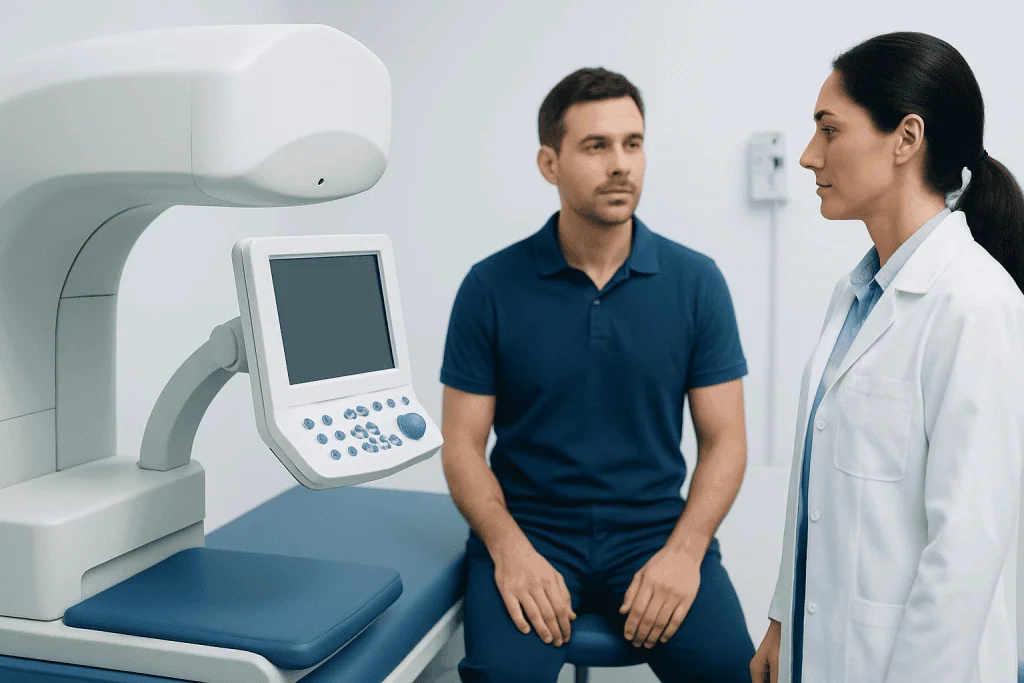
Preventive checkups can be helpful for adults who have not had routine health reviews, have a family history of conditions such as heart disease, diabetes or certain cancers, or want to discuss lifestyle risks. They can also be useful for people managing high blood pressure, high cholesterol, obesity, smoking-related risks or long-term conditions that need regular monitoring.
Age, biological sex, pregnancy status, medicines, allergies, previous test results and family history all influence the most appropriate plan. For example, someone with cardiovascular risk factors may need a focused heart-health assessment, while a person with digestive symptoms may need a different evaluation from someone seeking routine preventive care.
A checkup is not automatically appropriate for every test that may be available. Screening can sometimes identify incidental changes that are harmless but lead to additional scans, worry or procedures. A clinician should explain the expected benefit, limitations and possible next steps before imaging or invasive tests are performed.
- Bring records of previous diagnoses, surgery, scans and laboratory results where possible.
- Provide a complete list of medicines, supplements and allergies.
- Share any family history of early heart disease, cancer, diabetes or inherited conditions.
- Tell the team about current symptoms, pregnancy or the possibility of pregnancy.
Choosing Hospitals and Understanding Safety Standards

Safety begins with choosing a licensed hospital that has clear governance, qualified clinicians and appropriate diagnostic services. International patients may look for transparent information about the specialties involved, the credentials of doctors, infection-prevention practices, emergency support and how test results are reviewed.
JCI accreditation, issued by Joint Commission International, is one recognized framework for evaluating hospital quality and patient-safety systems. It can be a useful consideration when comparing facilities, but it should not be the only factor. Patients should also ask how the hospital protects privacy, obtains informed consent, manages language interpretation and coordinates care after the visit.
It is sensible to confirm whether the program is delivered in a hospital setting, whether radiology and laboratory services are available on site, and which specialists review abnormal results. Before travel, patients should receive a written outline of the planned assessments and understand that the schedule can change if medical findings require additional discussion or testing.
How the Process Works: Before Travel and During the Visit
The process usually starts remotely. The hospital may request a health questionnaire, medical records and information about symptoms or risk factors. A physician or clinical coordinator can then suggest an initial plan and provide preparation instructions. These commonly include fasting before blood tests, bringing medication lists and asking whether routine medicines should be taken as usual.
Travel arrangements should allow enough time for the assessment and for a results review. International patients may need support with appointment coordination, interpreter services, airport transfers or accommodation. Accommodation needs vary according to the appointment schedule, the patient’s mobility and whether further evaluation is required; the hospital can advise on practical arrangements without assuming that an overnight stay is always needed.
On the day, registration is followed by confirmation of medical history and consent. Basic measurements may include height, weight, blood pressure and other observations. The clinician then determines whether planned tests remain appropriate and whether any additional targeted assessment is warranted.
Patients should avoid treating a package description as a fixed clinical pathway. A responsible service allows clinicians to omit unnecessary tests, delay tests that need preparation or recommend follow-up locally if it is safer or more practical.
Step by Step: Tests, Results and Follow-Up
A typical visit may begin with blood and urine samples, followed by consultations and selected diagnostic examinations. Depending on individual need, these may include an electrocardiogram, ultrasound, chest imaging, vision testing or other screening assessments. Some tests are completed quickly, while others require preparation, fasting or a separate specialist appointment.
After testing, a doctor reviews the results in context. Results may be described as normal, needing routine follow-up, requiring repeat testing or needing prompt specialist evaluation. A single abnormal value does not necessarily mean that a person has a disease; laboratory ranges, symptoms, medication use and prior results all matter.
Before leaving, patients should request copies of their reports, images where relevant, a written summary and a clear follow-up plan. If an issue is found, care may involve further assessment in Turkey, follow-up with the person’s usual doctor at home, or both. Sharing records promptly with the local clinician supports continuity and avoids unnecessary repeat tests.
Acibadem International’s multidisciplinary specialists and JCI-accredited hospitals can coordinate diagnosis and follow-up planning for international patients having preventive assessments. The most appropriate pathway remains one that is based on the individual’s clinical needs and allows time for informed decisions.
Benefits, Limitations and Possible Risks
The potential benefit of a well-designed checkup is early recognition of modifiable risk factors or conditions that may not yet cause noticeable symptoms. It can create an opportunity to discuss blood pressure, cholesterol, blood sugar, weight, sleep, physical activity, smoking, nutrition and recommended routine screening with a clinician.
However, no checkup can guarantee that all diseases will be found or prevented. Some tests can miss early disease, and broad testing can detect incidental findings that may never cause harm. These findings can lead to anxiety, repeat imaging, biopsies or costs and travel changes that were not expected.
Most routine blood tests have minor risks such as brief discomfort, bruising or light-headedness. Imaging choices should be discussed carefully: some involve radiation, while contrast agents used in certain scans can rarely cause allergic reactions or affect kidney function in susceptible individuals. Clinicians should know about kidney disease, prior contrast reactions, pregnancy and relevant medicines before any scan.
The safest approach is shared decision-making. Patients should ask why each test is recommended, what it may show, what alternatives exist and what will happen if the result is unclear or abnormal.
After the Checkup: Recovery, Self-Care and Next Steps
Most people can return to normal activity immediately after a routine preventive assessment. They may feel mild soreness at a blood-draw site or temporary fatigue after a long day of appointments. Drinking fluids, eating after fasting has ended and allowing time to rest can be helpful, especially before travel.
Recovery time depends on the tests performed. Sedation, contrast imaging, an invasive procedure or a biopsy may require specific aftercare instructions, observation or a delay before driving or flying. Patients should follow the advice given by their clinical team rather than relying on general timelines.
The most important step after a checkup is acting on the follow-up plan. This may include lifestyle changes, repeating a test, discussing medication with a regular doctor or arranging specialist care. Preventive screening works best alongside ongoing primary care rather than as a one-time substitute for it.
When to Seek Medical Care
A planned full body checkup should not be used instead of urgent medical assessment. People should seek emergency care promptly for symptoms such as chest pain, severe breathing difficulty, sudden weakness or numbness, fainting, new confusion, severe headache, uncontrolled bleeding or signs of a serious allergic reaction.
A timely medical appointment is also important for unexplained weight loss, persistent fever, a new lump, blood in urine or stool, lasting changes in bowel habits, persistent abdominal pain or symptoms that are worsening. These concerns may require focused diagnostic care rather than routine screening.
After a checkup, contact the treating team or a local doctor if there is increasing pain, swelling, rash, breathing symptoms or other unexpected effects after a test. For anyone travelling internationally, it is prudent to know how to access urgent care both during the stay and after returning home.
Frequently asked questions
How long does a full body checkup in Turkey take?
The schedule varies according to the tests selected, preparation requirements and whether specialist consultations are needed. Many assessments can be coordinated over one or more days, but abnormal findings or tests requiring fasting, contrast or additional review may extend the visit. The hospital should provide an individualized itinerary before travel.
Are full body checkups safe?
Most routine checkup components, such as consultations, blood tests and basic measurements, are low risk. Some scans involve radiation or contrast agents, and broad testing can produce uncertain or incidental findings. Safety improves when tests are selected for a clear clinical reason and reviewed by qualified clinicians.
Does JCI accreditation mean a hospital is safe?
JCI accreditation indicates that a hospital has been assessed against recognized quality and patient-safety standards. It is a useful factor to consider, but patients should also review clinician expertise, available services, communication support and follow-up arrangements. No accreditation can remove every medical risk.
Should a person fast before a health checkup?
Some blood tests may require fasting, while others do not. The healthcare team should provide exact instructions in advance and explain whether usual medicines should be taken on the morning of the appointment. People should not stop prescribed medication unless a clinician specifically advises them to do so.
What happens if an abnormal result is found during a checkup?
A doctor reviews abnormal findings alongside symptoms, medical history and previous results. The next step may be reassurance, repeat testing, a specialist referral or more focused diagnostic assessment. An abnormal screening result does not automatically confirm a diagnosis.
Can a full body checkup detect cancer?
Some evidence-based screening tests can help identify certain cancers in people who meet specific age or risk criteria. A general checkup cannot detect every cancer, and unnecessary imaging may cause false-positive results or expose patients to avoidable risks. Screening choices should be individualized with a clinician.
References
- World Health Organization
- Joint Commission International
- U.S. Preventive Services Task Force
- Centers for Disease Control and Prevention
- National Institutes of Health
This article is for general information only and is not a substitute for professional medical advice. Please consult a qualified doctor about your individual situation.
Explore treatments in Turkey — costs, top hospitals & a free quote
JCI-accredited · board-certified surgeons · reply within 24h
Add us as a Preferred Source to see more of our trusted health content across Google Search, AI Overviews and Discover.
Check your numbers in seconds
BMI, calories, due date, blood pressure and 30+ more clinical calculators — free, instant, doctor-reviewed ranges.

More from the Health Library



Related Specialists

Dr. Semra Kavas
Infectious Diseases & Clinical Microbiology
Dr. Etem Aytaç Yazar
Orthopedic Surgery & Traumatology
Prof. Dr. M. Sinan Ersin
General Surgery
Dr. Cüneyt Uçar
Emergency Service