Am I a Candidate for Turkey teeth? Eligibility Criteria

“Turkey teeth” is a non-medical term that may refer to veneers, crowns or other cosmetic dental treatments provided in Turkey. Healthy gums, controlled decay and sufficient natural tooth structure are important eligibility criteria for many restorative cosmetic options.
Key Takeaways
- “Turkey teeth” is a non-medical term that may refer to veneers, crowns or other cosmetic dental treatments provided in Turkey.
- Healthy gums, controlled decay and sufficient natural tooth structure are important eligibility criteria for many restorative cosmetic options.
- A remote pre-assessment can be useful, but an in-person clinical examination and imaging are needed before final treatment decisions.
- People with active gum disease, untreated infection, severe grinding or unstable bite may need care first or a different treatment plan.
- The safest plan aims to preserve healthy tooth tissue and supports long-term oral health, not only a whiter or more uniform appearance.
Am I a candidate for Turkey teeth? A person may be suitable for a cosmetic dental treatment abroad if their gums and teeth are stable, their oral health needs are assessed first, and their treatment goals can be met safely with an appropriate option such as veneers, crowns, bonding or orthodontics. The phrase “Turkey teeth” is informal and does not describe one standard procedure, so eligibility must be decided individually by a qualified dentist.
Overview: What Does “Turkey Teeth” Mean?
The question “am I a candidate for Turkey teeth?” is best answered through an individual dental assessment rather than by location alone. “Turkey teeth” is an informal phrase often used online for cosmetic dental work carried out in Turkey, particularly porcelain veneers and dental crowns. These are different treatments with different effects on natural teeth, so they should not be treated as interchangeable.
Veneers are thin custom-made shells bonded to the front surfaces of selected teeth to improve colour, shape, small gaps or minor irregularities. Crowns cover the whole visible part of a tooth and may be recommended when a tooth is substantially weakened, heavily restored, fractured, worn or has had root canal treatment. Other approaches, including whitening, composite bonding, orthodontics or gum treatment, can sometimes achieve a person’s goals with less alteration of natural tooth tissue.
A suitable candidate has a clear understanding of the proposed treatment, stable oral health and expectations that fit what dentistry can safely provide. Cosmetic dentistry should begin with diagnosis and planning, not with a decision that every tooth needs a crown or veneer.
Who May Be a Suitable Candidate?
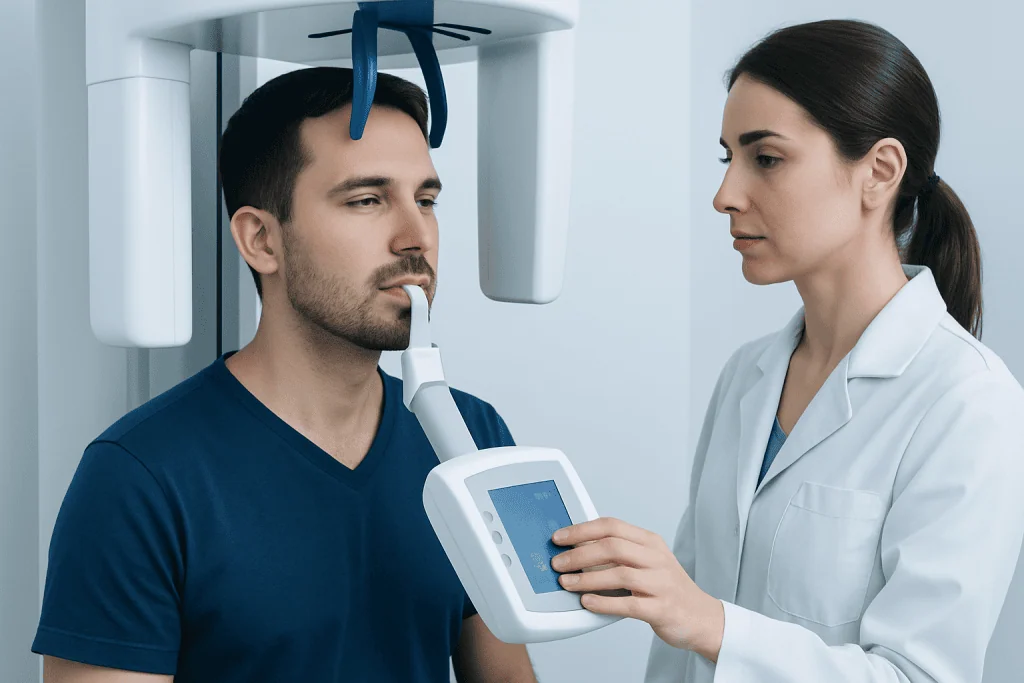
People may be suitable for cosmetic veneers or crowns when their teeth and gums are generally healthy and they want to address concerns such as persistent discolouration, uneven tooth shape, small chips, mild spacing or older restorations. A dentist considers the condition of each tooth separately. It is common for a person to need different types of care for different teeth rather than one identical procedure across the whole smile.
Important eligibility criteria include healthy or treatable gums, no uncontrolled tooth decay or infection, adequate tooth structure, a stable bite and reliable oral hygiene. The dentist will also ask about past dental work, tooth sensitivity, jaw symptoms, medical conditions, medicines and habits such as smoking, nail biting or chewing hard objects.
Adults whose facial and jaw growth is complete are usually better candidates for permanent cosmetic restorations. Pregnancy does not automatically prevent urgent dental care, but elective procedures are often postponed when practical. A person should be able to attend follow-up visits and commit to cleaning, maintenance and future replacement of restorations when needed.
- Potentially suitable concerns include worn edges, staining that does not respond adequately to whitening, minor chips and small gaps.
- A detailed assessment is especially important for people who have many fillings, previous crowns, root canal treatment or a history of gum disease.
- Realistic goals matter: restorations can improve appearance and function, but they cannot guarantee a perfectly identical or permanently unchanged smile.
When a Different Plan or First Treatment May Be Needed

Some people are not immediate candidates for veneers or crowns because an underlying dental issue should be treated first. Active gum disease, untreated cavities, abscesses, loose teeth and poor plaque control can reduce the longevity of restorations and may worsen without appropriate care. In these circumstances, periodontal treatment, fillings, root canal treatment or other stabilising care may be recommended before cosmetic work.
Frequent teeth grinding or clenching, known as bruxism, can place strong forces on veneers, crowns and natural teeth. It does not always rule out treatment, but it requires careful bite assessment and may involve a protective night guard, jaw-muscle management or a more conservative restorative design. Significant crowding, bite imbalance or jaw pain may also mean orthodontic or bite-focused treatment should be considered first.
People seeking an extremely white, very large or uniform tooth appearance should discuss whether that result is compatible with their facial features, bite and long-term tooth health. A conservative option may be more appropriate when teeth are otherwise healthy. A dentist should explain how much, if any, enamel needs to be reshaped and whether the treatment is irreversible.
How Assessment and the Procedure Work
A careful process starts with a consultation. Before travelling, a clinic may request recent photographs, dental X-rays where available, medical history and a description of the person’s goals. This pre-assessment can indicate whether treatment may be feasible, but it cannot replace an in-person examination. Patients considering treatment can request a Turkey teeth pre-assessment to understand the information needed for an initial review.
At the clinical appointment, the dentist examines the teeth, gums and bite. Digital scans, photographs and X-rays may be used to identify decay, bone loss, infection, cracks, bite concerns and the condition of existing restorations. The clinician should discuss alternatives, benefits, limitations, expected maintenance and what may happen if a restoration chips, loosens or needs replacement in the future.
For veneers or crowns, teeth may be cleaned and prepared by removing a limited amount of surface material when necessary. Impressions or digital scans are taken so a dental laboratory can produce custom restorations. Temporary restorations may be used for some crown cases. At a later visit, the dentist checks the fit, shade and bite before bonding or cementing the final restorations. The number of appointments depends on the treatment plan and whether additional dental care is needed.
Good planning should be collaborative. A patient should feel able to ask why a particular treatment is recommended for each tooth, whether a less invasive alternative exists and what aftercare will be required after returning home.
Benefits, Limitations and Possible Risks
When appropriately planned, cosmetic dental restorations can improve the appearance of teeth and, in some cases, restore strength and function. Crowns can protect a structurally compromised tooth, while veneers can change the visible front surface of suitable teeth with comparatively limited coverage. Well-designed restorations are made to work with the gums, bite and surrounding teeth.
However, cosmetic dentistry has limitations. Veneers and crowns do not stop gum disease or decay from developing at the edges of a restoration. They may need repair or replacement over time. Tooth preparation can lead to temporary sensitivity, and some procedures involve permanent alteration of enamel or tooth structure. Shade, shape and symmetry are influenced by natural anatomy and the condition of the underlying teeth.
Possible complications include sensitivity, gum irritation, bite discomfort, chipping, loosening, fracture, decay around restoration margins and, less commonly, pulp damage that may require root canal treatment. Risks can be reduced through accurate diagnosis, conservative preparation where appropriate, high-quality materials, careful bite adjustment and consistent aftercare, but no dental restoration is risk-free or permanent.
Recovery Timeline and Looking After New Restorations
Recovery is usually straightforward, but the experience varies with the number of teeth treated and the type of procedure. Mild sensitivity to hot or cold foods, pressure or changes in bite can occur in the first days after preparation or fitting. Temporary restorations may feel different from natural teeth and should be handled with care until the final restorations are placed.
After final bonding or cementing, many people resume normal daily activities promptly. It is sensible to choose softer foods if the mouth feels tender and to avoid biting hard foods, ice, pens or packaging with the front teeth. If a restoration feels too high when biting, causes ongoing pain or becomes loose, the patient should contact the treating dentist promptly for review.
Long-term care includes brushing twice daily with fluoride toothpaste, cleaning between teeth every day and attending routine dental examinations and hygiene appointments. A dentist may recommend a night guard for people who grind or clench their teeth. Patients travelling for care should arrange how follow-up, records and any future maintenance will be coordinated with a dentist at home.
When to Seek Medical Care
Dental pain, swelling, bleeding gums, a bad taste in the mouth, pus, fever or a loose tooth should be assessed by a dentist before considering elective cosmetic treatment. These symptoms can indicate infection or gum disease and should not be covered or delayed by a cosmetic procedure. Urgent dental advice is particularly important for facial swelling, difficulty swallowing or breathing, or rapidly worsening pain.
After veneers or crowns are fitted, patients should contact a dental professional if they develop persistent severe pain, swelling, a cracked or detached restoration, a bite that feels incorrect, or sensitivity that does not improve. Early assessment may help prevent further damage and make treatment simpler.
Acibadem International’s multidisciplinary dental specialists and JCI-accredited hospitals can assess and treat dental concerns for international patients. A personalised plan should always be based on clinical findings, the condition of the teeth and gums, and the person’s functional as well as cosmetic needs.
Frequently asked questions
Am I a candidate for Turkey teeth if I have healthy teeth?
Having healthy teeth does not automatically mean crowns or veneers are the best option. If the main concern is colour or minor irregularity, whitening, bonding or orthodontics may sometimes be less invasive. A dentist should explain the benefits and trade-offs of each suitable choice.
Can people with gum disease get veneers or crowns?
Active gum disease should generally be diagnosed and treated before elective cosmetic restorations are placed. Healthy, stable gums help restorations fit properly and support a more predictable long-term result. A history of gum disease does not always rule out treatment, but ongoing maintenance is important.
Do all Turkey teeth treatments involve shaving teeth?
No. The amount of tooth preparation depends on the treatment and the condition of the tooth. Crowns usually require more reduction because they cover the entire tooth, while some veneer designs may require minimal preparation; however, suitability must be assessed individually.
What records are useful for a dental pre-assessment?
Clear photographs of the teeth and smile, recent dental X-rays if available, details of previous dental treatment and a medical history can help with an initial review. An in-person examination is still required to confirm a diagnosis and final treatment plan.
How long do veneers and crowns last?
Their lifespan varies according to the material used, bite forces, oral hygiene, diet, smoking, grinding habits and regular dental care. They are not considered lifetime devices and may eventually need repair or replacement. A treating dentist can discuss realistic maintenance expectations for an individual plan.
Can I travel home soon after cosmetic dental treatment?
Travel timing depends on the procedure, the need for follow-up and whether any problems are identified during treatment. Patients should allow enough time for fitting, bite adjustments and post-treatment review. They should also have a plan for continuing care with a local dentist after returning home.
References
- World Health Organization
- American Dental Association
- FDI World Dental Federation
- National Institute of Dental and Craniofacial Research
This article is for general information only and is not a substitute for professional medical advice. Please consult a qualified doctor about your individual situation.
Explore treatments in Turkey — costs, top hospitals & a free quote
JCI-accredited · board-certified surgeons · reply within 24h
Add us as a Preferred Source to see more of our trusted health content across Google Search, AI Overviews and Discover.

More from the Health Library



Related Specialists

Ody. Ece Ataç Geriş
Audiology
Assoc. Prof. Dr. İlke Özer Aslan
Gynecology & Obstetrics
Fzt. Erdem Terzi
Physical Medicine & Rehabilitation
Prof. Dr. Ayşe Sesin Kocagöz
Clinical Laboratory