Am I a Candidate for Gastric sleeve? Eligibility Criteria

Gastric sleeve surgery is commonly considered for adults with a body mass index (BMI) of 40 or above, or a BMI of 35 or above with an obesity-related health condition. Some people with a lower BMI may be considered when they have significant metabolic disease, particularly type 2 diabetes, under specialist guidance.
Key Takeaways
- Gastric sleeve surgery is commonly considered for adults with a body mass index (BMI) of 40 or above, or a BMI of 35 or above with an obesity-related health condition.
- Some people with a lower BMI may be considered when they have significant metabolic disease, particularly type 2 diabetes, under specialist guidance.
- Candidacy depends on more than BMI: medical fitness, nutritional status, mental health, eating patterns and commitment to follow-up all matter.
- Sleeve gastrectomy permanently reduces stomach size and requires lifelong vitamin, mineral and dietary monitoring.
- A multidisciplinary bariatric team helps determine whether gastric sleeve surgery, another procedure or non-surgical treatment is the most appropriate option.
A person may be a candidate for gastric sleeve surgery if they have obesity that has not responded sufficiently to non-surgical care and are prepared for lifelong nutrition, activity and follow-up changes. Eligibility is individual and is decided after a structured assessment of weight-related health, previous treatment, surgical safety and readiness for long-term care.
Am I a Candidate for Gastric Sleeve?
A person may be a candidate for gastric sleeve surgery when they have obesity that is affecting health or daily life, have not achieved lasting benefit from structured non-surgical weight-management efforts, and are ready to make lifelong changes to eating, activity and medical follow-up. Eligibility is not based on weight alone: a bariatric team considers body mass index (BMI), medical conditions, previous treatments, surgical risks and the person’s understanding of the procedure.
Gastric sleeve, also called sleeve gastrectomy, is a weight-loss operation that permanently removes a large portion of the stomach. It can support substantial weight loss and improvement in obesity-related conditions, but it is not a quick fix or a replacement for ongoing lifestyle care. A detailed gastric sleeve surgery assessment helps establish whether this operation is suitable and safe for the individual.
The goal of assessment is not simply to approve or decline surgery. It is to match each person with the safest and most useful plan, which may include nutrition support, medication, behavioural treatment, another bariatric procedure, or surgery alongside these measures.
How Gastric Sleeve Surgery Works
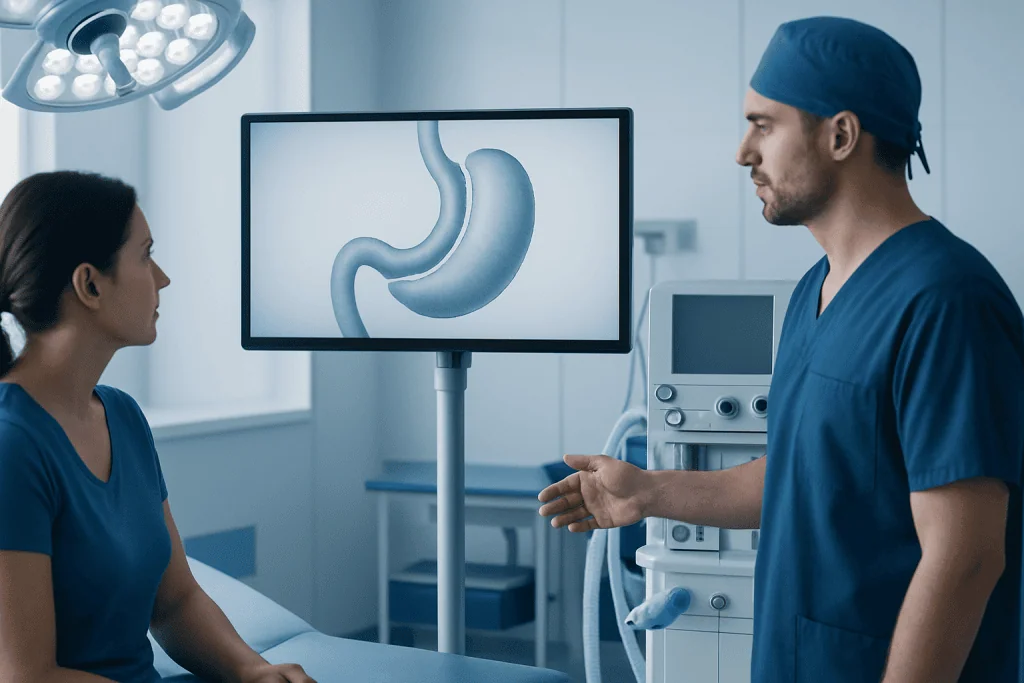
During sleeve gastrectomy, a surgeon removes approximately 70% to 80% of the stomach, leaving a narrow, tube-shaped stomach or “sleeve.” The procedure is usually performed using minimally invasive, or laparoscopic, techniques through several small abdominal incisions. Food continues to follow its usual path through the digestive system; the intestine is not bypassed.
With a smaller stomach, a person feels full after a smaller amount of food. The operation also changes signals involved in appetite and metabolism, which can reduce hunger for many people. However, outcomes vary, and weight loss depends on the procedure being combined with long-term dietary habits, regular physical activity and clinical follow-up.
Unlike an adjustable gastric band, gastric sleeve surgery does not involve an implanted device. Unlike gastric bypass, it does not reroute the intestines. It is irreversible because the removed portion of the stomach cannot be replaced, so careful decision-making and informed consent are essential.
Common Eligibility Criteria

Clinical guidelines commonly support bariatric surgery for adults with a BMI of 40 or above, regardless of other health conditions. Surgery is also often considered for adults with a BMI of 35 or above who have an obesity-related condition that may improve with weight loss, such as type 2 diabetes, obstructive sleep apnea, high blood pressure, fatty liver disease, heart disease or significant joint problems.
Some specialist guidelines also support consideration of metabolic or bariatric surgery for selected people with a BMI below 35 when they have type 2 diabetes or another serious metabolic condition that remains difficult to manage with comprehensive non-surgical treatment. BMI is a screening tool rather than a complete measure of health, and the decision should be individualized.
In addition to BMI and health conditions, the team usually looks for evidence that the person has attempted appropriate non-surgical approaches, understands the permanent nature of the operation, and can take part in long-term follow-up. There is no single “ideal” age or body weight. Older adults and younger adults may be assessed individually according to overall health, expected benefit and surgical risk.
- BMI and the impact of weight on health and quality of life
- Obesity-related conditions, including diabetes and sleep apnea
- Past weight-management treatments and their results
- Ability to follow dietary, supplement and appointment plans after surgery
- Medical and anaesthetic fitness for an operation
Pre-Assessment: What the Bariatric Team Reviews
Before recommending gastric sleeve surgery, a multidisciplinary team typically completes medical, nutritional and psychological assessment. The medical review may include blood tests, blood pressure checks, screening for sleep apnea, and tests tailored to symptoms or health conditions. The team also reviews current medicines, previous abdominal surgery, smoking or nicotine use, alcohol intake and any conditions that may affect anaesthesia.
A dietitian assesses eating patterns, meal structure, food tolerances and nutritional risks. Nutrient deficiencies are identified and treated where possible before surgery. People are asked to prepare for staged eating after the operation, including the need for protein-focused meals, smaller portions, adequate fluids, and lifelong vitamin and mineral supplements as advised.
Psychological assessment is supportive rather than judgmental. It explores expectations, stress, mood, eating behaviours and practical support at home. Untreated eating disorders, uncontrolled severe mental illness, active substance misuse, or inability to attend follow-up may mean surgery should be delayed while appropriate care is provided. A pre-assessment form and consultation can help the team identify the information needed for a safe, personalized decision.
What Happens During the Procedure and Recovery
Before surgery, patients follow their surgical team’s instructions about food, fluids and medicines. A short pre-operative diet may be recommended to reduce liver size and make laparoscopic surgery safer. On the day of surgery, gastric sleeve is performed under general anaesthesia. The surgeon uses small instruments and a camera to remove part of the stomach and create the sleeve, then checks the staple line before closing the incisions.
Hospital stay is often one to a few days, depending on recovery and individual health needs. Early walking, breathing exercises, pain control and gradual fluid intake are encouraged to support healing and reduce complications. The diet progresses in stages, usually from clear fluids to thicker liquids, soft foods and then regular textured foods over several weeks, following the bariatric team’s plan.
Many people return to light daily activities within one to two weeks, though recovery differs. Heavy lifting and strenuous exercise are usually postponed until the surgeon confirms it is safe. Follow-up appointments monitor healing, hydration, weight change, eating tolerance, mental wellbeing and blood tests. Long-term follow-up is an important part of treatment, not an optional extra.
Benefits, Risks and Reasons Surgery May Not Be Suitable Yet
For appropriately selected patients, gastric sleeve surgery can lead to meaningful and sustained weight loss and may improve or help manage conditions such as type 2 diabetes, high blood pressure, obstructive sleep apnea and fatty liver disease. It may also improve mobility, energy and quality of life. Results cannot be guaranteed, and some weight regain over time is possible, particularly without ongoing lifestyle and clinical support.
All operations have risks. Early risks may include bleeding, infection, blood clots, reactions to anaesthesia, injury to nearby organs and a leak from the stomach staple line. Longer-term concerns can include reflux or worsening heartburn, narrowing of the sleeve, gallstones, dehydration, vomiting, inadequate protein intake and vitamin or mineral deficiencies. Regular medical monitoring helps identify and manage problems early.
Gastric sleeve may not be the best first option for someone with severe, poorly controlled reflux disease, certain stomach or oesophageal conditions, or a medical problem that makes surgery unsafe at that time. In some cases, another procedure or non-surgical treatment may be more appropriate. Stopping nicotine products before surgery and addressing nutrition, mental health or alcohol concerns can reduce risks and may be required before proceeding.
Preparing for Long-Term Success
Successful treatment begins before the operation. Patients can prepare by attending education sessions, following pre-operative nutrition guidance, arranging support at home, and discussing medicines with their clinician. Some medicines, including those for diabetes or blood pressure, may need adjustment as food intake and weight change. Patients should not stop prescribed medicine without advice from their treating doctor.
After surgery, eating slowly, taking small bites, prioritizing protein, avoiding frequent high-sugar foods and drinks, and separating fluids from meals when advised can help with comfort and nutrition. Regular activity should begin gradually and build according to fitness and the care team’s recommendations. Lifelong supplements and periodic blood tests are commonly needed because nutritional deficiencies can occur even though the intestines are not bypassed.
Support from family, a dietitian, a psychologist or a peer group can be valuable during the adjustment period. Acibadem International’s multidisciplinary specialists and JCI-accredited hospitals provide assessment and treatment for international patients considering bariatric surgery.
When to Seek Medical Care
Anyone considering gastric sleeve surgery should arrange a consultation with a qualified bariatric or metabolic surgery team rather than relying on BMI alone. Medical advice is particularly important for people with diabetes, sleep apnea, heart or lung disease, reflux symptoms, previous abdominal surgery, pregnancy plans, or a history of eating, mood or substance-use concerns.
After surgery, urgent medical assessment is needed for severe or worsening abdominal or chest pain, shortness of breath, fever, repeated vomiting, inability to keep fluids down, black stools, vomiting blood, a racing heartbeat, or increasing redness or discharge from an incision. These symptoms do not always indicate a serious complication, but they should be assessed promptly.
Less urgent concerns, such as persistent reflux, difficulty swallowing, ongoing nausea, fatigue, hair loss, changes in mood or trouble meeting nutrition goals, should also be discussed with the bariatric team. Early support can help prevent dehydration, nutritional deficiencies and avoidable setbacks.
Frequently asked questions
What BMI is needed for gastric sleeve surgery?
Gastric sleeve surgery is commonly considered for adults with a BMI of 40 or higher, or 35 or higher with an obesity-related health condition. Some people with a lower BMI and difficult-to-manage type 2 diabetes or metabolic disease may be considered by a specialist team. BMI is only one part of the decision.
Can someone qualify for gastric sleeve without diabetes?
Yes. Diabetes is not required for gastric sleeve eligibility. A person with a BMI of 40 or above, or a BMI of 35 or above with another significant weight-related condition, may be considered if surgery is otherwise appropriate.
Is gastric sleeve surgery reversible?
No. Gastric sleeve surgery permanently removes part of the stomach, so it cannot be reversed. This is why pre-operative education, assessment and informed consent are particularly important.
Who may need to delay gastric sleeve surgery?
Surgery may be delayed if a person has uncontrolled medical problems, active nicotine use, untreated nutritional deficiencies, unmanaged mental health concerns, active substance misuse or difficulty committing to follow-up. Addressing these issues can improve safety and help support better long-term outcomes.
How long does recovery from gastric sleeve take?
Most people stay in hospital for one to a few days and return to light activities within about one to two weeks. Dietary progression takes several weeks, and the body continues to adapt over months. Recovery timing varies according to health, work demands and any complications.
Will gastric sleeve cure obesity-related conditions?
Gastric sleeve can improve many obesity-related conditions, including type 2 diabetes, high blood pressure and sleep apnea, but it does not guarantee a cure. Ongoing medical monitoring remains important, and medicines may still be needed or may require adjustment.
References
- American Society for Metabolic and Bariatric Surgery
- International Federation for the Surgery of Obesity and Metabolic Disorders
- National Institute of Diabetes and Digestive and Kidney Diseases
- National Institute for Health and Care Excellence
- Mayo Clinic
This article is for general information only and is not a substitute for professional medical advice. Please consult a qualified doctor about your individual situation.
Medical weight-loss options in Turkey — costs & eligibility
JCI-accredited · board-certified surgeons · reply within 24h
Add us as a Preferred Source to see more of our trusted health content across Google Search, AI Overviews and Discover.
Check your numbers in seconds
BMI, calories, due date, blood pressure and 30+ more clinical calculators — free, instant, doctor-reviewed ranges.