Smile makeover in Turkey: Hospitals, Safety & What to Expect

A smile makeover is individualized and may include whitening, bonding, veneers, crowns, orthodontics, implants, or gum treatment. A clinical examination and dental imaging should guide treatment; a cosmetic goal alone is not enough to determine the right procedure.
Key Takeaways
- A smile makeover is individualized and may include whitening, bonding, veneers, crowns, orthodontics, implants, or gum treatment.
- A clinical examination and dental imaging should guide treatment; a cosmetic goal alone is not enough to determine the right procedure.
- Teeth should be preserved whenever possible, and irreversible treatment should be carefully discussed before preparation begins.
- Travelers should plan adequate time for consultation, laboratory work, fitting, adjustments, and a review before returning home.
- Possible risks include tooth sensitivity, gum irritation, restoration fracture or loosening, bite changes, and the need for future maintenance.
- Urgent dental symptoms such as facial swelling, fever, severe pain, or difficulty swallowing need prompt medical assessment.
A smile makeover in Turkey may combine restorative and cosmetic dental procedures to improve the appearance, function, or both. Safe care depends on an individual assessment, qualified dental specialists, appropriate materials and laboratory standards, transparent planning, and a realistic follow-up plan after travel.
Overview: What Is a Smile Makeover in Turkey?
A smile makeover in Turkey is a personalized dental treatment plan designed to improve one or more aspects of a person’s smile, such as tooth color, shape, alignment, spacing, gum appearance, or missing teeth. It is not one standard procedure. Depending on oral health and goals, it can involve conservative treatments such as whitening or composite bonding, or more extensive restorative care such as veneers, crowns, orthodontics, periodontal treatment, or dental implants.
For people travelling internationally, the most important consideration is not the destination alone but whether the treatment is clinically appropriate and carefully planned. A safe plan begins with a full dental assessment, a discussion of alternatives, and an explanation of what treatment can realistically achieve. The existing smile makeover treatment page offers further information about how an individualized cosmetic dental plan may be organized.
Well-planned treatment aims to balance appearance, comfort, bite function, gum health, and long-term maintenance. A healthy smile does not need to look identical to anyone else’s, and reputable clinicians should support choices that preserve natural tooth structure whenever possible.
How a Smile Makeover Works
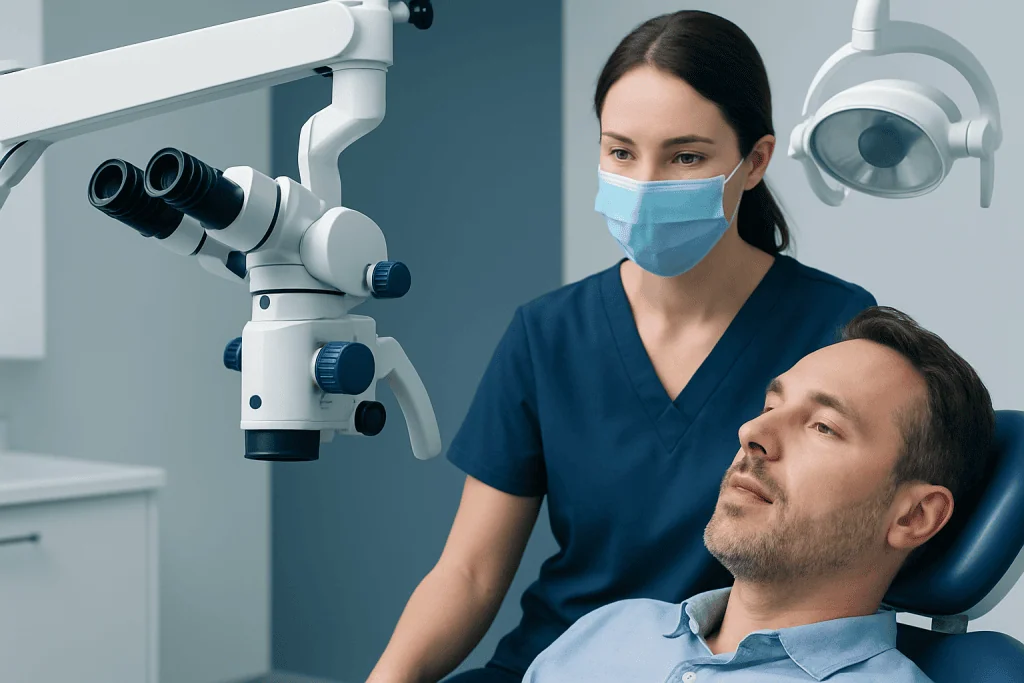
A dentist first identifies the concerns that can be treated safely. This may include staining, worn or chipped edges, old fillings, uneven tooth proportions, gaps, crowding, gum recession, or missing teeth. The clinician also evaluates the bite, jaw function, enamel condition, gum health, and any signs of decay or infection. Cosmetic work is usually postponed until active disease is controlled.
Digital photographs, X-rays, intraoral scans, and sometimes a digital smile design may help the patient and dental team discuss possible outcomes. A diagnostic wax-up or temporary trial smile can be useful when several teeth will be changed, as it allows the proposed size, shape, and bite relationship to be reviewed before final restorations are made.
Options should be compared openly. For example, whitening may be appropriate for healthy discolored teeth; bonding can address small shape changes; veneers can cover selected visible surfaces; and crowns may be needed when a tooth is extensively damaged. Missing teeth may require dental implant treatment or another restorative option. The least invasive effective approach is often preferred.
Who May Be a Suitable Candidate?

Adults who are concerned about the appearance or function of their smile may be candidates after a dental examination. Suitable candidates generally have stable oral health or are willing to complete needed care for decay, gum disease, infection, or bite problems before cosmetic procedures. A person’s expectations, oral hygiene routine, smoking status, teeth-grinding habits, and ability to attend follow-up appointments also influence the decision.
Some people may need treatment in stages. For instance, bleeding gums, loose teeth, untreated cavities, jaw pain, or active infection should be assessed and managed first. People with severe grinding may need bite protection, while those with significant crowding may benefit from orthodontic assessment before veneers or crowns are considered.
Pregnancy, certain medical conditions, medications that affect bleeding or healing, and a history of head and neck radiotherapy should be discussed with the dental team. Patients should provide an accurate medical history and list of medicines. A consultation should also explore whether the desired result is achievable without unnecessary removal of healthy enamel.
- Healthy gums and controlled dental disease are important foundations.
- Patients should understand that restorations require maintenance and may eventually need repair or replacement.
- Those seeking immediate, dramatic changes should receive clear information about the trade-offs of irreversible procedures.
Typical Treatment Journey for International Patients
The process commonly starts before travel with a review of dental photographs, medical information, previous X-rays where available, and the person’s goals. This initial review can help with planning, but it does not replace an in-person examination. The final recommendation should be made only after the dentist has examined the teeth, gums, bite, and imaging in person.
At the first visit, the team confirms the diagnosis and treatment plan, takes scans or impressions, and discusses materials, expected appearance, limitations, risks, and aftercare. When restorations are planned, teeth may be cleaned and prepared only to the extent clinically needed. Temporary restorations may be placed while a dental laboratory produces the final veneers, crowns, or bridges.
At later appointments, the dentist checks the fit, shade, margins, contact points, and bite before permanently bonding or cementing restorations. A final review should address comfort, cleaning instructions, and what to do if a problem occurs after returning home. International patients should allow enough time in the country for any necessary adjustments rather than scheduling travel immediately after treatment.
Travel coordination may include help arranging appointments, interpretation, accommodation guidance, and transfers, but clinical decisions should remain between the patient and qualified dental professionals. Acibadem International’s multidisciplinary specialists and JCI-accredited hospitals can diagnose and treat dental concerns for international patients, with care planning that considers clinical and travel needs.
Benefits, Limits, and Possible Risks
A smile makeover can improve the appearance of teeth, replace worn or damaged restorations, correct selected shape or color concerns, and sometimes improve chewing comfort. For some people, addressing missing teeth or worn surfaces may also support everyday function. Outcomes depend on the original dental condition, the selected procedures, material choices, oral hygiene, and follow-up care.
Every dental procedure has potential limitations and risks. Whitening may cause temporary sensitivity. Bonding can stain, chip, or wear. Veneers and crowns can fracture, loosen, irritate the gums, or require replacement over time. Preparing teeth for restorations can sometimes cause sensitivity and, rarely, damage the dental pulp that later requires root canal treatment.
Bite changes must be assessed carefully, especially when several teeth are restored. An inaccurate bite can lead to discomfort, chipping, jaw symptoms, or excessive wear. Gum recession, tooth grinding, smoking, and inconsistent cleaning can affect the longevity and appearance of restorations. Dentists should explain these possibilities before treatment and offer options for managing them.
A person should not feel pressured to accept extensive treatment on a short timetable. Asking for written details of the diagnosis, recommended procedures, materials, alternatives, likely maintenance needs, and aftercare arrangements supports informed decision-making.
Recovery, Aftercare, and Long-Term Maintenance
Recovery varies by procedure. After professional cleaning, whitening, or minor bonding, most people return to usual activities quickly, although sensitivity can occur. Following gum procedures, implant surgery, or multiple prepared teeth, tenderness and dietary restrictions may last longer. The treating clinician should provide personalized instructions based on the treatment performed.
For the first days after new restorations are placed, patients may be advised to avoid very hard or sticky foods and to report sharp edges, persistent sensitivity, or a bite that feels uneven. A night guard may be recommended for people who clench or grind their teeth. Temporary restorations need particular care because they are less durable than final restorations.
Long-term care includes twice-daily brushing with fluoride toothpaste, daily cleaning between teeth, routine professional checkups, and avoiding habits that can damage restorations, such as biting ice or using teeth to open packaging. Tobacco can stain teeth and increase gum disease risk. Regular dental care at home remains important even when treatment has been completed abroad.
Before travelling home, patients should obtain a clear treatment summary and relevant imaging or records. They should also know how to contact the treating team and when to seek local dental care if a concern develops after travel.
When to Seek Medical Care
Contact a dentist promptly if there is persistent or worsening tooth pain, swelling, a broken or loose restoration, prolonged bleeding, signs of infection, or a bite that remains uncomfortable after an adjustment period. Early review can often prevent a minor issue from becoming more complex.
Urgent assessment is needed for facial or neck swelling, fever with dental pain, pus or a bad taste associated with swelling, difficulty opening the mouth, difficulty swallowing, or breathing problems. These symptoms may indicate a spreading infection and should not be managed by waiting for a planned follow-up or return journey.
People with dental anxiety, a complex medical history, or extensive restorative needs may benefit from a more gradual plan and coordination between their dentist and other clinicians. If treatment is being considered abroad, arranging access to a local dentist for routine maintenance and unexpected issues is a practical part of safe planning.
Frequently asked questions
Is a smile makeover in Turkey safe?
A smile makeover in Turkey can be safe when it is based on a thorough in-person assessment, performed by appropriately qualified dental professionals, and supported by appropriate infection control, materials, laboratory standards, and follow-up planning. Patients should confirm what is included in the plan, understand alternatives and risks, and avoid rushing into irreversible treatment.
How long does a smile makeover take?
The timeline depends on the procedures involved and the condition of the teeth and gums. Whitening or small bonding changes may be completed quickly, while veneers, crowns, gum treatment, orthodontics, or implants may require several visits, healing periods, or staged care. International patients should allow time for fitting and final adjustments.
Will teeth need to be shaved for a smile makeover?
Not always. Whitening, orthodontics, and composite bonding may require little or no enamel removal, while veneers and crowns can require tooth preparation depending on the case. A dentist should explain whether preparation is necessary, how much tooth structure may be affected, and whether more conservative alternatives are suitable.
How long do veneers and crowns last?
Veneers and crowns are durable restorations but are not permanent. Their lifespan varies with the material, bite forces, oral hygiene, gum health, tooth grinding, diet, and regular dental checkups. They may need polishing, repair, or replacement over time.
Can a smile makeover fix gum disease or tooth decay?
A smile makeover does not replace treatment for active gum disease, cavities, or dental infection. These problems should be diagnosed and controlled before most elective cosmetic procedures. Treating the health of the teeth and gums first helps support a safer and more stable cosmetic result.
What should international patients ask before booking dental treatment?
Patients should ask about the diagnosis, names and qualifications of the clinicians, proposed procedures, alternatives, materials, expected number of appointments, and potential risks. They should also ask how complications, adjustments, records, and follow-up care will be handled after they return home.
References
- World Health Organization
- FDI World Dental Federation
- American Dental Association
- National Health Service
- European Federation of Periodontology
This article is for general information only and is not a substitute for professional medical advice. Please consult a qualified doctor about your individual situation.
Smile Makeover in Turkey — costs, top hospitals & a free quote
JCI-accredited · board-certified surgeons · reply within 24h
Add us as a Preferred Source to see more of our trusted health content across Google Search, AI Overviews and Discover.